
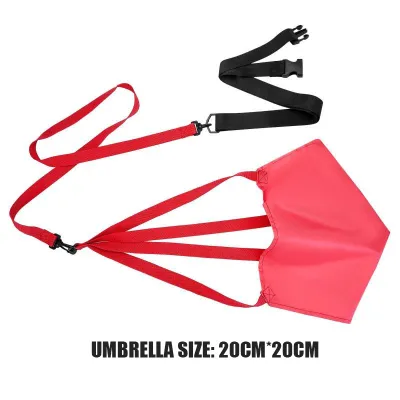
Selecting the right swimming parachute for a child requires balancing physical development, safety, and training goals. A swimming parachute is a specialized drag-production tool designed to build swimming-specific strength, endurance, and power by catching water behind the swimmer. For young swimmers, the ideal parachute must feature a small, manageable canopy (typically 6 to 8 inches in diameter) to protect developing shoulders, a wide, padded, and highly adjustable waist belt to prevent skin chafing, and high-visibility, UV-resistant materials that can withstand the intense tropical sun and chlorinated pools.
Because children are still developing their skeletal systems and stroke mechanics, using adult-sized or poorly designed resistance gear can lead to joint strain and bad swimming habits. By focusing on youth-specific specifications, parents and youth coaches can safely introduce resistance training to help young athletes improve their distance-per-stroke and overall water confidence.
Quick Selection Guide: What Matters Most for Kids
A swim resistance parachute works on a simple physical principle: as a swimmer moves forward, water enters the open canopy, creating drag that forces the muscles to work harder to maintain momentum. For young athletes, this resistance helps build functional strength in the shoulders, core, and legs. However, because a child’s muscles and joints are highly susceptible to overuse injuries, selecting the wrong gear can do more harm than good.
Products mentioned in this guide
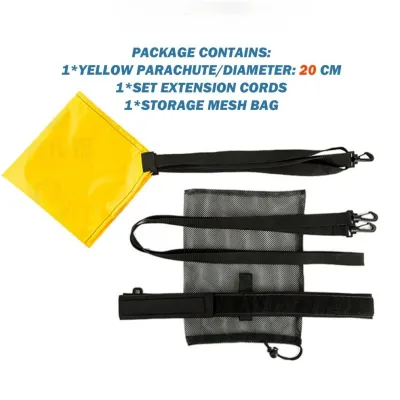
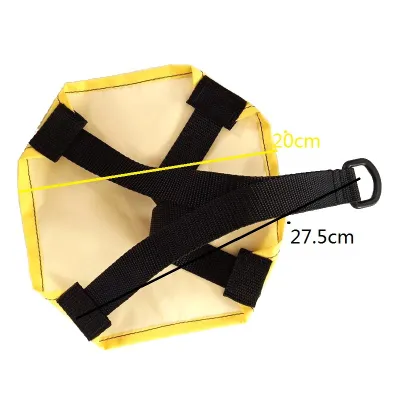
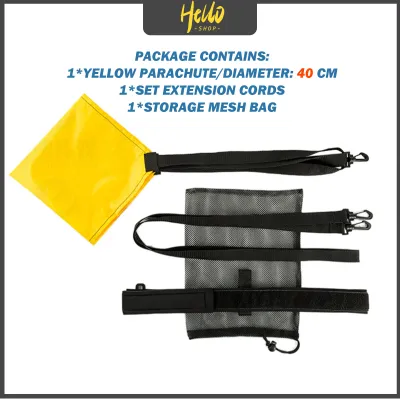
Prices are valid at publication and may change. Please refer to the product page for the latest price.
When shopping for a youth swimming parachute, parents should focus on three primary checks. First, verify the canopy size; it must be appropriately scaled to the child’s physical strength to prevent severe stroke deceleration. Second, inspect the waist belt to ensure it is wide, padded, and highly adjustable, which prevents the strap from digging into the child’s midsection or slipping down during flip turns. Third, prioritize high-visibility, tear-resistant fabrics that ensure the trailing gear is easily spotted by lifeguards and coaches in busy pool lanes.
Properly sized gear ensures that the added resistance does not ruin the child’s natural stroke mechanics. If a parachute is too large, the child will struggle to maintain a horizontal body position, causing their hips to sink and forcing them to kick inefficiently. Choosing a youth-specific model keeps the focus on technique while gently introducing the benefits of resistance training.
Essential Features to Check Before Buying
To ensure a swimming parachute is both safe and effective for a young swimmer, parents must look past generic marketing claims and carefully evaluate the technical design of the equipment. High-quality youth training gear is engineered differently than adult equipment, specifically addressing the physical limitations and comfort needs of growing bodies.

Canopy Size and Resistance Level
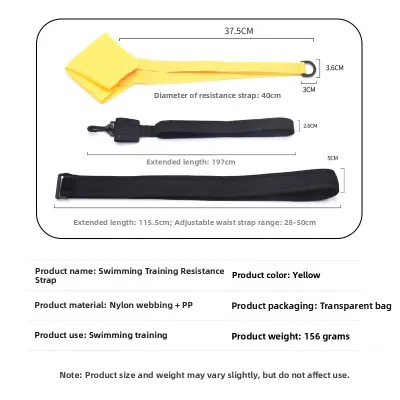
The canopy is the fabric pocket that catches water to create drag, and its physical surface area directly dictates the amount of resistance the swimmer experiences. For children and youth swimmers, a canopy diameter of 6 to 8 inches is generally recommended, as this provides a mild drag force (typically between 2 to 5 pounds of resistance depending on swim speed).
Excessive drag can instantly ruin a child’s stroke mechanics by forcing them to shorten their pull or cross their hands over the midline to compensate for the heavy load. This compensation pattern can lead to shoulder impingement and joint strain. Always check the manufacturer’s packaging or product description to verify that the resistance level is explicitly rated for youth, beginners, or junior competitive swimmers.
Waist Belt and Harness Comfort
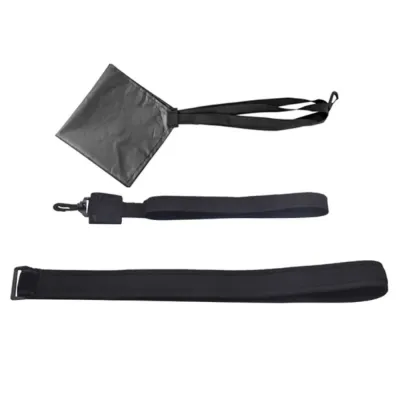
The waist belt serves as the primary connection point between the swimmer and the drag canopy, meaning it bears the brunt of the pulling force. Parents should look for a belt that features a wide nylon strap (at least 2 inches wide) paired with integrated neoprene padding. This padding cushions the pressure against the lower back and abdomen during high-effort sets.
Avoid thin, unpadded cords or narrow straps, as these can quickly dig into the skin, cause painful chafing, or restrict the child’s breathing during intense exertion. The belt must also feature a secure, quick-release buckle that allows the child to instantly detach the harness in an emergency. Ensure the adjustment range can accommodate a child’s waist size, keeping the belt snug on the hips without slipping down or shifting side-to-side.
Material Durability and Visibility
Because swimming gear is constantly exposed to harsh chemicals, salt water, and intense sunlight, material selection is critical for longevity. Look for canopies constructed from high-grade ripstop nylon or polyester, which feature reinforced grid stitching to prevent small punctures or tears from unraveling under pressure. The connecting tethers should be made of heavy-duty, marine-grade braided nylon with reinforced stitching at the attachment points.
Visibility is another paramount safety factor, especially in busy public pools or open-water settings. Choose parachutes in bright, fluorescent colors such as neon yellow, safety orange, or vibrant pink. These high-visibility shades allow coaches, parents, and lifeguards to easily track the trailing parachute underwater, reducing the risk of other swimmers accidentally colliding with or tangling in the tether line.
Sizing and Fit: Matching the Gear to Your Child's Strength
Matching a swimming parachute to a child requires evaluating their actual swimming proficiency and physical maturity rather than relying solely on chronological age. A highly active ten-year-old competitive squad swimmer will require different equipment specifications than a ten-year-old who has just transitioned to independent lap swimming.
To find the correct fit, start by measuring your child’s waist circumference over their competitive swimwear. Compare this measurement against the manufacturer’s sizing chart, ensuring the belt can be tightened securely without leaving long, dangling strap ends that could tangle during kicks. The tether cord—the line connecting the belt to the canopy—should ideally be adjustable, allowing you to position the parachute far enough behind the swimmer so it does not interfere with their kick, yet close enough to prevent it from drifting into adjacent lanes.
Parents must actively observe their child during their first few runs with a new parachute to determine if the fit and resistance levels are correct. You can recognize that a parachute is sized properly if the child can maintain a flat, streamlined body position near the surface of the water while keeping a consistent stroke rate.
Conversely, look for these physical warning signs that indicate the parachute is too heavy or poorly fitted:
- Sinking Hips and Legs: The child's lower body drops significantly, forcing them into a diagonal, high-drag swimming position.
- Dropped Elbows: The child is unable to maintain a high-elbow catch during the pull phase because the resistance is too high.
- Erratic Head Movement: The child lifts or jerks their head excessively to breathe because they are struggling to maintain forward momentum.
- Drastic Stroke Rate Drop: The swimmer's stroke rate slows down to a crawl, turning a fluid swim stroke into a series of disconnected, straining movements.
If any of these signs are present, remove the parachute immediately. The swimmer should return to unresisted swimming to reset their technique, and you should transition them to a smaller canopy size or a shorter tether length.
Recommended Specifications by Swimming Skill Level
To help guide your purchasing decision, youth swimming parachutes can be categorized by the swimmer’s skill level. Selecting gear within these categories ensures the design matches the physical capabilities of the child.
Best for Beginners and Younger Swimmers
For children who have recently mastered independent lap swimming and are beginning to explore basic swim training, the focus must be entirely on technique rather than power. Parachutes in this category should feature ultra-small canopies (around 5 to 6 inches in diameter) that provide minimal, almost imperceptible drag.
- Ideal Canopy Size: 5 to 6 inches (minimal drag)
- Belt Style: Lightweight, slim-profile padded belt with an easy-to-adjust hook-and-loop or quick-snap closure
- Tether Length: Short, fixed-length tethers (around 4 to 5 feet) to minimize lane drift and simplify management
- Price Band: Entry-level models typically range from ₱600 to ₱1,200
This setup allows younger swimmers to get used to the feeling of pulling a trailing object without feeling overwhelmed or having their body alignment disrupted.
Best for Intermediate and Growing Swimmers
Intermediate youth swimmers, such as those participating in local school swim clubs or junior development squads, have established a stable, consistent stroke and are ready to build aerobic endurance and muscular stamina.
- Ideal Canopy Size: 7 to 8 inches (moderate drag)
- Belt Style: Wide, 2-inch nylon belt with integrated 5mm neoprene padding and a heavy-duty quick-release buckle
- Tether Length: Adjustable tethers (ranging from 5 to 7 feet) to accommodate growth and allow customization based on kick style
- Price Band: Mid-range training models typically range from ₱1,200 to ₱2,000
Gear in this category must feature reinforced double-stitching along the canopy seams and tether connection points to withstand the increased force generated by stronger, faster kicks and pulls.
Best for Advanced Youth Swimmers
Advanced youth swimmers, including competitive state-level athletes or senior youth squad members, use resistance parachutes for high-intensity interval training, sprint power development, and specific stroke-rate drills.
- Ideal Canopy Size: 8 to 12 inches (substantial drag designed for short, explosive sets)
- Belt Style: Heavy-duty, fully padded harness system that distributes resistance evenly across the lower back and hips
- Tether Length: Long, heavy-duty tethers with integrated swivel clips to prevent the cord from twisting during flip turns
- Price Band: Premium, club-grade training parachutes typically range from ₱2,000 to ₱3,500+
Because of the high forces involved, advanced gear should only be used during structured training sessions under the direct guidance of a certified swim coach who can monitor set structures, rest intervals, and stroke integrity.
Water Safety and Training Boundaries for Kids
While a swimming parachute is an excellent tool for athletic development, it is a specialized piece of training equipment and must never be treated as a recreational toy or a safety device. It provides zero buoyancy and is not a substitute for personal flotation devices or active adult supervision.
Before every single swim session, parents or coaches must perform a mandatory pre-swim safety inspection of the gear. Check the entire length of the tether cord for any signs of fraying, cracking, or weakening. Inspect the waist belt buckle to ensure it clicks securely into place and releases instantly when the tabs are pressed. Examine the canopy stitching for loose threads or small tears that could expand under the pressure of rushing water. If any component shows signs of wear, do not use the gear until it has been repaired or replaced.
When using a swim parachute, environmental selection is critical. Only use this equipment in clear, unobstructed pool water. Never use a swim parachute in crowded public lanes, as the trailing canopy and long tether can easily trip other swimmers, wrap around lane lines, or cause multi-swimmer tangles. If training in a public facility, coordinate with the pool management or swim during designated training hours when lane traffic is minimal.
Avoid using swim parachutes in open-water environments with strong currents, heavy boat traffic, or underwater hazards like coral reefs, rocks, and seaweed, which can snag the canopy and trap the swimmer underwater. If open-water training is necessary, it must be conducted in calm, shallow, designated swimming zones with a dedicated spotter or coach accompanying the child on a paddleboard or kayak.
Finally, establish clear stop conditions before the training session begins. Instruct the child to stop swimming and remove the belt immediately if they experience any sharp or lingering pain in their shoulders, neck, or lower back. Extreme fatigue, shivering from cold water, or a visible breakdown in swimming form are also immediate stop conditions. Equipment can never replace proper training, physical limits, and sound athletic judgment.
Frequently Asked Questions (FAQ)
At what age can a child safely start using a swim parachute?
Chronological age is far less important than overall swimming proficiency and physical readiness. A child should only begin using a swim parachute once they have developed a strong, independent, and technically sound freestyle stroke over long distances without the aid of flotation devices. Generally, this level of coordination and muscle maturity is found in children aged nine or ten who are already participating in structured swim squads. Before introducing any resistance gear, consult with a qualified swim coach to verify if your child’s stroke mechanics are stable enough to handle the added load.
Can a swim parachute be used in a standard public pool?
Yes, but you must always verify the specific rules of the facility and practice proper lane etiquette. Because the trailing parachute and tether cord extend several feet behind the swimmer, they present a significant tripping and tangling hazard in crowded lanes. It is highly recommended to use this equipment only in private pools, during dedicated swim team training hours, or in open lanes where there is ample space between swimmers. Always inform nearby swimmers or the on-duty lifeguard before you begin your set so they are aware of the trailing gear.
How should I clean and store the parachute after swimming?
To maximize the lifespan of the parachute, rinse the entire assembly—including the canopy, tether, and waist belt—thoroughly with clean, fresh tap water immediately after every use. This process removes aggressive chlorine, salt water, sand, and organic pool debris that can degrade synthetic fibers over time.
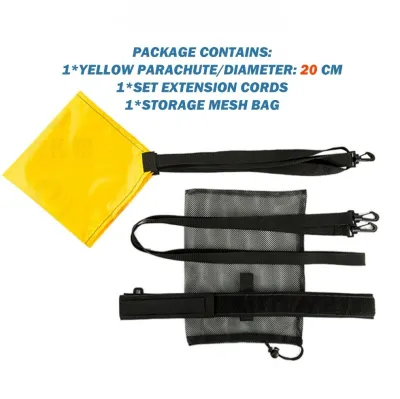
After rinsing, hang the gear to air-dry completely in a shaded, well-ventilated area. Avoid drying the parachute in direct, harsh tropical sunlight, as intense UV rays can dry out and weaken the nylon fabric and cause plastic buckles to become brittle. Once fully dry, store the gear in a breathable mesh bag in a cool, dry place to prevent the growth of mold and mildew, which thrive in humid climates.
Community discussion
Share your experience or ask a question. Comments are reviewed before publication.