
Selecting the right protective gear is a critical decision for any martial artist. In taekwondo, where dynamic, high-velocity kicks are the core of the sport, protecting your face during training and sparring is paramount. For practitioners in the Philippines, finding a balance between robust impact protection and comfortable ventilation is a unique challenge. The tropical heat and high humidity mean that gear can quickly become uncomfortable, fog up, or degrade if not chosen carefully.
Whether you are a beginner stepping onto the mat for the first time or an experienced competitor preparing for a tournament, understanding how to select, fit, and maintain a taekwondo face shield will keep you safe and focused on your training. Protective equipment is designed to support your practice, but it must be chosen with care to match your specific environment, skill level, and goals.
Understanding the Purpose: Training vs. Competition Sparring
Daily training and official competition sparring place very different demands on your protective gear. In daily training, the focus is on high-volume repetition, technical drills, and controlled sparring. Here, comfort, breathability, and ease of cleaning are highly valued. Because you may spend hours wearing the gear during a single session, a face shield with ample ventilation slots is essential to prevent fogging and overheating in warm, humid training spaces.
Products mentioned in this guide
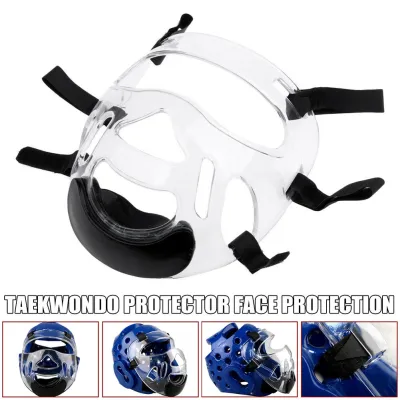
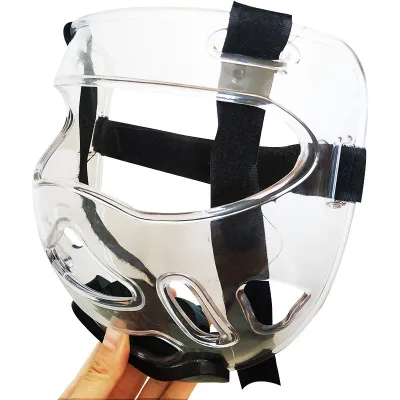
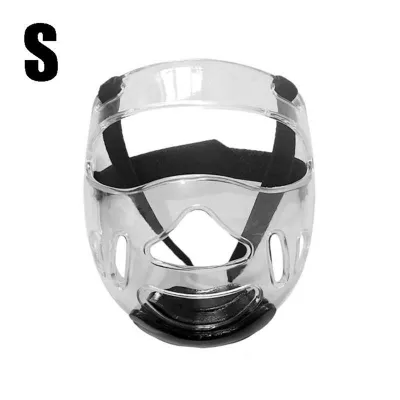
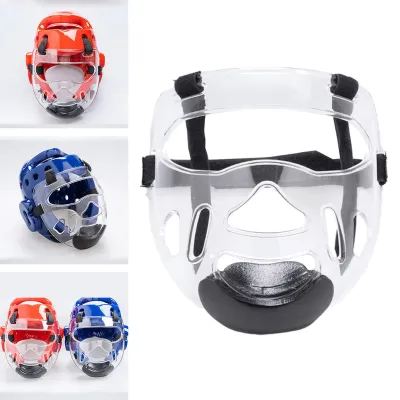
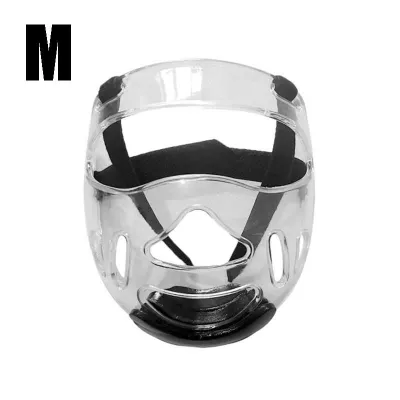
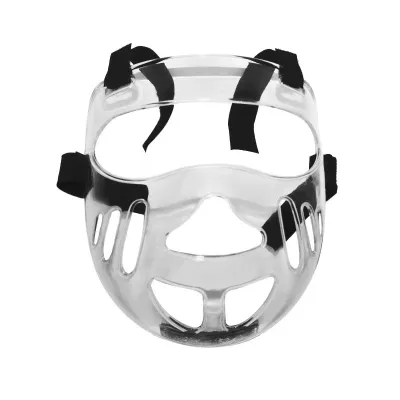
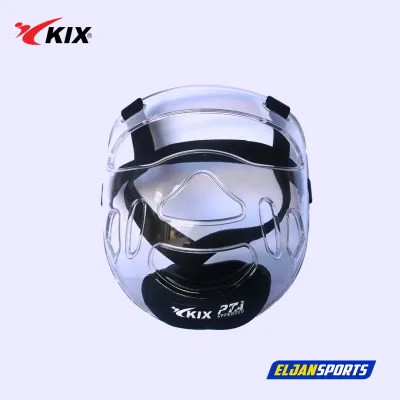
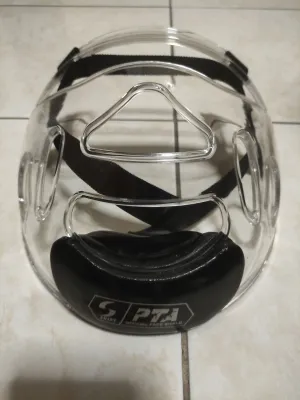
Prices are valid at publication and may change. Please refer to the product page for the latest price.
Conversely, official competition sparring requires strict adherence to the rules set by governing bodies, such as World Taekwondo or local athletic associations. Competition shields must meet precise safety certifications, material standards, and design specifications. These shields are built to withstand full-contact impacts from powerful kicks, prioritizing maximum structural integrity over daily convenience. Before purchasing a shield for competition, always consult your instructor or the official tournament guidelines to ensure your chosen model is permitted on the competition mat.
Visibility and breathing requirements also differ between these two settings. During high-intensity sparring, your cardiovascular demand spikes, requiring maximum airflow. A shield with restricted ventilation can lead to rapid fatigue and reduced performance. Furthermore, you need excellent peripheral vision to spot high kicks coming from blind spots. While technical drilling allows for slightly heavier or more enclosed protection, live sparring demands a streamlined design that does not compromise your field of view.
Impact absorption needs vary based on the intensity of your practice. Light technical drilling involves controlled contact, where a basic shield is sufficient to prevent accidental scratches or light bumps. Full-contact sparring, however, requires high-density polycarbonate shields that can absorb and disperse the force of a direct kick without cracking or shifting. Matching the shield’s impact rating to the intensity of your sparring rounds is vital for preventing facial injuries.
Matching the Shield to Your Skill Level
Your experience, speed, and defensive control should heavily influence the type of face shield you select. Beginners often lack the defensive reflexes and distance management skills to block fast head kicks consistently. For this group, a face shield that offers maximum coverage—protecting the nose, eyes, cheeks, and chin—is ideal. Look for shields that disperse impact across a wide surface area of the surrounding headgear, reducing the direct force felt on the face. This extra layer of security builds the confidence needed to practice defensive maneuvers without hesitation.

As you progress to intermediate and advanced levels, your sparring becomes faster and more strategic. Advanced practitioners must be able to spot incoming kicks from their peripheral vision, such as spinning back kicks or whip-like roundhouse kicks. A bulky or poorly designed shield can create blind spots, leaving you vulnerable. At this stage, look for streamlined, high-clarity polycarbonate shields that offer an unobstructed field of view. These shields should be lightweight to avoid slowing down your head movement, allowing you to slip and duck kicks effectively while maintaining essential protection.
Instructors and pad holders face a different set of challenges. They often wear protective gear for extended periods while holding pads or sparring with multiple students. For them, durability and hygiene are the top priorities. The shield must withstand constant, repetitive impacts without cracking or loosening. Additionally, because the gear may be shared or used in close proximity to many students, it must be made of non-porous materials that are easy to sanitize quickly between rounds.
Regardless of your skill level, remember that protective equipment cannot replace proper training, defensive technique, and sound judgment. A face shield is a secondary line of defense; maintaining a strong guard and developing quick reflexes remain your primary protection on the mat.
Key Selection Criteria and What to Check Before Buying
When shopping for a taekwondo face shield, evaluating specific physical features and material specifications will help you make an informed decision. The clear portion of the face shield is typically made of polycarbonate, a highly durable thermoplastic known for its impact resistance. When evaluating options, check the manufacturer’s specifications to ensure the polycarbonate is optical-grade to prevent visual distortion. The padding surrounding the shield, which rests against your forehead and temples, should consist of high-density EVA (ethylene-vinyl acetate) or polyurethane foam. This foam must be firm enough to absorb shock but resilient enough to return to its original shape after impact.
Strap and closure systems are critical for safety. A face shield is only as safe as its attachment system. Most taekwondo face shields are designed to attach to standard foam headgear. Look for robust, adjustable hook-and-loop straps that wrap securely around the back and top of the headgear. Some models feature snap-on buttons or heavy-duty plastic clips. Ensure these attachment points are flush with the gear to prevent them from scratching your sparring partner during close-range exchanges.
If you intend to compete, look for official certification marks printed directly on the shield or its packaging. In the Philippines, major tournaments often require gear that complies with national or international taekwondo federation standards. A certified shield has undergone rigorous testing to ensure it will not shatter or cave in under standard competitive forces. Always verify these labels before making a purchase intended for tournament use.
High-quality protective gear is an investment in your safety. In the local market, reliable taekwondo face shields generally range from ₱1,500 to ₱4,500. While it may be tempting to purchase budget-friendly, unbranded alternatives from online marketplaces, these products often lack verified impact testing. Investing in a reputable, certified shield ensures that the materials used are genuine polycarbonate and high-density foam, offering real protection when a kick lands.
Fit, Adjustment, and Safety Boundaries
To ensure a proper fit, put on your headgear with the face shield attached and secure all straps tightly but comfortably. Perform a series of quick head movements: look up, look down, shake your head side to side, and jump lightly. The shield should remain firmly in place without shifting or sliding down your nose. Check your line of sight; you should be able to see your feet and your peripheral surroundings clearly. If the shield presses painfully against your nose or chin, or if it restricts your breathing, adjust the straps or try a different size.
Make it a habit to inspect your gear before every training session. Look closely at the clear plastic for any hairline cracks, deep scratches, or cloudiness that could impair your vision. Check the foam padding for signs of degradation, such as crumbling, hardening, or permanent compression. Inspect the straps and stitching for fraying or loss of elasticity. If any component appears compromised, do not use the gear until it has been properly addressed.
Your safety depends on the structural integrity of your gear. You must immediately stop using and replace your face shield if you detect any of the following: visible cracks or deep fractures in the plastic, loose or broken attachment rivets, foam padding that no longer bounces back, or straps that fail to hold the shield securely. Never attempt to repair a cracked shield with tape or glue, as these temporary fixes will fail under the force of a kick, risking severe injury.
The tropical climate of the Philippines presents a constant challenge for martial arts gear. Sweat and humidity create a breeding ground for bacteria, mold, and unpleasant odors, which can also accelerate the breakdown of foam and plastics. After every session, wipe down both sides of the shield with a soft microfiber cloth dampened with lukewarm water and mild, non-abrasive soap. Avoid using harsh chemicals, alcohol-based sanitizers, or abrasive pads, as these can strip away anti-fog coatings and weaken the polycarbonate. Allow the shield to air dry completely in a well-ventilated, shaded area. Never leave your wet gear inside a closed gym bag or expose it to direct, intense sunlight, which can warp the plastic and degrade the foam.
Frequently Asked Questions (FAQ)
Can I use a generic martial arts face shield for taekwondo?
It is highly recommended to use a shield specifically designed for taekwondo. Taekwondo involves high-velocity, dynamic kicks delivered from unique angles, requiring specialized facial and head protection. Generic martial arts shields, such as those designed for point karate or other disciplines, may not offer the necessary coverage for the chin and jaw, or they may not fit securely over the thick foam headgear standard in taekwondo. Using an incompatible shield can result in the gear shifting during a match, blocking your vision or failing to absorb the impact of a direct kick. Always verify that the shield is compatible with your specific brand and model of taekwondo headgear.
How do I clean my face shield after training?
Proper cleaning is essential to maintain hygiene and prolong the lifespan of your shield, especially in humid tropical conditions. Start by wiping away excess sweat immediately after training with a clean towel. Once home, wash the shield using a soft microfiber cloth, lukewarm water, and a few drops of mild dish soap or baby shampoo. Gently wipe the clear plastic and the foam padding, taking care not to scrub aggressively. Rinse with clean water and pat dry with a dry microfiber cloth to prevent water spots. Finally, let the shield air dry completely in a cool, well-ventilated room before storing it. Avoid storing your gear in a damp gym bag, as this encourages mold growth and material degradation.
Community discussion
Share your experience or ask a question. Comments are reviewed before publication.