
Quick Answer: Essential Features for Dual-Sport Bags
To carry both tennis and badminton gear efficiently, a dual-sport player needs a specialized racket bag that addresses the unique physical demands of both sports. The most critical feature is a thermal-lined racket compartment, which shields delicate badminton strings and high-tension tennis strings from extreme tropical heat.
Additionally, the bag must feature dedicated, isolated storage zones to keep dirty court shoes and sweaty apparel separate from clean gear. Look for a bag constructed from water-resistant, high-denier fabrics with integrated ventilation eyelets to manage moisture and prevent mildew. Finally, ensure the bag has structured, upright pockets capable of holding fragile shuttlecock tubes and pressurized tennis ball cans without crushing them.
Assess Racket Capacity and Heat Protection
Tennis and badminton rackets differ significantly in weight, frame thickness, and string sensitivity. A standard tennis racket is heavy, wide, and rigid, while a badminton racket is exceptionally light, thin, and flexible. Because of these structural differences, stacking them together in a single, unpadded compartment can lead to frame scratches, bent shafts, or broken grommets. When selecting a bag, verify that the racket compartment has internal dividers or individual padded sleeves to keep the different frames isolated.
Products mentioned in this guide
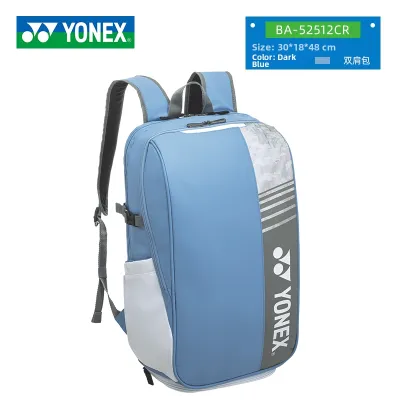
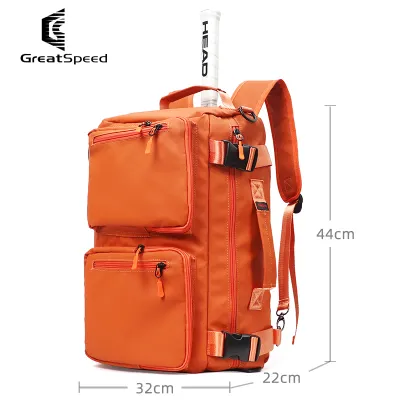
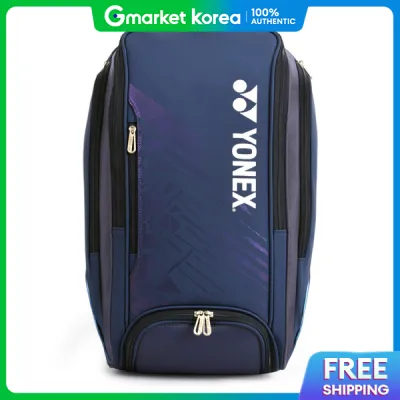
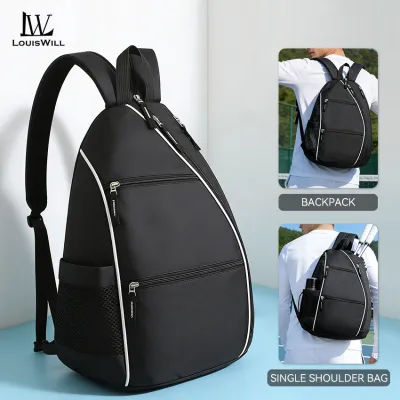
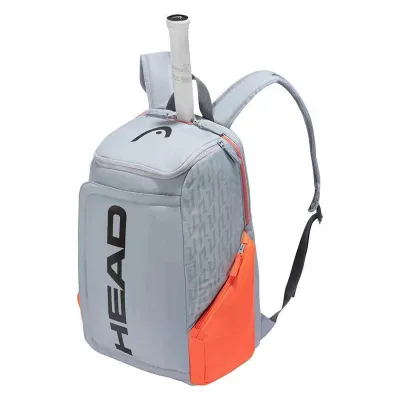
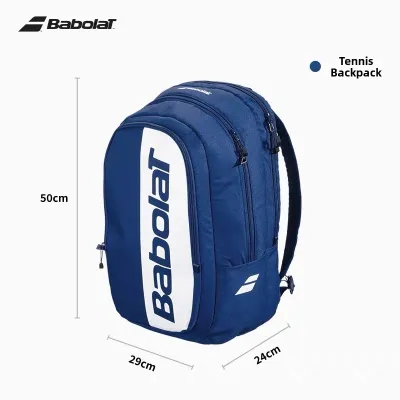
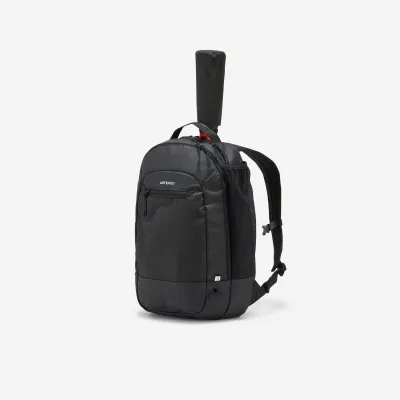
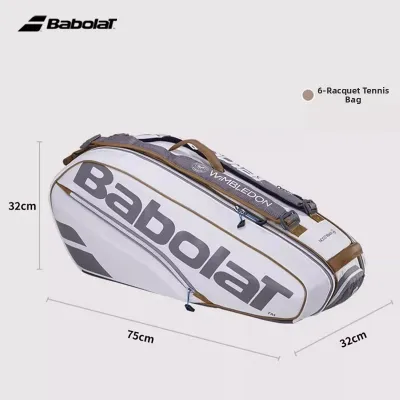
Prices are valid at publication and may change. Please refer to the product page for the latest price.

String tension is highly vulnerable to temperature fluctuations, especially in the intense heat of the Philippines. High outdoor temperatures can cause tennis strings to lose elasticity and badminton strings to drop tension rapidly, ruining your control on the court. To prevent this, look for racket compartments lined with reflective thermal foil, often labeled as climate control or thermal guard technology. This lining acts as a barrier against external heat, preserving your string tension during long transits or when the bag sits beside an outdoor court.
When reading product specifications, do not rely solely on the stated racket capacity. A bag advertised as a “six-racket bag” is typically measured using slim badminton rackets or standard tennis rackets exclusively. A mixed load of three tennis rackets and three badminton rackets occupies a different volume due to the wider tennis heads and longer badminton shafts. Always check the physical depth and width measurements of the racket compartment to ensure it can accommodate your specific combination of frames without forcing the zippers.
Evaluate Compartment Layout for Mixed Gear
An organized layout is essential for dual-sport players who must carry two entirely different sets of accessories. The most important structural division is a dedicated shoe compartment. Court shoes accumulate clay, dust, and sweat during play; storing them in the same compartment as your clean clothes or rackets invites dirt and moisture into your gear. Ensure this shoe pocket is accessed externally, preferably from the bottom or side of the bag, and features mesh vents to allow air circulation.
Storage for game essentials requires specific pocket shapes. Badminton shuttlecocks are highly fragile and must be kept in their protective cardboard or plastic tubes to prevent the feathers from crushing. Tennis balls are stored in rigid, pressurized plastic cans. Your chosen bag should feature deep, upright side pockets or a spacious central compartment that allows these tubes and cans to stand vertically, preventing them from rolling around and getting damaged under heavier gear.
Small accessory storage prevents you from losing minor but essential items in the depths of a large bag. Look for dedicated internal or external zippered pockets designed to hold replacement overgrips, racket dampeners, grip powder, scissors, and athletic tape. Having designated spaces for these items ensures you can access them quickly during a match changeover without emptying your entire bag onto the court bench.
Check Material Durability and Ventilation
Frequent travel to indoor and outdoor courts requires a bag made from highly durable materials. Look for exterior fabrics woven from high-denier polyester or nylon, such as 600D or 900D, which resist tearing and abrasion. Pay close attention to the stitching at high-stress areas, particularly where the shoulder straps connect to the main body of the bag and around the heavy-duty zippers, as these points bear the brunt of the weight when the bag is fully loaded.
Outdoor courts are often dusty, and sudden tropical rain showers can leave benches and ground surfaces wet. A bag with a reinforced, water-resistant base panel made of tarpaulin or coated polyurethane is highly beneficial. This protective barrier prevents ground moisture from seeping upward into your clean clothes, spare grips, and towels when you set the bag down on damp concrete or grass.
High humidity makes ventilation a non-negotiable feature for sports bags. Sweaty shirts, damp towels, and used wristbands left in a sealed, unventilated compartment will quickly develop unpleasant odors and mold. Check for integrated ventilation systems, such as metal grommets, mesh panels, or breathable fabric strips built into the wet/dry compartments. These features encourage continuous airflow, helping to dry out damp items and maintain a fresh interior environment.
Perform a Step-by-Step Gear Packing Test
Before committing to a new bag, perform a practical packing test to ensure it fits your actual gear loadout comfortably and carries weight balanced across your shoulders.
- Step 1: Load the longest rackets first. Place your badminton rackets into the racket compartment first to check if the zippers close smoothly over the longer shafts. Next, slide in your wider tennis rackets. Verify that the frames do not press tightly against each other and that the zippers do not strain against the fabric.
- Step 2: Pack your court shoes and damp apparel. Insert your playing shoes into the dedicated shoe compartment. Observe how much space the shoe pocket consumes inside the main compartment. Place a damp towel or shirt into the wet/dry section to ensure it does not press directly against your clean gear or rackets.
- Step 3: Fill the accessory pockets. Place a full tube of shuttlecocks and a can of tennis balls into the side pockets or main compartment. Add your smaller items, such as grips, keys, and a water bottle, to the accessory pockets. Ensure all compartments zip shut easily without creating bulges that put pressure on your racket frames.
- Step 4: Wear the fully loaded bag. Lift the bag and put on the backpack straps or shoulder sling. Adjust the straps to fit your body. Walk around for a few minutes to assess the weight distribution, checking if the straps dig into your shoulders or if the bag sags uncomfortably against your lower back.
Frequently Asked Questions (FAQ)
Can I use a standard tennis bag for badminton gear?
While you can physically place badminton rackets inside a standard tennis bag, it is not ideal for long-term gear protection. Tennis bags are designed for wider, heavier frames and often lack the specific length or delicate padding needed to secure slim, flexible badminton shafts. Additionally, standard tennis bags rarely feature the specialized, upright pocket configurations required to keep fragile shuttlecock tubes from rolling around and getting crushed by heavier tennis gear.
How do I clean a thermal-lined racket compartment?
To clean a thermal-lined compartment, always check the manufacturer’s care label first for specific instructions. Wipe the silver or foil-like lining gently using a soft microfiber cloth dampened with warm water and a small amount of mild dish soap. Avoid using harsh chemical sprays, bleach, or abrasive scrubbing pads, as these can degrade or peel the reflective thermal barrier. Allow the compartment to air dry completely in a shaded, well-ventilated area before closing the zippers or storing your rackets.
Community discussion
Share your experience or ask a question. Comments are reviewed before publication.