
Selecting a water vest for running in the Philippines requires balancing hydration capacity, storage, and breathability. With the country’s high humidity and tropical heat, staying hydrated is not just a matter of performance, but of safety. Whether you are training for a road marathon along coastal highways or tackling technical mountain trails in Benguet, the right hydration vest acts as an extension of your body. This guide breaks down how to choose the perfect vest based on your running style, key features to inspect, budget expectations, and how to secure an authentic product in the local market.
Investing in a dedicated hydration vest allows you to carry fluids comfortably without throwing off your running posture. Unlike handheld bottles that can cause muscular imbalances over long distances, or waist belts that can bounce and chafe against your hips, a well-fitted vest distributes weight evenly across your upper torso. This structural balance is essential for maintaining efficient running form, reducing fatigue, and keeping your focus entirely on the road or trail ahead.
How to Choose the Right Hydration Vest for Your Running Style
Your primary running environment dictates the type of hydration vest that will serve you best. Trail running demands a highly durable vest with versatile storage options. Because trail runners are often far from convenience stores or water stations, they must carry safety gear, trail food, a headlamp, and potentially trekking poles. A trail-specific vest needs robust bounce control to handle the multi-directional movements of navigating rocks, roots, and steep elevation changes. The materials must also resist tearing from low-hanging branches or accidental scrapes against rock faces.
Products mentioned in this guide
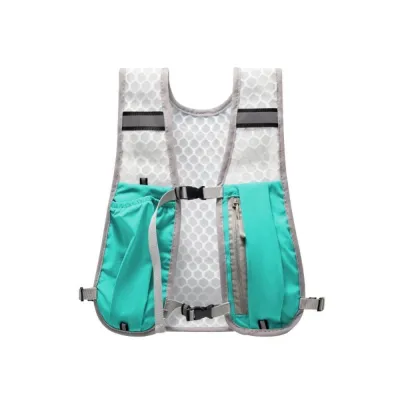
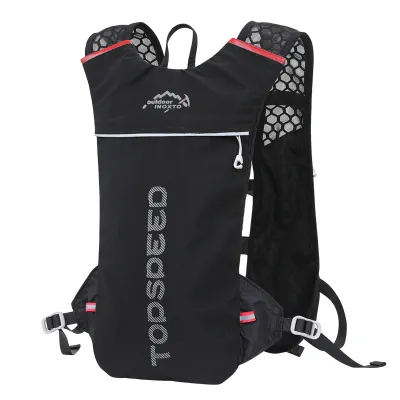
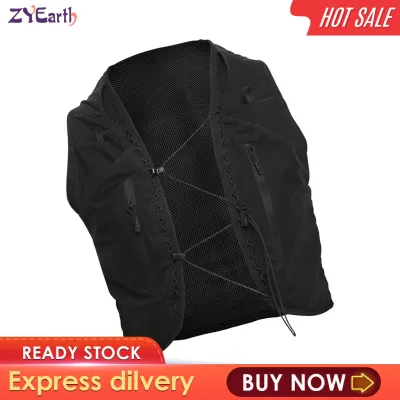
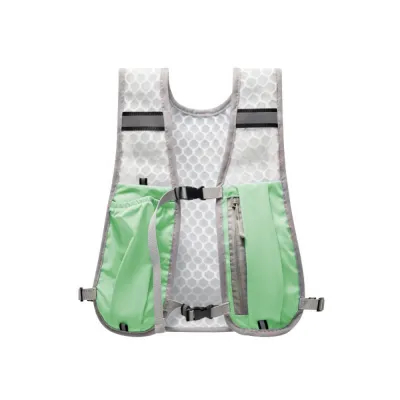
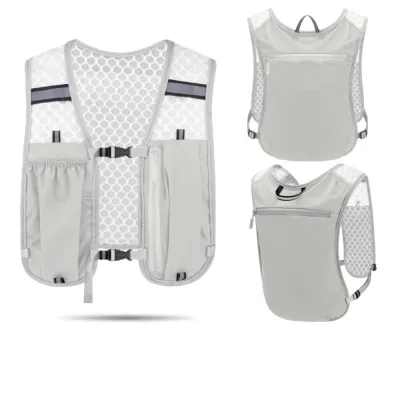
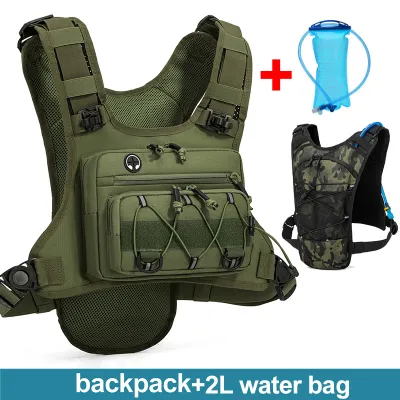
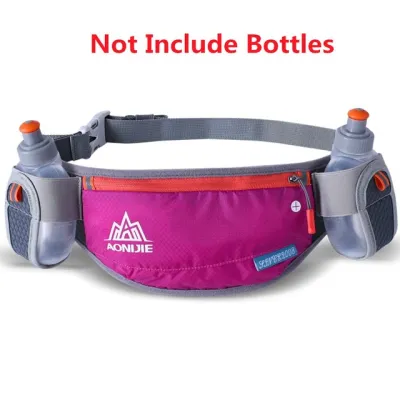
Prices are valid at publication and may change. Please refer to the product page for the latest price.
Road running, by contrast, allows for a much more minimalist approach. Because road routes are generally predictable and often pass by convenience stores or public water fountains, you can opt for a lighter, lower-capacity vest. The primary focus for road runners is quick access to hydration and secure storage for essentials like a smartphone, keys, and a few energy gels. Road vests typically feature streamlined profiles that minimize wind resistance and reduce the overall weight carried on the shoulders.
The distance and duration of your runs also play a critical role in determining the ideal vest capacity. For short training runs under 10 kilometers, a lightweight vest with a 2-liter to 5-liter total capacity is usually sufficient. This size easily accommodates two front-mounted soft flasks and a few small items. For half-marathons to full marathons, look for a 5-liter to 8-liter vest, which provides enough space for extra nutrition, salt tablets, and a light windbreaker. If you are training for ultramarathons or self-supported long runs in remote areas, a 10-liter to 15-liter vest is necessary to carry mandatory race gear, emergency medical supplies, and larger volumes of water.
Adapting to the tropical climate of the Philippines is perhaps the most critical consideration when choosing a vest. High humidity levels prevent sweat from evaporating efficiently, which can lead to rapid overheating and severe skin irritation. To combat this, prioritize vests constructed with open-mesh back panels and highly breathable, moisture-wicking shoulder straps. Avoid heavy, solid fabrics that trap heat against your torso. Look for vests with seamless edges or soft piping along the neck and underarms to prevent painful chafing when your skin is damp with sweat and salt.
Key Features to Check Before Buying
When comparing different water vests for running, the hydration system itself is the first major feature to evaluate. Most vests support either front-mounted soft flasks, a rear-mounted hydration bladder, or a combination of both. Soft flasks, typically holding 250ml to 500ml each, sit in dedicated pockets on your chest straps. They are incredibly easy to refill at aid stations, allow you to monitor your water intake at a glance, and shrink as you drink, which eliminates the annoying sloshing sound of water. However, they carry less total volume than a bladder.

A hydration bladder, which sits in a dedicated sleeve on your back, typically holds 1.5 to 2 liters of water. This is ideal for long, self-supported runs where water sources are scarce. The main drawback of a bladder is that it is more difficult to refill quickly during a run, and the weight is concentrated on your back, which can feel warm and heavy. Additionally, it is harder to track exactly how much water you have left without taking the vest off. Many runners find that a combination of a 1-liter bladder in the back and two 500ml flasks in the front offers the perfect balance of capacity and accessibility.
Storage layout and pocket ergonomics are equally important for maintaining your running rhythm. The front pockets of the vest should be easily accessible without requiring you to stop or remove the pack. Look for at least one secure, zippered pocket that can accommodate a modern smartphone and protect it from sweat. Stretch-mesh pockets are excellent for holding energy gels, salt tablets, and empty wrappers. Side pockets are highly useful for quick-access items like a buff, a small bottle of sunscreen, or a light windbreaker. The rear compartment should feature expandable mesh or an external bungee system to secure extra gear tightly against your back to prevent shifting.
Fit and adjustability are the ultimate deciders of whether a vest will be comfortable over long distances. A running vest should fit snugly like a second skin, rather than hanging loose like a traditional backpack. Look for adjustable sternum straps that feature elasticated cords or straps; these allow the vest to expand and contract naturally as your chest rises and falls with deep breathing. Side adjustment systems, such as Z-pull cords or side straps, are highly beneficial because they allow you to tighten the vest as your water flasks empty, maintaining a bounce-free fit throughout your run. Pay close attention to sizing charts, and consider gender-specific cuts, which feature narrower shoulders and flask pockets positioned to sit comfortably away from the chest.
Matching Budgets to Vest Capabilities
Understanding what features are available at different price points helps you make an informed decision without overspending. Entry-level hydration vests, typically priced under ₱2,500, offer a functional introduction to running with a vest. At this tier, vests are often constructed from standard polyester mesh, which is durable but can feel heavier and less breathable in hot weather. These vests frequently come in a “one-size-fits-all” design with highly adjustable side straps. While they are excellent for casual runners, shorter training sessions, or those new to the sport, they may lack the refined fit and advanced bounce-reduction of higher-end models.
Mid-range hydration vests, ranging from ₱2,500 to ₱6,000, represent a significant upgrade in materials and design. Vests in this category utilize lightweight 3D air mesh fabrics that greatly improve ventilation and moisture management. They are typically sold in specific sizes (such as XS, S, M, L) to ensure a more precise, contoured fit. You can expect specialized features like trekking pole attachment loops, integrated safety whistles, and more ergonomic pocket layouts. Many mid-range vests also include high-quality, BPA-free soft flasks, making them a highly cost-effective option for runners preparing for their first marathon or trail race.
Premium hydration vests, priced above ₱6,000, are engineered for elite performance and ultramarathon distances. These vests use cutting-edge, ultralight ripstop fabrics and highly breathable engineered mesh that minimizes weight while maintaining structural integrity. They feature sophisticated compression systems, such as micro-adjustable dials or specialized cord locks, to eliminate bounce entirely, even when the vest is fully loaded. Premium vests offer extensive storage configurations, specialized pole-carrying options, and seamless construction to prevent chafing over long hours of continuous movement. While they are a significant investment, their durability and comfort under extreme conditions make them the preferred choice for serious endurance athletes.
Where to Buy and Verify Authenticity in the Philippines
To ensure you are purchasing a genuine, high-quality water vest for running, it is crucial to buy through authorized channels. Authorized running specialty stores and official brand boutiques located in major metropolitan malls across the Philippines are the safest physical locations to purchase gear. These stores allow you to try on different sizes, test the adjustment systems, and receive expert advice from knowledgeable staff. For online purchases, look for verified flagship stores on reputable e-commerce platforms or purchase directly from the official websites of established sports retailers.
Be highly cautious of counterfeit products, which are common on general online marketplaces. Red flags for counterfeit vests include extremely low prices—such as a premium brand vest listed for under ₱1,000—generic product descriptions, and stock photos instead of actual product images. Counterfeit vests often use cheap, non-breathable materials that trap heat, weak stitching that tears easily under the weight of water, and low-quality zippers that can fail mid-run. Furthermore, counterfeit hydration flasks or bladders may use low-grade plastics that leach harmful chemicals into your drinking water.
Always verify the retailer’s return and exchange policy before finalizing your purchase. Because a proper fit is essential to prevent bouncing and chafing, you may need to exchange the vest for a different size after trying it on at home. Check if the seller offers a warranty that covers manufacturing defects, particularly on high-stress areas like zippers, seams, and the hydration flasks or bladders themselves. Purchasing from authorized dealers ensures that you are protected by these policies and that your gear will perform reliably on the road or trail.
Frequently Asked Questions (FAQ)
How do I clean and maintain my hydration vest to prevent mold?
To prevent mold and bacteria growth, hand-wash your hydration vest in cool water using a mild, scent-free detergent. Avoid using bleach, fabric softeners, or harsh chemicals, as these can degrade the elastic fibers and technical coatings of the fabric. Rinse the vest thoroughly to remove all soap residue, then hang it to dry completely in a shaded, well-ventilated indoor or outdoor area. Avoid direct tropical sunlight, which can weaken the materials over time. For soft flasks and bladders, wash them with warm, soapy water using a dedicated bottle brush, rinse thoroughly, and prop them open to air dry completely before storing them in a cool, dry place.
Can I use a running hydration vest for hiking or walking?
Yes, you can use a running hydration vest for hiking or walking, especially for fast-packing or short day hikes where you want to travel light. The front-access pockets make it incredibly convenient to grab water, snacks, or your phone without stopping. However, keep in mind that running vests are designed for lightweight, low-bulk gear. Overloading a running vest with heavy hiking equipment can strain the lightweight seams, cause the vest to ride up uncomfortably, and put uneven pressure on your shoulders. For longer hikes requiring heavy gear, a dedicated hiking daypack with a structured suspension system is a safer and more comfortable choice.
Community discussion
Share your experience or ask a question. Comments are reviewed before publication.