
Selecting a reliable waterproof golf bag cover requires looking beyond basic aesthetics to evaluate how different materials, construction methods, and design features perform in real-world wet conditions. A high-quality cover is a critical investment for protecting your clubs, grips, and electronics from unexpected downpours and high humidity. Rather than relying on generic product rankings, making an informed purchase requires understanding the exact specifications and physical checks you need to evaluate when shopping, ensuring your gear stays dry and functional throughout the season.
To choose the right cover, you must prioritize high-denier coated fabrics, fully taped or heat-sealed seams, robust waterproof zippers with storm flaps, and a secure fastening system that matches your specific bag type. This guide breaks down these essential features to help you make a practical, long-lasting decision.
Assessing Your Need for Weather Protection
The weather patterns in the Philippines present unique challenges for golfers, where a clear morning can rapidly transition into a torrential afternoon downpour. High relative humidity is a constant factor throughout the year, meaning moisture does not evaporate quickly once it gets inside your bag. Heavy morning dew on early tee times also presents a creeping moisture hazard that can soak the bottom of your bag if it sits on wet grass or a damp cart tray.
Products mentioned in this guide
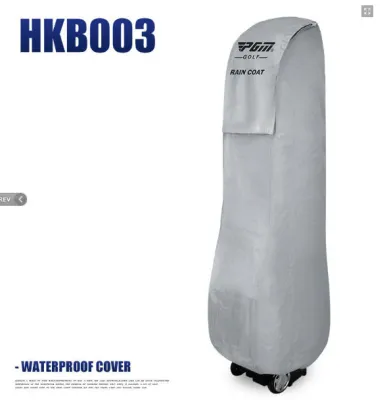
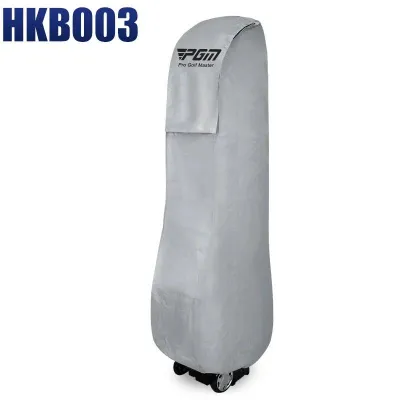
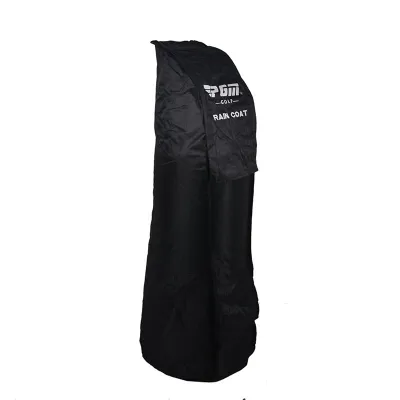
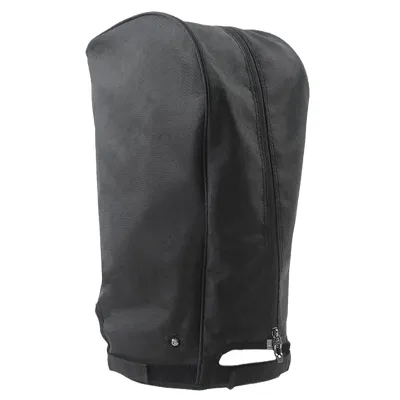
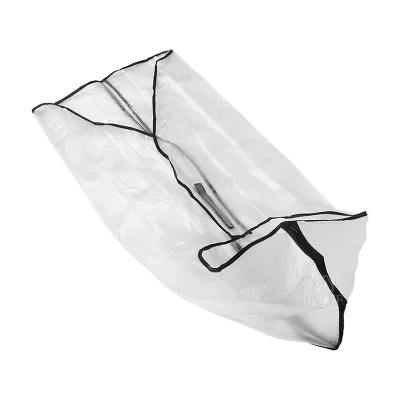
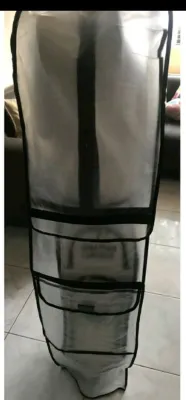
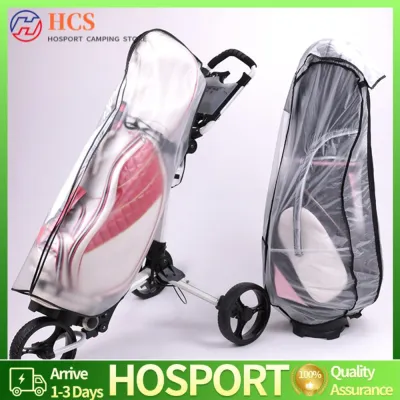
Prices are valid at publication and may change. Please refer to the product page for the latest price.
Unprotected moisture leads to several destructive outcomes for your expensive golf equipment. Clubheads, especially those made of carbon steel or featuring intricate perimeter weighting cavities, can quickly develop rust spots that compromise their appearance and structural integrity. Rubber and synthetic grips degrade, lose their tackiness, and become slick when exposed to persistent dampness, directly affecting your swing control. Furthermore, the dark, enclosed pockets of a golf bag are prime breeding grounds for mold and mildew, which can ruin leather gloves, apparel, and spare accessories.
Evaluating your typical playing habits helps determine the level of protection required for your gear. If you only play during clear forecasts and occasionally encounter a light, passing drizzle, a lightweight, water-resistant cover might suffice. However, if you play year-round, participate in tournaments that continue through wet weather, or frequently ride in open golf carts during the rainy season, you require a heavy-duty, fully waterproof cover that can withstand prolonged, high-volume downpours.
Key Material and Construction Features to Verify
When reviewing product specifications, pay close attention to the fabric type and denier rating, which measures the thickness and density of the individual threads. Look for materials like nylon or polyester that feature a polyurethane or polyvinyl chloride backing. A higher denier rating, such as 200D to 600D, indicates a thicker, more tear-resistant fabric that can withstand the friction of cart straps and trunk transport, though it will be heavier and bulkier to pack.

It is vital to distinguish between water-resistant and waterproof labels on packaging. Water-resistant covers typically rely on a temporary durable water repellent spray coating that causes water to bead up and roll off in light showers but will eventually saturate under continuous pressure. True waterproof covers utilize an impermeable membrane or thick internal coating, often rated by hydrostatic head in millimeters, indicating the height of a water column the fabric can support before leaking.
The fabric itself may be completely waterproof, but water will easily find its way through the tiny needle holes created during the sewing process. To prevent this, inspect the interior seams of the cover before purchasing. High-quality options feature heat-sealed or taped seams, where a waterproof tape is thermally applied over the stitched lines to seal the holes. If the seams are raw and unprotected, water will inevitably seep through and drip directly onto your bag.
Closures are the most common failure points on wet-weather gear. Look for covers equipped with specialized waterproof zippers, which feature a rubberized track that seals shut when zipped. Additionally, a protective storm flap—a strip of waterproof fabric that folds over the zipper line—provides an extra layer of defense against wind-driven rain. Finally, check the bottom of the cover for reinforced drainage grommets; these small, metal-lined holes allow any water that does manage to enter or pool at the base to escape rather than collect around the bottom of your golf bag.
Fit, Design, and On-Course Accessibility
Golf bags are not uniform in shape, and a cover designed for a slim stand bag may not fit over a bulky cart bag or a massive staff bag. Before purchasing, verify the dimensions and intended bag style of the cover. Cart bags require a design that accommodates their wider profile and rear-facing pockets, while stand bags need a cover that can either fit over the extended legs or feature specific zippered openings to allow the stand mechanism to function while covered.
High winds often accompany heavy tropical rain, making secure attachment points essential. A loose cover can act like a sail, blowing off entirely or shifting and exposing your gear to the elements. Look for covers that utilize adjustable drawcords around the collar, heavy-duty elastic hems at the base, and integrated velcro or buckle straps that anchor the cover directly to the bag’s frame or cart structure.
On-course usability is just as important as water resistance. A completely sealed cover makes accessing your clubs difficult during play. Look for designs with dual-zipper configurations that allow you to open only the top portion to pull out a club. Other helpful features include clear PVC windows that let you view your bag tags or pocket contents without opening the cover, and external mesh pockets designed to hold wet towels or umbrellas.
Since you will not need the cover on clear days, it must be easy to store. Evaluate how compactly the cover folds down and whether it includes its own storage pouch. A cover that is too bulky to fit into your bag’s side apparel pocket will likely be left at home, leaving you unprotected when an unexpected storm rolls in. Lightweight polyester covers offer excellent packability, whereas heavy-duty PVC covers provide superior protection but require more storage space.
A Practical Checklist for Shortlisting Options
Manufacturer specifications provide a helpful baseline, but real-world performance often reveals hidden flaws. When browsing online marketplaces or pro shops, look for user reviews that specifically mention long-term durability. Pay attention to complaints regarding seam tape peeling off after a few uses, zipper teeth corroding from humidity, or the fabric tearing near the cart strap attachments.
Because fit is highly dependent on your specific bag model and how many clubs you carry, always verify the retailer’s return or exchange policy before finalizing your purchase. A cover that looks perfect on paper may be too tight to zip over your oversized driver headcover or too loose around your stand mechanism. Ensure you can test the fit at home and return it if it does not provide a snug, protective seal.
While a high-quality waterproof cover might require an upfront investment of ₱1,500 to ₱4,000 or more, compare this cost against the value of the equipment you are protecting. Replacing a single set of rusted shafts or a full set of water-damaged rubber grips can easily cost several times the price of a premium cover. View the cover as an insurance policy for your clubs rather than an unnecessary accessory.
Create a shortlist based on your primary playing style. If you walk the course or use a pushcart, prioritize a lightweight, highly packable cover with quick-access zippers. If you primarily ride in motorized carts, prioritize a heavy-duty, thick-denier cover with reinforced strap pass-throughs and robust storm flaps, as weight and packed size are less critical when the bag is mounted on a vehicle.
Frequently Asked Questions (FAQ)
Can I use a standard rain hood instead of a full bag cover?
A standard rain hood is designed to snap onto the top of your golf bag, primarily protecting your clubheads and the opening of the bag from vertical rainfall. While this is sufficient for light, brief showers, it leaves the entire body of your bag, including the zippered pockets, accessory rings, and carry straps, completely exposed. In heavy, wind-driven rain or when riding on the back of an open golf cart, water will quickly saturate the fabric of your bag, seeping into the pockets and soaking your valuables, spare apparel, and grips from the bottom up. A full-length waterproof cover wraps around the entire bag, providing comprehensive protection from top to bottom.
How should I dry a wet golf bag cover before storing it?
Proper maintenance is crucial for preserving the waterproof integrity of your cover. After a wet round, never fold the damp cover and leave it stuffed inside your golf bag pocket, as this traps moisture, damages the polyurethane coating, and rapidly promotes the growth of mold and mildew. Instead, take the cover home, turn it inside out, and hang it to air-dry in a shaded, well-ventilated area. Avoid exposing the cover to direct, intense sunlight for extended periods, as ultraviolet rays can degrade the synthetic fabrics and weaken the waterproof backing. Additionally, keep the cover away from high-heat sources like clothes dryers or radiators, which can melt the seam tape and crack the protective coatings.
Community discussion
Share your experience or ask a question. Comments are reviewed before publication.