
Finding a reliable running belt bag waterproof enough to survive sudden tropical downpours while keeping your phone completely bounce-free requires looking past generic marketing labels. For runners navigating high-humidity environments, sudden monsoon rains, or intense long-distance training sessions, a phone is not just a communication device; it is a lifeline, a GPS tracker, and a training tool. Standard running belts often fail when subjected to heavy sweat and torrential rain, leaving expensive electronics vulnerable to water damage.
Selecting the right running belt requires balancing three critical pillars: genuine waterproof construction, exact internal compartment dimensions, and a secure strap design that distributes weight evenly. Many products on online marketplaces claim to be waterproof, but they often only offer basic water resistance that fails under a heavy downpour or continuous exposure to body sweat. By understanding how materials, closure systems, and belt structures interact with your specific phone model, you can protect your device and enjoy a completely distraction-free run.
To ensure your phone remains dry and stable, you must match the physical dimensions of your device—including its protective case—to the internal volume of the belt’s pocket. A belt that is too loose allows the phone to bounce and slide, creating a distracting pendulum effect that ruins your running gait. Conversely, a belt that is too tight stretches the seams and zippers, compromising the waterproof seal and risking structural failure. This guide breaks down the technical specifications and design elements you need to evaluate to find the perfect fit for your running style and environment.
Products mentioned in this guide
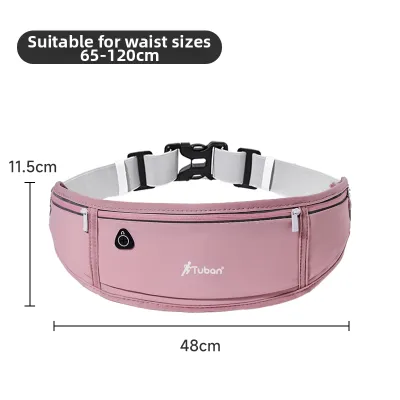
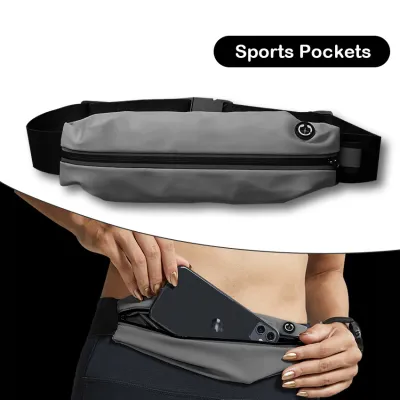
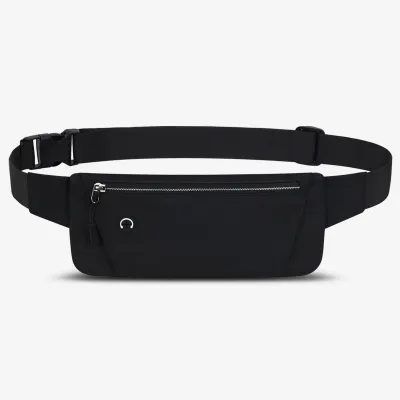
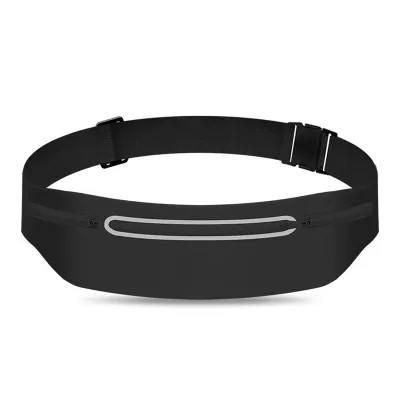
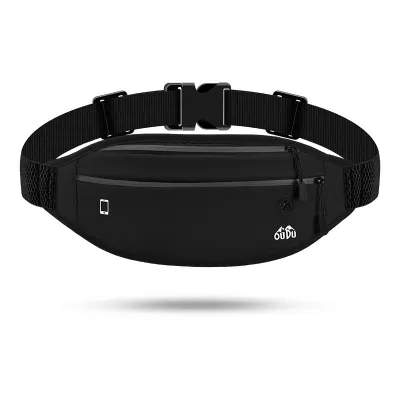
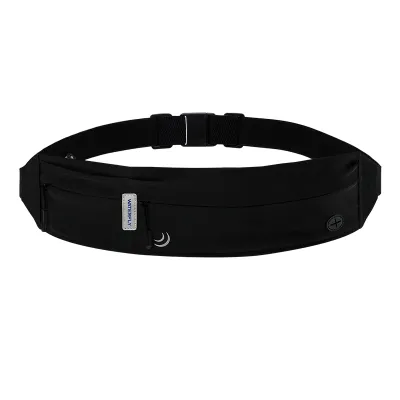
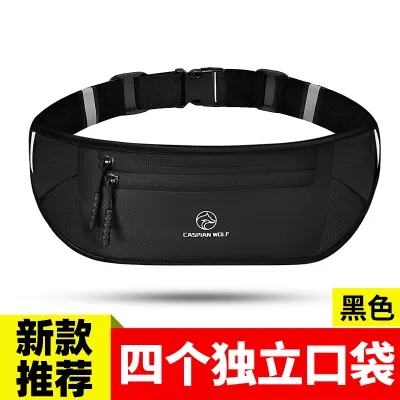
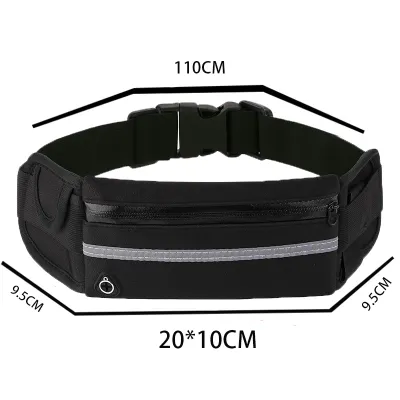
Prices are valid at publication and may change. Please refer to the product page for the latest price.
Decoding "Waterproof" Claims: Finding a True Running Belt Bag Waterproof Construction
To protect your phone from moisture, you must first understand the difference between water-resistant and truly waterproof gear. Many entry-level running belts are made of standard nylon or neoprene treated with a Durable Water Repellent (DWR) coating. While this treatment can shed a light drizzle for a few minutes, it eventually saturates under heavy rain or prolonged contact with sweat. Sweat is particularly insidious; its high salt content can accelerate the degradation of basic water-resistant coatings and corrode standard metal zippers over time.
True waterproof construction relies on impervious materials and advanced manufacturing techniques. Look for belts made from Thermoplastic Polyurethane (TPU) coated fabrics or high-density PVC-free laminates. Instead of being stitched together with needle and thread—which leaves thousands of microscopic holes for water to penetrate—high-quality waterproof bags utilize high-frequency welded seams. These seams use electromagnetic energy to fuse the material panels together at a molecular level, creating a continuous, leak-proof barrier that sweat and rain cannot penetrate.
The closure system is the next critical vulnerability in any running belt bag waterproof design. Standard nylon coil zippers allow water to seep through the teeth almost instantly. To prevent this, premium waterproof belts utilize polyurethane-coated water-resistant zippers, often referred to as AquaGuard zippers, or roll-top closure systems. Roll-top designs, which require you to fold the opening over itself three to four times before securing it with a buckle, offer the highest level of protection against heavy downpours, though they can make accessing your phone on the go slightly more time-consuming.
While fully sealed waterproof materials excel at keeping water out, they also prevent moisture from escaping. This creates a distinct trade-off regarding breathability and comfort. When a completely non-breathable TPU pouch sits directly against your waist in hot, humid conditions, it traps body heat and sweat, leading to skin irritation and localized chafing. To counteract this, high-quality running belts feature a multi-layered back panel. This design typically pairs a waterproof main compartment with a breathable spacer mesh or a perforated foam backing that sits against your skin, allowing airflow and sweat evaporation without compromising the dry chamber holding your phone.
Matching Compartment Dimensions to Your Specific Phone Size
To achieve a secure, bounce-free fit, you must measure your phone accurately before purchasing a belt. Never rely solely on the manufacturer’s advertised screen size (e.g., 6.7 inches), as this measurement only represents the diagonal length of the display, not the physical dimensions of the phone’s body. Furthermore, you must measure your phone while it is inside the protective case you plan to use during your runs. Rugged, shockproof cases or integrated battery packs can easily add 5 to 10 millimeters to a phone’s width and double its thickness, rendering a tight-fitting belt pocket useless.

Using a ruler or digital caliper, record the exact length, width, and depth of your encased phone. When browsing for a running belt, compare these measurements against the pocket’s internal dimensions rather than its external footprint. If a manufacturer only lists external dimensions, assume the internal usable space is at least 5 to 8 millimeters smaller on all sides due to seam allowances and zipper tracks.
The physical properties of the pocket material dictate how it accommodates your phone. Stretch fabrics, such as Lycra or spandex blends, offer excellent flexibility, expanding to hug the contours of various phone sizes. However, when these fabrics are stretched to their absolute limit, their weave opens up, significantly reducing their water resistance and putting immense tension on the zipper. Rigid waterproof materials like TPU laminates do not stretch at all. If your phone is even slightly larger than the specified internal dimensions of a rigid pocket, you will struggle to insert it, and forcing it will eventually split the welded seams or break the zipper teeth.
A poor physical fit directly impacts your running mechanics through the physics of bounce. If the compartment is too large for your phone, the empty space allows the heavy device to slide horizontally and vertically with every stride. This movement creates a shifting center of gravity, causing the belt to sag, ride up your waist, or bounce rhythmically against your lower back or stomach. This constant movement is not only highly distracting but also causes friction against your clothing, leading to severe chafing over long distances.
To prevent internal movement and protect your screen, look for belts that feature dedicated, separate phone sleeves. Stashing your phone in an open main compartment alongside house keys, loose coins, or energy gel packets is a recipe for a scratched screen or a cracked camera lens. A dedicated internal sleeve holds the phone snugly against the back panel of the pouch—closest to your body—while keeping sharp or sticky items isolated in a secondary pocket. This dual-compartment layout stabilizes the heaviest item (the phone) while keeping your essentials organized and easy to reach.
Recommended Belt Designs for Bounce-Free Security
Different running styles, phone weights, and weather conditions require distinct structural designs to minimize bounce and maximize water protection. A casual road runner completing a quick 5K around a local park has different gear requirements than a trail runner tackling a self-supported ultra-marathon in unpredictable mountain weather. Evaluating the three primary design categories will help you select the structure that aligns with your specific training needs.
Tube-Style Flip Belts
Tube-style belts consist of a continuous, elastic band of fabric that pulls on over your feet or head and sits snugly around your hips. These belts typically feature multiple slit openings around the perimeter, allowing you to slide your phone, keys, and cards directly into the internal channel of the band. Once the items are inserted, you flip the entire belt inward against your body to lock the openings closed and secure your gear.
- Pros: Because they lack bulky plastic buckles, adjustment clips, or rigid tensioners, tube-style belts offer an incredibly comfortable, low-profile fit that eliminates localized pressure points and chafing. The continuous elastic construction distributes the weight of your phone 360 degrees around your pelvis, providing some of the best bounce control available for light-to-medium weight items.
- Cons: The vast majority of tube-style belts are constructed from highly breathable, stretchy polyester or nylon blends. While these fabrics excel at wicking sweat away from your skin, they are only water-resistant at best. During heavy rain or high-exertion runs in humid climates, moisture will eventually soak through the fabric and reach your phone. Additionally, because the fabric must stretch to accommodate your gear, inserting extra-large phones with thick, high-friction rubber cases can be a frustrating struggle.
- Best For: Runners carrying small-to-medium phones who prioritize maximum comfort and bounce control, primarily training in dry conditions or light, occasional drizzles.
Zippered Pouch Belts with Wide Bands
This classic design features a distinct, weather-resistant pocket attached to an adjustable waist strap. Modern iterations have upgraded this style by utilizing advanced waterproof materials for the pouch and replacing narrow, elastic cords with wide, heavy-duty webbing straps. The pouch typically sits flat against the small of your back or across your lower abdomen.
- Pros: These belts are highly versatile and can accommodate larger, heavier phone models easily. Because the pouch is a separate structural element, manufacturers can construct it entirely from heavy-duty, fully waterproof TPU fabrics with welded seams and polyurethane-coated zippers without making the entire belt rigid. The zippered opening provides quick, one-handed access to your phone if you need to change your music, check a map, or take an emergency call during a run.
- Cons: The stability of a zippered pouch belt relies heavily on the quality and width of the waist strap. If the strap is too narrow (under 1 inch) or made of cheap, highly elastic material, the concentrated weight of a heavy phone will cause the pouch to sag and bounce vertically. You must wear these belts relatively tight around your waist to prevent movement, which some runners find restrictive or uncomfortable over long distances.
- Best For: Runners carrying large, heavy flagship phones who require absolute waterproof protection in heavy rain and value quick, convenient access to their device.
Hybrid Vest-Belts (Lumbar Packs)
Hybrid vest-belts, often referred to as lumbar packs, bridge the gap between minimalist running belts and full hydration vests. These packs feature a wide, padded lumbar wrap that sits securely on the natural shelf of your lower back, utilizing a combination of wide hook-and-loop closures and secondary compression straps to lock the pack against your hips.
- Pros: Lumbar packs offer unmatched stability and weight distribution for carrying heavy loads. They feature spacious, fully waterproof main compartments that can house a large phone, a lightweight packable rain jacket, nutrition, and even dedicated holsters for soft hydration flasks. By positioning the bulk of the weight directly over your center of gravity on the lower back, these packs virtually eliminate bounce, even when navigating technical, uneven trail terrain.
- Cons: This design is significantly bulkier and heavier than minimalist belts. The wide, padded waist wrap covers a larger surface area of your lower torso, which can trap substantial body heat and feel uncomfortably warm when running in hot, tropical climates. They are also generally more expensive than simpler pouch or tube designs.
- Best For: Trail runners, long-distance marathoners, and self-supported athletes who need to carry a maximum-sized phone alongside hydration, nutrition, and emergency gear over rugged terrain.
Essential Features for Humid Climates and Long-Distance Runs
When running in tropical environments, high humidity and soaring temperatures place unique demands on your gear. A belt that feels comfortable in a cool, dry climate can quickly become a chafing nightmare when saturated with sweat. To ensure long-distance comfort, pay close attention to the materials used on the inner face of the belt—the side that makes direct contact with your body or clothing.
Look for belts that incorporate silicone grip strips or patterned rubber print on the interior lining. These low-profile grip elements create friction against your running shorts or skin, preventing the belt from slowly riding up toward your waist as you run. Additionally, the backing material should feature a high-quality spacer mesh. This three-dimensional knit fabric creates a physical gap between the waterproof pouch and your body, allowing air to circulate and sweat to drain away rather than pooling against your skin.
Safety is another critical consideration, particularly if you schedule your runs during the cooler hours of the early morning or late evening to avoid the midday sun. Running in low-light conditions requires high visibility to protect you from traffic. Opt for running belts that feature integrated 360-degree reflective detailing, high-visibility piping, or reflective zipper tracks. Some modern belts also include dedicated attachment loops for clipping on a small, flashing LED safety light.
Finally, evaluate the belt’s secondary storage options and how they affect overall balance. While your phone is likely the heaviest single item you will carry, you will also need to transport keys, cash, identification, and energy gels. If a belt only features a single, centralized pocket, packing all these items together can make the pouch bulge, putting uneven pressure on your waist and increasing the likelihood of bounce. Belts with modular, symmetrical storage—such as small, secondary key pockets located on the sides of the hips—allow you to distribute the weight evenly around your pelvis, maintaining a balanced center of gravity and a more natural running stride.
Pre-Purchase Checklist: Verifying Fit and Security Before You Run
Before purchasing a running belt or heading out on your first training run, use this step-by-step checklist to verify that the gear will perform reliably and protect your phone:
- Double-Check Official Dimensions: Do not rely on third-party marketplace descriptions, which often copy and paste inaccurate measurements. Visit the official brand website of both your phone case manufacturer and the running belt manufacturer to cross-reference exact physical dimensions down to the millimeter.
- Perform the Case Test: When your new belt arrives, insert your phone while it is inside its daily protective case. The phone should slide into the pocket smoothly without requiring you to stretch the seams excessively or force the zipper track closed. If you have to pull, tug, or strain the zipper fabric to close the pocket, the belt is too small and will likely fail at the seams during a run.
- Conduct the Home Jump Test: Put on the running belt, adjust the straps to your preferred tightness, and place your phone in its designated pocket. Stand in an open space and perform ten vigorous jumping jacks, followed by ten high-knees in place. Pay close attention to any movement: Does the belt slide up toward your belly button? Does the phone bounce heavily against your lower back? If the belt shifts or bounces significantly during this quick test, adjust the strap tension or consider a different style.
- Review the Retailer's Return Policy: Because fit is highly personal and depends on your unique body shape and running gait, ensure you purchase from a retailer that offers a flexible return or exchange policy. Be aware that some e-commerce platforms have strict hygiene and wear policies regarding fitness apparel and gear; ensure you keep all original tags attached and test the fit indoors before taking the belt out for a sweaty outdoor run.
Frequently Asked Questions (FAQ)
Can I swim or submerge my waterproof running belt in water?
No, you should not submerge a standard waterproof running belt in water or use it while swimming unless it carries an explicit IPX8 submersibility rating. Most high-quality running belts are engineered to withstand heavy rain, splashing water, and intense body sweat, which typically aligns with IPX4 to IPX6 water-resistance standards. These ratings mean the bag can easily protect your electronics from high-pressure water sprays and heavy downpours, but they are not designed to withstand the continuous hydrostatic pressure experienced when submerged underwater.
Taking a standard running belt into a swimming pool, lake, or the ocean will almost certainly result in water entering the compartment and damaging your phone. Furthermore, exposure to pool chemicals like chlorine or the highly corrosive salt in ocean water can rapidly degrade the specialized polyurethane coatings, seam tapes, and waterproof zippers that keep the bag sealed. If your outdoor activities involve swimming, river crossings, or paddleboarding, you should instead look for a dedicated, heavy-duty dry bag or a submersible phone pouch specifically certified for underwater use.
Community discussion
Share your experience or ask a question. Comments are reviewed before publication.