
Selecting the right shelter for outdoor adventures in the Philippines requires careful preparation, especially when facing the unpredictable combination of the southwest monsoon (habagat) and sudden tropical depressions. A standard summer shelter will quickly fail under the weight of a tropical downpour, leaving you and your gear completely soaked. To stay safe and dry, you must look for tents for camping waterproof designs that are specifically engineered to handle high-volume rainfall, saturated ground, and strong, shifting winds.
While high-quality gear provides a vital line of defense, equipment alone cannot replace sound outdoor judgment. If a severe weather warning or typhoon signal is active, the safest decision is always to postpone your trip and seek permanent concrete shelter. For standard rainy season camping, however, understanding how to evaluate tent specifications, structural designs, and ventilation systems will help you choose a shelter that keeps the elements at bay.
Decoding Waterproof Ratings for Tropical Downpours
When shopping for tents for camping waterproof capabilities, the most reliable specification to check is the hydrostatic head (HH) rating, which is measured in millimeters (mm). This rating indicates the height of a water column that the fabric can support before moisture begins to penetrate. For example, a fabric rated at 1,500mm can withstand a 1,500-millimeter column of water pressing against it before leaking. In the context of tropical downpours, look for a rainfly with a rating of at least 1,500mm to 3,000mm to ensure reliable protection against heavy, sustained rain.
Products mentioned in this guide
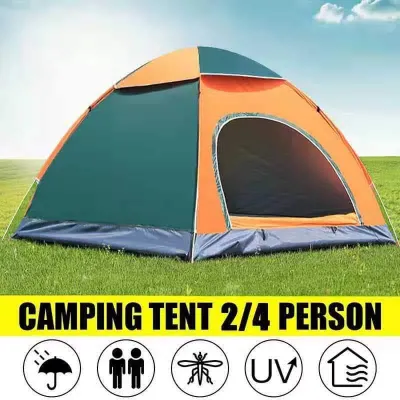
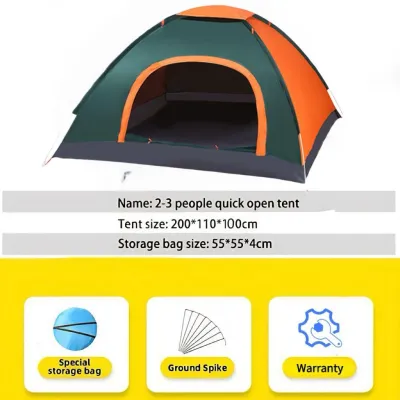

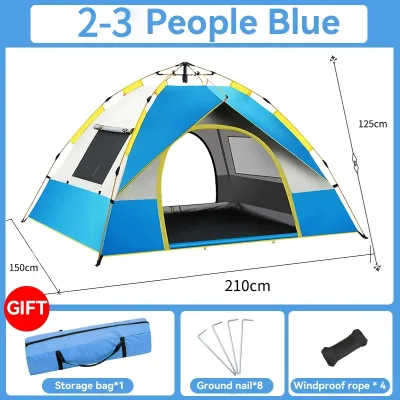
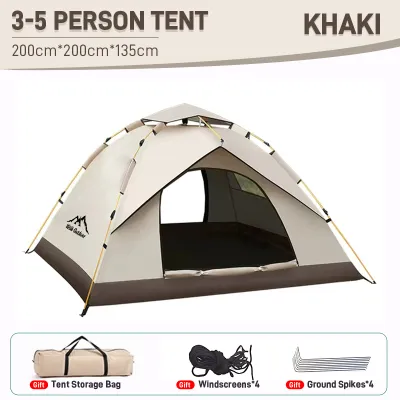
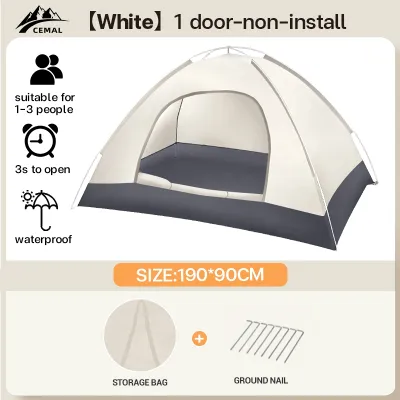
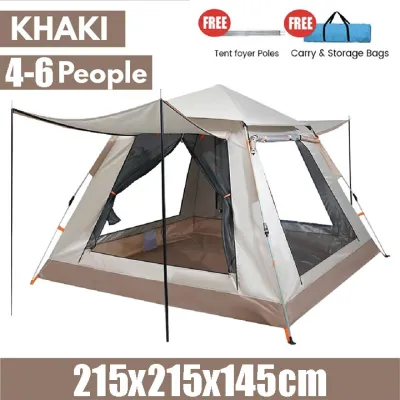
Prices are valid at publication and may change. Please refer to the product page for the latest price.
The waterproof requirements for a tent floor are significantly higher than those for the rainfly. While the rainfly only needs to shed falling water, the floor must withstand the physical pressure of your body weight, sleeping pads, and gear pressing down on saturated, muddy ground. Kneeling or sitting on the tent floor concentrates your weight on a small area, which can easily force water through low-rated fabrics. For this reason, prioritize tents with a floor waterproof rating of 3,000mm to 5,000mm or higher.
Avoid the temptation to blindly pursue the highest possible waterproof rating for the rainfly, such as 10,000mm, unless you are camping in extreme alpine conditions. Extremely heavy polyurethane (PU) coatings can make the fabric stiff, heavy, and highly susceptible to hydrolysis—a chemical breakdown where the coating becomes sticky and peels off when exposed to constant tropical heat and humidity. A balanced rating combined with high-quality fabric construction offers better longevity in tropical climates.
Evaluating Rainfly Design for Wind-Driven Rain
In the Philippines, heavy rain rarely falls straight down; it is almost always accompanied by strong winds that drive water horizontally. A partial-coverage rainfly, which only covers the top portion of the tent and leaves the inner mesh walls exposed, is highly vulnerable to wind-driven rain. For tropical wet seasons, a full-coverage rainfly that extends all the way to the ground is essential to prevent water from spraying under the edges and soaking the inner tent.

When inspecting a tent, examine the distance between the bottom hem of the rainfly and the ground. The fly should sit low enough to block wind-driven spray but maintain a small gap of an inch or two to allow crucial air circulation. Some specialized expedition tents feature mud flaps or sod skirts around the perimeter. These flaps can be weighted down with rocks or soil to redirect surface runoff away from the tent base and prevent wind from lifting the rainfly.
An integrated vestibule is another critical design feature for wet-weather camping. A vestibule is an extension of the rainfly that creates a covered porch area outside the inner tent door. This space allows you to store wet hiking boots, muddy backpacks, and damp clothing safely out of the rain without bringing moisture inside your sleeping quarters. It also prevents rain from falling directly into the dry inner tent when you unzip the door to enter or exit.
Selecting Pole Materials and Shapes for High Winds
To withstand the gusty winds associated with tropical storms, a tent must have a strong, flexible frame. Fiberglass poles are common in budget-friendly tents, but they are heavy, rigid, and prone to splintering or shattering catastrophically under sudden wind loads. Aluminum poles, typically made from high-grade alloys like 7001 or 7075, offer a much better strength-to-weight ratio, flex naturally to absorb wind energy, and are far less likely to snap during a storm.
The aerodynamic shape of the tent plays a massive role in how it sheds wind. Tall, cabin-style tents with flat, vertical walls act like sails, catching the wind and putting immense stress on the poles and fabric. Low-profile dome or geodesic designs, which feature multiple intersecting poles, distribute wind forces evenly across the entire structure. These rounded shapes allow wind to flow over and around the tent, minimizing the risk of structural collapse.
Always check the reinforcement details at the pole connection points and guy line attachment areas. High-quality tents feature reinforced stitching, extra fabric layers, and heavy-duty grommets or clips where the poles interface with the tent body. Guy line attachment points should be sewn directly into the seams of the rainfly, preferably aligned with the underlying pole structure, to distribute tension evenly and prevent the fabric from tearing under high wind loads.
Balancing Waterproofing and Ventilation in High Humidity
One of the greatest challenges of camping in a tropical climate is managing internal condensation. When it rains, the air is highly saturated, and the temperature outside the tent drops. Inside the tent, your body heat and breath release warm, moist air. When this warm, humid air contacts the cooler, waterproof rainfly, it condenses into water droplets, which can drip down and soak your sleeping bag, creating a miserable indoor environment.
To combat this issue, double-wall tents are highly recommended over single-wall models. A double-wall tent consists of a highly breathable inner tent, which is mostly constructed of fine mesh, and a separate waterproof outer rainfly. This design allows warm, moist air to pass freely through the inner mesh wall and condense on the underside of the rainfly, where it can safely run down to the ground without touching your gear.
Effective ventilation requires active airflow, even during a heavy downpour. Look for tents with adjustable roof vents on the rainfly that can be propped open with small kickstands. These vents should be protected by hoods or flaps to prevent rain from entering. This setup creates a chimney effect, drawing cooler air in from the bottom gap of the rainfly and pushing warm, humid air out through the top vents, significantly reducing condensation buildup.
Inspecting Seams and Floor Design for Groundwater Protection
Even if a tent fabric is completely waterproof, water will find its way inside through the tiny needle holes created during the sewing process. When purchasing a tent, verify that all major seams on the rainfly and floor are factory-taped. Factory seam taping involves heat-sealing a waterproof polyurethane tape over the stitched seams. If you are using an older tent or a budget model, you may need to manually apply a liquid polyurethane seam sealer to ensure complete water resistance.
Another critical defense against ground moisture is a bathtub floor design. In a bathtub floor, the heavy-duty waterproof fabric of the floor wraps several inches up the sides of the tent before meeting the wall seams. This elevated seam design ensures that standing water, mud, and surface runoff flowing around your tent cannot seep through the stitched seams, keeping your sleeping area dry even if the ground becomes temporarily flooded.
Using a footprint or groundsheet is highly recommended to protect your tent floor from damage. Sharp rocks, twigs, and rough ground can easily create micro-punctures in the floor fabric, compromising its waterproof integrity. A footprint acts as a sacrificial barrier against abrasion and adds an extra layer of waterproofing. To prevent water from pooling between the footprint and your tent, ensure the footprint is tucked completely under the tent floor and does not extend past the rainfly hem.
Camp Setup and Post-Trip Maintenance in Wet Conditions
Proper campsite selection is your first and most important defense against wet weather. Avoid pitching your tent in low-lying depressions, dry riverbeds, or natural drainage paths where water will naturally pool or flow during a heavy downpour. Look up to inspect the surrounding trees for dead branches that could break and fall in high winds. Whenever possible, choose a slightly elevated, well-drained site with a natural windbreak, such as dense bushes or rock formations.
During setup, take the time to pitch your tent correctly. Secure every guy line and stake them out at a 45-degree angle to ensure maximum holding power in wet, soft soil. Pull the rainfly completely taut; a loose rainfly will flap violently in the wind, pool water in its sagging sections, and press against the inner tent wall, transferring moisture directly inside. Adjust the tensioners regularly, as some fabrics stretch slightly when they become wet.
Proper post-trip maintenance is essential to preserve your tent’s waterproof coatings. Never pack away a wet or damp tent for long-term storage, as the warm, humid tropical climate will promote the growth of mold and mildew within 24 to 48 hours. Once you return home, pitch the tent in a shaded, well-ventilated area to dry completely. Clean off any mud or dirt using a soft sponge and plain water, as harsh detergents can strip away the durable water repellent (DWR) coating. Periodically reapply a spray-on DWR treatment to the exterior of the rainfly to maintain its water-beading performance.
Frequently Asked Questions (FAQ)
Is a 3-season tent sufficient for typhoon season camping?
A high-quality 3-season tent is designed to handle moderate rain, light wind, and summer conditions, but it is not built to withstand the extreme wind speeds and torrential, multi-day downpours of a tropical typhoon. True typhoon-force winds can easily bend or snap aluminum poles and tear lightweight fabrics. If a tropical storm or typhoon warning is issued, you should cancel your camping trip immediately. If you are already in the field and weather conditions deteriorate rapidly, do not rely on your tent; pack up and seek shelter in a solid, permanent concrete building.
How do I test a tent's waterproofness before a trip?
Before heading out into the wild, conduct a thorough inspection and water test at home. First, set up the tent in your yard and perform a visual check of all seams, looking for peeling tape, cracked coatings, or worn fabric. Next, use a garden hose with a spray nozzle set to a gentle shower setting to simulate rainfall. Spray the tent from various angles for 10 to 15 minutes, paying close attention to the seams, zippers, and doors. Step inside the tent to check for any damp spots, dripping water, or pooling on the floor, which will help you identify areas that require seam sealing or patch repairs before your trip.
Community discussion
Share your experience or ask a question. Comments are reviewed before publication.