
Selecting the right running vest is essential for maintaining your pace, staying hydrated, and carrying key safety gear without sacrificing comfort. Your choice depends heavily on where you run. Road runners require minimalist, lightweight, and highly breathable designs to keep them moving fast on paved surfaces. Conversely, trail runners need higher-capacity, durable vests with specialized gear storage to handle self-sufficiency on unpredictable off-road terrain. Finding the ideal running vest for women requires balancing storage capacity, anatomical fit, and safety features tailored to your specific running environment.
Trail vs. Road: How Your Route Dictates Your Vest Requirements
Trail running and road running present vastly different physical demands and logistical realities. When you head out onto dirt paths, mountain trails, or forest tracks, you must navigate uneven terrain, steep elevation changes, and unpredictable weather. Because trails often take you far from urban conveniences, self-sufficiency is mandatory. If you encounter a sudden tropical downpours or minor injuries on a remote trail in Tanay or Benguet, help is not immediately accessible. This environment shifts your gear priority toward higher capacity, rugged durability, and reliable emergency storage.
Road running, by contrast, takes place on predictable, paved surfaces where you can maintain a consistent, high-tempo pace. In metropolitan areas like Bonifacio Global City or Ayala Avenue, water fountains, convenience stores, and external aid are rarely more than a few blocks away. Because your route is predictable and highly accessible, you do not need to carry heavy emergency gear. Instead, your priority shifts toward ultra-lightweight, aerodynamic, and minimalist designs that minimize bulk and wind resistance.
Products mentioned in this guide
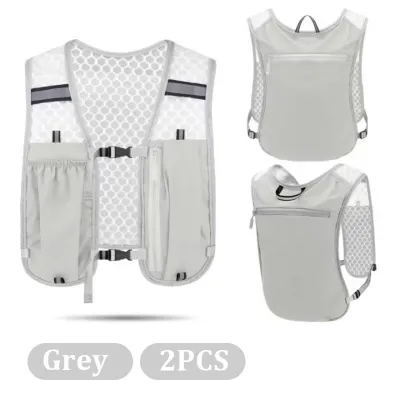

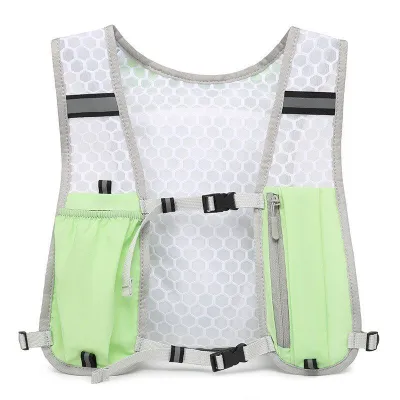
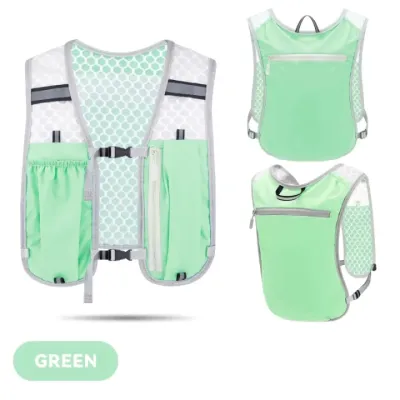
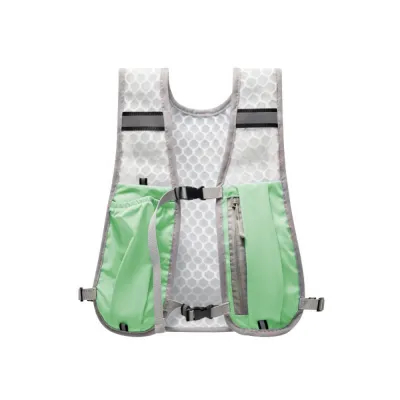
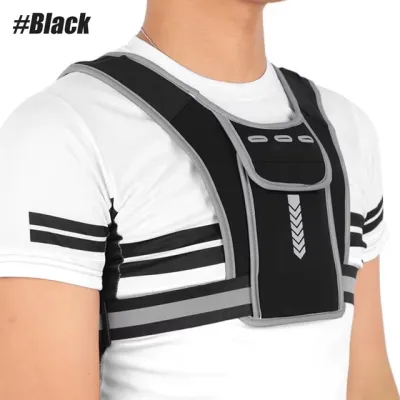
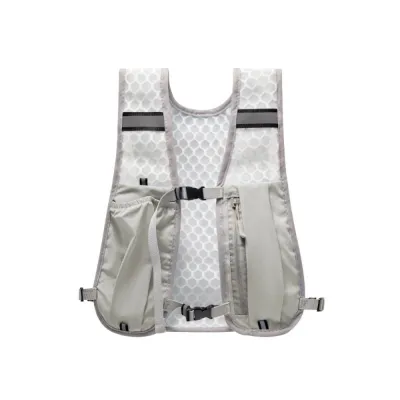
Prices are valid at publication and may change. Please refer to the product page for the latest price.
To build your core decision matrix, evaluate your typical running distance, the expected weather conditions, and the availability of external aid. If your training runs are short, urban, and close to hydration sources, a lightweight road vest is ideal. If you are venturing into remote areas where weather can shift rapidly and water sources are miles apart, a high-capacity trail vest is a safety necessity. Your route dictates your gear requirements, and choosing a vest that matches your environment ensures you remain both safe and comfortable.
Core Features to Compare: Capacity, Stability, and Hydration
To ensure your vest performs well on any run, you must evaluate several technical specifications and design elements. The first is storage capacity, which is typically measured in liters. Vests generally range from ultra-lightweight 2-liter models to heavy-duty 12-liter options. Beyond total volume, consider how that storage is distributed. Front-to-back weight distribution is critical for maintaining your natural center of gravity. Having accessible pockets on the front straps for flasks and nutrition keeps your weight balanced and prevents the vest from pulling backward, which can cause neck and shoulder strain.

Bounce-resistance and stability are paramount when running at a high cadence. Any vertical or lateral movement of your vest wastes energy and quickly leads to painful skin abrasion. Look for robust strap configurations that allow for micro-adjustments. Dual chest straps, elastic bungee cord adjustments, and sliding rail systems help secure the vest flat against your torso. High-quality vests also utilize body-mapping fabrics that stretch and conform to your body shape, ensuring the pack moves with you rather than against you.
Hydration compatibility is another crucial factor to compare. Most modern vests support either front-mounted soft flasks or a rear-mounted hydration bladder, and many accommodate both. Front soft flasks (typically 250ml to 500ml each) offer quick access and are easy to refill at aid stations, allowing you to monitor your fluid intake at a glance. Rear bladders (usually 1.5L to 2L) carry a larger volume of water, which is ideal for long, hot efforts, but they can slosh as they empty and require you to remove the vest to refill them.
In hot and humid tropical climates, breathability and chafing prevention are absolute priorities. High humidity leads to heavy sweating, which increases the risk of friction-induced skin irritation. Look for vests featuring 3D mesh paneling on the back and inner straps; this design lifts the fabric slightly off your skin to maximize airflow. Additionally, check for seamless or bonded edge construction. Rough seams can quickly wear through tech shirts or irritate bare skin during long, high-sweat training sessions.
What to Look for in a Trail Running Vest
When choosing a vest for off-road adventures, safety and self-sufficiency are your primary goals. Many organized trail races enforce a mandatory gear list that runners must carry to participate. Your trail vest must have dedicated, secure compartments to hold items such as an emergency space blanket, a safety whistle, a basic first-aid kit, and a lightweight waterproof jacket to protect against sudden mountain downpours. Having organized, easy-to-reach pockets for these essentials ensures you can access them quickly in an emergency.
Durability is another non-negotiable feature for trail gear. Off-road paths expose your vest to abrasive elements like low-hanging branches, sharp rocks, and thick brush. Look for vests constructed from reinforced fabrics, ripstop nylon, and heavy-duty zippers. These materials resist snagging and tearing, ensuring your gear remains intact even when navigating dense, overgrown trails.
For long-distance trail runs or self-supported ultra-marathons, look for a higher capacity of 5L to 12L+. This volume allows you to pack extra nutrition, additional hydration, and dry layers of clothing. A well-designed trail vest will feature a multi-compartment layout, allowing you to separate wet gear from dry items and organize your supplies so that heavy items sit close to your spine for maximum stability.
Finally, pay attention to specialized attachment systems. If you use trekking poles to navigate steep ascents and descents, your vest should feature secure bungee loops, dedicated pole sleeves, or front-mounting systems. These attachments keep your poles stable and bounce-free when not in use, allowing you to stow or deploy them on the go without needing to stop and take off your vest.
What to Look for in a Road Running Vest
On paved surfaces and urban routes, speed, efficiency, and minimal weight are your top priorities. A road running vest should feature a minimalist profile, typically offering a capacity of 2L to 5L. This compact size provides just enough space for your absolute essentials: a smartphone, house keys, a few energy gels, and a single soft flask. By eliminating unnecessary fabric and pockets, a minimalist vest keeps you feeling light and aerodynamic.
Visibility and safety are critical when running on shared roads, especially during early morning, evening, or night training sessions. Look for road vests that incorporate highly reflective elements on both the front and back panels. Bright, high-visibility colors and dedicated attachment loops for clipping on small safety lights are excellent features that help make you visible to motorists, cyclists, and other pedestrians in low-light conditions.
An effective road vest should also feature a streamlined fit with a low-profile back panel. Because road runners maintain an upright, consistent posture, a bulky back compartment can cause unnecessary heat buildup and drag. A flat, breathable back panel allows heat to escape quickly, keeping your core temperature down when running under the direct sun on exposed asphalt roads.
Quick-access pockets are another essential feature for road running. You want to be able to grab an energy gel, check your running watch metrics, or access your phone without breaking your stride or rhythm. Secure, bounce-free front pockets made of stretchy mesh are ideal for this, allowing you to retrieve and store items quickly and efficiently while maintaining your target pace.
Sizing and Fit: Choosing a Running Vest for Women
Finding a high-performing running vest for women requires focusing on anatomical design and precise sizing. Standard unisex vests are often patterned on male proportions, which can lead to a poor fit, excessive bouncing, and painful chafing for female runners. Women-specific running vests are contoured differently, featuring curved shoulder straps that sweep outward to sit comfortably around the bust rather than compressing it directly. They also feature a shorter overall torso length, which prevents the bottom of the vest from riding up or rubbing against the lower back and hips.
Strap adjustability is another critical factor for achieving a secure, custom fit. A women-specific vest should offer multi-point micro-adjustments, such as sliding sternum straps that can be raised or lowered to clear the chest area comfortably. Side-tension pulls or adjustable elastic side laces are also highly beneficial, as they allow you to tighten or loosen the vest to accommodate different styles and thicknesses of sports bras or seasonal apparel.
Chafing hotspots are common areas of frustration, particularly around the underarms, collarbones, and inner neckline. When selecting a vest, pay close attention to the edge construction in these high-friction zones. Look for vests with soft, bound edges, laser-cut hems, or plush, moisture-wicking fabrics that minimize friction against your skin. Testing the vest over your preferred running tank top or sports bra can help you identify potential rub points before you head out on a long run.
To ensure a perfect fit, never rely solely on your standard t-shirt size. Brands use different sizing metrics, and a proper fit is essential for bounce-free performance. Use a flexible measuring tape to measure your chest circumference at the widest point, as well as your torso length from the base of your neck to your natural waist. Cross-reference these precise measurements with the manufacturer’s specific sizing chart to select the correct size.
Cross-Scene Compatibility: Can One Vest Handle Both Terrains?
If you split your training between road and trail, you might wonder if you need to buy two separate vests. For many runners, a versatile hybrid vest is an excellent, cost-effective solution. The sweet spot for a cross-scene vest is a capacity of 5L to 8L. Many of these mid-sized models feature compression straps or modular pockets that allow you to compress the vest flat for quick road runs or expand it to its full volume when you need to pack extra gear for a weekend trail adventure.
However, opting for a single hybrid vest does come with trade-offs. A hybrid vest will naturally be slightly heavier and bulkier than a dedicated, featherweight road vest, which might feel warm during high-intensity road workouts. On the other hand, it may lack the heavy-duty durability, specialized pole attachments, and extreme storage capacity required for highly technical or multi-day trail ultra-marathons.
To decide whether to invest in one or two vests, consider your budget, training focus, and racing goals. If you are a casual runner or on a budget, a single, highly adjustable hybrid vest priced in the mid-range (typically ₱3,500 to ₱6,000) will serve you incredibly well across both terrains. However, if you are training competitively—such as aiming for a personal record in a road marathon while also tackling rugged mountain ultras—investing in two specialized vests (a ultra-light road model and a durable, high-capacity trail pack) is the best way to optimize your comfort, safety, and performance.
Frequently Asked Questions (FAQ)
How do I wash a running vest without ruining the elastic?
To preserve the elasticity of the straps, bungee cords, and mesh fabrics, hand-wash your running vest in cold water using a mild, technical detergent. If you prefer to use a washing machine, place the vest inside a mesh laundry bag to prevent the straps from tangling, and run it on a gentle, cold-water cycle. Always avoid using fabric softeners or bleach, as these chemicals degrade technical fibers and ruin elastic stretch. Once washed, hang the vest to air dry in a shaded, well-ventilated area, as direct, intense sunlight can break down synthetic materials over time.
Should I size up if I plan to wear a thick jacket underneath in winter?
When selecting your vest size, consider your typical running environment and layering habits. While tropical lowlands require minimal clothing, high-altitude trail runs or mountain climbs can get surprisingly cold, requiring you to wear windbreakers or thermal layers. Most high-quality running vests feature adjustable chest and side straps that can expand to accommodate light layers without requiring a larger size. However, if you frequently train in cold climates and plan to wear thick, insulated jackets underneath your vest, sizing up is highly recommended to prevent restricted breathing and painful chafing around your chest and shoulders.
Community discussion
Share your experience or ask a question. Comments are reviewed before publication.