
Finding a walking treadmill that complements a home office in the Philippines requires looking beyond standard gym equipment. Traditional treadmills, with their bulky black plastic and industrial steel frames, often clash with the carefully curated aesthetics of a modern workspace. A wood-finish walking treadmill—whether featuring real wood accents, bamboo decks, or high-quality wood-grain laminates—offers a sophisticated alternative that blends seamlessly with wooden desks and minimalist interiors. However, because these specialized fitness machines are a significant investment, you must carefully evaluate their mechanical specifications, spatial requirements, and maintenance needs to ensure they perform reliably in a tropical climate.
Understanding Wood-Finish Treadmills for Office Environments
Traditional gym equipment is designed for commercial spaces where utility overrides design. In a home office, especially in urban Philippine condominiums or suburban homes where space is shared, visual clutter can increase mental fatigue. Biophilic design principles suggest that incorporating natural textures, such as wood grain, can lower stress levels and improve focus. A wood-finish walking treadmill acts more like a piece of functional furniture than a piece of exercise machinery, helping to maintain a warm and inviting atmosphere.
These specialized machines are designed specifically for low-speed, continuous movement (typically between 1.0 and 6.0 kilometers per hour) rather than high-intensity running. This makes them an ideal companion for a standing desk, allowing you to accumulate steps during long virtual meetings or administrative tasks without disrupting your professional environment. By choosing a model with a wood-grain panel, bamboo deck, or laminated surface, you can prioritize your physical health without sacrificing the visual harmony of your workspace.
Products mentioned in this guide
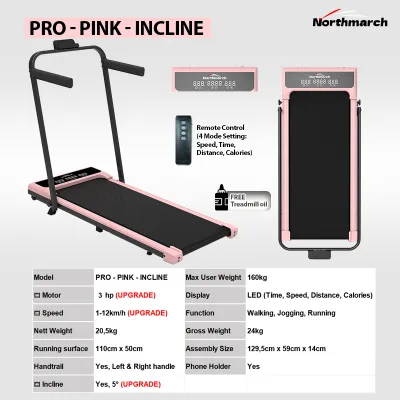
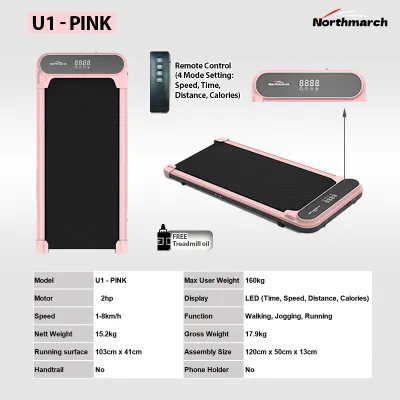
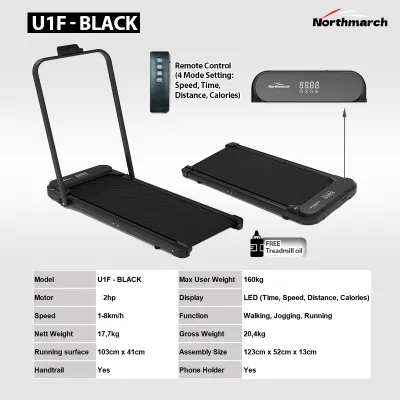
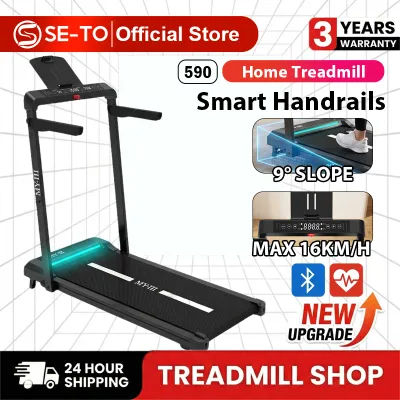
Prices are valid at publication and may change. Please refer to the product page for the latest price.
Core Specifications to Check Before Buying
When evaluating wood-finish walking treadmills, mechanical reliability must accompany aesthetic appeal. The first specification to verify is the motor capacity, specifically looking for Continuous Duty Horsepower (CHP) rather than Peak Horsepower (PHP). A motor with 1.5 to 2.25 CHP is generally suitable for walking, as it can handle sustained low speeds without overheating. Underpowered motors often struggle with the continuous friction of a walking stride, leading to premature wear.

Next, check the manufacturer’s rated weight capacity limits. A higher weight capacity, such as 100 kg to 120 kg, typically indicates a more robust internal frame and a thicker deck, which translates to better durability and less flexing during use. It is always advisable to choose a machine with a weight capacity that exceeds your actual weight by a comfortable margin to ensure structural integrity over years of daily use.
The dimensions of the running belt are also critical for safety and comfort. For walking, a belt width of at least 40 centimeters and a length of 100 to 120 centimeters is generally sufficient to accommodate a natural stride. If the belt is too narrow, you may find yourself constantly adjusting your footing, which can distract you from your work and increase the risk of missteps.
Finally, consider noise levels and vibration dampening, which are crucial for maintaining a quiet office environment. Look for models that specify noise levels below 50 decibels during operation. Multi-layered belts and shock-absorption systems not only protect your joints but also dampen the vibrations that travel through your floor, preventing noise from disrupting your household or downstairs neighbors.
Evaluating Desk Compatibility and Space Requirements
Before purchasing an under-desk treadmill, you must ensure it fits physically within your existing workspace. Start by measuring the step-up height of the treadmill deck, which typically ranges from 10 to 15 centimeters. You must add this height to your own height to ensure you have adequate head clearance under your ceiling. Furthermore, compare this combined height with the maximum height adjustment of your standing desk to ensure you can maintain an ergonomic typing position.
Assess the footprint of the unit and how it will be stored when not in use. Many under-desk treadmills are designed to lie flat and can be rolled under a bed or sofa using built-in transport wheels. Some models offer vertical folding mechanisms that allow them to stand upright against a wall. Ensure the unit’s weight, which often ranges from 20 to 40 kilograms, is manageable for you to move daily, especially if you need to transition between sitting and walking frequently.
Ergonomic alignment is vital to prevent physical strain while working. Your monitor should remain at eye level, and your elbows should form a 90-degree angle when resting on the desk. Because the treadmill raises your standing height, you will need to adjust your monitor arms and keyboard tray accordingly. Proper alignment helps prevent neck strain, shoulder tension, and wrist fatigue during extended working sessions.
Building Your Candidate List: Where to Look and What to Verify
Since wood-finish treadmills are a niche category, finding them requires a structured approach to sourcing and verification. Start by identifying reliable retail channels, including official brand websites, authorized fitness equipment dealers in major metropolitan areas, and reputable online marketplaces. Avoid purchasing from unverified third-party sellers who cannot provide clear documentation or proof of authorization. While prices can vary significantly, expect to budget anywhere from ₱15,000 to ₱45,000 for a high-quality under-desk walking treadmill, depending on the materials and motor specifications.
Verify the seller’s credentials and the specific warranty terms offered for the treadmill. A reliable warranty should cover the motor for at least one to two years and the frame for a longer period. Be cautious of sellers offering vague warranty terms or those who do not provide local contact details. It is also important to review the return policies for bulky items, as shipping a heavy treadmill back to a seller can be exceptionally costly.
Cross-reference user reviews across multiple platforms, focusing on the long-term durability of the wood-finish surface and the responsiveness of customer service. Look for feedback from buyers who have used the machine for several months to identify any recurring mechanical or structural issues. Pay close attention to how the manufacturer handles warranty claims and whether they provide clear instructions for troubleshooting.
Finally, check for local after-sales support and assembly services within the Philippines. Having access to a local service center or authorized technicians who can perform routine maintenance or repairs is invaluable. This ensures that if your treadmill requires replacement parts or professional servicing, you will not be left with an unusable machine due to shipping delays or lack of local expertise.
Maintaining the Wood Aesthetic and Treadmill Mechanics
The tropical climate in the Philippines, characterized by high humidity and warm temperatures, requires diligent maintenance to preserve both the wood aesthetic and the mechanical components of your treadmill. Sweat contains salt and moisture, which can corrode metal parts and warp or discolor wood-grain finishes. Wipe down the treadmill deck and frame after every use with a dry or slightly damp microfiber cloth, avoiding harsh chemical cleaners that can damage the protective laminate.
Regular belt alignment and lubrication are essential to reduce friction between the belt and the deck, which protects the motor from overheating. Check the manufacturer’s instructions for the correct lubrication schedule, which is typically every three to six months, or after every 100 hours of use. Use only 100% silicone lubricant, applying it evenly under both sides of the belt according to the specified guidelines.
Periodically inspect the walking deck for signs of wear, such as cracking, splintering (if using real wood), or peeling of the laminate. Ensure the belt remains centered; if it drifts to one side, use the adjustment bolts at the rear of the treadmill to realign it. Keeping the belt properly tensioned and centered prevents premature wear on the edges of the belt and ensures a smooth walking experience.
If you notice unusual grinding noises, a burning smell, or if the belt slips or jerks during use, stop using the treadmill immediately. Unplug the unit from the wall outlet and contact the manufacturer or a qualified technician to inspect the electrical and mechanical components. Continuing to use a malfunctioning treadmill can cause irreversible damage to the motor or pose a safety hazard.
Frequently Asked Questions (FAQ)
Can I use a standing desk converter on top of a walking treadmill?
Using a standing desk converter on top of a standard desk while walking on a treadmill is generally not recommended due to stability risks. These converters often have a limited surface area and can wobble when subjected to the continuous, subtle vibrations of walking. This instability can cause your monitor to shake, increasing eye strain, and poses a risk of your laptop or accessories falling off. Instead, it is highly recommended to use a fully integrated, motorized standing desk that offers a stable, wide work surface and can be adjusted to the precise height required for safe walking ergonomics.
Do wood-finish treadmills require special floor protection?
Yes, placing a walking treadmill directly on your home office floor can lead to damage over time. The weight of the machine, combined with the impact of your steps, can scratch hardwood, crack ceramic tiles, or leave permanent indentations in carpets. To prevent this, place a high-density, non-slip equipment mat underneath the treadmill. In the Philippines, where many homes feature tile or polished concrete floors, a rubber or dense foam mat also helps absorb vibrations, reduces operational noise, and prevents the treadmill from sliding during use.
Is it safe to walk on the treadmill while on a video call?
Walking during a video call is safe and feasible, provided you take a few precautions to maintain a professional presence. Keep your speed low, ideally between 1.5 and 2.5 kilometers per hour, to minimize upper body movement and prevent heavy breathing. Use a high-quality noise-canceling microphone or headset to filter out the low hum of the treadmill motor and the sound of your footsteps. Additionally, ensure your camera is mounted on a stable desk rather than the treadmill itself to avoid a shaky video feed that could distract other meeting participants.

Community discussion
Share your experience or ask a question. Comments are reviewed before publication.