
Selecting the perfect yoga foam roller requires balancing your personal experience level with your muscle sensitivity. If you are a beginner or have highly sensitive muscles, a soft, smooth, full-length roller is the safest and most effective choice. For intermediate practitioners, a medium-density roller offers a versatile balance of comfort and deep tissue release. Advanced yogis with high pain tolerance will benefit most from a firm, textured roller to target deep fascia and add stability challenges to dynamic poses. Matching the roller’s characteristics to your body prevents injury and ensures your recovery sessions support your yoga practice.
Using a yoga foam roller—often referred to as self-myofascial release (SMR)—helps restore tissue elasticity, improve joint range of motion, and accelerate recovery after intense vinyasa or power yoga sessions. However, choosing an unsuitable model can lead to unnecessary pain, muscle tensing, or even bruising. In the tropical climate of the Philippines, where high humidity and heat can affect both your physical comfort and the durability of your gear, selecting the right material and design is especially critical. By understanding how density, size, surface texture, and safety guidelines interact, you can confidently choose a tool that enhances your wellness journey.
How Density Matches Your Muscle Sensitivity
The density of a yoga foam roller is the single most important factor determining how the tool feels against your body and how deeply it penetrates your muscle tissue. Roller density generally falls into three main categories: soft (low-density), medium, and firm (high-density). Soft rollers have significant give when pressed, cushioning sensitive tissues. Medium rollers offer a balanced compromise, yielding slightly under pressure while maintaining structural integrity. Firm rollers, often made from expanded polypropylene (EPP) or featuring a rigid hollow core, offer virtually no sink, delivering intense, concentrated pressure directly to the muscles.
Products mentioned in this guide
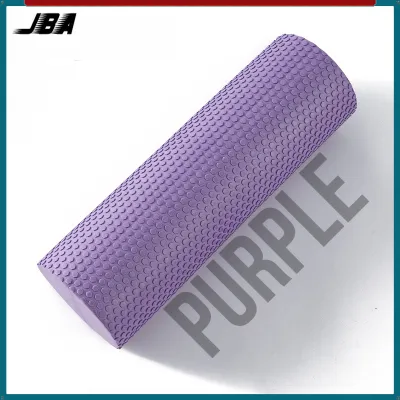
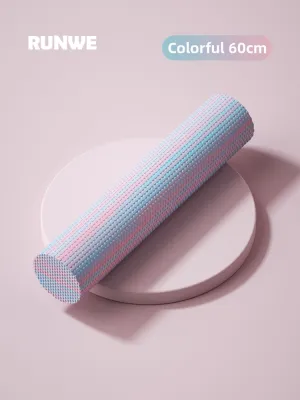
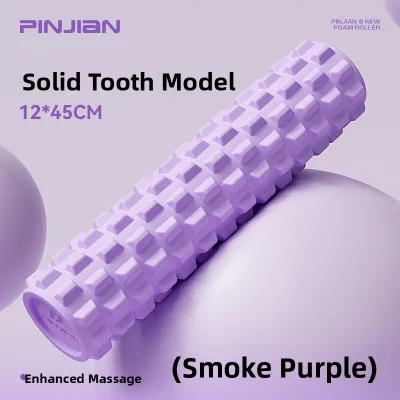
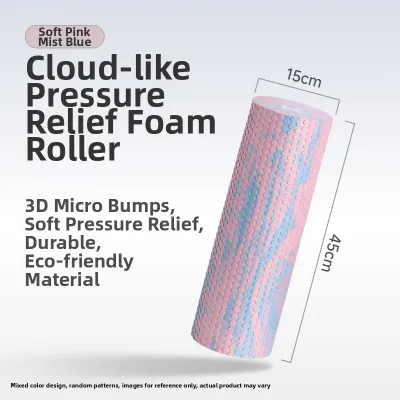
Prices are valid at publication and may change. Please refer to the product page for the latest price.
Your personal muscle sensitivity and pain tolerance should dictate the density you choose, rather than an arbitrary desire for deep tissue work. A common misconception among fitness and yoga enthusiasts is that “more pain equals better results.” In reality, when a foam roller causes excessive, sharp pain, your body reacts defensively. The nervous system triggers a protective mechanism known as muscle guarding, causing the targeted muscles to contract and tense up. This contraction defeats the entire purpose of myofascial release, which relies on muscle relaxation to allow the fascia—the connective tissue wrapping around your muscles—to stretch and release.
To accurately assess your own sensitivity, reflect on how your body responds to other forms of physical pressure. Consider your reaction to a deep tissue massage; if you find yourself flinching, holding your breath, or asking the therapist to lighten their pressure, your muscle sensitivity is likely high, making a soft roller the logical starting point. Conversely, if you routinely enjoy intense, deep-pressure bodywork without discomfort, your tissues can likely handle a medium or firm roller.
You should also factor in your current level of muscle soreness from your yoga practice. If you primarily practice gentle hatha, yin, or restorative yoga, your muscles may not require aggressive rolling, and a soft to medium density will provide a soothing, therapeutic experience. However, if you regularly engage in physically demanding power yoga, arm balances, or inversion-heavy practices that leave your muscles deeply fatigued and tight, a medium-density roller can help address moderate soreness without overwhelming your nervous system.
In the humid Philippine climate, material choice linked to density also plays a practical role. Low-density open-cell foam rollers tend to absorb sweat and moisture rapidly, which can lead to unpleasant odors and material degradation over time. When selecting a soft or medium roller, look for high-quality, closed-cell ethylene-vinyl acetate (EVA) foam. Closed-cell EVA resists moisture absorption, making it easier to wipe down with a damp cloth and mild soap after a sweaty practice session in a non-air-conditioned room or local studio.
Choosing the Right Size and Length for Your Yoga Foam Roller Routine
Foam rollers come in several standard lengths, usually ranging from 12 inches (approximately 30 cm) to 36 inches (approximately 90 cm). Choosing the right length depends on how you plan to integrate the roller into your yoga poses, your physical height, and your storage and transportation needs. A full-length, 36-inch roller is highly versatile for home-based yoga routines. Its generous length allows you to lie down with your entire spine supported from your head to your tailbone, making it an excellent prop for chest-opening postures, spinal alignment exercises, and gentle back-rolling.

Full-length rollers also provide a stable, wide base of support when used as a substitute for a traditional yoga bolster in restorative poses. For example, placing a long roller under your knees during Savasana can relieve lower back tension, while placing it horizontally under your shoulder blades can facilitate a passive heart opener. The primary trade-off of a 36-inch roller is its bulkiness. If you live in a compact condominium in Metro Manila or frequently commute to a yoga studio via public transit or ride-sharing services, transporting a full-length roller can be highly impractical.
Shorter rollers, typically measuring 12 to 18 inches, are designed with portability and targeted muscle work in mind. These compact options fit easily into a standard gym bag or backpack, making them ideal for yogis who prefer to roll out before or after a class at their local studio. Shorter rollers are highly maneuverable and exceptionally effective for isolating smaller muscle groups, such as the calves, hamstrings, glutes, and arms. However, they cannot support your entire spine vertically, which limits their usefulness for full-body alignment exercises and certain passive restorative poses.
Diameter is another crucial physical dimension to consider, with most standard rollers measuring 6 inches in diameter, while travel-friendly or low-profile models measure around 3 to 4 inches. A standard 6-inch diameter roller sits higher off the ground, providing a stable platform for beginners who are still developing their balance and core strength. This height makes it easier to transition onto and off the roller during basic myofascial release sequences.
Smaller-diameter rollers keep you closer to the floor, which can feel less intimidating for individuals with mobility limitations. However, because they have a smaller surface area in contact with the ground, they can introduce an intentional balance challenge when integrated into dynamic yoga flows. Advanced practitioners often use smaller-diameter rollers under their hands or feet during plank variations, push-ups, or bridge poses to engage stabilizer muscles and challenge their core strength.
Smooth vs. Textured Surfaces: Which is Right for You?
The surface texture of a yoga foam roller significantly influences the distribution and intensity of the pressure applied to your body. Smooth foam rollers feature a uniform, flat surface that distributes your body weight evenly across the entire contact area. This even distribution results in a predictable, gentle compression that is highly effective for flushing out metabolic waste from large muscle groups and promoting overall circulation. For beginners, individuals with highly sensitive muscles, or those recovering from a strenuous yoga session, a smooth surface is generally the safest and most comfortable option.
Smooth rollers minimize the risk of localized bruising, skin irritation, and excessive discomfort, allowing you to focus on maintaining deep, steady yogic breathing while rolling. This steady breathing is essential for activating the parasympathetic nervous system, which promotes muscle relaxation and recovery. If your primary goal is gentle recovery, stress relief, or preparing your body for a restorative yoga session, a smooth surface will serve you exceptionally well.
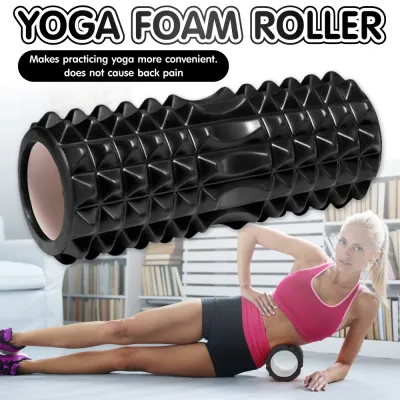
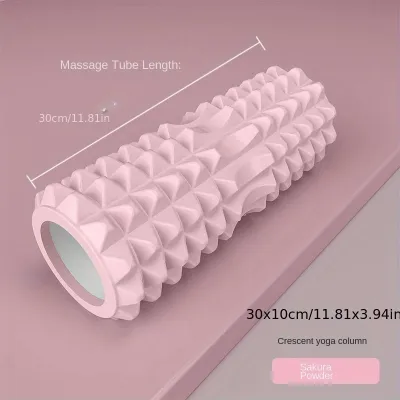
Textured rollers, often referred to as grid or matrix rollers, feature various patterns of ridges, bumps, and grooves carved into the foam. These designs are engineered to mimic the hands of a massage therapist, with flat zones simulating the palms, tubular zones mimicking the fingers, and high, firm bumps acting like thumbs or fingertips. This variation in texture allows for highly targeted trigger point therapy, penetrating deeper layers of muscle tissue to break up stubborn knots and fascial adhesions.
While textured rollers are highly effective for addressing chronic tightness and specific trigger points, they apply highly concentrated pressure that can feel intense or even painful. If you have sensitive skin or highly tender muscles, a heavily textured roller can cause localized bruising or trigger muscle guarding. Therefore, transitioning to a textured surface should be a gradual process. You should only make the switch once you have built up a solid foundation of pain tolerance using a smooth roller, and when your body requires deeper, more precise tissue work to recover from intense, physically demanding yoga practices.
Which Yoga Foam Roller Type Fits Your Experience Level?
To make a confident purchasing decision, it is helpful to synthesize density, size, and surface texture into a single profile that matches your specific experience level and yoga routine. Choosing a roller that aligns with your current physical capabilities ensures a safe, productive, and enjoyable recovery practice.
For Beginners and Highly Sensitive Muscles
If you are completely new to self-myofascial release, have a low pain tolerance, or possess highly sensitive muscles, your primary goal is to find a gentle, forgiving tool. The ideal configuration for this profile is a soft, low-density, smooth-surfaced foam roller. This combination allows you to learn proper rolling techniques, control your body weight distribution, and explore different movements without causing excessive pain or bruising.
A standard 6-inch diameter and a medium length of 18 to 24 inches are highly recommended for beginners. This size provides excellent stability, reducing the risk of slipping off the roller while you find your balance. This configuration also serves as a supportive prop in beginner-friendly yoga poses, helping you modify postures safely. Look for rollers made from high-quality EVA foam, which offers a comfortable, cushioned feel while maintaining its shape over time. Expect to invest between ₱400 and ₱800 for a durable, beginner-friendly roller in the local market.
For Intermediate Practitioners with Moderate Sensitivity
Intermediate practitioners who practice yoga regularly and have some experience with self-myofascial release generally require a more versatile tool. A medium-density foam roller is the perfect middle ground, offering sufficient structural support to act as a yoga prop while delivering enough firm pressure to effectively release moderate muscle tension.
At this stage, you can benefit from a roller that features a dual-surface design—such as a model with a smooth section on one side and a mild, low-profile grid pattern on the other. This versatility allows you to use the smooth side for general warm-ups and full-body flushing, and the textured side for targeted recovery on tighter areas like the calves or upper back after a challenging class. A standard 36-inch length is ideal for home use, providing full spinal support, while an additional 12-inch travel-sized roller can be kept in your bag for studio classes. High-quality medium-density rollers typically range from ₱800 to ₱1,500.
For Advanced Practitioners with Low Sensitivity
Advanced yoga practitioners, athletes, and individuals with highly developed pain tolerance require a roller that can withstand heavy use and deliver deep, targeted pressure. For this profile, a firm, high-density, heavily textured roller is the most effective choice. These rollers often feature a rigid hollow core wrapped in a thin layer of firm EVA foam, ensuring the roller will not deform or lose its shape even under heavy body weight or intense daily use.
The pronounced ridges and knobs on these rollers are designed to penetrate deep into dense muscle groups, such as the glutes, piriformis, and outer thighs, which can become incredibly tight from advanced yoga postures and arm balances. Furthermore, advanced practitioners can use smaller-diameter, firm rollers to introduce a deliberate stability challenge into their dynamic yoga flows. Placing a firm, rolling surface under your hands during a plank or under your feet during a bridge pose forces your deep core and stabilizer muscles to work harder to maintain balance. Professional-grade, high-density rollers of this caliber generally range from ₱1,500 to ₱2,500+.
Crucial Safety Rules and Areas to Avoid When Rolling
While using a yoga foam roller is generally a safe and highly effective practice, it is a powerful therapeutic tool that must be used with caution. Certain anatomical structures are highly vulnerable to injury and should never be rolled directly. The most critical area to avoid is your lower back (the lumbar spine). Unlike your upper back (the thoracic spine), which is supported and protected by your rib cage, your lower back lacks this structural protection. Rolling your lumbar spine directly can force your vertebrae into hyperextension, putting dangerous pressure on your spinal discs and potentially pinching delicate nerves.
You must also avoid rolling directly over your neck (the cervical spine), your joints (such as the knees, elbows, and ankles), and any prominent bony areas like the hip bones or kneecaps. Rolling directly over a joint can cause joint inflammation, strain delicate ligaments, and compress superficial nerves. For example, if you experience tightness along the side of your thigh, do not roll directly over the hard bone of your hip or the side of your knee joint. Instead, focus your rolling on the fleshy muscle bellies of your quadriceps, glutes, and tensor fasciae latae to safely release the tension.
It is equally important to distinguish between acceptable discomfort and clear warning signs that indicate you must stop immediately. When rolling tight muscles, you will likely experience a dull, aching sensation often described as a “good hurt” or mild tenderness. This is a normal response to pressure on tight tissues. However, if you experience sharp, stabbing pain, numbness, tingling, or shooting sensations down your limbs, these are critical stop signals. These sensations indicate that you are compressing a nerve or putting excessive stress on an injured structure. If any of these symptoms occur, stop rolling immediately and gently roll off the tool.
Before incorporating a foam roller into your routine, always check the manufacturer’s care and safety instructions for both the roller and any yoga mat or gear you are using. If you have pre-existing spinal conditions (such as herniated discs or sciatica), acute injuries, chronic pain syndromes, or are pregnant, consult a physical therapist, qualified yoga instructor, or healthcare professional before proceeding. A foam roller is a fantastic tool for active recovery and general wellness, but it is not a substitute for professional medical diagnosis, physical therapy, or targeted medical treatment.
Frequently Asked Questions (FAQ)
Can I use a foam roller every day for yoga recovery?
Yes, you can safely use a foam roller every day for yoga recovery, provided you adjust the intensity and duration of your sessions to match your body’s daily needs. Light, gentle rolling for 5 to 10 minutes can be done daily as part of your warm-up to increase local blood flow and joint mobility, or as a cool-down to promote relaxation and soothe tired muscles. This gentle approach is highly beneficial for maintaining tissue elasticity and supporting your daily yoga practice.
However, you must avoid aggressive, deep-tissue rolling on the same muscle groups on consecutive days. Deep, intense rolling creates micro-trauma in the muscle fibers and fascia, similar to the effects of a deep tissue massage. Your tissues require adequate time—typically 24 to 48 hours—to repair, adapt, and heal. If you roll the same sore spots with high pressure every single day, you risk causing localized inflammation, bruising, and chronic muscle soreness. Always listen to your body, and if a specific muscle group feels tender or bruised, skip rolling that area for a day or two.
Is a longer foam roller always better for yoga?
A longer foam roller is not universally better for yoga; rather, the ideal length depends entirely on your specific space, portability needs, and recovery goals. A full-length, 36-inch roller is highly superior for home-based practices where you want to perform full spinal alignment exercises, lie vertically along the roller, or use it as a stable bolster replacement for passive chest openers. If you have the dedicated space at home to store a larger roller and primarily practice in your living room, a 36-inch model is an excellent investment.
However, long rollers have distinct drawbacks. They are highly cumbersome to store in small apartments or condominiums, difficult to pack for travel, and impractical to carry on a commute to a local yoga studio. Additionally, a long roller can be awkward to maneuver when you are trying to target small, specific muscle groups like your calves, forearms, or single-leg IT band areas. For these targeted applications and for yogis on the go, a shorter 12-to-18-inch roller is a much more practical and efficient choice.
Community discussion
Share your experience or ask a question. Comments are reviewed before publication.