
Finding a reliable volleyball ball in the Philippines does not require a massive financial investment. For students and beginners, the ideal ball is one that balances cost, durability, and comfort, allowing for consistent skill development without causing unnecessary arm strain. Whether practicing on a covered barangay court, a school gymnasium, or a backyard, understanding what makes a volleyball durable and playable will help you make a smart, budget-friendly purchase.
Setting a Realistic Budget for Student and Beginner Volleyballs
Establishing a practical budget is the first step toward finding a volleyball that meets your specific playing needs. Students preparing for physical education classes, casual weekend players, and beginners joining local training clubs all have different requirements. Identifying how and where you will use the ball helps prevent overspending on professional-grade gear while ensuring you do not end up with a low-quality product that falls apart after a few games.
In the local market, entry-level recreational balls generally cost under ₱500. These balls are typically machine-stitched and made of basic synthetic materials, making them suitable for light backyard passing or casual recreational play. While highly affordable, they may not offer the consistent bounce or soft feel required for structured training sessions or school sports meets.
Products mentioned in this guide
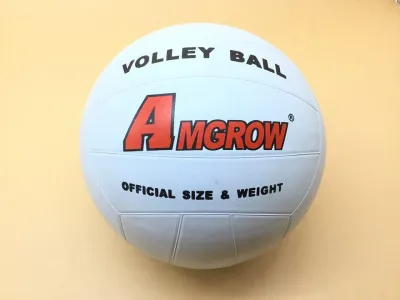
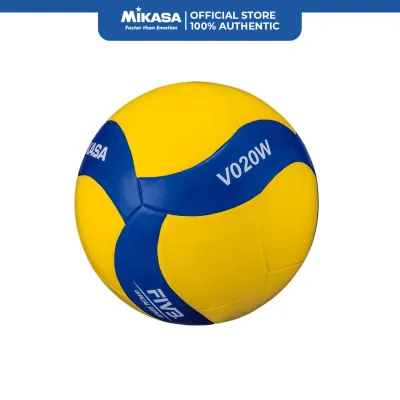
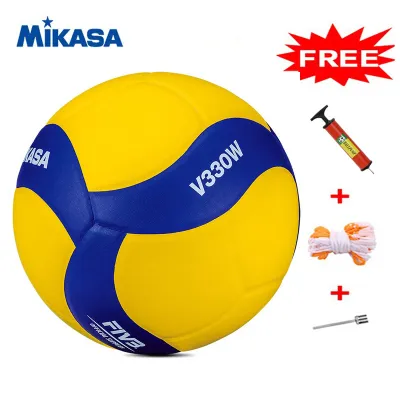
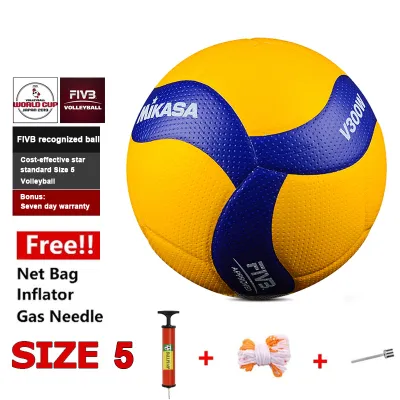
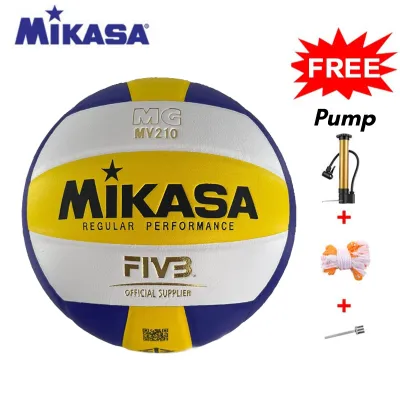
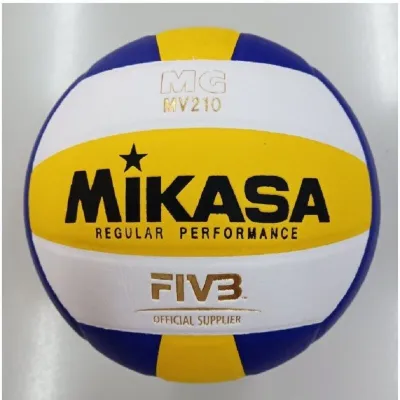
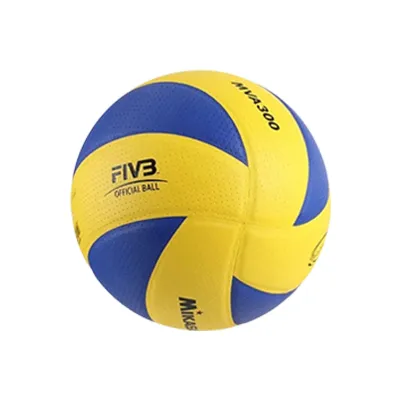
Prices are valid at publication and may change. Please refer to the product page for the latest price.
For dedicated students and beginners, mid-range training balls priced between ₱500 and ₱1,500 offer the best value. In this price tier, you will find balls with laminated panels, softer composite covers, and superior air retention. These features provide a more predictable flight path and a cushioned impact, which are essential for mastering fundamental skills like setting, spiking, and serving.
When working with a limited budget, it is wise to invest extra in a soft composite cover and a reliable internal bladder. You can safely compromise on advanced aerodynamic panel designs, dimpled surfaces, or premium microfiber materials. These high-end features are designed for professional league play and do not significantly impact the learning experience of a beginner.
Essential Specifications for Durability and Playability
Understanding the physical specifications of a volleyball ensures you select a model that supports proper technique and stands up to regular use. For students and beginners, playing with a ball that meets standard specifications is crucial for developing correct muscle memory. A ball that is too heavy can cause joint strain, while one that is too light will drift unpredictably in the air.

Standard volleyballs, designated as Size 5, are the official size used for high school, college, and adult play. These balls have a circumference of 65 to 67 centimeters and a weight of 260 to 280 grams. Beginners should always verify these dimensions to ensure their practice sessions translate directly to real game conditions, especially if they plan to try out for school varsity teams.
Panel construction is another critical factor that dictates how a ball performs and how long it lasts. Laminated panels are glued to an inner cloth layer, creating a smooth, seamless surface that offers a highly consistent bounce and flight path. Machine-stitched panels, on the other hand, feature visible seams and are highly durable, making them excellent for rougher playing environments where the ball might scrape against hard surfaces.
The internal bladder and valve system are responsible for keeping the ball round and inflated. Most budget-friendly volleyballs use a butyl rubber bladder, which is highly recommended for students because of its excellent air retention properties. Unlike latex bladders that require frequent pumping, a butyl bladder can hold air for weeks, ensuring your ball is always ready for physical education classes or spontaneous games.
Choosing the Right Cover Material for Your Playing Surface
The outer cover material of a volleyball directly affects both the comfort of your hands and the lifespan of the ball. Synthetic leather is the most common material used for modern volleyball covers, but it comes in different grades. Choosing the right material depends heavily on whether you play primarily indoors or outdoors.
Polyurethane (PU) is a popular synthetic cover material known for its soft, leather-like feel and excellent grip. PU covers absorb impact well, which significantly reduces the stinging sensation on a beginner’s forearms during repeated passing drills. This makes PU balls highly recommended for indoor courts, covered gymnasiums, and school training sessions where comfort and control are top priorities.
Polyvinyl Chloride (PVC) is a tougher, more rigid synthetic material often used in highly affordable outdoor volleyballs. PVC covers are exceptionally resistant to abrasion, moisture, and dirt, making them ideal for concrete barangay courts, sandy beaches, or grassy parks. While PVC balls are highly durable and budget-friendly, they tend to feel harder on the arms, which may require a brief adjustment period for new players.
Avoid buying cheap, molded rubber balls or low-grade plastic volleyballs for regular training. These materials are overly hard, slick, and painful to hit, which can quickly discourage beginners from practicing. A hard ball can also lead to bruised forearms and poor ball control, hindering your ability to learn proper passing and setting techniques.
Smart Shopping: Navigating Local Stores and Online Marketplaces
Finding a genuine, high-quality volleyball at an affordable price requires careful shopping, especially with the rise of counterfeit sports equipment. Buyers in the Philippines can choose between physical sporting goods stores and online marketplaces, each offering distinct advantages and challenges.
Purchasing from a physical sporting goods store allows you to inspect the ball in person before spending your money. You can feel the texture of the cover, check the alignment of the panels, and perform a quick bounce test to ensure the ball is perfectly spherical. Physical stores also guarantee that you are buying authentic merchandise, though prices may sometimes be slightly higher than online options.
Online marketplaces and e-commerce platforms offer a wider selection and convenient delivery, but they require extra vigilance. To avoid purchasing counterfeit balls, look for established sellers with high ratings and positive customer feedback. Be skeptical of listings that offer premium-branded balls at suspiciously low prices, as these are almost always low-quality replicas that deflate quickly or peel after a few uses.
When shopping online, carefully examine customer reviews that include actual photos and videos of the inflated ball. Check the alignment of the seams, the quality of the printing, and the appearance of the inflation valve. Additionally, prioritize sellers who offer clear return policies or warranties, allowing you to exchange the ball if it arrives with a manufacturing defect or a leaky valve.
Care and Maintenance to Protect Your Investment
Taking proper care of your volleyball is the best way to extend its lifespan and get the most value out of your purchase. Even an affordable ball can last for years if it is maintained correctly and protected from harsh environmental conditions. Simple daily habits can prevent premature deflation, warping, and material peeling.
Proper inflation is essential for maintaining the ball’s shape and performance. Always use a standard inflation pump equipped with a pressure gauge, and moisten the metal needle with water or glycerin before inserting it into the valve. Moistening the needle prevents damage to the inner rubber valve, which is a common cause of slow air leaks. Avoid over-inflating the ball, as excessive pressure stretches the seams and can permanently warp the bladder.
The tropical climate of the Philippines presents unique challenges for sports gear. High humidity and extreme heat can degrade synthetic leather and weaken the adhesives holding laminated panels together. Store your volleyball in a cool, dry indoor space away from direct sunlight. Never leave the ball inside a hot car trunk or exposed on an outdoor balcony, as the intense heat will cause the air inside to expand and potentially ruin the ball’s structure.
After playing on dusty concrete courts or outdoor surfaces, take a moment to clean your volleyball. Wipe the cover down with a soft, damp cloth to remove dirt, sweat, and dust. If the ball is particularly dirty, use a mild soap solution, but never submerge the ball in water or use harsh chemical cleaners, as these can strip the protective coating off the synthetic cover.
Frequently Asked Questions (FAQ)
Can I use an indoor volleyball for outdoor beach or street play?
Using an indoor volleyball on rough outdoor surfaces like concrete, gravel, or sand is not recommended. Indoor balls feature soft, laminated covers designed for smooth wooden or rubber courts, and they will quickly scuff, peel, or puncture when exposed to abrasive outdoor environments. For outdoor play, it is much more cost-effective to invest in a dedicated outdoor volleyball with a stitched, water-resistant cover designed to withstand rougher surfaces.
How do I know if a volleyball is the right size for my age group?
For players aged 12 and older, including high school, college, and adult recreational players, a standard Size 5 volleyball is the correct choice. Younger players aged 8 to 11 should use a smaller and lighter Size 4 ball, which helps them develop proper technique without straining their developing muscles and joints. If you are purchasing a ball specifically for school physical education classes or local tournaments, always check with your teacher or league organizer to confirm their specific size and weight requirements.
Community discussion
Share your experience or ask a question. Comments are reviewed before publication.