
Navigating dense urban congestion and steep elevation changes requires an e-bike that balances agility with sustained climbing power. Rather than looking for a single “best” model, you need to match the frame geometry, motor torque, and battery capacity to your specific daily route and physical load. This guide breaks down the exact specifications and features to prioritize for a reliable commute.
Frame Styles for Navigating Congested Streets
Maneuvering through gridlock requires a frame that feels stable yet highly responsive. Compact and folding e-bikes are excellent options for crowded city streets because their smaller wheels and shorter wheelbases allow for a tight turning radius. This agility makes it much easier to navigate narrow gaps between stopped vehicles or park in restricted spaces. Additionally, folding frames simplify multi-modal commuting, allowing you to bring the bike inside an office or onto public transport when necessary.
For riders who face frequent stop-and-go traffic at busy intersections, step-through frames offer distinct advantages. The low top tube allows you to easily mount and dismount without tilting the bike, which is particularly helpful when carrying cargo or wearing office attire. When evaluating any frame style, always check the manufacturer’s specified maximum weight capacity. Ensure the frame is rated to safely support your body weight plus the weight of your daily gear, backpack, or groceries to maintain structural integrity and stable handling.
Products mentioned in this guide
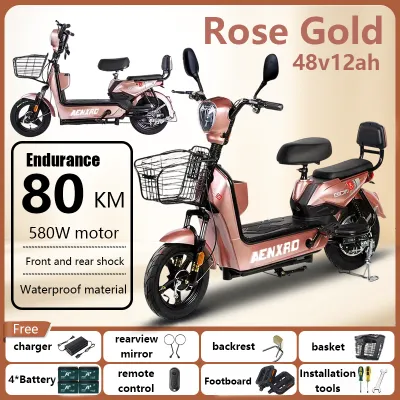
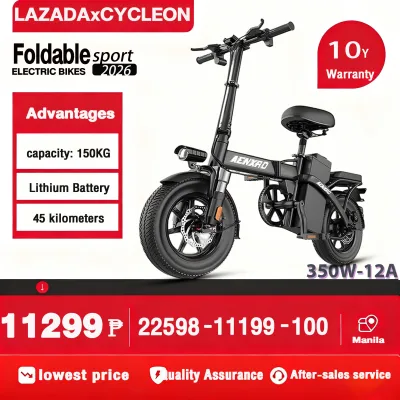
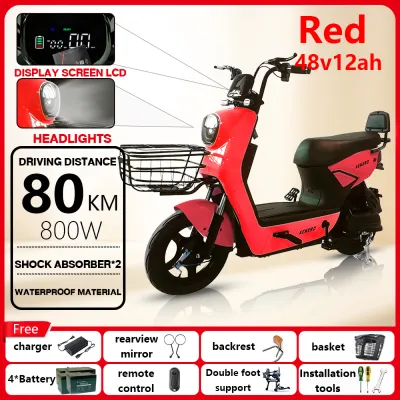
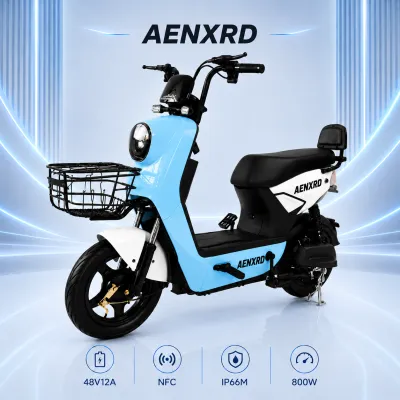
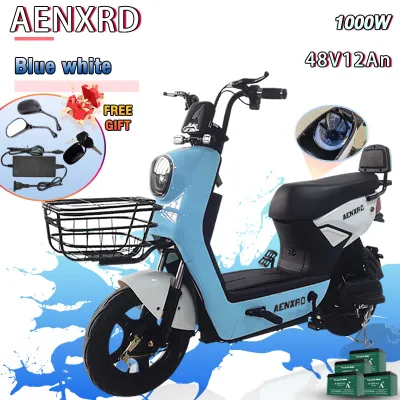
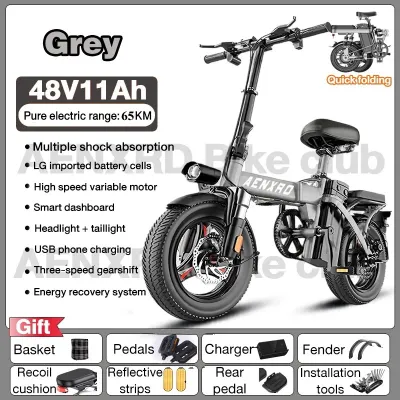
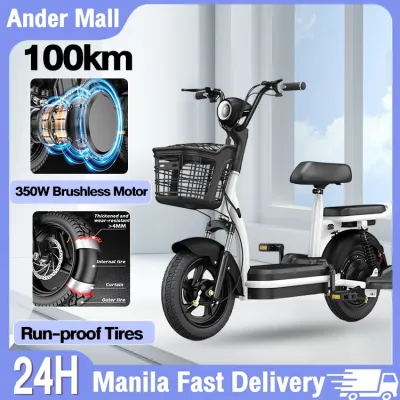
Prices are valid at publication and may change. Please refer to the product page for the latest price.
Motor Types and Power for Climbing Steep Hills
Climbing steep inclines requires a motor that can deliver sufficient torque without overheating. Mid-drive motors, positioned at the bike’s bottom bracket, drive the chain directly and utilize the bike’s existing gears. This mechanical advantage makes mid-drive systems highly efficient for steep, sustained climbs, as you can downshift to ease the load on both your legs and the motor. However, these systems generally require more frequent drivetrain maintenance due to the increased wear on the chain and cassette.

Hub motors, which are integrated directly into the front or rear wheel hub, offer a simpler, low-maintenance alternative. While they perform well on flat terrain and moderate slopes, hub motors can lose efficiency and struggle on very steep hills because they cannot leverage the bike’s gears. When comparing motor specifications, look closely at the continuous torque rating measured in Newton-meters (Nm) rather than relying solely on peak power marketing claims. If you are a heavier rider or regularly carry heavy cargo up steep hills, prioritize a motor with a higher torque rating to ensure reliable climbing performance and prevent thermal shutdown.
Battery Capacity for Stop-and-Go and Hilly Routes
To ensure your e-bike has enough energy to complete your daily commute, you must look past simple voltage ratings and focus on the overall capacity. The true energy capacity of an e-bike battery is measured in Watt-hours (Wh), which is calculated by multiplying the battery’s voltage (V) by its Amp-hour (Ah) rating. A higher Watt-hour rating directly translates to more energy storage, which is crucial because climbing hills and constantly accelerating from a complete stop drain the battery much faster than cruising on flat roads.
When planning your route, it is wise to build in a substantial range buffer. Calculate your actual round-trip distance and add a 30% to 50% margin to account for factors like steep elevation gains, strong headwinds, and frequent stop-and-go traffic. Additionally, consider where the battery is mounted on the frame; a battery integrated low on the down tube helps maintain a lower center of gravity, improving overall balance. For urban commuters, a removable battery is highly practical, allowing you to carry the battery indoors to charge securely at your desk or home.
Essential Features for Wet and Uneven Roads
Tropical weather and unpredictable road conditions require specific safety and utility features. Reliable stopping power is non-negotiable, especially when descending wet hills in heavy traffic. Disc brakes—whether mechanical or hydraulic—provide much more consistent stopping power in wet conditions compared to traditional rim brakes. Hydraulic disc brakes are particularly beneficial as they require less hand effort to actuate and offer finer modulation, which helps prevent wheel lockups on slippery asphalt.
Tire selection also plays a critical role in ride comfort and safety. Look for wider, high-volume tires with puncture-resistant casings to absorb shocks from potholes and uneven road surfaces. A tread pattern designed for wet pavement will help disperse water and maintain grip during sudden downpours. To keep yourself clean and visible, verify that the e-bike comes equipped with full-coverage fenders to block road spray, integrated front and rear lights that run off the main battery, and a sturdy rear rack for securing your commuter bag.
Building Your Final E-Bike Shortlist
When you are ready to make a purchase, focus your budget on the core electrical and mechanical components. It is generally wiser to invest in a high-quality motor, a reputable battery, and reliable brakes rather than spending extra on cosmetic accessories or digital displays that do not improve ride quality. Prioritize brands that use certified battery cells and offer clear warranty terms on the electrical drive system.
Before finalizing your decision, arrange a test ride that closely mimics your actual commuting conditions. Pay close attention to how the bike handles at low speeds when maneuvering around obstacles, how confident you feel when applying the brakes, and how the motor assists you when starting from a complete stop on an incline. Finally, verify the availability of local service centers and replacement parts in your area. Having access to qualified technicians who can service the specific motor and battery system is essential for keeping your commuter e-bike running reliably over the long term.
Frequently Asked Questions (FAQ)
Do I need a license or registration to ride an e-bike in the Philippines?
In the Philippines, the requirement for a driver’s license and vehicle registration depends on the specific classification of your e-bike. Low-speed, pedal-assist electric bicycles (often classified as Category L1a or similar, depending on current local guidelines) that require pedaling to activate the motor and have a low maximum speed typically do not require registration or a license. However, higher-speed e-bikes, throttle-only models, and three-wheeled electric vehicles may require registration with the Land Transportation Office (LTO) and a valid driver’s license. Always verify the latest speed, weight, and power thresholds with the LTO before purchasing to ensure full compliance with local road regulations.
How do I protect my e-bike battery from extreme heat?
High ambient temperatures can accelerate the degradation of lithium-ion battery cells. To protect your battery, never charge it immediately after a long, hot ride; allow the battery to cool down to room temperature first. Avoid leaving the e-bike or the battery parked in direct sunlight for extended periods, as this can cause internal temperatures to spike. When charging or storing the battery, always choose a cool, dry, and well-ventilated indoor space away from flammable materials to prolong its overall lifespan and maintain safety.
Community discussion
Share your experience or ask a question. Comments are reviewed before publication.