
Finding the right mountain bike (MTB) helmet is the most critical decision you will make before hitting the trails. A proper helmet does more than sit on your head; it serves as your primary defense against unpredictable terrain, low-hanging branches, and high-velocity impacts. To choose the right one, you must balance precise fit, certified safety technologies, and discipline-specific features.
Step 1: Measure Your Head for a Secure MTB Helmet Fit
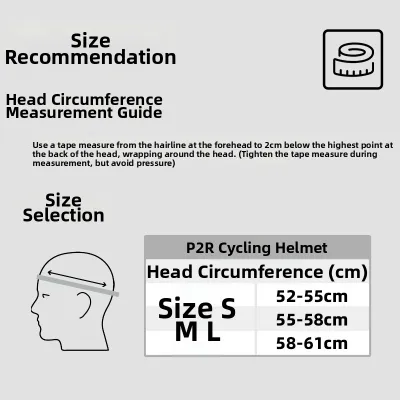
To begin your search, you must obtain an accurate measurement of your head circumference. Use a flexible fabric measuring tape and wrap it horizontally around your head, approximately 1.5 to 2.5 centimeters (about one inch) above your eyebrows and just above your ears. This represents the widest circumference of your skull. If you do not have a flexible tape, wrap a piece of string around your head, mark the overlap point, and measure that length against a standard ruler.
Once you have this measurement in centimeters, compare it directly to the specific sizing chart of the brand you are considering. Avoid relying on generic small, medium, or large labels. Sizing varies significantly between manufacturers, and a “medium” in one brand might align with a “small” or “large” in another due to varying shell shapes, which typically range from round-oval to intermediate-oval profiles. If your measurement falls directly between two sizes, it is generally recommended to try the smaller size first for a snugger fit, provided it does not cause pinching.
Products mentioned in this guide
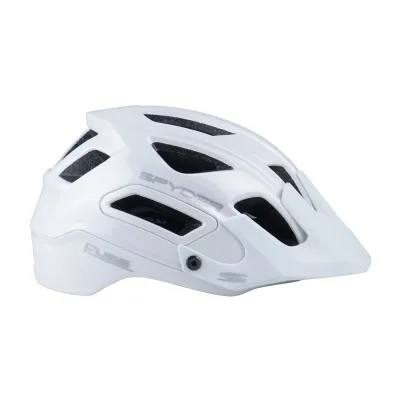
445 Lazada user ratings
Thank you Spyder! Tama ung color &size nung helmet. Maayos ung packaging.... Makapal ung bubblewrap. Makinis ung item. No scratches tlga. Qu…Read full reviewShow less
Thank you Spyder! Tama ung color &size nung helmet. Maayos ung packaging.... Makapal ung bubblewrap. Makinis ung item. No scratches tlga. Quality tlga to. Bili na mga kaPadyak! Excited n ko sa next ride! Tapos bilis pa ng delivery Manila to Pangasinan! 3 days!
👍👍👍Excellent! worth the wait. understandably. with 130k + followers mukhang na overwhelmed sila sa orders. very responsive, keeps u updated .k…Read full reviewShow less
👍👍👍Excellent! worth the wait. understandably. with 130k + followers mukhang na overwhelmed sila sa orders. very responsive, keeps u updated .kudos to LEX PH hatid din agad 🙂. Galing nang build and quality . Thanks!
I received the item in a good manner, packed properly, reasonable amount of delivery for the delivery. Must say, that the helmet has a very …Read full reviewShow less
I received the item in a good manner, packed properly, reasonable amount of delivery for the delivery. Must say, that the helmet has a very good quality, good design and lightweight. highly recommend it.
ang ganda ng quality. sakto din lang ang fit sa ulo ko at very comfortable. delivered within the given time frame and without damage. thanks…Read full reviewShow less
ang ganda ng quality. sakto din lang ang fit sa ulo ko at very comfortable. delivered within the given time frame and without damage. thanks spyder.ph and lazada.
Super duper thank you to the Seller and to the courier. Items are securely packed and no damage whatsoever. Again, thank you and more blessi…Read full reviewShow less
Super duper thank you to the Seller and to the courier. Items are securely packed and no damage whatsoever. Again, thank you and more blessings!
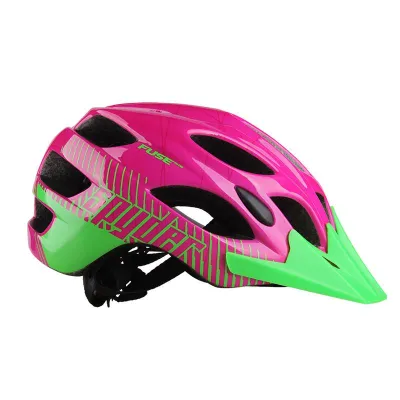
74 Lazada user ratings
This helmet is a very lightweight and airy option, making it a great choice for summer rides in the city. It features a MIPS system for adde…Read full reviewShow less
This helmet is a very lightweight and airy option, making it a great choice for summer rides in the city. It features a MIPS system for added peace of mind, and the design is incredibly breathable with its numerous air vents. The EPS construction is slim and low-profile, and the unique strap attachment to the rear retention system provides an unconventional fit. The white straps give it a clean, distinct look that stands out. It is a solid, basic helmet for those who want a simple gear setup for seasonal casual riding.
Stylish helmet with a beautiful design, great breathability, combines good looks with practicality, both attractive and functional.
The helmet has great quality, feels light and comfortable, has plenty of ventilation to keep cool, and the buckle is easy to use.
Very good, well-crafted, with high MIPS safety protection, worth buying, and can be used for skateboarding and roller skating!
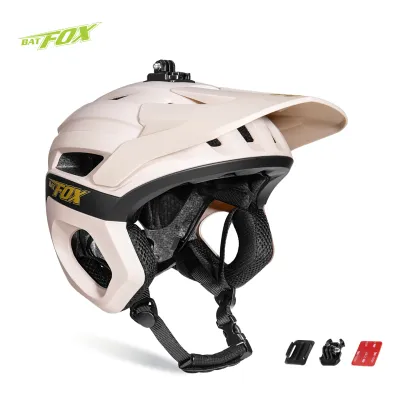
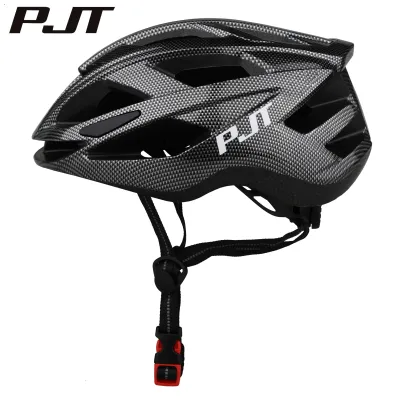
27 Lazada user ratings
I was surprised at how light it was. The design is nice too... but it feels like it's all styrofoam. The value for money is awesome, lol.
Arrived on time, very protected. It's quite light even though it fits me, I found the shape a bit big, but it shouldn't get in the way.
The product quality looks great and it doesn't look like a budget item at all. I think I'll be using it a lot.
It's lightweight with a great design, and the included sunglasses are pretty good too.
It's light and good. The finishing is a bit lacking. Good value for money.
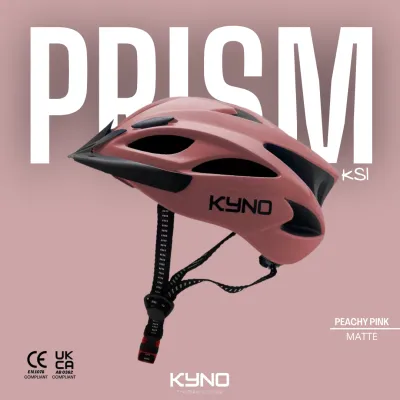
961 Lazada user ratings
Great helmet for cycling enthusiasts, Stylish color options to choose from, Lightweight and comfortable design, Perfect for both mountain an…Read full reviewShow less
Great helmet for cycling enthusiasts, Stylish color options to choose from, Lightweight and comfortable design, Perfect for both mountain and road biking, Easy to adjust and wear, High-quality materials for durability, Adjustable strap for a perfect fit, Offers great value for the price, ang angas ng design ang ganda ng kulay at ang porma pa pag suot mo na heheheh😍😍ganda sulit sa price no damage at secure na secure yung item sa box😍😍thanks lazada ang aga pa dumating hehehe😍
Easy to adjust and wear, Provides safety and comfort while riding, Perfect for both mountain and road biking, Adjustable strap for a perfect…Read full reviewShow less
Easy to adjust and wear, Provides safety and comfort while riding, Perfect for both mountain and road biking, Adjustable strap for a perfect fit, Lightweight and comfortable design,
Provides safety and comfort while riding, Perfect for both mountain and road biking, Excellent ventilation for a cool ride, Easy to adjust a…Read full reviewShow less
Provides safety and comfort while riding, Perfect for both mountain and road biking, Excellent ventilation for a cool ride, Easy to adjust and wear,
Excellent product. Looks durable enough. Lightweight as advertised. Hope it lasts. Thanks, seller.
goods naman, magaan, medyo masikip lang if malaki ung head. good for the price 👍🏻👍🏻👍🏻
Prices are valid at publication and may change. Please refer to the product page for the latest price.
After selecting a size, evaluate the helmet’s retention system. Most modern MTB helmets feature a rear dial-fit system that tightens or loosens a plastic cradle around the occipital lobe. Put the helmet on, keep the chin strap undone, and tighten the dial until the helmet feels snug but comfortable.
Test the retention by gently shaking your head from side to side and front to back. The helmet should remain firmly in place without sliding down your forehead or tilting backward. If it slips easily, or if you feel localized pinching or hot spots on your temples or forehead, the shell shape or size is not a correct match for your head structure.
Finally, adjust the side straps and chin buckle. The side straps should form a clean “Y” shape just below your earlobes, without rubbing against your ears. The chin strap should be tight enough that opening your mouth wide causes the helmet to pull down slightly against the top of your head, yet loose enough to allow comfortable breathing and swallowing.
Step 2: Check Safety Certifications and Impact Protection
Look inside the helmet shell for physical certification stickers. In the Philippines, look for recognized international safety standards such as CPSC 1203 (the United States standard) or CE EN 1078 (the European standard). These stickers confirm that the helmet’s expanded polystyrene (EPS) liner has undergone rigorous impact testing to verify its structural integrity under direct force.

Beyond direct impact protection, modern mountain biking demands rotational impact protection. When you fall from a moving bicycle, you rarely land at a perfectly flat angle; instead, your head typically strikes the ground at an oblique angle, causing rapid rotational forces that can strain brain tissues. Look for integrated rotational protection systems, such as Multi-directional Impact Protection System (MIPS) or similar proprietary slip-plane technologies. These systems allow the outer shell to slide slightly independently of the inner liner during an angled impact, helping to redirect rotational energy away from your brain.
Examine the physical coverage of the helmet. Dedicated MTB helmets, particularly trail and enduro models, feature extended rear-head (occipital) and temple coverage. This design provides extra protection for the lower back of your skull and the sides of your head, which are highly vulnerable during lateral falls on rocky or root-filled trails.
Do not forget to locate the manufacturing date sticker inside the helmet. EPS foam can degrade over time due to environmental exposure, heat, and ozone, even when sitting unused on a retail shelf. It is wise to verify that a helmet has not been stored in a warehouse for several years before your purchase, as fresh foam offers the most reliable energy absorption.
Step 3: Compare Ventilation, Weight, and Visor Designs
Airflow is essential for maintaining comfort and preventing overheating, especially when climbing steep trails in warm, humid climates. When evaluating a helmet, look beyond the sheer number of vents and examine the internal channeling. High-quality designs feature deep grooves molded into the inner EPS liner that actively pull cool air in through the front vents, channel it across your scalp, and exhaust warm air out the rear.
Weight is another critical factor that directly influences neck fatigue during long, technical rides. Check the manufacturer’s specification sheet for the exact weight in grams. While a lighter helmet reduces strain on your neck muscles, it must not compromise structural safety; look for models that utilize in-mold construction, where the outer polycarbonate shell is fused directly to the EPS liner to maximize strength while minimizing weight.
The visor, or peak, is a defining feature of an MTB helmet. A functional visor shields your eyes from blinding sun glare, deflects low-hanging branches, and channels rain away from your face. Look for an adjustable visor that can be tilted upward to accommodate riding goggles or sunglasses when they are not in use, and ensure the mounting hardware is designed to breakaway safely during a crash to prevent neck twisting.
Lastly, inspect the interior padding. High-performance helmets utilize moisture-wicking, anti-microbial fabrics that absorb sweat before it can drip into your eyes. Ensure the pads are easily removable and washable, as regular cleaning prevents the buildup of bacteria, salt, and unpleasant odors from repeated use.
Step 4: Match Helmet Features to Your Riding Style and Budget
Your primary riding discipline should dictate the style of helmet you choose. Cross-country (XC) riders generally prioritize lightweight construction and maximum ventilation, opting for open-face helmets with minimal visors. Trail and enduro riders require deeper rear coverage, robust adjustable visors, and compatibility with goggles, while downhill riders must use full-face helmets with integrated chin bars for maximum high-speed protection.
When allocating your budget, identify which features justify a premium price. Advanced rotational impact liners, lightweight composite or carbon fiber shells, and highly adjustable retention systems are worth the investment because they directly enhance safety and long-term comfort. Conversely, features like integrated camera mounts, magnetic chin buckles, or custom graphics are convenient but do not alter the baseline protective capabilities of the helmet.
Establish a realistic budget in Philippine Pesos (₱) that prioritizes safety certifications over aesthetic extras. Entry-level helmets from reputable brands that carry certified safety stickers often range from ₱2,500 to ₱4,500, offering excellent protection with slightly heavier materials or fewer vents. Mid-range and premium models with advanced rotational protection and highly optimized ventilation typically span from ₱5,000 to over ₱10,000, allowing you to scale your investment based on your riding frequency and technical difficulty.
Before finalizing your purchase, try on multiple helmets in-store if possible, as different brands cater to different head shapes. If you are purchasing from an online sports retailer or ecommerce platform, carefully review their return and exchange policies. Ensure they allow hassle-free returns if the helmet does not pass your home fit and shake tests, as riding in an ill-fitting helmet compromises its protective value.
Frequently Asked Questions (FAQ)
How often should I replace my MTB helmet?
As a general rule, most manufacturers recommend replacing your MTB helmet every three to five years, even if you have never had a crash. Over time, exposure to sweat, UV rays, hair oils, and extreme temperature fluctuations can slowly degrade the protective EPS foam and plastic shell.
However, you must replace your helmet immediately after any significant impact or crash. EPS foam is designed to compress and deform to absorb impact forces; once it has compressed during an accident, it cannot expand back to its original state and will not protect you in a subsequent fall, even if the exterior shell appears completely undamaged.
Regularly inspect your helmet for signs of material degradation. Look for visible cracks or deep dents in the foam liner, fading or cracking of the outer plastic shell, and frayed straps or loose buckles that no longer lock securely.
Can I use a road cycling helmet for mountain biking?
While you can physically wear a road cycling helmet on a mountain bike, it is not recommended for technical trail riding. Road helmets are designed primarily for aerodynamics, lightweight performance, and cooling at higher speeds, meaning they often lack the extended rear-head and temple coverage necessary to protect against typical off-road fall angles.
Additionally, road helmets rarely feature visors. On mountain bike trails, a visor is essential for blocking low-hanging branches, brush, and flying debris, as well as managing rapidly changing light conditions when moving in and out of forested areas.
A road helmet may be acceptable for smooth gravel paths, paved multi-use paths, or flat fire roads where the risk of technical crashes and branch strikes is minimal. However, once you transition to singletrack, rocky descents, or technical terrain, a dedicated MTB helmet is highly recommended for appropriate protection.
Community discussion
Share your experience or ask a question. Comments are reviewed before publication.