
Choosing an outdoor hanging tent requires shifting your mindset from traditional ground camping to structural rigging. Unlike standard tents that rely on flat ground, a hanging tent suspends you above the forest floor, offering protection from damp soil, crawling insects, and uneven terrain. To find the right model, you must evaluate critical specifications such as weight capacity, suspension mechanics, weatherproofing, and portability.
Selecting the wrong gear or ignoring setup limits can lead to equipment failure or environmental damage. By focusing on verified manufacturer specifications and understanding how these systems interact with nature, you can enjoy a safe, elevated camping experience.
Decoding Weight Capacity and Safety Margins
Weight capacity is the single most critical safety metric when choosing an outdoor hanging tent. Manufacturers specify these limits on product tags, but you must distinguish between static weight capacity and dynamic movement loads. Static weight refers to the load when occupants are lying completely still, while dynamic loads account for the sudden forces applied when climbing in, turning over, or shifting weight.
Products mentioned in this guide
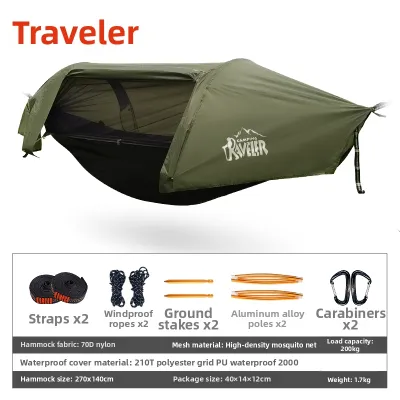
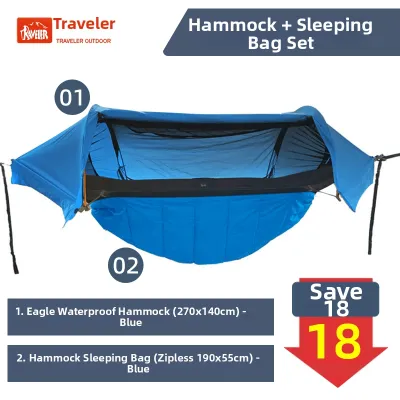
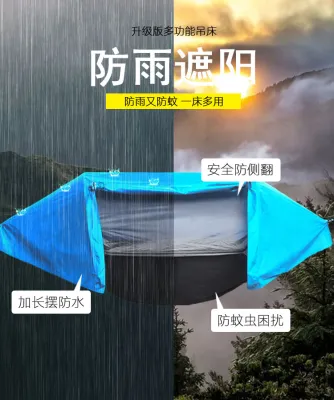
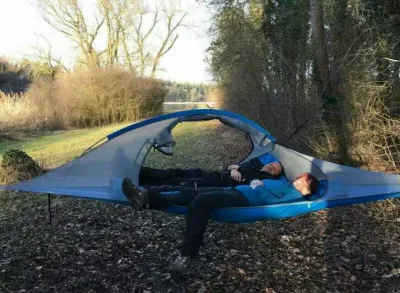
Prices are valid at publication and may change. Please refer to the product page for the latest price.
Always check the manufacturer’s official documentation for both maximum occupancy and gear weight allowances. A safe rule of thumb is to choose a tent with a weight capacity that comfortably exceeds the combined weight of all sleepers and their packed gear.
Never attempt to modify factory-provided suspension points or use unrated aftermarket hardware to increase capacity. If you are unsure about structural limits or wish to adapt the tent for unique setups, stop and consult the manufacturer or a qualified structural professional before deployment.
Evaluating Suspension Systems and Tree Protection
A hanging tent is only as secure as its anchors and the rigging system that connects them. When evaluating suspension systems, prioritize kits that include wide, heavy-duty tree straps rather than thin ropes. Wide straps distribute tension across a larger surface area, preventing the webbing from slicing into tree bark and damaging the cambium layer.

Verify that the tent kit includes high-quality, rated hardware such as steel carabiners, heavy-duty ratchets, or adjustable webbing. These components must be certified for climbing or structural rigging, as standard utility hardware can fail under tension.
Before setting up, inspect the surrounding environment carefully. If suitable, healthy trees are unavailable, or if the trees show signs of rot, shallow roots, or insect damage, you must abandon the elevated setup. Always have a backup plan, such as pitching the tent on the ground if the design allows, to ensure safety.
Assessing Weather Resistance and Bug Protection
In tropical climates like the Philippines, outdoor gear must withstand sudden downpours, high humidity, and persistent insects. To gauge water resistance, read the hydrostatic head rating on the product label, looking for fabrics rated to repel heavy rain. A full-coverage rainfly that extends well past the tent floor is essential to prevent wind-driven rain from splashing inside.
Insect protection is equally vital for comfort and health in tropical environments. Look for hanging tents with integrated, high-density bug mesh that zips securely to the tent body, keeping out mosquitoes and smaller biting insects.
Keep in mind that highly waterproof, enclosed fabrics can restrict airflow, leading to condensation and stifling heat inside the tent. Balance weather resistance with ventilation by choosing models that feature adjustable vents, mesh panels, or a removable rainfly for dry, warm nights.
Weighing Portability Against Setup Complexity
Hanging tents require more hardware than traditional ground tents, which directly impacts their packed weight and setup complexity. Review the packed dimensions and weight in the product specifications to ensure the system fits comfortably inside your backpack or vehicle storage.
Estimate the setup time and skill level required by reviewing the number of anchor points and tensioning steps. Multi-point systems often require precise alignment and significant physical effort to tension the straps correctly.
While lightweight materials are highly desirable for long-distance hiking, ensure that weight savings do not compromise structural safety. Prioritize durable, heavy-duty materials for the suspension straps and tensioning ratchets, even if it adds a small amount of weight to your pack.
Creating Your Pre-Purchase Verification Checklist
Before finalizing your purchase and spending your hard-earned pesos (₱), compile a checklist to verify the tent’s specifications. Cross-reference the seller’s advertised claims with the official manufacturer documentation to ensure all weight limits and safety certifications are accurate.
Confirm the retailer’s return policy and the manufacturer’s warranty coverage, particularly for load-bearing components like straps, ratchets, and seams. A reliable warranty provides peace of mind when investing in specialized aerial camping gear.
Finally, plan a low-risk test pitch in a controlled environment, such as a local park or backyard, before heading into the wilderness. Practicing the setup process allows you to master the tensioning system and verify that all components are present and functioning correctly.
Frequently Asked Questions (FAQ)
Can I hang a tent from a single tree or structural beam?
Standard hanging tents are designed as multi-point suspension systems, typically requiring three distinct anchor points to maintain a flat, stable sleeping surface. Attempting to hang a multi-point tent from a single tree or an unrated structural beam can cause the tent to tilt, spin, or collapse, risking severe injury. Never improvise single-point setups unless the tent is specifically engineered, tested, and certified by the manufacturer for single-point suspension.
Do I need special trees to set up a hanging tent?
Yes, you must select healthy, mature trees with thick trunks and deep root systems to support the weight of the tent and its occupants safely. Avoid trees that are dead, decaying, leaning, or growing in loose, sandy soil. Always consult local park regulations or forestry guidelines regarding the use of tree straps, as some protected areas restrict hanging gear to prevent damage to local ecosystems.

Community discussion
Share your experience or ask a question. Comments are reviewed before publication.