
Choosing an underwater scooter—technically known as a Diver Propulsion Vehicle (DPV)—can transform your underwater exploration. Whether you want to glide effortlessly over vibrant coral reefs in the Philippines, conserve your air during deep wall dives, or carry heavy camera gear against mild currents, selecting the right model requires matching the equipment to your specific diving profile. The ideal scooter balances depth capability, battery performance, and physical handling to ensure safety and enjoyment.
To make an informed decision, you must look beyond aesthetic appeal and focus on how a scooter behaves in the water. A model designed for casual snorkeling will quickly fail if taken to recreational scuba depths, while a heavy technical unit might prove too cumbersome for a weekend beach entry. By evaluating your certification level, diving environment, and travel habits, you can find a vehicle that enhances your underwater freedom.
Assess Your Diving Profile and Intended Use
Your current certification level and primary underwater activities form the foundation of your selection process. Diving equipment must always align with your training limits to prevent hazardous situations.
Products mentioned in this guide
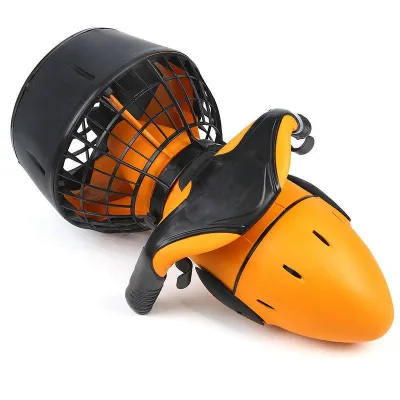
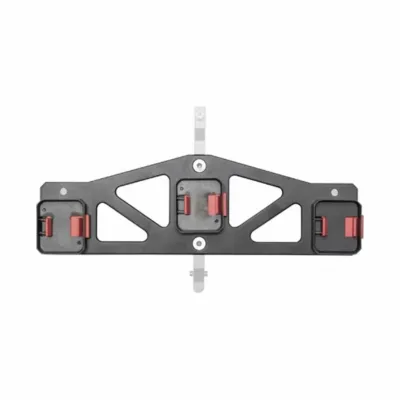
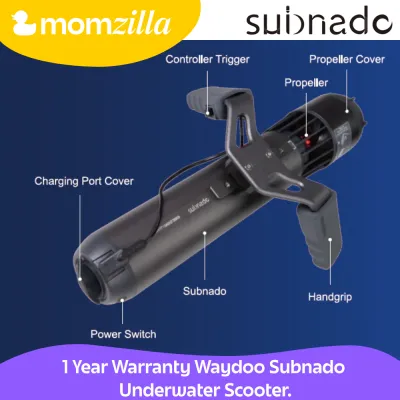
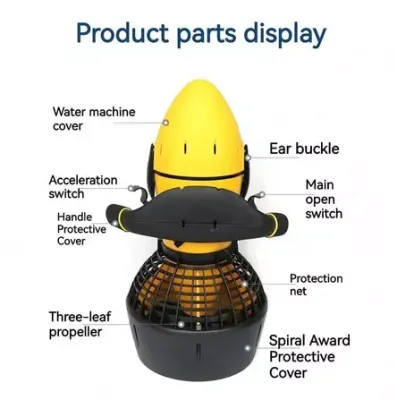
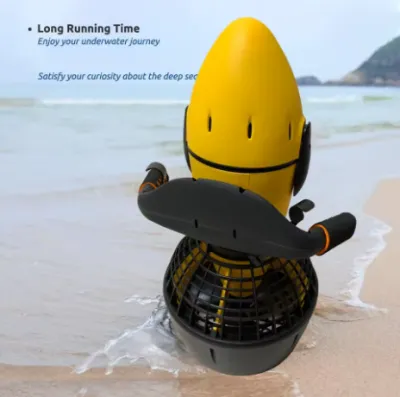
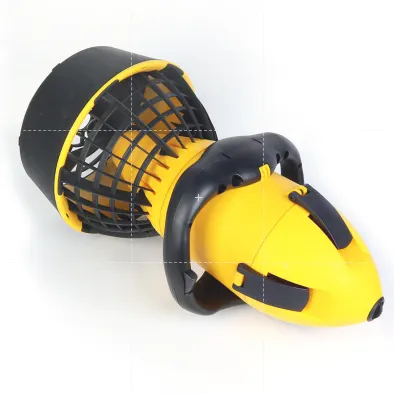
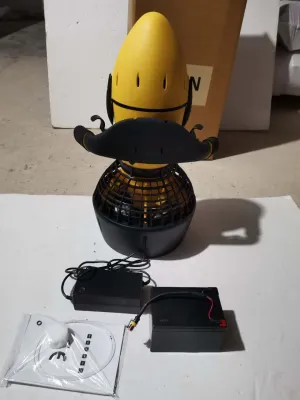
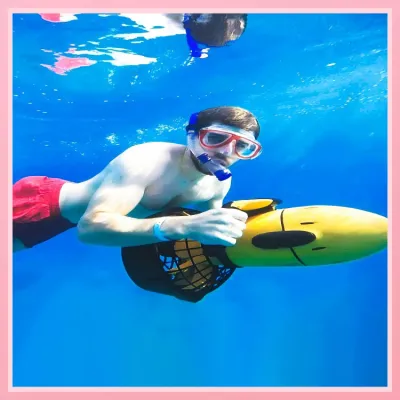
Prices are valid at publication and may change. Please refer to the product page for the latest price.
For snorkelers and shallow-water enthusiasts, lightweight and low-thrust models are generally sufficient. These entry-level units are designed for surface swimming and shallow free-diving, allowing you to cover more ground without exhausting yourself. They typically feature modest depth ratings and simpler control mechanisms suited for casual recreation.
Recreational scuba divers require a more robust class of underwater scooter. If you plan to dive along deep drop-offs or explore expansive reef flats, you need a vehicle that can safely withstand the pressure of recreational depth limits. Using a scooter in these environments helps reduce your physical exertion, which in turn lowers your air consumption rate and extends your bottom time.
Technical divers, including those who explore deep shipwrecks or complex cave systems, demand the highest tier of performance. These specialized scooters must offer extended battery capacities, redundant safety systems, and precise buoyancy characteristics. Technical diving often involves carrying multiple tanks, making a reliable and powerful propulsion vehicle essential for managing the increased drag.
Your specific underwater goals also dictate the features you should prioritize. If you are an underwater photographer, you will need a scooter that allows for hands-free operation or features integrated camera mounts so you can stabilize your shots. If your primary goal is wreck exploration, maneuverability and a compact frame become critical for navigating tight spaces safely.
Evaluate Core Performance Specifications
When comparing different underwater scooters, technical specifications must be verified against your actual diving conditions rather than theoretical maximums. Manufacturers provide ratings under controlled environments, so you must interpret these figures conservatively.

First and foremost, verify the manufacturer’s maximum depth rating. This limit must strictly align with or exceed your personal certification limits. Taking a scooter beyond its rated depth can cause the housing seals to fail under pressure, leading to catastrophic flooding of the battery compartment and motor. Always cross-reference the depth limit printed on the unit or in the user manual before planning any deep dives.
Battery run time is another critical specification that requires careful evaluation. You should review the battery capacity, typically measured in watt-hours, and understand how different speed settings affect power consumption. A single long dive or multiple shallow dives throughout the day will require different charging logistics. Consider whether the battery is user-replaceable, allowing you to swap in a fresh pack between dives, or if you must wait for the unit to recharge via a standard power outlet.
In tropical environments like the Philippines, high ambient temperatures and humidity can affect battery charging and performance. Ensure you charge your batteries in a cool, shaded, and well-ventilated area to prevent overheating. It is also wise to check if the charger is compatible with local voltage standards when traveling to remote dive resorts.
Speed settings and thrust power must be matched to the water currents you expect to encounter. A scooter with multiple speed gears allows you to conserve battery power in calm waters and increase thrust when fighting a headcurrent. Keep in mind that high-speed operation drains the battery significantly faster, so you must plan your dive navigation with a conservative safety margin to ensure you have enough power to return to your exit point.
Consider Buoyancy, Ergonomics, and Travel Logistics
The physical design of an underwater scooter determines how comfortable it is to operate and how easily you can transport it to your favorite dive sites. A scooter that is difficult to handle in the water or too heavy to carry on land will quickly become a burden.
Buoyancy is a critical factor that directly affects your dive trim and overall weight distribution. Ideally, an underwater scooter should exhibit neutral or slightly positive buoyancy in salt water. If the unit is too heavy, it will pull your arms downward and disrupt your horizontal trim, forcing you to expend extra energy to maintain your position. Many modern scooters feature adjustable buoyancy chambers where you can add or remove weights to achieve perfect balance.
Ergonomics play a vital role in preventing hand and wrist fatigue during long dives. Evaluate the handle design and trigger mechanisms to ensure they feel natural in your hands. If you dive in cooler waters or prefer wearing thick protective gloves, verify that the triggers and speed controls are large enough to operate without slipping. Dual-handle designs offer excellent stability and control, while single-handle models provide more freedom for your other hand to manage gauges or cameras.
Travel logistics are especially important if you plan to fly to your diving destinations. You must evaluate the total weight and physical dimensions of the scooter to ensure it fits within standard airline baggage allowances. Heavy technical scooters may require specialized transport cases and incur excess baggage fees, which should be factored into your overall budget.
Furthermore, pay close attention to the battery type and its transport regulations. Lithium-ion batteries are subject to strict international aviation rules. Many travel-friendly scooters are designed with modular battery packs that fall below the maximum watt-hour limits permitted in carry-on luggage. Always check the specific airline guidelines and carry the manufacturer’s specification sheet to present at airport security checkpoints.
Verify Safety Features and Maintenance Requirements
Operating an underwater scooter introduces unique safety considerations that require reliable mechanical and electronic safeguards. Proper maintenance is equally vital to ensure the vehicle functions correctly and does not fail mid-dive.
Standard safety features should be non-negotiable when selecting a model. Look for a reliable dead-man switch, which automatically cuts power to the propeller the moment you release the trigger. This prevents the scooter from runaway operation if you accidentally lose your grip. A sturdy propeller guard is also essential to protect your fingers, dive gear, and delicate marine life from coming into contact with the spinning blades.
Additionally, a physical lockout mechanism or safety switch is crucial to prevent accidental activation on dry land or during transport. Activating the motor out of the water can quickly overheat the seals and damage the propulsion system.
Before every dive, perform a thorough inspection based strictly on the manufacturer’s guidelines.
Pre-Dive Checklist:
- Inspect the outer housing for any signs of cracks, dents, or structural wear.
- Examine the propeller area to ensure it is free of debris, fishing line, or sand.
- Check that the battery compartment seal is clean, lubricated, and properly seated.
- Test the trigger mechanism and safety lockout to confirm they move smoothly without sticking.
- Verify that the battery is fully charged and securely connected.
Post-dive care is critical for protecting your investment from the corrosive effects of salt water and the high humidity of tropical climates. After every dive, rinse the entire unit thoroughly in clean, fresh water while operating the triggers to flush out salt deposits. Pay special attention to the O-rings; they must be regularly cleaned, inspected for micro-tears, and lightly lubricated with manufacturer-approved silicone grease.
When storing your scooter, keep the battery in a cool, dry place away from direct sunlight. Never store a completely discharged battery, as this can permanently degrade its capacity. If you encounter any mechanical issues, unusual noises, or seal leaks, stop using the scooter immediately and consult a qualified professional or the manufacturer’s authorized service center.
Frequently Asked Questions (FAQ)
Do I need a special certification to use an underwater scooter?
While casual snorkelers can generally use basic, shallow-water scooters without formal training, scuba divers should seek proper instruction. Operating a diver propulsion vehicle (DPV) changes how you manage your buoyancy, ascent rates, and air consumption. Most major scuba certification agencies offer specialized DPV courses. These programs teach you how to handle the scooter safely, manage potential emergencies like a runaway motor, and navigate underwater without losing track of your buddy. Checking with local dive operators in your area is the best way to find certified instructors who can guide you through the practical skills required for safe operation.
Can I take an underwater scooter on an airplane?
Yes, but you must carefully navigate airline and aviation authority regulations regarding batteries. Most underwater scooters use lithium-ion batteries, which are restricted based on their watt-hour (Wh) rating. Typically, batteries under a certain capacity are allowed in carry-on baggage, while larger batteries may be completely prohibited on passenger aircraft. It is essential to check the specific policies of your airline well in advance of your flight. When traveling, pack the scooter body in your checked luggage and carry the battery in your carry-on bag, keeping the manufacturer’s official specification sheet handy to prove compliance during security screenings.
Community discussion
Share your experience or ask a question. Comments are reviewed before publication.