
Choosing an underwater scooter—also known as a diver propulsion vehicle (DPV)—depends on matching the device’s depth limits, battery runtime, and thrust to your specific diving certification and local water conditions. Whether you are exploring shallow coral gardens in Batangas or navigating deeper drift dives in Tubbataha, selecting the right model ensures a safe, controlled, and enjoyable underwater experience.
Match the Scooter to Your Certification and Dive Environment
Entry-level models are typically designed for shallow reef snorkeling or casual free diving. These units usually have lower depth limits and modest thrust, making them ideal for calm, shallow waters.
Advanced units are engineered for deep or technical scuba diving. These professional-grade models offer robust construction, high-capacity batteries, and powerful motors capable of handling challenging environments.
Products mentioned in this guide
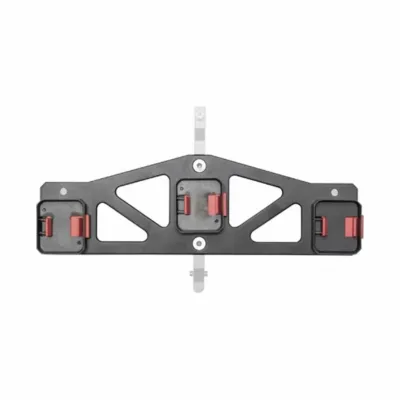
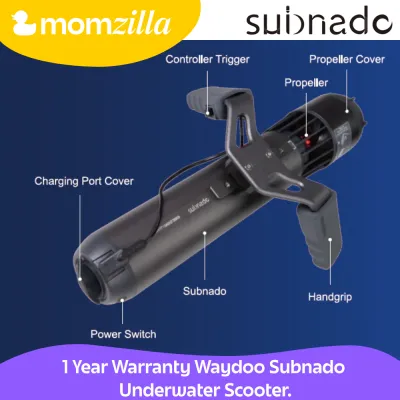
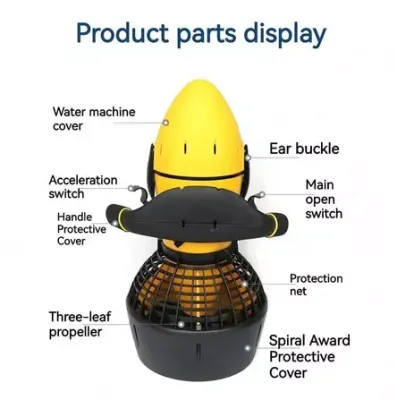
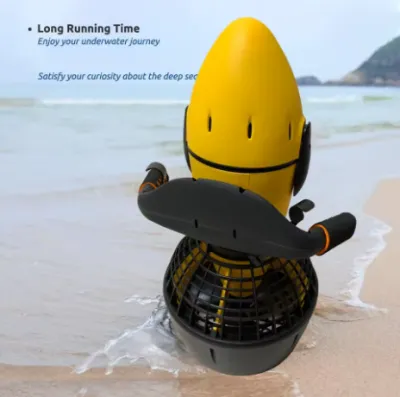
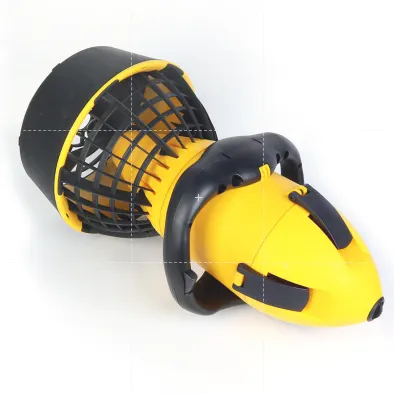
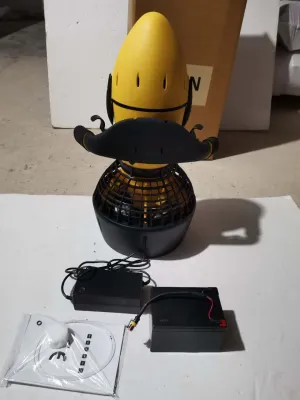

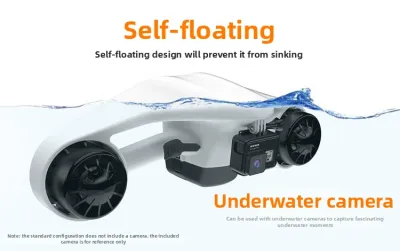
Prices are valid at publication and may change. Please refer to the product page for the latest price.
Before purchasing, always cross-reference the manufacturer’s recommended skill level with your own diving certification. Using a high-thrust, complex scooter without proper training can lead to rapid ascents or disorientation.
Consider the practical trade-offs of different designs. Lightweight, travel-friendly scooters are easy to pack for island-hopping trips but may struggle against strong tidal currents. Heavier, high-thrust professional models provide excellent stability and power but require more effort to transport and handle on small dive boats.
Verify Depth Ratings and Buoyancy for Your Dive Profile
Every underwater scooter comes with a maximum operating depth rating specified by the manufacturer. It is critical to verify this rating against your planned dive profiles, as exceeding these limits risks housing deformation, seal failure, and catastrophic water ingress.

Buoyancy is another vital factor for effortless underwater handling. A scooter should ideally feature neutral or slightly negative buoyancy in the water to prevent you from fighting the device to maintain your depth.
If a scooter is too buoyant, it will constantly pull you toward the surface; if it is too heavy, it will drag you downward, increasing physical fatigue and air consumption.
Check the scooter’s in-water weight specifications before your dive. You will likely need to adjust your personal weight belt or integrated BCD weight pockets to compensate for the scooter’s buoyancy characteristics.
Translate Motor Thrust and Battery Specs into Real Dive Time
When evaluating motor performance, distinguish between the advertised top speed and the sustainable cruising speed. High top speeds are useful for short bursts, but sustainable cruising speed is what you will rely on when navigating steady ocean currents.
Battery capacity directly dictates your realistic run time under load. Keep in mind that operating the scooter at its maximum speed setting drains the battery significantly faster than using a low or moderate thrust setting.
Review the battery chemistry and charging requirements carefully. Most modern scooters use lithium-ion batteries, which require specific charging protocols and are subject to strict transport regulations.
If you plan to travel between islands or internationally, verify the watt-hour (Wh) rating of the battery. Many commercial airlines impose strict limits on lithium battery capacities allowed in passenger cabins.
Assess Ergonomics and Controls for Gloved Hands
Physical design and control layouts must be comfortable to operate throughout your dive. Evaluate the handle designs, grip materials, and trigger placements to ensure they remain functional even when wearing thick neoprene diving gloves.
Look for intuitive speed controls and variable thrust settings that allow you to adjust your pace smoothly. An easily accessible emergency shut-off mechanism or a dual-trigger safety system is essential to stop the motor instantly if you lose your grip.
If you plan to document your dives, check the available mounting options and balance points on the scooter’s chassis. Mounting an action camera or dive lights should not disrupt the unit’s balance or block your view of the controls.
Establish Safety Checks and Pre-Dive Inspection Routines
Prioritize models equipped with robust safety features. Essential built-in mechanisms include protective propeller guards to prevent finger injuries or gear entanglement, lock-out switches to prevent accidental activation on land, and clear low-battery warning indicators.
Establish a strict pre-dive inspection routine before every entry. Carefully inspect the main O-rings for dirt, hair, or cracks, verify the integrity of all watertight seals, and ensure the battery connections are clean and secure.
Never ignore signs of wear or system alerts. If you observe any error codes, physical damage, or compromised seals during your pre-dive check, stop using the scooter immediately and consult the manufacturer or a qualified service technician.
Frequently Asked Questions (FAQ)
Can I take an underwater scooter on an airplane?
- Airline Policies: Check specific airline guidelines regarding lithium-ion batteries, as most carriers limit carry-on batteries to a specific watt-hour threshold, typically 100Wh to 160Wh, and prohibit them in checked luggage.
- Packing Method: Detach the battery from the scooter body, protect the battery terminals with electrical tape to prevent short circuits, and pack the battery in your carry-on bag while securing the scooter frame in your checked baggage.
How do I maintain the scooter after a saltwater dive?
- Rinsing: Thoroughly rinse the entire unit in clean, fresh water after every dive, paying close attention to the propeller assembly, trigger mechanisms, and charging ports to flush out salt crystals and sand.
- Drying and Storage: Allow the scooter to air-dry completely in a shaded, well-ventilated area away from direct sunlight, then inspect the O-rings and apply a thin layer of manufacturer-recommended silicone lubricant to keep the seals pliable.
Community discussion
Share your experience or ask a question. Comments are reviewed before publication.