
To keep your treadmill running smoothly and prevent costly motor damage, you must use the correct type of lubricant. For the vast majority of modern home treadmills, the only acceptable lubricant is 100% silicone-based treadmill oil. Using the wrong fluid can permanently ruin the synthetic rubber belt, strip the low-friction coating off the deck, and place an immense strain on the motor, potentially leading to an expensive repair bill of ₱10,000 or more.
In tropical climates like the Philippines, maintaining your fitness equipment requires extra vigilance. High ambient humidity combined with household dust can create a sticky paste under the belt if the wrong lubricant is applied. This guide will help you identify the exact lubricant your machine needs, understand why household oils are dangerous, and walk you through a safe, step-by-step application process to protect your investment.
How to Identify the Correct Treadmill Oil for Your Machine
Before purchasing any lubricant, you must verify the exact specifications required by your treadmill manufacturer. Every machine is engineered with specific materials, and using an incompatible product can instantly void your warranty. Start by locating the maintenance or lubrication section in your user manual. If you have misplaced the physical copy, most manufacturers provide downloadable PDF manuals on their official websites, searchable by your machine’s exact model number.
Products mentioned in this guide

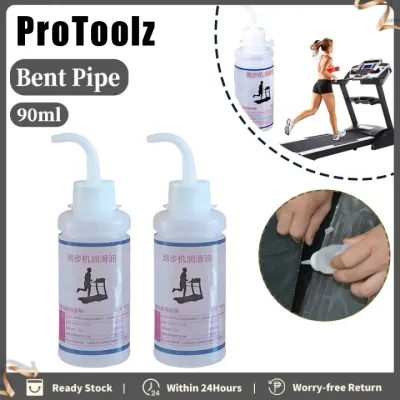
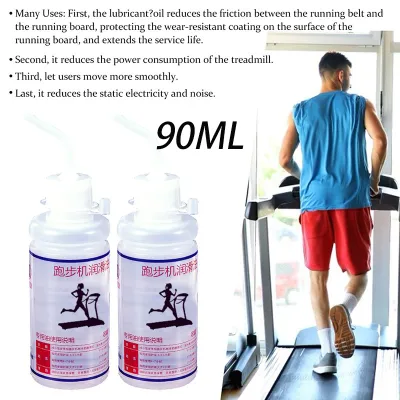
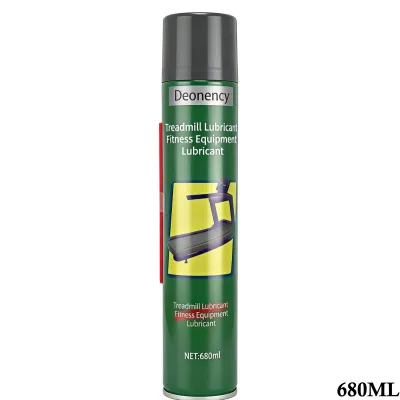
Prices are valid at publication and may change. Please refer to the product page for the latest price.
Some treadmills feature physical warning labels near the power switch, the rear roller, or underneath the motor cover. These labels often state the specific type of lubricant required or warn against self-lubrication. Pay close attention to these warnings, as some high-end or commercial-grade treadmills are built with pre-lubricated, self-lubricating, or wax-infused decks. These specialized machines are designed to operate without external liquid silicone; applying oil to a wax-infused deck can ruin the low-friction surface and require a complete deck replacement.
Be cautious of generic products marketed as “universal” treadmill lubricants. While many are indeed pure silicone, some contain additives or propellants that may not be compatible with your specific belt material. Always cross-reference the ingredients of any aftermarket oil with the requirements listed in your manual. If the manual is unclear, lost, or directly conflicts with the claims on a lubricant bottle, stop the process immediately. Consult the manufacturer’s customer support line or contact a qualified local fitness equipment technician to confirm compatibility before proceeding.
Common Treadmill Lubricant Types and What to Avoid
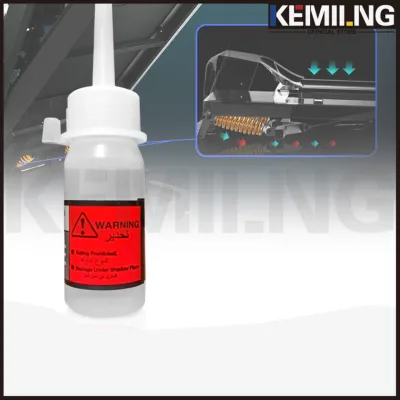
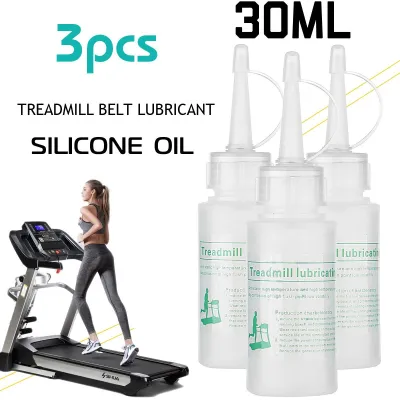
Treadmill lubricants generally fall into two main categories: liquid silicone and wax-based formulas. Liquid silicone is the standard for most modern residential treadmills. It is highly viscous, clear, and designed to withstand the high temperatures generated by the friction of your feet pressing the belt against the deck. When purchasing silicone oil, look for bottles that feature an applicator nozzle or a long, flexible tube, which makes it much easier to reach the center of the deck without loosening the belt excessively.

Wax-based lubricants are typically used on older treadmill models or specific commercial brands. These come in the form of a fine powder or solid sticks that melt under the heat of normal operation. It is critical not to mix these two types; applying liquid silicone to a deck designed for wax, or vice versa, can create a gummy, high-friction mess that will quickly overload the motor. Always stick strictly to the lubricant type specified by the manufacturer.
You must absolutely avoid using common household lubricants on your treadmill. Products like WD-40, motor oil, sewing machine oil, cooking oil, or petroleum jelly should never come near your fitness equipment. WD-40 is a penetrating solvent designed to displace water and break up rust; it evaporates quickly and leaves behind a sticky residue that attracts dust, accelerating wear. Petroleum-based motor oils and greases contain chemical additives that actively dissolve synthetic rubber and plastic, which will cause your treadmill belt to stretch, warp, and eventually snap. Cooking oils will go rancid, emit an unpleasant odor, and turn into a thick, tacky glue that can seize the belt entirely.
When shopping for treadmill oil, read the product label carefully to ensure it is explicitly formulated for fitness equipment. The label should state that the product is 100% silicone with no added solvents, petroleum distillates, or aerosol propellants. Aerosol sprays often contain chemical propellants that can degrade the plastic parts of your treadmill over time, so pure liquid silicone in a squeeze bottle is generally the safest and most effective choice.
Step-by-Step Guide to Lubricating the Treadmill Belt
Lubricating your treadmill belt is a straightforward maintenance task, but it requires careful preparation to ensure safety and prevent damage to the machine. Before you begin, always unplug the treadmill from the electrical outlet. Working on a plugged-in machine poses a severe risk of accidental startup, which can cause serious hand injuries if your fingers are caught under the belt. Clear the surrounding floor space and place a protective sheet or old towels around the base of the treadmill to catch any accidental drips.
To apply the oil effectively, you will need to loosen the belt tension slightly. Locate the adjustment bolts at the rear of the treadmill, on either side of the roller. Using the Allen wrench or hex key that came with your machine, turn both the left and right bolts counterclockwise. It is vital to keep track of the exact number of turns you make—for example, write down “three full counterclockwise turns on each side.” Keeping the turns identical ensures that the belt remains properly aligned and centered when you tighten it later.
Once the belt is loose, gently lift one side of the belt near the middle of the deck. Insert the applicator nozzle of your treadmill oil bottle as far toward the center of the deck as possible. Squeeze the bottle gently to apply a thin, even stream of silicone oil from the front of the deck toward the back, focusing on the area where your feet make the most contact during a workout. Repeat this process on the opposite side of the treadmill. Be careful not to over-saturate the deck; most manufacturers recommend using approximately 15 to 30 milliliters of oil per application.
After applying the oil, you must restore the belt to its original tension. Turn both rear roller bolts clockwise by the exact same number of turns you recorded earlier. Plug the treadmill back into the wall outlet. Stand on the side rails—do not stand on the belt yet—and turn the machine on at a very low speed of about 2 to 3 km/h. Let the unoccupied treadmill run for two to three minutes to allow the rollers to distribute the silicone oil across the entire underside of the belt. Finally, walk slowly on the treadmill for another minute to press the oil into the deck and ensure a smooth, even glide.
How to Verify Proper Lubrication and Set a Maintenance Schedule
Once you have completed the application, you need to verify that the belt is properly lubricated and safely tensioned. Perform a quick touch test by unplugging the machine and sliding your hand under the center of the belt. The underside should feel slightly damp and smooth. If it feels dry, you may need to apply a small amount of additional oil. If it feels excessively greasy or wet, you have applied too much, and you must address this immediately to prevent slipping hazards.
Use a clean, dry microfiber cloth to wipe away any excess silicone oil that may have squeezed out to the side rails or the outer edges of the belt. Excess oil on the walking surface or side rails can cause you to slip and fall during a high-speed run. Additionally, listen closely to the machine while it runs unoccupied. A properly lubricated treadmill should operate with a quiet, consistent hum. If you hear squeaking, scraping, or if the belt hesitates when you step on it, check the belt tension and alignment according to your user manual.
Establishing a regular maintenance schedule is essential for extending the lifespan of your treadmill, especially in warm, dusty environments. In the Philippines, where humidity is high, dust can stick to the lubricated deck more quickly, increasing friction over time. A good rule of thumb is to check the belt dryness every 30 hours of use or once every three months. If you use the treadmill daily for intense running, you may need to lubricate it more frequently than someone who uses it for light walking a few times a week. Keep a small maintenance log near your machine to track the dates of each lubrication, helping you stay ahead of wear and tear before it leads to a costly motor replacement.
Frequently Asked Questions (FAQ)
Can I use WD-40 or standard household oils on my treadmill?
No, you should never use WD-40 or standard household oils on a treadmill. WD-40 is a solvent-based product that evaporates quickly, leaving behind a sticky residue that attracts dust and dirt, which actually increases friction over time. Household oils, motor oils, and cooking oils contain petroleum distillates or organic compounds that chemically degrade the synthetic rubber of the treadmill belt and strip the low-friction coating on the deck. This can cause the belt to warp, stretch, or snap, and places an immense load on the motor, creating a serious fire hazard.
How do I know if my treadmill belt actually needs lubrication?
The most reliable way to check is by performing a simple touch test. Ensure the treadmill is completely powered off and unplugged, then slide your hand under the center of the belt where your feet normally land. If the deck and the underside of the belt feel completely dry and dusty, it is time to lubricate. Other warning signs include a squeaking or rubbing noise during your workouts, a belt that hesitates or stutters when your foot strikes the deck, or a motor housing that feels unusually hot to the touch after a short session.
What should I do if I accidentally over-lubricate the belt?
If you apply too much oil, the belt can slip on the rollers, making the treadmill dangerous to use. First, unplug the machine from the power source. Use a clean, dry microfiber cloth to thoroughly wipe down the side rails and the exposed edges of the deck. To remove excess oil from underneath, slide a dry, lint-free towel completely across the deck under the belt, then manually pull the belt around to absorb the excess silicone. Once the surface feels slightly damp rather than wet, plug the machine back in, run it unoccupied at a low speed for a few minutes, and test it carefully at a slow walk before resuming your normal running routine.

Community discussion
Share your experience or ask a question. Comments are reviewed before publication.