
Finding the right diving mask is not about choosing the most expensive model or the one with the most features; it is entirely about finding a shape that matches your unique facial anatomy to create a natural, watertight seal. Unlike other gear that can be adjusted with straps or buckles, a mask must naturally conform to your face. Tightening the strap of an ill-fitting mask will not stop leaks; instead, it deforms the silicone skirt, causes painful pressure points, and can lead to water entering the mask at depth.
A leaking or poorly fitting mask can cause anxiety, obscure your vision, and compromise your safety underwater. While high-quality equipment is essential for exploring the ocean, it can never replace proper dive training, situational awareness, and sound judgment. Before heading into open water, every diver must know how to select, test, and adjust their mask on dry land. This guide walks you through the essential steps to evaluate, test, and fit a diving mask before purchasing, ensuring you avoid leaks and enjoy clear, comfortable views on your next dive.
Identify the Right Mask Features for Your Face Shape
To narrow down your initial options, you must understand how mask design and materials interact with different facial structures. The most critical component of any diving mask is the skirt, which is the flexible silicone border that contacts your skin. High-quality masks use liquid silicone, which remains highly flexible, hypoallergenic, and soft even after years of use. When evaluating a mask, look for a double feather-edge skirt. This design features an additional inner flap that runs parallel to the outer edge, providing a secondary barrier against water entry.
Products mentioned in this guide
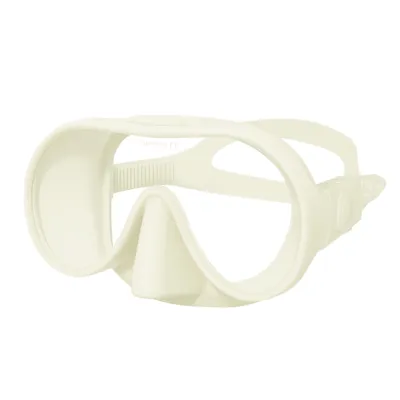
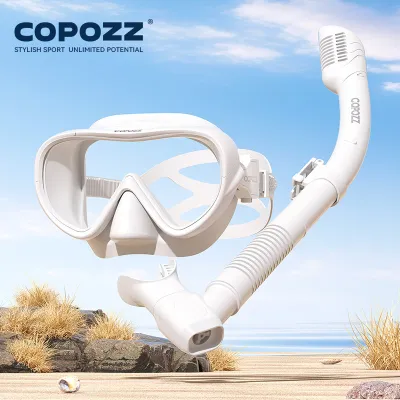
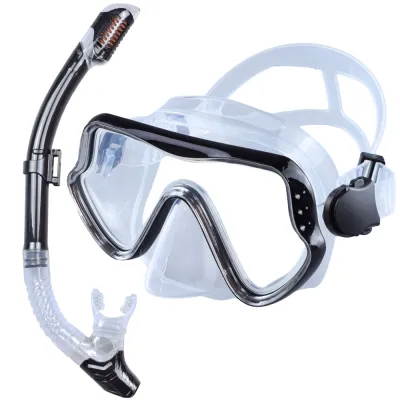
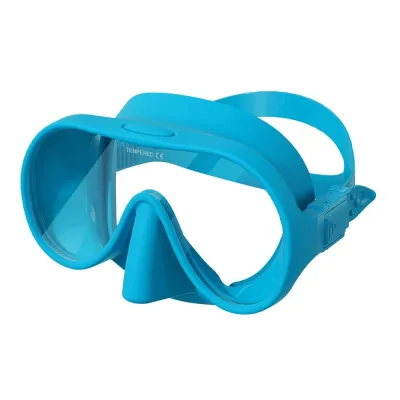
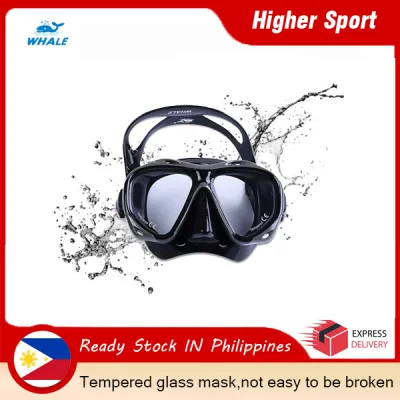

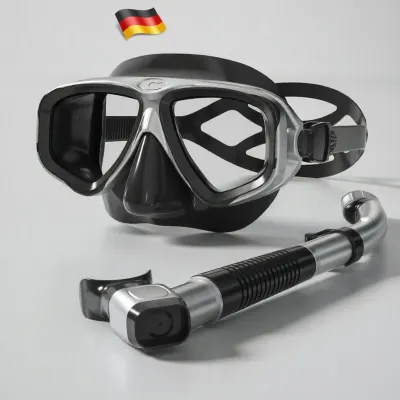
Prices are valid at publication and may change. Please refer to the product page for the latest price.
Masks generally fall into two categories: low-volume and high-volume frames. Low-volume masks sit closer to your face, reducing the pocket of air inside. This design makes the mask much easier to clear if water enters, requires less air to equalize during descent, and naturally brings the lenses closer to your eyes for a wider field of view. However, because the frame sits closer to the face, it may press against the nose bridge or forehead of some divers. High-volume masks offer a more spacious feel and are often preferred by divers who feel claustrophobic in tighter frames, though they require more effort to clear and equalize.
Skirt width and edge design must also match your face shape. Divers with narrow faces or prominent cheekbones should look for masks specifically labeled as small or narrow, which prevent gaps near the temples. Conversely, wider faces require a broader skirt to ensure the silicone edge does not sit too close to the outer corners of the eyes, where facial movement can easily break the seal. In tropical climates like the Philippines, where sweat, humidity, and sunscreen oils can affect how silicone grips the skin, choosing a skirt that naturally matches your facial contours is even more critical.
Perform the Strapless Inhale Test for a Watertight Seal
The strapless inhale test is the primary physical test used to confirm whether a mask can create a natural vacuum seal on your face without relying on strap tension. You should always perform this test on dry land before purchasing any mask. If a mask cannot hold a seal during this test, it will inevitably leak underwater, regardless of how tightly you pull the straps.

To begin the test, pull your hair completely back away from your forehead and temples. If you have facial hair, be aware that even a small amount of stubble or a mustache can break the seal under the nose. While a thin layer of silicone grease or petroleum jelly can sometimes help minimize leaks for divers with mustaches, finding a mask skirt that sits comfortably above or below the hair line is always the best approach.
Next, look slightly upward toward the ceiling and place the mask gently against your face. Do not put the strap over your head; let it hang loose in front of the mask or hold it completely out of the way. Ensure the skirt is sitting flat against your skin, with no folded edges or trapped hair.
Once the mask is positioned, inhale gently and steadily through your nose. You do not need a forceful, sudden inhalation; a soft, continuous draw of air is sufficient to create a vacuum. While holding your breath, release your hands from the mask.
If the mask fits your face shape, the suction created by your inhalation will hold the mask securely in place. It should not slide down, tilt, or fall off. While the mask is held in place by suction, feel around the edges of the skirt. If you feel air rushing in at the temples, the corners of your mouth, or the bridge of your nose, the mask is not a match for your facial structure. If the mask falls off the moment you release your hands, air is bypassing the skirt, indicating a structural mismatch.
Check Comfort, Equalization Clearance, and Field of Vision
Passing the strapless inhale test proves the mask can seal, but you must also ensure it remains comfortable during extended wear. A mask that seals perfectly but causes pain after ten minutes in the water will ruin your dive. Keep the mask on your face for a minute or two to assess the pressure distribution across your forehead, cheekbones, and upper lip.
Pay close attention to the hard plastic frame. If you feel the frame pressing directly against your forehead or the bridge of your nose while on dry land, this pressure will intensify significantly under water. At depth, the ambient water pressure pushes the mask tighter against your face, turning minor discomfort into a painful pressure point that can cause headaches or bruising.
Next, verify that the nose pocket provides adequate space to pinch your nose. Equalization is a fundamental safety skill in diving, and you must be able to easily block both nostrils with your fingers to perform the Valsalva maneuver. Reach up and attempt to pinch your nose through the silicone pocket. If the pocket is too small, too stiff, or positioned in a way that prevents you from getting a secure grip, equalizing your ears will be difficult. This is especially important if you plan to wear thick gloves in cooler waters, though even in the warm waters of the Philippines, a flexible and accessible nose pocket is essential.
Finally, evaluate your field of vision. Look up, down, and side-to-side without moving your head. A good mask should offer clear peripheral sightlines so you can monitor your dive buddy, read your pressure gauge, and stay aware of your surroundings. Ensure the frame does not create a blind spot directly below your eyes, which can make it difficult to locate your gear buckles or pocket accessories.
Adjust the Strap and Verify the Fit with Facial Movements
Once you find a mask that seals well and feels comfortable, you must learn how to position the strap correctly. The strap is not designed to pull the mask tight against your face; its only job is to keep the mask from slipping off your head. The natural water pressure at depth will do the work of holding the mask against your face.
When putting the mask on, position the strap high on the crown of your head, rather than low on your neck. The strap should run at a slight upward angle from your temples to the back of your head. If the strap is too low, it will pull the mask downward, putting pressure on your nose bridge and causing the top of the skirt to leak.
Adjust the strap tension so that it is snug but comfortable. You should be able to easily slide two fingers under the strap behind your head. If you remove the mask and find deep red lines pressed into your skin, the strap is far too tight. Over-tightening deforms the soft silicone skirt, pulling the edges away from your face and actually causing the very leaks you are trying to prevent.
With the mask strapped on, perform a dynamic fit test by simulating common facial movements. Smile widely, laugh, talk, and move your jaw from side to side. Next, mimic holding a snorkel or a regulator mouthpiece in your mouth. A mouthpiece changes the shape of your cheeks and upper lip. If these movements cause the mask to lift or break its seal, you may need to try a mask with a more flexible skirt or a different shape to accommodate your jaw movement.
Troubleshoot Common Leaks and Fitting Mistakes
If you experience minor leaks during a dive, do not immediately assume the mask is defective. Most leaks are caused by simple, correctable mistakes. The most common culprit is hair interference. Even a few strands of hair trapped under the silicone skirt will act as a micro-channel, slowly drawing water into the mask. Always use your fingers to sweep your hair back from your forehead and temples before positioning the mask.
Another common mistake is over-tightening the strap to stop an active leak. If water begins entering your mask during a dive, your first instinct might be to pull the strap tighter. However, this usually worsens the leak by buckling the skirt. Instead, pause, loosen the strap slightly, and ensure the skirt is lying flat against your skin.
If you consistently experience a leak at the bridge of your nose or under your nose, and adjusting the strap does not help, you are likely dealing with a structural mismatch. A gap at the nose bridge often means the mask frame is too wide or too flat for your facial profile. In this case, do not attempt to force a fit. Stop using the mask and try a different model with a deeper nose pocket or a narrower frame.
Whether you are investing in a entry-level mask around ₱1,500 or a premium model closer to ₱5,000, taking the time to perform these checks on dry land will save you from frustration, discomfort, and safety hazards underwater. Always prioritize fit and comfort over color, brand, or style.
Frequently Asked Questions (FAQ)
Can I use a standard snorkeling mask for scuba diving?
No, you should not use a standard, low-cost snorkeling mask for scuba diving. Scuba diving masks must be constructed with tempered glass lenses to withstand the pressure changes experienced at depth. Tempered glass is highly resistant to impact and pressure, and if it does break, it crumbles into small, granular pieces rather than sharp shards. Additionally, scuba masks feature high-grade silicone skirts that remain flexible under pressure, whereas basic snorkeling masks often use cheap plastic or PVC skirts that harden, crack, and leak when exposed to depth and cooler temperatures.
How do I know if a low-volume mask is the right choice?
A low-volume mask is an excellent choice if you want a mask that is easy to clear, requires minimal air to equalize, and offers a closer, more natural field of view. These features make low-volume masks highly popular among freedivers, spearfishers, and recreational scuba divers alike. However, because the glass sits closer to your face, you must verify during the fitting process that the frame does not press uncomfortably against your forehead or nose bridge, and that your eyelashes do not touch the lenses when you blink.
What should I do if my mask starts leaking underwater?
If your mask starts leaking underwater, remain calm and perform a standard mask-clearing maneuver. Tilt your head back slightly, press the top frame of the mask firmly against your forehead with your fingers, and exhale steadily through your nose. The exhaled air will displace the water, forcing it out through the bottom of the skirt. If water continues to enter, use your fingers to check for trapped hair or a folded skirt edge along your forehead, and ensure your strap is not positioned too low on your head or pulled too tight.
Community discussion
Share your experience or ask a question. Comments are reviewed before publication.