
When selecting ankle weights for kids, the primary rule is to prioritize safety and joint protection over high resistance. Children’s musculoskeletal systems are still developing, meaning their bones, tendons, and growth plates are highly sensitive to external loads. Instead of looking for a single universal weight, you must evaluate your child’s age, physical size, baseline fitness level, and the specific activity they plan to perform.
To keep your child safe, always start with the lightest possible resistance—often beginning at a fraction of a pound—and focus entirely on maintaining proper movement form. This guide outlines how to measure for a secure fit, decode weight specifications, and establish clear safety boundaries to ensure a positive and injury-free experience.
Decoding Weight Specifications for Developing Bodies
Added resistance alters how forces travel through a child’s developing joints and bones. Because their growth plates are still maturing, excessive or improper loading can cause unnecessary strain on their ankles, knees, and hips. Keeping the resistance minimal is the standard approach for pediatric fitness, coordination training, and physical rehabilitation.
Products mentioned in this guide
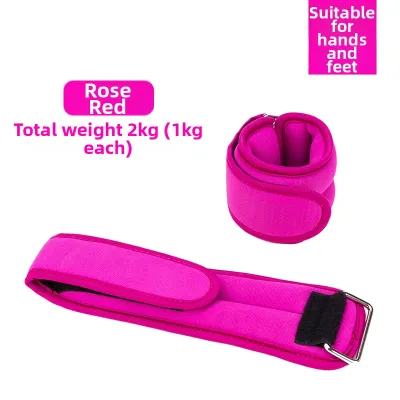
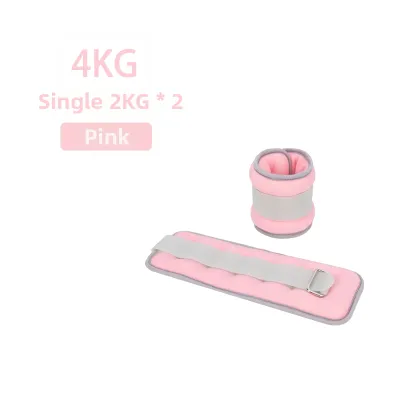
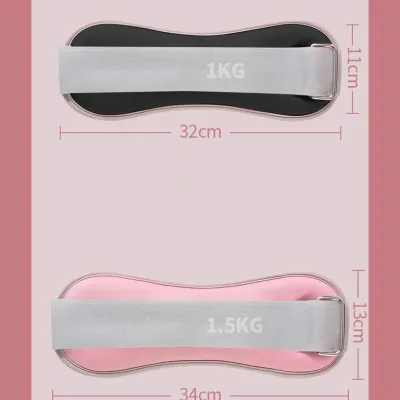
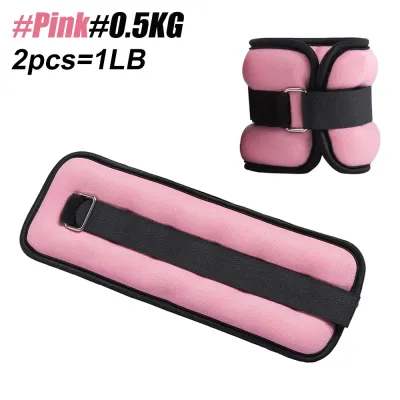

Prices are valid at publication and may change. Please refer to the product page for the latest price.
Always begin with the lowest weight increment available on the market. Before you consider any progression, observe your child’s movement mechanics closely during their exercises. If you notice their stride changing, their knees turning inward, or their balance faltering, the weight is too heavy and should be removed immediately.
The intended activity also dictates the necessary weight threshold. For example, structured physical therapy exercises performed under direct professional supervision require different parameters than light walking or specific sports drills. Using ankle weights during high-impact activities like running or jumping is generally discouraged due to the increased stress on the joints.
Before purchasing, always check the manufacturer’s specified weight limits and age recommendations on the product packaging. These guidelines provide a critical safety baseline established by the manufacturer to prevent misuse and ensure the product is physically suitable for younger users.
Sizing and Fit: Measuring for Safety and Comfort
A secure, comfortable fit is essential to prevent injury and ensure the weights do not slip during movement. To find the correct size, wrap a flexible measuring tape around the narrowest part of your child’s ankle, just above the ankle bone. Use this measurement to cross-reference the manufacturer’s sizing guide rather than guessing based on age.

Evaluate the closure mechanisms carefully before making a choice. Adjustable hook-and-loop straps are highly common, but they must have enough length to wrap securely without cutting off circulation. The strap should remain firmly fastened during dynamic movements to prevent the weight from shifting or sliding down.
In tropical climates like the Philippines, high humidity and heat can quickly lead to sweat buildup under the cuffs. Choose ankle weights with breathable inner linings, soft edge padding, and moisture-wicking fabrics to prevent painful skin friction, chafing, or heat rashes. A soft, padded edge also prevents the weight material from digging into the skin.
Before letting your child exercise, perform a quick fit check. Ensure the weight packets are evenly distributed around the ankle, the cuff does not slide up and down the shin, and there is enough clearance to move the foot freely. The cuff should feel snug but comfortable, allowing you to slip one finger easily between the strap and the skin.
Matching Weight and Size to Age and Fitness Level
Physical development varies widely among children, meaning chronological age is only a starting point. For toddlers and preschoolers, adding external resistance like ankle weights is generally discouraged unless specifically prescribed and monitored by a pediatric physical therapist or medical professional. Their natural play and bodyweight movements provide more than enough resistance for healthy development.
For school-aged children and teenagers, the approach depends heavily on their baseline physical conditioning. Beginners should focus entirely on mastering bodyweight movements and building foundational coordination before introducing any external loads. Introducing weights too early can disrupt their natural movement patterns and lead to poor habits.
Trained youth athletes who already possess strong core stability and proper joint alignment may use light ankle weights for specific, supervised conditioning drills. However, their demonstrated movement quality and joint strength remain far more important decision factors than their age. If a child cannot maintain a stable core during bodyweight exercises, they are not ready for added resistance.
When selecting a product, cross-reference your child’s current height and body weight with the manufacturer’s sizing charts. A proper match ensures the physical dimensions of the weight cuff align correctly with the length of the child’s lower leg, preventing the product from covering too much of the shin or interfering with the foot’s range of motion.
Safety Boundaries and Usage Limits for Kids
Prioritize safety by monitoring your child closely during every session. Stop the activity immediately if you observe warning signs such as an altered gait, limping, joint discomfort, or skin redness around the ankle area. These indicators suggest that the weight is either too heavy, poorly fitted, or causing excessive friction.
Remember that ankle weights are strictly supplementary tools. They can never replace proper movement form, foundational strength training, or qualified coaching. If a child cannot perform an exercise correctly without weights, they are not ready to use them, and adding resistance will only compound the risk of injury.
Always consult a pediatrician, physical therapist, or certified youth fitness specialist before introducing resistance equipment to a child’s routine. A professional evaluation ensures the child’s joints are ready for the added stress and helps you establish a safe, customized exercise plan.
Regularly inspect the equipment for wear and tear. If you notice strap degradation, frayed stitching, or worn-out padding that compromises the fit, retire the weights immediately. Damaged equipment can slip during exercise, leading to trips, falls, or sudden joint strain.
Frequently Asked Questions (FAQ)
Can ankle weights stunt a child's growth?
The general medical consensus indicates that safe, age-appropriate resistance training does not stunt a child’s growth. However, improper joint loading or using weights that are too heavy can strain developing growth plates and lead to acute injuries. A professional evaluation is necessary to determine if your child is physically prepared for this type of exercise.
Are adjustable ankle weights better for growing kids?
Adjustable straps are highly practical for growing children because they accommodate growth spurts and changes in clothing thickness. However, if you choose a model with removable weight inserts, you must verify that the inserts lock securely into their pockets. Loose weights can shift during active use, disrupting your child’s balance and increasing the risk of injury.
Community discussion
Share your experience or ask a question. Comments are reviewed before publication.