
When buying an arm sleeve for volleyball, the primary features to evaluate are targeted impact padding, graduated compression levels, breathable moisture-wicking fabrics, and secure anti-slip grips. These technical elements work together to protect your skin from floor burns, stabilize your muscles during high-velocity swings, and keep you comfortable throughout intense matches. Whether you are diving for a hard-driven spike or executing a precise set, the right sleeve acts as a functional layer that supports your performance and accelerates recovery.
Selecting the ideal sleeve requires balancing your specific court role with the physical demands of your playing environment. By understanding how different materials, padding structures, and fit profiles interact with your body, you can make an informed decision that enhances your play and protects you from common court injuries.
Identify Your Position and Court Environment
Your position on the volleyball court dictates the physical movements you perform most frequently, which directly influences the type of arm sleeve you need. Liberos and defensive specialists spend a significant portion of the match close to the floor, executing diving saves, rolls, and pancakes to keep the ball alive. For these defensive roles, maximum impact protection along the forearms and elbows is the absolute priority to prevent painful floor burns and deep bruising.
Products mentioned in this guide
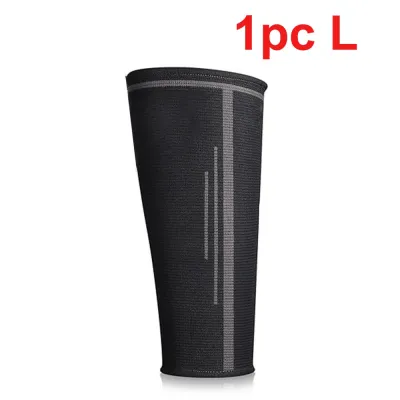
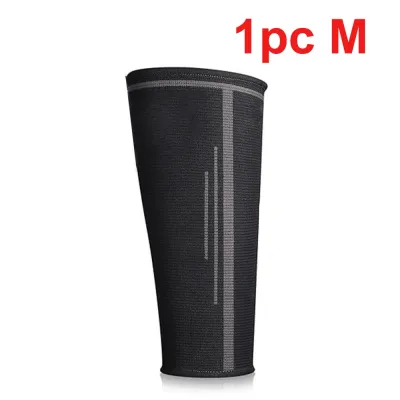
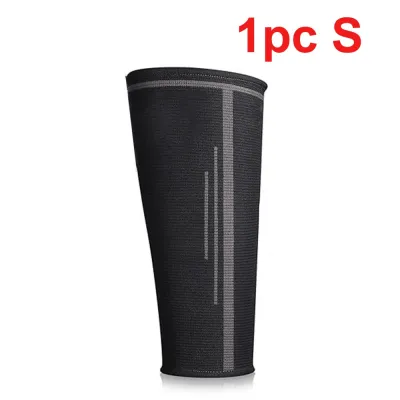
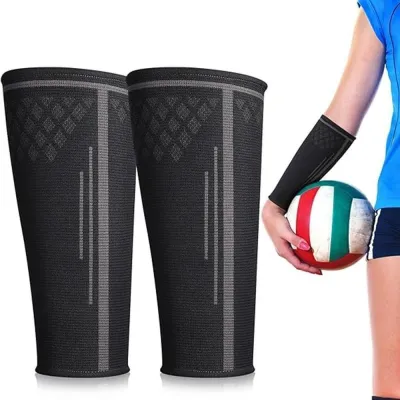
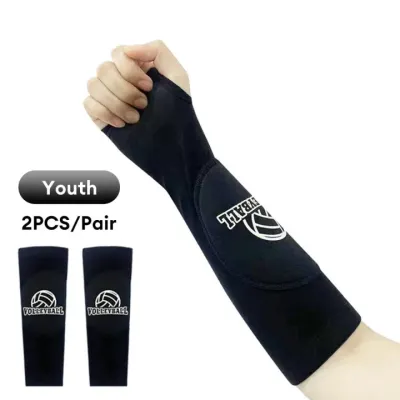
Prices are valid at publication and may change. Please refer to the product page for the latest price.
In contrast, setters and hitters require completely unrestricted movement in their shoulders, elbows, and wrists. Setters rely on precise finger and wrist coordination to direct the ball, meaning any bulky padding near the wrist can disrupt their contact. Hitters and blockers execute explosive overhead arm swings for spikes and serves, requiring a lightweight, highly flexible sleeve that provides muscle warmth and mild compression without adding weight or restricting their range of motion.
The physical environment where you train and compete also plays a major role in your selection. Indoor courts in the Philippines are often located in high-humidity, non-air-conditioned school gyms or community sports centers. In these warm settings, an arm sleeve must offer exceptional breathability and moisture management to prevent sweat from pooling on your arms and making your passing platform slippery.
For beach volleyball players and those training on outdoor concrete courts, the environmental challenges shift to sun exposure and abrasive elements. Outdoor play demands sleeves with verified UV protection to safeguard your skin against intense solar radiation. Additionally, beach players need tightly woven, sand-resistant fabrics that prevent abrasive sand particles from trapping moisture against the skin, which can cause severe chafing during long matches.
Choose the Right Padding for Digs and Dives
Forearm and elbow protection is vital for players who frequently dive and slide across the court floor. When evaluating an arm sleeve volleyball players use, look closely at where the padding is positioned. The primary impact zones are the outer forearm, which bears the brunt of lateral slides, and the elbow joint, which is highly vulnerable to direct impact during deep dives. High-quality sleeves place reinforced padding precisely over these areas to absorb shock and protect the skin.

Padding structures generally fall into two categories: honeycomb (or hexagonal) foam and solid high-density foam. Honeycomb padding consists of individual, closely spaced foam pods that compress independently. This design is highly flexible because the gaps between the pods allow the sleeve to contour naturally around your arm and elbow joint, dispersing impact forces across a wider surface area while maintaining a full range of motion.
Solid high-density foam provides a continuous, thick barrier of protection. While it offers excellent shock absorption for heavy, direct impacts, it can feel stiff and may restrict your ability to bend your elbow fully. If you prefer the heavy-duty protection of solid foam, verify that the padding is pre-curved or segmented by the manufacturer to allow natural elbow flexion during play.
Flexibility is paramount because any restriction in elbow movement can alter your passing platform or disrupt your serving mechanics. Before using a padded sleeve in a match, perform a series of practice swings and passing motions. The padding must stay securely over the target impact zones without shifting, bunching, or pinching the sensitive skin inside your elbow crease.
Match Compression Levels to Your Recovery Needs
Compression sleeves apply targeted, graduated pressure to the arm muscles, which helps stabilize the tissues and reduce muscle vibration during explosive movements. This stabilization minimizes microscopic tears in the muscle fibers, helping to reduce soreness and fatigue during multi-day tournaments. Understanding the difference between active play compression and recovery compression will help you choose the right level of support.
Mild compression is designed primarily to keep your muscles warm, promote blood flow, and improve proprioception—your body’s awareness of its position and movement. This level of support is comfortable for extended wear during long training sessions and does not restrict blood flow, making it the ideal choice for most active players during a match.
Firmer, graduated compression is engineered to actively assist venous return, helping oxygen-poor blood travel back to the heart more efficiently. This higher level of compression is highly beneficial for post-match recovery to reduce muscle swelling and stiffness, but it must be sized carefully to ensure it does not restrict arterial blood flow or cause discomfort during active play.
To verify the fit of a compression sleeve, wear it for at least ten to fifteen minutes while moving your arm through its natural range of motion. The sleeve should feel snug and supportive, like a firm second skin, without pinching. If you experience numbness, tingling, cold fingers, or deep, painful skin indentations after removing the sleeve, the compression is too high or the size is too small, and you should stop using it immediately.
Always check the manufacturer’s product labels and technical specifications rather than assuming all tight sleeves provide therapeutic compression. Many basic fashion sleeves are simply tight polyester tubes without the graduated engineering required to deliver genuine physiological benefits.
Prioritize Breathable Materials and Anti-Slip Grips
Playing volleyball in a tropical climate means managing high sweat volumes, which can quickly degrade the performance of your gear. Standard cotton or low-grade synthetic sleeves will absorb moisture, become heavy, and sag, ruining both compression and comfort. Look for high-performance nylon-spandex or polyester-spandex blends that feature advanced moisture-wicking technology.
Moisture-wicking fabrics pull sweat away from your skin and spread it across the outer surface of the fabric, where it can evaporate quickly. This process not only keeps your arm dry to maintain a consistent passing platform but also helps cool your body temperature through evaporative cooling. This cooling effect is essential for maintaining focus and energy in hot indoor gyms.
An arm sleeve is only effective if it stays in place during repetitive, high-velocity movements like spiking, blocking, and digging. Look for sleeves equipped with anti-slip features at the upper bicep band. High-quality sleeves often use thin silicone gripper strips, wide elastic bands, or specialized compression knitting to lock the top of the sleeve securely against your arm.
If you have sensitive skin or a history of contact dermatitis, test silicone grippers carefully, as sweat buildup under silicone can sometimes cause mild skin irritation. In such cases, look for hypoallergenic silicone formulations or wide, elasticized fabric bands that rely on tension rather than sticky coatings to stay up.
Pay close attention to seam construction. Traditional raised seams can rub against your skin during repetitive passing motions, leading to painful chafing and blisters. Opt for flatlock seams, which lie completely flat against the skin, or seamless circular-knit construction to ensure friction-free comfort during multi-hour matches.
Add UV Protection for Beach and Outdoor Training
Outdoor training exposes your skin to intense solar radiation, which can lead to severe sunburn and long-term skin damage. When selecting sleeves for beach volleyball or outdoor concrete courts, look for fabrics that carry a verified Ultraviolet Protection Factor (UPF) rating, such as UPF 50+, which blocks approximately 98% of harmful UV rays.
Avoid relying on generic “sun protection” or “UV resistant” marketing claims that lack a specific numerical rating. A certified UPF rating ensures the fabric has been laboratory-tested to verify its density and weave are tight enough to block both UVA and UVB radiation effectively.
There is a direct trade-off between color, heat absorption, and UV blockage. Darker colors naturally block more UV rays because they absorb more light, but they also absorb more solar heat, making your arms feel hot. Light-colored sleeves with a high UPF rating offer the best balance, reflecting solar heat while still providing excellent certified sun protection.
Keep in mind that arm sleeves only protect the skin they cover. Your hands, fingers, and any exposed skin at the wrist or upper shoulder remain vulnerable to sun exposure. Always apply a water-resistant, broad-spectrum sports sunscreen to these exposed areas, and reapply it regularly, especially after heavy sweating or contact with sand.
Measure Correctly to Ensure a Secure, Comfortable Fit
A poorly fitting arm sleeve will either slide down constantly or restrict your circulation, both of which degrade your performance on the court. To find your correct size, you must take accurate physical measurements of your arm using a flexible fabric measuring tape rather than relying on your standard t-shirt size.
Start by measuring the circumference of three key points on your dominant arm while your muscles are completely relaxed:
- Wrist: Measure around your wrist just above the bone.
- Forearm: Measure the widest part of your forearm below the elbow.
- Bicep: Measure the circumference of your bicep at the midpoint between your elbow and shoulder.
Next, measure your overall arm length. Extend your arm straight out to the side and measure from your wrist joint up to the mid-bicep area where you want the top band of the sleeve to rest. This step is crucial to ensure the sleeve is long enough to cover your passing platform without bunching up uncomfortably inside your elbow joint.
Once you have these measurements, cross-reference them directly with the manufacturer’s specific size chart. Sizing standards vary dramatically between brands; a size medium in one brand might correspond to a size small or large in another. If your measurements fall between two sizes, prioritize the bicep measurement to ensure the top band does not pinch or slip.
Common Buying Mistakes to Avoid
One of the most common mistakes is choosing an arm sleeve based entirely on aesthetics, colors, or brand logos while ignoring the functional specifications. A stylish sleeve that lacks moisture-wicking properties or proper padding will quickly become an uncomfortable distraction during a competitive match.
Another frequent error is ignoring the manufacturer’s care and washing instructions. Many padded sleeves contain specialized foam structures that can melt, warp, or crack if exposed to the high heat of a clothes dryer or the aggressive agitation of a heavy washing cycle. To preserve the integrity of the padding and the elasticity of the spandex, hand wash your sleeves in cold water and lay them flat to air dry.
Lastly, avoid the temptation to intentionally size down in an attempt to get “extra compression.” While a tighter fit might seem beneficial, an undersized sleeve can compress superficial nerves, restrict blood flow, and cause your hands to feel cold or numb. Always trust the manufacturer’s sizing guidelines to maintain a safe, performance-enhancing level of compression.
Frequently Asked Questions (FAQ)
Can I use basketball or running arm sleeves for volleyball?
While you can physically wear them, basketball and running sleeves are not optimized for the specific demands of volleyball. Running sleeves are designed strictly for lightweight warmth and moisture management, meaning they completely lack the impact padding required for floor digs and dives. Basketball sleeves often feature padding, but it is typically concentrated around the elbow joint to protect against court falls, whereas volleyball players need reinforced padding along the forearm where the ball makes direct contact during passes and digs. For the best combination of protection, flexibility, and passing platform stability, choose a sleeve engineered specifically for volleyball.
How often should I replace my volleyball arm sleeves?
The lifespan of a volleyball arm sleeve depends on your playing frequency, defensive style, and how well you care for the fabric. As a general guideline, you should replace your sleeves when you notice the elastic top band losing its grip, causing the sleeve to slip down during play. Other clear indicators for replacement include permanently compressed or cracked foam padding, frayed seams along the forearm passing platform, or persistent odors that remain even after thorough washing. Regularly inspect your sleeves before major tournaments to ensure they still offer the compression and impact protection you need.
Community discussion
Share your experience or ask a question. Comments are reviewed before publication.