
Finding the right elbow pad for basketball in the Philippines requires balancing impact protection with heat management. On local courts—ranging from concrete barangay plazas to humid indoor gyms—players face frequent physical contact, hard falls, and intense humidity. The ideal elbow pad must shield your joint from floor burns and collisions while staying securely in place despite heavy sweat.
Choosing the correct gear involves evaluating your playing style, position, and typical court conditions. While a guard might prioritize flexibility for shooting, a post player battling under the rim needs robust shock absorption. By understanding the key differences in materials, fit, and design, you can select an elbow pad that keeps you protected without hindering your performance.
Why Basketball Players Need Elbow Protection
Diving for loose balls is a hallmark of high-energy basketball, but doing so on concrete or unpolished wooden courts often results in painful friction burns. These abrasions can easily become infected in tropical climates if not properly protected. An elbow pad acts as a durable barrier between your skin and the rough playing surface, absorbing the friction and preventing painful scrapes.
Products mentioned in this guide
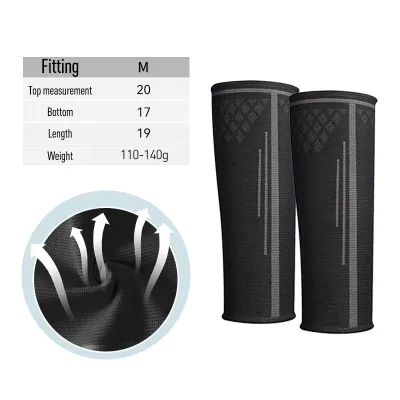
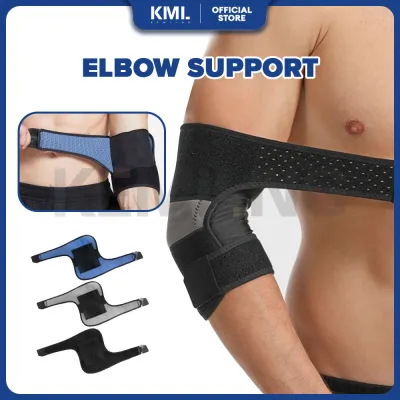
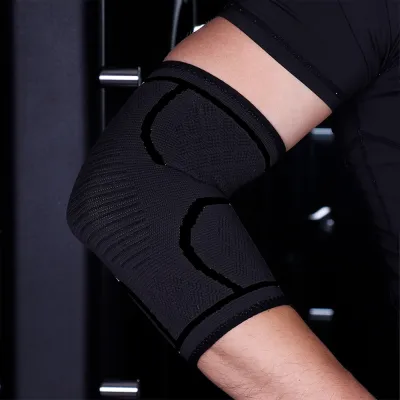
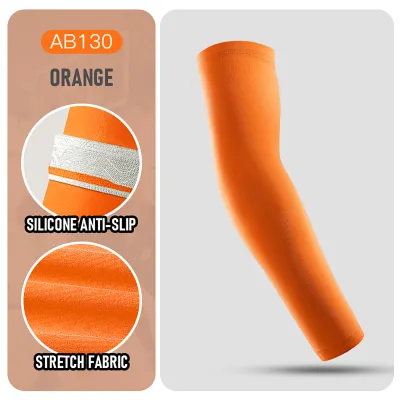
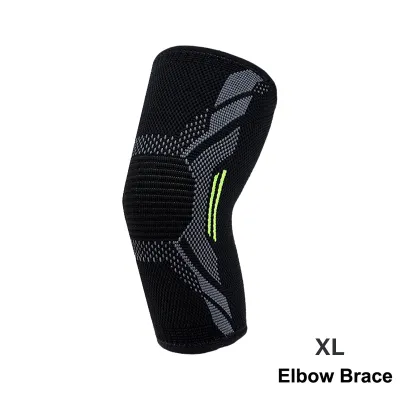
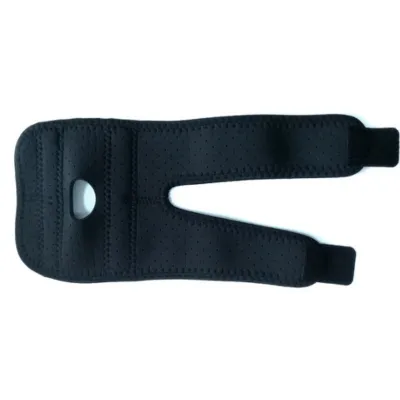
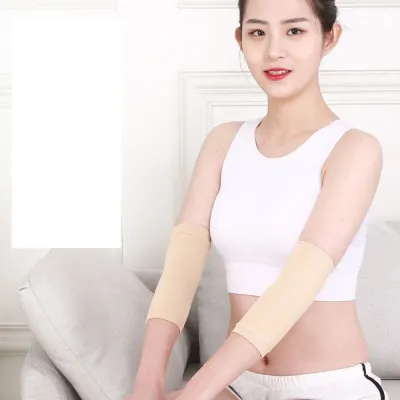
Prices are valid at publication and may change. Please refer to the product page for the latest price.
Beyond surface-level scrapes, basketball involves constant physical contact in the paint, where elbows frequently collide with opposing players’ ribs, shoulders, or knees. Falling backward after taking a charge or losing balance during a layup can send your elbow directly onto the hard ground. A padded sleeve disperses the force of these blunt impacts, reducing the risk of deep bruising or joint swelling.
Maintaining joint warmth and muscle compression is another key benefit of wearing protective sleeves during long games. The compression helps promote blood flow, which keeps the muscles and tendons around the elbow joint warm and responsive. This consistent warmth is particularly helpful during breaks in play, as it prevents the joint from stiffening up before you sub back into the game.
Key Features to Evaluate Before Buying
The type of padding material directly determines how well the gear absorbs impact and how heavy it feels on your arm. High-density foam is lightweight and offers reliable everyday protection, making it a popular choice for general play. Gel inserts provide excellent shock absorption and conform closely to the joint, though they can feel slightly heavier. Hard plastic shells offer the highest level of impact deflection but are typically reserved for players recovering from severe injuries.

Fabric technology is a critical consideration when playing in hot, humid environments where sweat buildup is inevitable. Look for synthetic blends like polyester and spandex that feature moisture-wicking properties to pull sweat away from your skin. Breathable mesh panels, especially in the crease of the elbow, allow air to circulate, which helps keep your arm cool and prevents the fabric from becoming waterlogged.
A pad that constantly slides down your arm is a major distraction on the court, making grip mechanisms a vital feature to inspect. High-quality elbow sleeves utilize anti-slip silicone strips along the inner top hem to grip the skin securely without causing irritation. Elastic bindings should be wide and flexible enough to distribute pressure evenly, ensuring the sleeve stays in place during explosive shooting and dribbling motions.
Durability and stitching quality determine how long your elbow pad will survive the rigors of weekly games and frequent washing. Look for flatlock seams, which lie flat against the skin to minimize chafing while providing exceptional tensile strength under tension. Reinforced stitching around the edges of the padding cells prevents the protective inserts from shifting or tearing away from the fabric over time.
Types of Basketball Elbow Pads and Their Use Cases
Different positions and playing styles on the court demand varying levels of protection and mobility. A guard who relies on quick crossovers and a smooth shooting release has different gear requirements than a post player who constantly battles for rebounds in physical paint matchups. Understanding these distinctions helps you choose a design that matches your specific role and movement patterns.
Compression Sleeves with Light Padding
Compression sleeves with light padding are designed primarily for perimeter players, guards, and shooters who cannot afford any restriction in their shooting mechanics. These sleeves feature a thin layer of foam over the elbow joint, offering a streamlined profile that feels almost like a second skin. This minimalist design ensures that your elbow can bend and extend fully without any bulk interfering with your shot release.
While these sleeves do not offer heavy-duty impact protection, they are highly effective at preventing floor burns, scratches, and minor scrapes during fast-paced play. If your primary concern is protecting your skin during occasional dives for loose balls or light contact on the perimeter, this style provides ample defense.
Additionally, the continuous compression provided by the long sleeve helps support the forearm and bicep muscles, reducing muscle oscillation during explosive movements. This mild compression keeps the joint warm, improves proprioception, and helps maintain a consistent feel throughout the game.
Hexagonal or Padded Sleeves
Hexagonal or segmented padded sleeves are a common choice for modern basketball players because of their versatile design. Instead of a single solid block of foam, these sleeves feature individual, closely spaced foam cells—often shaped like hexagons—that move independently. This segmentation allows the pad to wrap naturally around the curve of your elbow, maintaining a snug fit in any position.
When an impact occurs, the individual cells work together to disperse the force across a much wider surface area, significantly reducing the localized pressure on your joint. This design provides substantial shock absorption against hard floor impacts and collisions with other players, making it ideal for active rebounders and slashers.
The balance between flexibility and protection makes these sleeves suitable for players who transition between driving to the basket and shooting from the outside. You get the robust defense needed for physical play in the paint without sacrificing the flexibility required to bend your arm fully during dribbling and passing.
Hard-Shell or Hinged Elbow Guards
Hard-shell or hinged elbow guards represent the maximum level of protection available, utilizing rigid plastic or composite outer shields over a padded interior. These guards are engineered to deflect direct, high-velocity blows and prevent hyperextension of the elbow joint during intense physical contact.
The primary trade-off with hard-shell guards is a noticeable reduction in flexibility and range of motion. Because the outer shell is rigid, it can alter your natural shooting form and feel bulky during quick ball-handling maneuvers. Consequently, these guards are rarely worn by perimeter players who rely on quick, fluid arm movements.
Instead, these heavy-duty guards are best reserved for players returning from significant joint injuries, such as dislocations or severe sprains, where protecting the joint from re-injury is the absolute priority. They are also highly beneficial for post players who engage in constant, high-impact physical battles under the rim where direct elbow collisions are common.
How to Ensure the Right Fit and Sizing
Finding the correct size is crucial because an ill-fitting elbow pad can either restrict your performance or fail to protect you when you fall. To get an accurate measurement, use a flexible measuring tape to find the circumference of your arm at two points: about mid-bicep (above the elbow) and mid-forearm (below the elbow). Keep your arm relaxed and slightly bent during this process, as measuring a fully tensed or completely straight arm can lead to inaccurate sizing.
Once you have these measurements, compare them to the manufacturer’s specific sizing chart, as sizing can vary significantly between different brands. When trying on a new pad, it is essential to test your full range of motion by mimicking basketball movements like shooting, passing, and dribbling. The pad should stretch and flex smoothly with your arm without pinching the skin or pulling away from the joint.
Pay close attention to the warning signs of a poor fit during your initial try-on. If the sleeve is too tight, it can restrict blood flow, leading to cold fingers, tingling, or muscle fatigue during play. Conversely, if the sleeve is too loose, the fabric will bunch up behind the elbow crease, and the pad will slide down your arm as soon as you start running and sweating, leaving your joint unprotected.
Where to Buy and What to Verify Upon Delivery
To ensure you are purchasing genuine, high-quality protective gear, prioritize buying from official brand websites, authorized physical sporting goods stores, or verified flagship stores on major online marketplaces. Avoid purchasing from unverified third-party sellers offering unusually low prices, as counterfeit pads often use cheap, low-density foam that offers virtually no impact protection and degrades after a single wash.
When your package arrives, perform a thorough physical inspection before removing any tags or wearing the pad for a game. Check for authentic packaging, clear branding logos, and crisp, professional product tags. Examine the stitching along all seams to ensure there are no loose threads, skipped stitches, or uneven seams that could unravel during play.
Next, feel the padding material itself to verify that the protective inserts are evenly distributed and securely anchored within their pockets. Run your fingers along the inner hems to inspect the anti-slip silicone grips, ensuring they are fully intact, sticky to the touch, and free from peeling or cracking. Taking a few minutes to verify these details ensures your gear is safe, durable, and ready for the court.
Frequently Asked Questions (FAQ)
How do I wash my basketball elbow pads without ruining the padding?
To keep your elbow pads clean and odor-free without damaging the materials, hand washing is the safest and most effective method. Fill a basin with cold water and a small amount of mild detergent, then gently submerge and squeeze the sleeve to work the soapy water through the fabric and padding. Avoid twisting or wringing the sleeve forcefully, as this can warp the foam inserts or damage the elastic fibers.
If you prefer using a washing machine, place the elbow pads inside a mesh laundry bag to protect them from snagging on other items. Use a gentle cycle with cold water and mild detergent, and never use bleach or fabric softeners, which can break down the synthetic fibers and silicone grips. Always air dry the pads in a well-ventilated indoor area or a shaded outdoor spot; avoid using a high-heat dryer or placing them in direct sunlight, as extreme heat will degrade the foam and ruin the elasticity.
Should I wear elbow pads on both arms or just my dominant side?
Deciding whether to wear one or two elbow pads depends largely on your playing style, position, and personal comfort. Many players choose to wear a single pad on their dominant arm because it is the arm most frequently extended during shooting, making it more susceptible to floor contact during follow-throughs or when driving to the basket. Wearing a single sleeve also allows the non-dominant arm to feel completely unrestricted, which some players prefer for natural ball handling.
However, if you are a post player, active rebounder, or someone who frequently dives for loose balls, wearing a pair of elbow pads is highly beneficial. In these physical roles, both arms are constantly exposed to hard contact, floor impacts, and defensive collisions. Ultimately, asymmetrical wear is perfectly acceptable, so you should choose the configuration that provides the best balance of protection and comfort for your specific role on the court.
Community discussion
Share your experience or ask a question. Comments are reviewed before publication.