
Selecting the right calf sleeve for men requires matching the gear’s material, thickness, and compression level to the specific physical demands of your sport. While a basic sleeve might offer general warmth, running, basketball, and gym workouts each subject your lower legs to different forces. By focusing on how a sleeve manages moisture, resists abrasion, and stays in place during dynamic movements, you can find a pair that supports your training without restricting your natural range of motion.
Choosing the wrong sleeve can lead to discomfort, slipping, or restricted blood flow. To make an informed decision, you must evaluate the technical specifications on the product label and match them to your primary athletic activity.
Core Features to Check Before Buying
Before comparing sleeves for specific sports, you should understand the fundamental specifications that dictate how compression gear performs. The most critical factors are the compression rating, material composition, and structural design elements.
Products mentioned in this guide
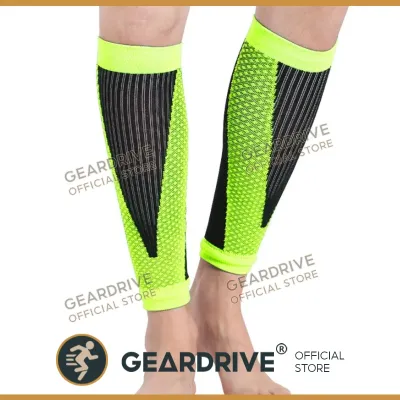
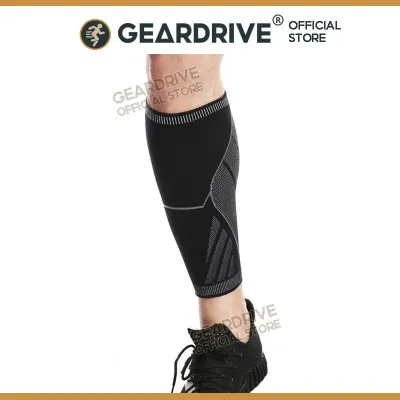
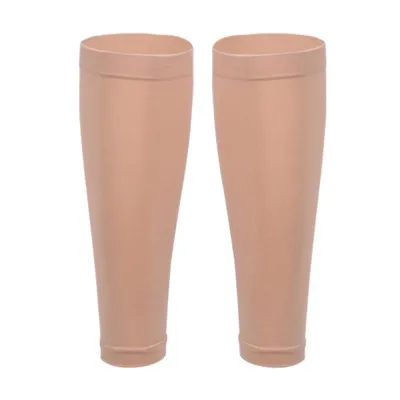
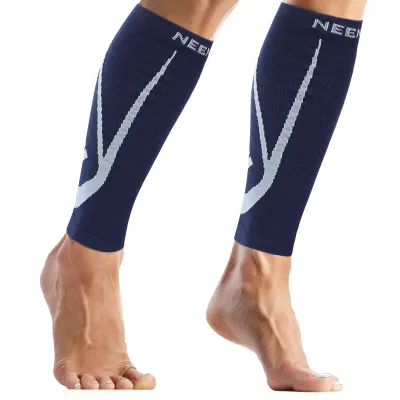
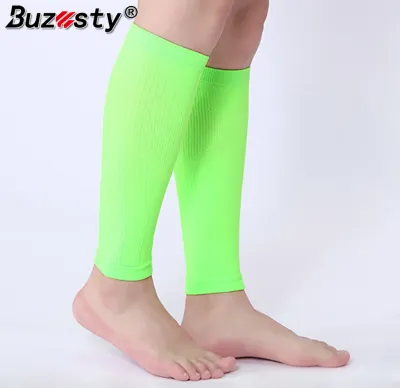
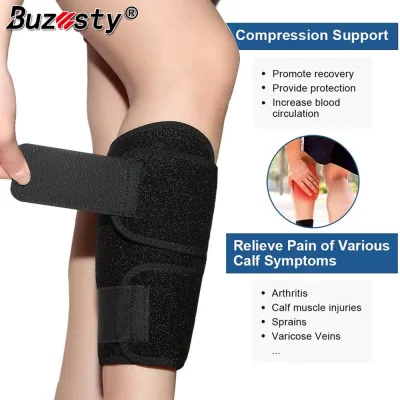
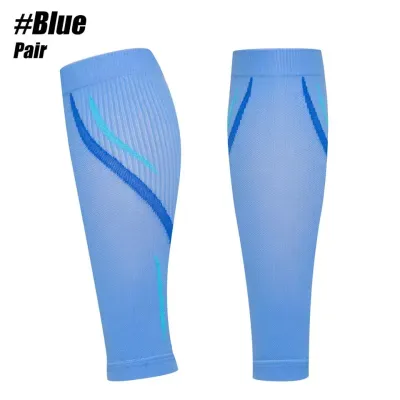
Prices are valid at publication and may change. Please refer to the product page for the latest price.
Compression levels are typically measured in millimeters of mercury (mmHg). For active sports and workouts, look for mild to moderate compression, usually ranging from 15 to 20 mmHg. This level provides a supportive, snug feel that stabilizes the calf muscle without restricting arterial blood flow during high-intensity movement. Higher compression levels, such as 20 to 30 mmHg, are generally better suited for post-workout recovery or long travel periods rather than active exercise.
The material blend determines how well the sleeve handles sweat and retains its shape. Most high-quality athletic sleeves use a blend of nylon and spandex (elastane). Nylon provides durability and structure, while spandex delivers the necessary stretch and compression. In hot and humid climates, such as the tropical weather in the Philippines, look for moisture-wicking synthetic blends or integrated mesh panels. These features allow sweat to evaporate quickly, preventing the fabric from becoming heavy, waterlogged, and prone to causing skin irritation.
Finally, inspect the sleeve’s construction details. Look for seamless knitting to minimize friction and prevent chafing along the shin and calf. A reliable top cuff is also essential; check for integrated silicone grip strips or wide, flat elastic bands. These design elements keep the sleeve securely positioned on your leg, preventing it from rolling down or bunching up during repetitive movements.
Choosing Calf Sleeves for Running
Running involves continuous, repetitive impact that subjects your lower legs to constant muscle oscillation. Over long distances, this micro-vibration can contribute to muscle fatigue and soreness. When selecting calf sleeves for running, your primary goals are weight reduction, breathability, and graduated compression.

Prioritize lightweight, highly breathable fabrics that can handle intense sweat. Running on hot asphalt or under the tropical sun generates significant body heat. Heavy or thick fabrics will trap this heat, leading to discomfort and increased sweating. Look for sleeves that feature thin, ventilated knit patterns, particularly along the back of the calf, to maximize airflow and keep your legs cool.
Graduated compression is another essential feature for runners. This design applies the tightest compression at the ankle and gradually decreases the pressure up toward the knee. To verify this, check the product packaging or manufacturer specifications for explicit mentions of “graduated compression.” This structural design supports upward blood flow back to the heart, helping to maintain circulation during long-distance road or trail runs.
If you frequently run on trails or uneven terrain, consider sleeves with slightly reinforced front panels. While still lightweight, these designs offer a basic layer of protection against trail debris, low-hanging brush, and accidental scrapes. However, ensure that any added protection does not compromise the overall breathability of the sleeve.
Selecting Calf Sleeves for Basketball
Basketball is a sport defined by explosive vertical jumps, rapid lateral cuts, and frequent physical contact. These dynamic movements place unique shear forces on your lower legs and require calf sleeves that offer high durability, secure grip, and abrasion resistance.
Look for thicker, tightly woven material blends that can withstand the rigors of the court. Basketball players frequently dive for loose balls or collide with other players, making floor burns and scratches common. A durable nylon-dominant sleeve acts as a protective barrier against court friction. If you play on rough outdoor concrete courts, which are highly popular across the Philippines, this abrasion resistance is even more critical to prevent the fabric from tearing after a single fall.
The constant jumping and sudden stops in basketball make sleeve slippage a common annoyance. To prevent this, look for sleeves equipped with robust, multi-channel silicone grips at the upper cuff. A wide, flat band distributes pressure more evenly and holds the sleeve firmly against the skin, ensuring it stays in place even when drenched in sweat during intense games.
Some basketball-specific sleeves also feature integrated compression zones that extend lower toward the ankle or wrap around the Achilles tendon. While these zones do not replace supportive ankle braces or athletic tape, they can provide a reassuring, locked-in feel that enhances your spatial awareness of the joint during complex footwork and lateral defensive slides.
Picking Calf Sleeves for Gym Workouts
Gym workouts, weightlifting, and functional fitness training require a balance between compression support and maximum joint flexibility. Whether you are performing deep squats, deadlifts, or high-intensity interval training, your calf sleeves must adapt to a wide range of motion.
To accommodate deep knee flexion and dynamic movements, choose sleeves with a higher percentage of spandex, typically 15% or more. This ensures the fabric can stretch easily without pinching the sensitive skin behind your knee or restricting your movement at the bottom of a squat. The compression should feel supportive but never restrictive during heavy lifts.
If your gym routine includes Olympic lifting or powerlifting, material durability against equipment friction is a major consideration. During deadlifts or clean-and-jerk variations, the barbell often scrapes directly against the shins. Look for calf sleeves that feature reinforced front panels or heavy-duty knit patterns designed specifically to resist barbell knurling. This protection helps prevent painful shin scrapes and keeps your shins clean without requiring you to wear thick, hot sweatpants.
For athletes who only want compression during specific heavy sets or high-impact exercises, ease of use is key. Look for highly elastic sleeves that can be pulled on and off quickly over your training shoes. Avoid overly stiff or complex designs if you plan to transition frequently between lifting and other gym activities.
Sizing, Fit, and Care Guidelines
To get the full benefits of a calf sleeve, you must select the correct size and care for the fabric properly. An ill-fitting sleeve can cause discomfort or even restrict your circulation, while improper washing can quickly destroy the elastic fibers.
To find your correct size, use a flexible tape measure while standing up. Measure the circumference of your calf at its widest point, and then measure the length of your shin from the bottom of your knee to the top of your ankle bone. Compare these measurements directly to the manufacturer’s specific sizing chart. Never guess your size based on your height, weight, or standard sock size, as calf shapes vary widely.
When trying on a new sleeve, pay close attention to how it feels. A proper fit should feel snug and supportive, similar to a firm, even hug around your lower leg. If you experience numbness, tingling, cold toes, or deep red indentations in your skin, the sleeve is too tight and should be replaced with a larger size. Conversely, if the sleeve rolls down, bunches behind the knee, or feels loose, it is too large to provide effective compression.
To preserve the compression fibers and maintain hygiene, wash your sleeves after every workout. Hand wash them in cold water using a mild detergent, or place them in a mesh laundry bag for a gentle machine cycle. Avoid using fabric softeners, as they leave a residue that clogs the moisture-wicking pores of synthetic fabrics. Always air dry your sleeves in a shaded area; avoid high-heat dryers and direct, intense tropical sunlight, as extreme heat degrades the elastic spandex fibers over time.
Frequently Asked Questions (FAQ)
Can I wear the same calf sleeves for all three sports?
Yes, you can use a single pair of general-purpose, medium-weight compression sleeves if you participate in these sports casually or at a low intensity. However, dedicated athletes will notice trade-offs. A thin, highly breathable running sleeve may quickly tear or wear out under the friction of a basketball court or a scraping barbell. Conversely, a thick, abrasion-resistant basketball sleeve may trap too much heat and feel uncomfortably heavy during a long-distance outdoor run.
How tight should a calf sleeve feel during exercise?
A calf sleeve should feel snug, supportive, and comfortably firm. It should apply even pressure across the entire muscle belly without pinching, throbbing, or restricting your joint movement. If you feel any sharp pain, loss of sensation, or a cold sensation in your feet, the sleeve is restricting your circulation. Remove the sleeve immediately and verify your measurements against the sizing chart to find a larger size.
Do calf sleeves prevent shin splints or muscle cramps?
Calf sleeves are not a cure or a guaranteed preventative measure for medical conditions like shin splints or muscle cramps. They can help reduce muscle vibration during high-impact activities, support local circulation, and improve your overall comfort during and after a workout. For persistent or severe lower leg pain, you should consult a healthcare professional or physical therapist, and ensure you are using proper footwear, warming up adequately, and maintaining proper hydration.
Community discussion
Share your experience or ask a question. Comments are reviewed before publication.