
To choose the right compression gloves for hands across different sports, you must match the compression level to your activity, verify fabric breathability, and ensure a precise fit. Compression gloves provide snug, consistent pressure over the joints and muscles of your hands, helping support blood flow and reduce minor muscle fatigue during movement. However, because different athletic activities place unique stresses on your hands—ranging from high-friction gripping in weightlifting to repetitive movements in tennis—a single pair of gloves may not suit every scenario. Selecting the correct pair involves analyzing the glove’s design features, material composition, and compression level to match your specific athletic environment.
Understanding Compression Levels and Sizing for Hand Support
To ensure safe and effective hand support, determining the correct size is your first and most critical step. Compression gear relies on a precise fit to deliver the intended pressure without causing discomfort. Before purchasing, always measure your hand circumference and length according to the manufacturer’s specific sizing chart. Use a flexible measuring tape wrapped around your palm, just below the knuckles, and measure from the base of your palm to the tip of your middle finger. Relying on your usual glove size can lead to choosing a pair that is either too loose to provide support or too tight to wear safely.
When reading product labels, pay close attention to the compression descriptors, which typically range from mild to moderate and firm. Mild compression is generally suitable for light, daily activities or extended wear during low-impact workouts. Moderate compression is often utilized for active sports support, helping to stabilize joints during repetitive motions. Firm compression is typically reserved for medical or therapeutic purposes and should generally be approached with caution unless specifically recommended. Always check the label to see if the gloves are designated for general athletic use or medical support, as this dictates how the pressure is distributed.
Products mentioned in this guide
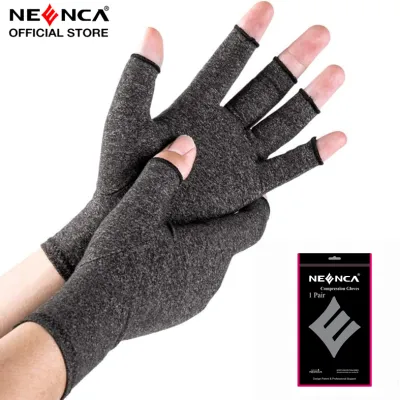
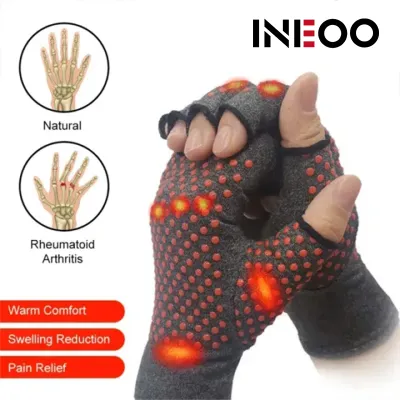
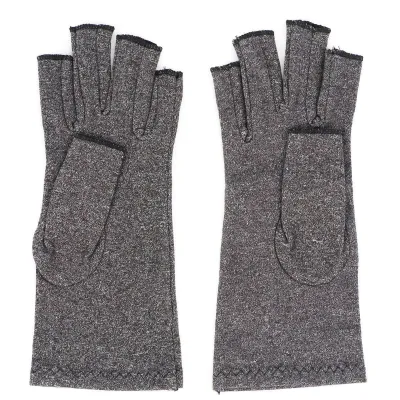
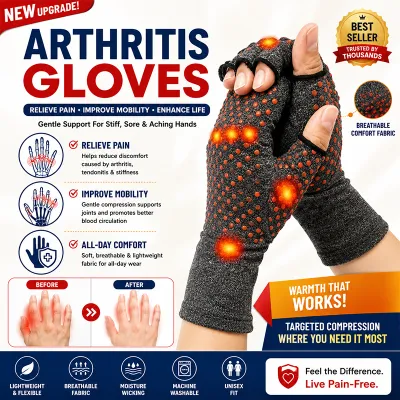
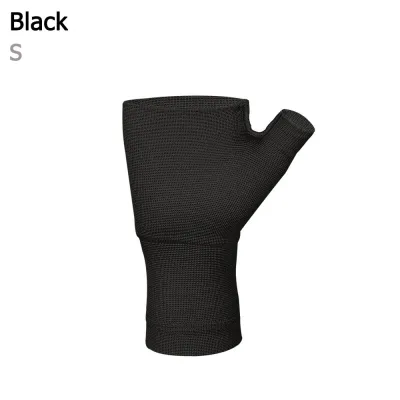
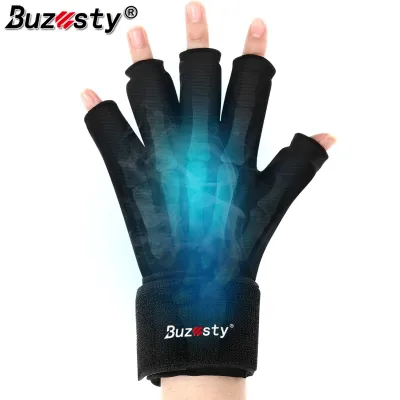
Prices are valid at publication and may change. Please refer to the product page for the latest price.
It is vital to recognize the signs of an improper fit immediately to prevent injury or circulatory issues. While the gloves should feel snug and supportive, they must never pinch, bind, or restrict your natural range of motion. If you experience numbness, tingling, cold fingertips, or visible skin discoloration while wearing the gloves, stop using them immediately. These symptoms indicate that the gloves are too tight or are pressing on nerves and blood vessels, which can lead to tissue strain.
If you are seeking compression gloves for specific injury rehabilitation, chronic joint pain, or post-surgical recovery rather than general sports support, consult a healthcare professional or physical therapist. A specialist can provide personalized guidance on the appropriate compression level and wear schedule for your condition. For general athletic use, focusing on comfort, flexibility, and moderate support will help you maintain hand mobility during your workouts.
Matching Glove Features to Your Specific Sport
Varying physical demands dictate glove design and structure, meaning the ideal glove for a cyclist will look and perform differently than one designed for a runner. Before evaluating specific sport categories, it is helpful to understand how different athletic environments influence the materials and features you should look for.

High-Impact and Grip-Intensive Sports
For activities that require heavy gripping, friction, or shock absorption, such as weightlifting, rowing, or cycling, your hands are subject to intense mechanical stress. To protect your skin and joints, look for reinforced palm padding or gel inserts on the product label. These features help absorb impact forces and reduce the risk of painful blisters and calluses during long training sessions.
Additionally, check for wrist wrap extensions or adjustable straps if your sport involves heavy lifting or repetitive wrist strain. These extensions provide extra stability to the wrist joint, helping to distribute the load more evenly during overhead presses or rowing strokes. Ensure the straps are adjustable so you can customize the level of support based on the intensity of your exercise.
Before use, verify the grip textures on the palms and fingers by examining product images or physical samples. Look for patterns made of silicone or high-friction rubber, which help maintain a secure hold on barbells, oars, or handlebars. A reliable grip is essential for safety, especially when your hands begin to sweat during intense workouts.
Endurance and High-Sweat Activities
Sports involving continuous movement and heavy perspiration, such as running, tennis, or outdoor training, require gloves that manage moisture effectively. In warm, humid tropical climates like the Philippines, sweat can quickly accumulate inside a glove, leading to slippage, skin irritation, and general discomfort. To prevent this, check the fabric composition label for moisture-wicking synthetic blends, such as nylon-spandex or polyester-elastane, which are designed to pull sweat away from your skin and dry quickly.
Chafing is another common issue during repetitive movements, such as the constant arm swinging of running or the rapid grip adjustments of tennis. To minimize this risk, look for seamless construction or flatlock stitching descriptions on the product packaging. Flatlock seams lie flat against the skin, reducing friction and preventing the painful rubbing that can disrupt your focus during a workout.
Furthermore, ensure the glove design offers full finger mobility or open-finger options if your sport requires frequent tactile adjustments. Open-finger compression gloves are highly practical for athletes who need to handle sports gear, tie shoelaces, or operate equipment while still receiving compression support around the palms and knuckles. This design allows you to maintain your natural sense of touch and dexterity.
Cold Weather and Outdoor Sports
Maintaining hand warmth and functionality is crucial when participating in outdoor sports in cooler environments, such as early morning runs or cycling in elevated mountain regions. Verify thermal or wind-resistant material claims on the product specifications to ensure the gloves can shield your hands from chilly drafts. Cold hands can quickly lose dexterity, making it difficult to grip handlebars or operate gear shifters safely.
If you rely on technology during your workouts, check for touchscreen-compatible fingertips on the gloves. This feature allows you to operate your smartphone, GPS device, or sports watch without having to remove your gloves and expose your hands to the cold air. Look for conductive materials woven into the thumb and index fingertips on the product description.
When choosing outdoor gloves, ensure the compression level is not compromised by thicker thermal layers. Some winterized gloves add bulky insulation that can restrict your finger movement and reduce tactile feedback. Look for streamlined designs that combine a thin thermal lining with high-stretch compression fabrics, allowing you to stay warm without sacrificing dexterity or support.
Evaluating Material and Durability for Active Use
To ensure your compression gloves withstand the rigors of regular athletic use, you must carefully evaluate their fabric quality and construction. Always examine the care label for specific washing instructions before cleaning your gloves. Most compression fabrics, such as spandex or elastane, degrade quickly when exposed to high heat or harsh chemical detergents. To preserve the elastic fibers, wash them in cool water on a gentle cycle, or hand wash them, and allow them to air dry away from direct sunlight.
In addition to proper care, inspect the seam strength and edge binding of the gloves before and after use. Look for double-stitched seams and reinforced edges around the fingers and wrists, as these areas experience the most stretching when you pull the gloves on and off. Weak seams can unravel quickly under the tension of active movement, rendering the gloves ineffective.
Finally, establish a clear replacement condition to ensure you are always receiving adequate support. Over time, all elastic materials will eventually wear out and lose their elasticity. Stop using the gloves and plan to replace them when they lose their compressive snap-back, show visible thinning in high-wear areas, or develop holes. Wearing worn-out gloves provides little to no compression benefit and can lead to a false sense of support during high-impact activities.
Cross-Scenario Compatibility: Do You Need Multiple Pairs?
Deciding whether to invest in specialized gloves for each sport or to rely on a single, versatile pair depends on your athletic routine and the intensity of your activities. While a single pair of general-purpose compression gloves may seem convenient, it is important to evaluate the trade-offs. General-purpose gloves often lack the specific palm padding required for heavy weightlifting or the thermal properties needed for cold-weather outdoor sports. Using a basic pair for high-friction activities can lead to rapid wear and tear, while using them in cold weather may leave your hands uncomfortably chilled.
However, there are several low-impact scenarios where a standard, lightweight pair of compression gloves is perfectly sufficient. If your routine consists of light jogging, general gym warm-ups, or post-workout recovery sessions, a basic pair without heavy padding or specialized grips will serve you well. These gloves provide consistent, mild compression to support circulation and comfort without the added bulk of specialized features.
For athletes whose primary sports involve high friction, extreme temperatures, or specific joint support needs, planning to purchase specialized gear is the most practical approach. Having one pair of padded, high-grip gloves for the gym and a separate, thermal pair for outdoor training ensures that your hands are properly protected and supported in every environment. This targeted approach not only enhances your comfort and performance but also extends the lifespan of each pair by preventing premature wear.
Frequently Asked Questions (FAQ)
How tight should compression gloves for hands feel during a workout?
During a workout, compression gloves should feel like a snug, supportive second skin, providing even pressure across your entire hand without pinching or binding. You should feel a gentle, reassuring squeeze around your joints and muscles, but your fingers must still be able to bend and straighten fully. If you experience warning signs such as cold fingertips, numbness, a tingling sensation, or a change in skin color, the gloves are too tight or improperly sized. These signs indicate restricted blood circulation, and you should remove the gloves immediately to prevent injury.
Can I wear compression gloves overnight for sports recovery?
Whether you can wear compression gloves overnight depends on their design and intended use. Standard athletic compression gloves are typically designed for active, daytime wear and may apply too much pressure for safe use while sleeping, when you cannot monitor your hand’s circulation. If you are looking for overnight recovery, seek out gloves specifically labeled for nighttime or extended wear, which generally offer a milder, gentler compression level. Always check the manufacturer’s intended wear-time instructions on the packaging, and consult a healthcare professional if you are using compression gear to manage specific medical conditions or injury recovery.
Community discussion
Share your experience or ask a question. Comments are reviewed before publication.