
Selecting the right compression gloves for boxing training in the Philippines requires balancing joint support, material breathability, and a precise fit. In a tropical climate where heat and humidity are constant training partners, standard athletic gear can quickly become uncomfortable or ineffective. Compression gloves serve as a valuable tool for male boxers, primarily aiding in pre-workout warm-ups, light shadowboxing, and post-training recovery by promoting blood flow and reducing minor muscle soreness. However, choosing the wrong pair or misusing them as a replacement for traditional protective gear can lead to severe hand and wrist injuries.
To make an informed decision, you must evaluate how these gloves integrate into your existing training regimen. This guide outlines the essential factors to consider, from material composition and wrist stability to sizing accuracy and local purchasing strategies, ensuring your hands remain protected and comfortable throughout your boxing journey.
Understanding the Role of Compression Gloves in Boxing
Before integrating compression gloves into your boxing routine, it is vital to understand their specific function and limitations. Compression gloves are designed to apply gentle, continuous pressure to the muscles and joints of the hand and wrist. This pressure helps support blood circulation, which can minimize swelling and ease the mild stiffness that often follows intense training sessions. They are particularly useful during warm-up routines, shadowboxing, light speed-bag work, or as recovery wear after your hands have taken a beating.
Products mentioned in this guide
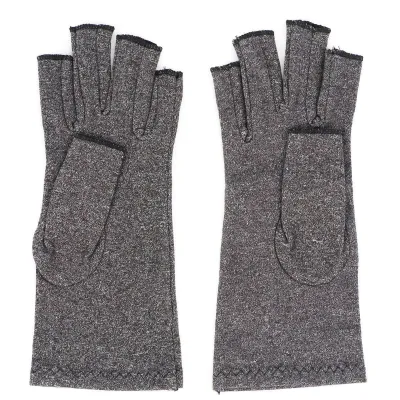
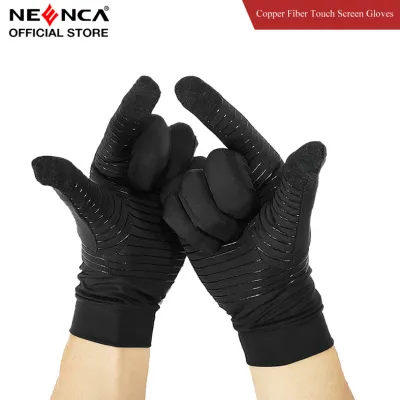
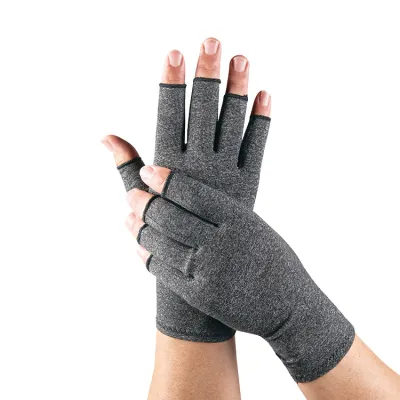
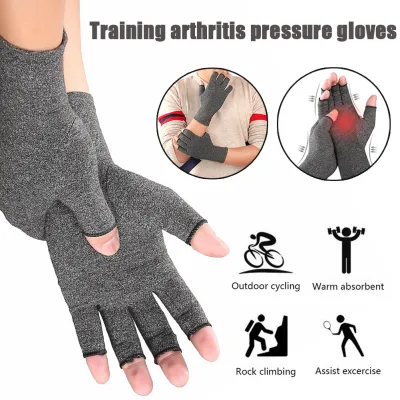
Prices are valid at publication and may change. Please refer to the product page for the latest price.
However, a common and dangerous misconception among beginners is that compression gloves can replace traditional hand wraps or padded boxing gloves. Hand wraps are designed to bone-bind the hand, securing the knuckles and wrist joints together to withstand high-impact forces. Padded boxing gloves absorb the shock of hitting a heavy bag or an opponent. Compression gloves lack the rigid structure and thick padding required for these high-impact activities. Using them alone on a heavy bag or during sparring can result in fractures, sprains, or severe joint damage.
For safe training, establish clear boundaries for when to wear compression gloves. They are excellent for non-impact or low-impact phases of your workout. If you are practicing footwork, throwing punches in the air, or working on light reflex balls, compression gloves provide comfortable warmth and joint feedback. The moment your training transitions to hitting solid targets, you must switch to traditional hand wraps and properly rated boxing gloves. Equipment cannot replace proper technique, physical conditioning, and appropriate impact protection.
In addition to physical support, compression gloves offer sensory feedback, often referred to as proprioception. This heightened awareness of your hand and finger positioning can help you maintain better form during shadowboxing and light drills.
Core Features to Evaluate for Hand and Wrist Support
When evaluating compression gloves for the Philippine training environment, the material composition is your first line of defense against discomfort. The local climate demands fabrics that manage sweat effectively. Look for high-quality synthetic blends, typically combining nylon and spandex. Nylon provides durability and structure, while spandex offers the necessary elasticity for consistent compression. A blend with a higher spandex percentage generally offers tighter compression, but it must be balanced with breathability.

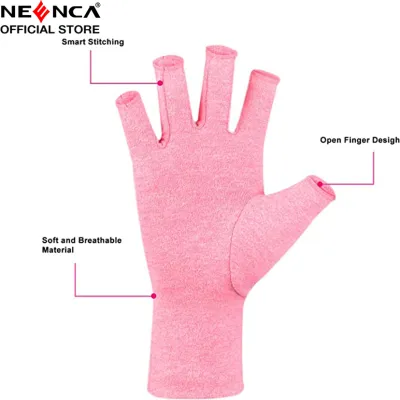
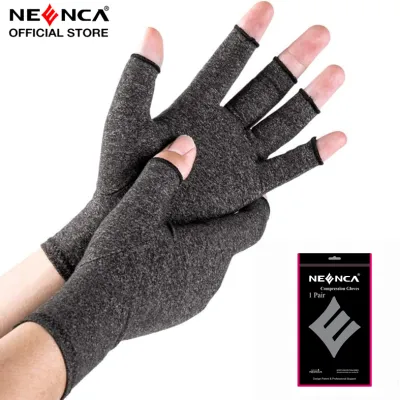
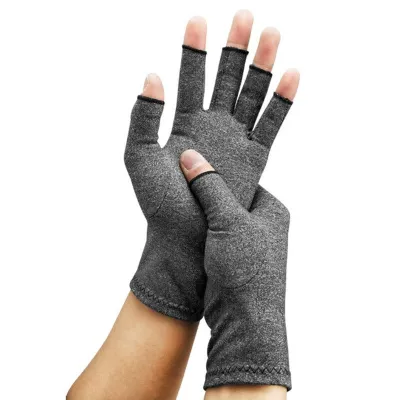
Moisture-wicking technology is essential to prevent sweat buildup, which can cause the gloves to slip, chafing, or develop unpleasant odors. Some gloves feature open-finger designs, which are highly practical for tropical climates as they allow maximum ventilation and preserve your natural tactile grip.
Wrist support is another critical design element to analyze. While compression gloves are not as rigid as hand wraps, some models offer extended cuffs or adjustable hook-and-loop straps that provide extra stability to the wrist joint. Slip-on designs with elastic cuffs offer mild, uniform compression but may slide during active movement. If your training involves rapid hand transitions, an adjustable strap allows you to customize the tightness around the wrist, offering a more secure fit that stays in place as you move.
Finally, examine the palm design for grip and light vibration dampening. Many compression gloves feature silicone patterns printed across the palm and fingers. This textured surface improves your grip on light training tools, such as jump ropes, hand weights, or reflex bars. Some models also include minimal gel inserts in key pressure points.
Seam construction is another detail that directly impacts your comfort during training. Poorly placed or thick seams can rub against your skin under the pressure of compression, leading to painful blisters or chafing. Look for gloves designed with flatlock stitching or external seams. Flatlock seams lie completely flat against the fabric, minimizing friction and ensuring that the gloves remain comfortable even during repetitive hand movements.
Sizing and Fit: How to Measure for Optimal Compression
Achieving the correct fit is paramount when purchasing compression gear online, as an improper size renders the gloves either useless or harmful. If the gloves are too loose, they will fail to provide the necessary compression benefits and may slide around, causing friction burns. Conversely, if they are too tight, they can restrict blood circulation, leading to cold fingers, tingling, numbness, or an inability to close your hand into a proper fist.
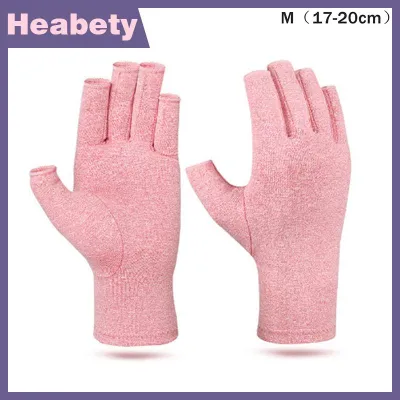
To find your size, you must measure your hand accurately using a flexible measuring tape. Start by measuring your hand circumference. Wrap the tape around your dominant hand across the palm, just below the knuckles, excluding the thumb. Keep your hand flat and fingers relaxed. Next, measure your hand length by placing the tape at the base of your palm, right at the wrist crease, and measuring up to the tip of your middle finger. Write down these measurements in both inches and centimeters, as different manufacturers use different units.
When comparing your measurements to online sizing charts, remember that compression gloves are designed to feel snug. If your measurements fall exactly between two sizes, consider your specific needs and hand structure. If you have wider fingers or prefer a slightly less restrictive feel for active movement, sizing up is generally safer. If you have narrow hands and want maximum compression for post-workout recovery, the smaller size may be more appropriate.
When reading user reviews on local e-commerce platforms, look for specific feedback regarding fit and sizing accuracy. Pay attention to comments mentioning whether the fingers bunch up, if the wrist cuff slides down during movement, or if users experienced numbness after wearing them for more than fifteen minutes.
Finger length is another factor that is often overlooked but can significantly affect your training experience. If you choose an open-finger design, the fabric should end comfortably below your first knuckle joint, allowing your fingers to bend naturally without restriction. If the finger sleeves are too long, they may bunch up when you make a fist, creating uncomfortable pressure points.
Building Your Shortlist: Evaluating Options in the Philippine Market
Navigating the local market requires a strategic approach to ensure you get genuine, high-quality gear that fits your budget. In the Philippines, compression gloves are available across a wide price spectrum, typically ranging from ₱300 to over ₱1,500. Lower-priced options often use basic cotton-spandex blends, which may lose their elasticity quickly and absorb sweat rather than wicking it away. Higher-priced models usually feature advanced nylon-spandex blends, reinforced stitching, and specialized wrist straps or silicone grips that justify the investment through durability and performance.
Because counterfeit sports gear is common on online marketplaces, verifying the authenticity of your chosen gloves is crucial. Always prioritize purchasing from official brand stores or authorized distributors on major e-commerce platforms. Look for verification badges, high seller ratings, and a substantial history of positive transactions. Examine the product images and descriptions carefully; genuine products will have clear branding, detailed material specifications, and professional packaging.
Avoid listings with vague descriptions, unusually low prices, or generic stock photos that do not match the brand name. Reading through verified buyer reviews, especially those with uploaded photos and videos, can provide valuable clues about the product’s actual quality and packaging.
Additionally, always check the seller’s return and exchange policy before finalizing your purchase. Because compression gloves rely entirely on a precise fit, there is always a chance you may need to swap them for a different size. Reliable sellers usually offer a clear, hassle-free return window for unused items in their original packaging. Confirming this policy beforehand protects your investment and ensures you do not end up stuck with a pair of gloves that are too tight or too loose to use safely.
When ordering online in the Philippines, also consider shipping times and local stock availability. Some sellers list products as pre-orders or ship them from overseas warehouses, which can significantly delay delivery. If you need your gear quickly for an upcoming training camp, look for local sellers who maintain physical inventory within the country.
Maintenance, Hygiene, and Replacement Signals
Proper care is essential to maintain the elasticity and hygiene of your compression gloves, especially when training in hot and humid conditions. Sweat contains salt and acids that can break down spandex fibers over time, reducing the gloves’ compression effectiveness. To prevent this, wash your gloves regularly. Hand washing in cool water with a mild, bleach-free detergent is the safest method. Avoid using fabric softeners, as they can coat the fibers and ruin the material’s moisture-wicking capabilities.
Never put your compression gloves in a mechanical dryer or expose them to direct, intense sunlight for extended periods. High heat damages the elastic fibers, causing them to stretch out permanently. Instead, gently squeeze out excess water without wringing the fabric, and lay them flat to air dry in a well-ventilated, shaded area. This gentle drying process preserves the structural integrity of the gloves, ensuring they continue to provide consistent support.
Hygiene is another critical factor, particularly if you train in public gyms or share any equipment. Damp gloves are a breeding ground for bacteria and fungi, which can lead to skin infections. Never leave damp gloves rolled up inside your gym bag. Always air them out immediately after training. If you train multiple times a week, consider purchasing two pairs so you can rotate them, allowing one pair to dry completely while you use the other.
Finally, learn to recognize when it is time to replace your gloves. Over time, all compression gear will degrade. Perform regular visual and tactile checks. Look for stretched-out wrist cuffs that no longer hug your skin, thinning fabric around the knuckles or fingers, and peeling silicone grips on the palm. If the gloves no longer feel snug or if you notice a significant drop in the support they provide, they are no longer effective and should be replaced to ensure your hands remain properly supported.
How you store your gloves between training sessions also plays a role in their longevity. Avoid stuffing them into tight, dark spaces where air cannot circulate. Instead, hang them up or place them in a mesh gear bag that allows them to breathe.
Frequently Asked Questions (FAQ)
Can I use compression gloves instead of hand wraps for heavy bag training?
No, you should never use compression gloves as a substitute for hand wraps during heavy bag training. Compression gloves do not provide the structural bone-binding support or knuckle padding required to absorb the high-impact forces of punching a heavy bag. Using them for impact training carries a high risk of hand fractures, wrist sprains, and joint injuries. Always use traditional hand wraps and properly padded boxing gloves for all impact work.
Do compression gloves help with arthritis or joint pain during boxing?
Compression gloves can help manage mild joint stiffness and provide soothing warmth during light, non-impact movements like shadowboxing or warm-ups. The gentle pressure supports circulation, which may ease minor discomfort. However, they are not a cure for chronic joint conditions or arthritis. If you experience persistent pain, swelling, or joint instability during or after training, consult a medical professional for a proper diagnosis and treatment plan.
How tight should compression gloves feel when I first put them on?
When you first put them on, compression gloves should feel very snug, like a firm second skin, but they should never feel painful or restrictive. You should be able to close your hand into a tight fist comfortably. If you experience tingling, numbness, cold fingertips, or if the fabric pinches your skin, the gloves are too small and are restricting your blood circulation. In such cases, you should immediately remove them and swap them for a larger size.
Community discussion
Share your experience or ask a question. Comments are reviewed before publication.