
Choosing the right Disney roller shoes for your child requires balancing their favorite character designs with essential performance, sizing, and safety features. To make an informed choice, you must first evaluate your child’s current skill level to select between stable quad skates and maneuverable inline skates. Accurate foot measurement, combined with a preference for adjustable sizing, ensures a secure fit that accommodates rapid physical growth. Beyond aesthetics, verifying robust ankle support, reliable braking systems, and official licensing guarantees that the skates serve as functional sports equipment rather than simple novelty toys.
Quad vs. Inline: Choosing the Right Style for Your Child's Skill Level
Selecting the correct skate style is the foundational step in ensuring your child has a safe and enjoyable introduction to roller skating. The choice between traditional four-wheel quad skates and modern inline skates depends heavily on your child’s age, physical coordination, and where they plan to skate. Each configuration places different demands on a child’s balance and muscle development, making it essential to match the skate’s design to their current abilities.
Quad Skates (Four-Wheel)
Quad skates feature a classic four-wheel configuration arranged in a two-by-two rectangular pattern, which provides an exceptionally stable base. This wide wheelbase offers superior lateral stability, making it significantly easier for younger children and absolute beginners to stand upright without their ankles rolling inward or outward. Because of this built-in balance, quad skates are highly recommended for toddlers and children under the age of six who are still developing basic motor skills.
Products mentioned in this guide
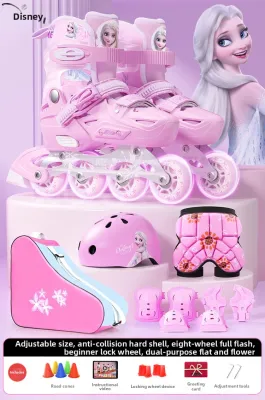
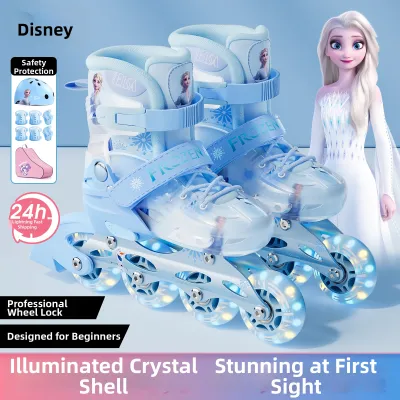
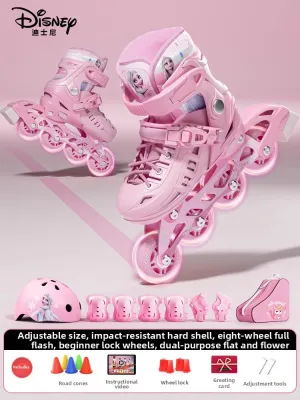
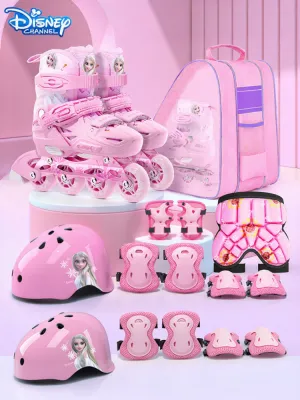
Prices are valid at publication and may change. Please refer to the product page for the latest price.
These skates perform exceptionally well on smooth, flat indoor surfaces, such as polished wooden rink floors, tiled play areas, or smooth concrete garage pads common in Philippine homes. When evaluating quad skates, pay close attention to the toe stop located at the front of the boot. Ensure the toe stop is constructed from high-quality, non-marking rubber rather than hard plastic, as rubber provides the necessary grip to stop safely and push off without slipping or damaging indoor floors.
Inline Skates
Inline skates feature wheels arranged in a single straight line, a design that inherently requires greater ankle strength and forward-to-backward balance control. Because the contact point with the ground is narrow, the skater must actively engage their core and lower leg muscles to keep the skates perfectly upright. Consequently, inline skates are best suited for older children, typically ages seven and up, or those who have already mastered basic balance on quad skates.
The primary advantage of inline skates is their superior speed, maneuverability, and ability to roll over minor surface imperfections, making them highly practical for outdoor paved paths and neighborhood streets. Unlike quad skates, beginner inline skates utilize a heel brake system, which is a rubber pad attached to the rear of one skate. To stop, the child must slide that foot forward and lift their toes, pressing the heel pad firmly against the ground, a motion that requires coordinated balance and practice.
Getting the Perfect Fit: Foot Measurement and Adjustable Sizing
A proper fit is the single most important factor in preventing injuries, blister formation, and general discomfort that can quickly ruin a child’s interest in skating. Roller shoes that are too loose fail to provide adequate ankle support, while those that are too tight cause painful pressure points and restrict blood circulation. Understanding how to measure your child’s feet and leverage adjustable sizing features will ensure long-term comfort and safety.

How to Measure Your Child's Foot
To obtain an accurate measurement, never rely on your child’s current school shoe size, as athletic skate sizing standards differ significantly across manufacturers. Begin by placing a sheet of blank paper on a flat, hard floor, positioning one edge flush against a straight wall. Have your child stand upright on the paper with their heel resting lightly against the wall, ensuring they are wearing the exact socks they intend to use while skating.
Using a pencil held completely vertical, carefully trace the outline of their foot, marking the furthest point of the longest toe. Measure the distance from the edge of the paper to that mark in centimeters, and repeat the entire process for the other foot, as it is common for one foot to be slightly larger. Always use the larger measurement of the two feet and cross-reference this centimeter value directly with the specific size chart provided by the Disney skate manufacturer to select the correct size.
Why Adjustable Sizing Matters
Children’s feet grow rapidly, often making single-size footwear obsolete within a single season. To address this, many high-quality Disney roller shoes feature push-button adjustable sizing, which allows the toe box of the skate to slide forward or backward to span three to four full shoe sizes. This adjustability offers exceptional financial value for parents while ensuring the child always skates in a boot that matches their foot length.
Despite these clear benefits, parents should be aware of certain trade-offs associated with adjustable mechanisms. The sliding components and reinforced tracking rails can make the skates slightly heavier and bulkier than fixed-size models, which might slightly limit agility for more advanced young skaters. When shopping, always test the locking mechanism by pressing the button, sliding the boot, and ensuring it clicks securely into place; verify that it remains locked under firm manual pressure to prevent accidental shifting during use.
Safety and Comfort Features to Look for on the Label
When purchasing Disney roller shoes, it is easy to get distracted by vibrant character graphics, flashing LED wheels, and colorful laces. However, parents must carefully inspect the technical specifications on the packaging or product label to ensure the skates meet high safety and comfort standards. Evaluating the structural design of the boot and the quality of the rolling components will prevent premature wear and keep your child safe.
Boot Construction and Ankle Support
The structural integrity of the skate boot determines how well your child’s ankles are protected from strain and injury. Hard-shell boots, constructed from molded plastic, offer maximum lateral ankle support and physical protection, making them the ideal choice for beginners who need help keeping their feet aligned. Soft boots, made from reinforced textile fabrics, offer greater flexibility, lightweight comfort, and a more contouring fit, but they require the skater to have pre-existing ankle strength to maintain stability.
Given the tropical heat and high humidity levels in the Philippines, sweat accumulation inside a fully enclosed skate boot can quickly lead to skin chafing and painful blisters. Check the product specifications for a breathable, moisture-wicking inner liner with generous padding around the ankle collar and the tongue to cushion against pressure. Additionally, look for a secure triple-closure system consisting of traditional laces for custom midfoot tightness, a wide Velcro power strap to lock the heel down, and a top micro-adjustable buckle to secure the upper ankle.
Wheels, Bearings, and Brakes
The wheels and bearings dictate how smoothly the skates roll and how much grip they maintain on various surfaces. Wheel hardness is measured using the Durometer scale, where a lower number (like 78A to 82A) indicates a softer wheel that provides excellent grip and shock absorption, perfect for indoor floors. Harder wheels (82A to 85A) offer lower rolling resistance and superior durability on rough, hot outdoor asphalt, making them better suited for neighborhood paths.
Bearings are rated using the ABEC scale, where higher numbers (such as ABEC 7 or 9) represent tighter manufacturing tolerances and a faster, more effortless glide. For young beginners, high-speed bearings are actually a safety hazard; instead, look for skates equipped with ABEC 3 or ABEC 5 bearings, which provide a controlled, moderate roll that helps the child maintain balance. Finally, verify that the brake pad is made of durable, high-friction rubber rather than cheap plastic, and confirm that replacement pads are commercially available, as beginners will wear the brake down rapidly during practice.
Where to Skate: Matching Wheels to the Environment
The performance and safety of your child’s Disney roller shoes are deeply influenced by the environment in which they skate. In the Philippines, common skating areas include indoor commercial mall rinks, covered barangay basketball courts, paved public park pathways, and concrete residential driveways. Matching the wheel specifications to these specific surfaces is crucial for maintaining control and preventing unnecessary falls.
Our tropical climate presents unique challenges, particularly high humidity and sudden, heavy rain showers. High humidity can cause outdoor concrete surfaces to sweat, creating a thin layer of moisture that significantly reduces wheel traction. Rain showers can quickly transform dry paved paths into slick, hazardous zones; water can also seep into wheel bearings, washing away essential lubricants and causing the metal components to rust. For these reasons, covered indoor spaces or specialized indoor rinks are highly recommended for beginners, especially during the rainy season.
Before allowing your child to skate in any outdoor area, always perform a quick physical inspection of the surface. Look for loose gravel, sand, deep cracks, standing water, or organic debris like fallen leaves and twigs. Even small obstructions can abruptly stop a skate wheel, throwing a young skater forward. Instructing your child to avoid wet patches and uneven concrete will protect both their physical safety and the longevity of their roller shoes.
Essential Protective Gear to Pair with Disney Skates
No matter how high the quality of your child’s Disney roller shoes, they are not a substitute for proper safety equipment and training. Falling is an inevitable part of the learning process, and wearing the correct protective gear is the only way to prevent serious injuries. When purchasing skates, you should always budget for a complete, high-quality set of protective pads and a certified helmet.
The most critical piece of safety gear is a properly fitted, certified multi-impact helmet. The helmet must sit level on your child’s head, covering the forehead down to about two finger-widths above the eyebrows, rather than being tilted back to expose the front of the head. Adjust the chin strap so it fits snugly, allowing only one or two fingers to fit between the strap and the chin, ensuring the helmet cannot slide off during a fall.
In addition to a helmet, your child must wear wrist guards, knee pads, and elbow pads. Wrist guards are particularly vital, as falling forward onto outstretched hands is the most common cause of wrist fractures in young skaters; look for guards with a rigid plastic splint on the palm side to absorb impact and slide across the ground. Choose knee and elbow pads that feature a hard plastic outer cap to protect against abrasions, backed by thick, shock-absorbing EVA foam. Ensure all straps are adjusted snugly so the pads do not slip out of position during a fall, but not so tight that they restrict blood circulation.
Pre-Purchase Checklist: Verifying Authenticity and Suitability
Before finalizing your purchase of Disney roller shoes, running through a final verification checklist will help you avoid low-quality counterfeits and ensure the product is safe and appropriate for your child. Because Disney characters are highly popular, the market contains numerous unauthorized imitation products that prioritize visual appeal over structural safety.
- Verify Official Licensing: Look for official Disney trademark symbols, holographic licensing stickers on the box, and clear manufacturer contact information. Authentic licensed products undergo rigorous safety testing to comply with international toy and sporting goods standards, whereas counterfeit skates often use fragile plastics, weak frames, and low-grade bearings that can fail under stress.
- Check Age and Weight Limits: Carefully read the product packaging or online listing to verify the manufacturer's recommended age range and maximum weight capacity. Using skates that are under-rated for your child's weight can cause the adjustable mechanism to collapse or the frame to warp, posing a severe safety risk.
- Review the Return Policy: Because achieving a precise fit is essential, only purchase from retailers that offer a clear, hassle-free return or exchange policy. When the skates arrive, have your child try them on indoors on a clean carpeted surface while wearing their thick skating socks; check for any tight spots, heel lifting, or discomfort before allowing them to skate outside, which would void the return policy.
Frequently Asked Questions (FAQ)
Are Disney roller shoes suitable for outdoor use?
Whether Disney roller shoes can be used outdoors depends entirely on their specific wheel hardness and frame construction, not the character branding. Many entry-level character skates feature soft plastic frames and hard wheels designed strictly for smooth, indoor surfaces. If your child plans to skate on outdoor asphalt or rough concrete, verify that the skates feature a durable aluminum or reinforced composite frame and high-quality polyurethane wheels with a durometer rating of 82A or higher.
How can I verify if the skates are officially licensed?
You can verify authenticity by inspecting the packaging for official Disney trademark notices, holographic security labels, and the name of the licensed manufacturer. Additionally, avoid buying from unverified third-party sellers on online marketplaces; instead, purchase directly from official brand stores, authorized sporting goods retailers, or verified department store outlets to ensure you receive a genuine, safety-tested product.
Should I buy a size up for thicker socks?
You should avoid buying skates that are excessively large, as a loose fit compromises lateral ankle support, causes the foot to slide inside the boot, and significantly increases the risk of ankle sprains and blisters. Instead, measure your child’s foot while they are wearing their thick skating socks, and rely on the built-in push-button adjustable sizing features of the skates to accommodate both the socks and future foot growth.
Community discussion
Share your experience or ask a question. Comments are reviewed before publication.