
When buying Fish Brand nylon fishing line, the key specifications to check are the pound test, line diameter, spool length, and material properties like stretch and memory. Selecting the right combination of these specifications ensures your line matches your target species, reel capacity, and local fishing conditions, whether you are casting in freshwater lakes or coastal saltwater environments.
Understanding Pound Test and Breaking Strength
The pound test rating, clearly printed on the front label of Fish Brand nylon fishing line packaging, indicates the maximum weight or tension the line can withstand before breaking under static conditions. However, choosing the right rating is not just about matching the exact weight of your target fish, as underwater currents, fish fighting behavior, and sudden runs can exert much higher dynamic forces.
To select the appropriate strength, consider both the average weight of your target catch and the environment where you fish. If you are targeting smaller species like tilapia, a lighter pound test is highly effective and easier to cast. For larger coastal species, stepping up to a heavier pound test provides the necessary pulling power to prevent the fish from diving into cover.
Products mentioned in this guide
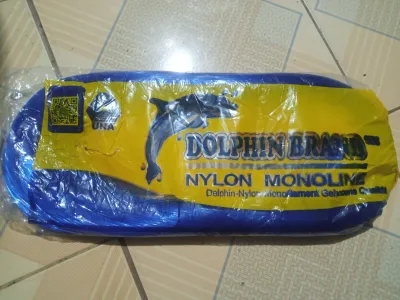
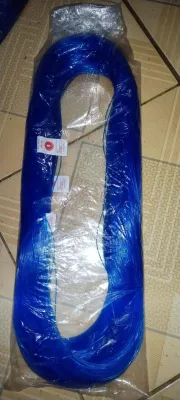
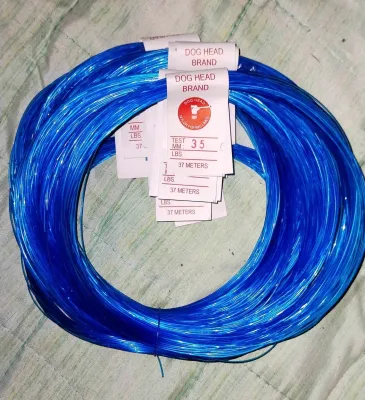
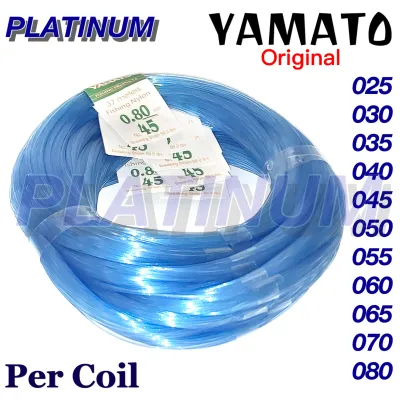
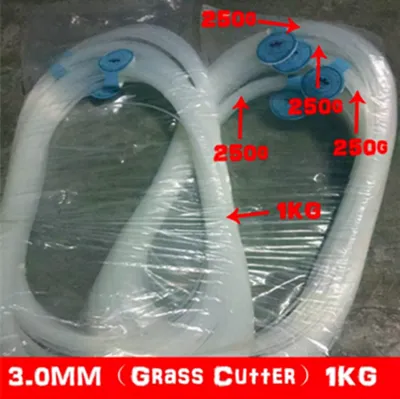
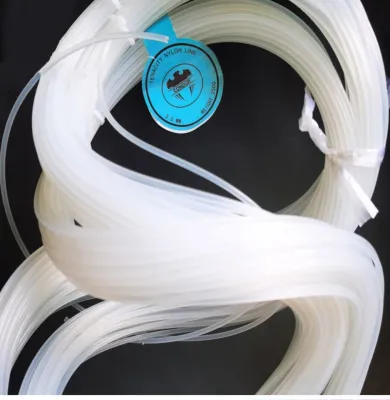
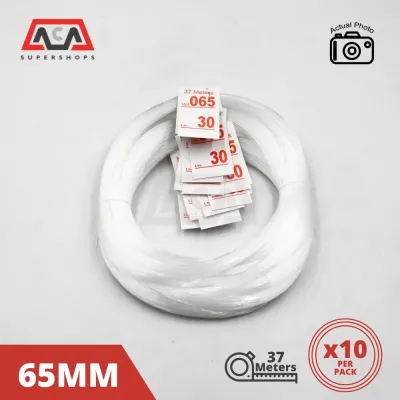
Prices are valid at publication and may change. Please refer to the product page for the latest price.
Your reel’s drag system plays a critical role in how the pound test performs. A properly adjusted drag allows the reel to release line when a fish pulls hard, absorbing the shock and preventing the line from snapping even if the fish’s fighting weight exceeds the line’s rated strength. Additionally, remember that actual breaking strength is heavily influenced by knot strength and physical wear. Practicing reliable knots, such as the Palomar or Uni knot, and regularly inspecting the line for nicks will help ensure the line performs up to its rated specifications.
Evaluating Line Diameter and Water Resistance
Line diameter is directly linked to the pound test rating, with thicker lines generally offering higher breaking strength at the cost of increased bulk. On Fish Brand spools, the diameter is typically measured in millimeters (mm) alongside the pound test. Understanding this relationship is crucial because a thicker line creates more water resistance, which can slow down your lure’s descent and alter its natural swimming action.

Opting for a thinner diameter allows for longer casting distances and deeper lure presentations. Thinner lines cut through the water column with minimal resistance, making them highly effective when fishing in deep currents or when using lightweight lures that require a delicate touch. This subtle presentation is particularly important when targeting cautious fish in clear water, where a thick, highly visible line might scare them away.
When comparing different options, check the spool label to see how the diameter changes across various pound tests. The visibility of the line in water is also influenced by both diameter and color tint. Clear or tinted lines are ideal for blending into natural aquatic environments, while high-visibility lines help you track subtle line movements and detect gentle bites, especially in murky water or windy conditions.
Choosing the Right Spool Length for Your Reel
Selecting the correct spool length requires matching the line’s diameter to your fishing reel’s capacity specifications. Most spinning and baitcasting reels have line capacity ratings stamped directly on the spool, indicating how many meters of a specific diameter or pound test the reel can hold. Checking these numbers beforehand ensures you buy a spool with enough length to fill your reel completely.
Properly filling your reel is essential for optimal casting performance and line management. Overfilling the spool past its recommended capacity often leads to loose loops, tangles, and frustrating wind knots during a cast, while underfilling reduces casting distance. For anglers who fish frequently, purchasing larger bulk spools is a practical way to save money over time, often saving you ₱100 or more compared to buying multiple small spools, while smaller utility spools are highly suitable for occasional use or as backing material.
Checking Material Labels for Stretch and Memory
When examining Fish Brand packaging, pay close attention to terms like monofilament, copolymer, or specialized nylon blends, as these indicate how the line will behave under tension. Nylon is inherently elastic, meaning it stretches under load. This built-in stretch acts as a valuable shock absorber during sudden, aggressive strikes, preventing the hook from tearing out of the fish’s mouth, though it does slightly reduce overall sensitivity compared to low-stretch braided lines.
Line memory refers to a line’s tendency to retain the coiled shape of the spool over time, which can increase the risk of tangles and reduce casting distance. Look for labels that highlight low-memory properties and enhanced abrasion resistance, especially if you plan to fish near sharp rocks, coral reefs, or heavy underwater vegetation. Regularly inspecting the first few meters of your line for rough spots or nicks will help you identify when it is time to cut and re-tie your rig.
Matching Line Specs to Your Fishing Environment
To get the most out of your gear, you must match the line specifications to your specific fishing environment and technique. For freshwater fishing in calm lakes or rivers, lighter pound tests and thinner diameters are generally preferred for their stealth and casting ease. In contrast, saltwater environments demand tougher, UV-resistant nylon formulations that can withstand the harsh tropical sun, high salinity, and abrasive coastal structures.
Different fishing techniques also require distinct line characteristics. If you are practicing finesse fishing with lightweight lures, a thin, low-diameter line ensures natural lure movement and better bite detection. For heavy-duty techniques like trolling or bottom fishing, a thicker, high-pound-test line is necessary to handle the weight of heavy sinkers and the powerful runs of deep-sea species.
Local conditions in the Philippines, such as high humidity, intense sunlight, and varying water clarity across coastal and inland spots, should directly influence your choice. Intense UV exposure can degrade standard nylon lines over time, making UV-resistant packaging or specialized saltwater lines a smart investment. Because no single fishing line can excel in every situation, keeping multiple spools with different pound tests and diameters is highly recommended to quickly adapt your setup to changing conditions.
Frequently Asked Questions (FAQ)
Does a higher pound test always mean a better fishing line?
No, a higher pound test is not always better. While a stronger line offers more breaking strength, it also comes with a thicker diameter, which increases water resistance, reduces casting distance, and makes the line much more visible to cautious fish. It is always best to match the line strength to your target species, the environment, and your reel’s drag capacity rather than simply choosing the highest rating available.
How often should I replace my nylon fishing line?
You should replace your nylon fishing line whenever you notice physical signs of wear, such as fraying, a rough texture, loss of elasticity, or severe coiling. It is highly recommended to inspect your line regularly, particularly after landing a large fish, pulling your rig out of a snag, or fishing in harsh saltwater conditions. Additionally, because heat and direct sunlight degrade nylon over time, even unused line stored on a reel should be replaced periodically if it has been exposed to high tropical temperatures or UV rays.
Community discussion
Share your experience or ask a question. Comments are reviewed before publication.