
Muay Thai training is a physically demanding journey that tests your cardiovascular endurance, hip flexibility, and mental resilience. As a beginner, stepping onto the gym mats for the first time can be intimidating, and having the right gear is crucial for your confidence and performance. Among the essential equipment you will need, a proper pair of training shorts sits at the top of the list. While functional gear is paramount, modern practitioners increasingly look for apparel that reflects their personal style, leading to the rising popularity of floury muay thai shorts.
These shorts feature intricate, floral, or flowery designs that stand out in the gym without compromising the athletic utility required for combat sports. For a beginner, selecting your first pair involves balancing this distinct aesthetic with strict performance requirements. Your shorts must offer unrestricted mobility for high kicks, comfort during repetitive knee strikes, and long-term durability to withstand daily wear and frequent washing.
When making your first purchase, you should prioritize three main elements: a cut that allows high kicks without catching, breathable fabric suited for hot and humid training environments, and a secure, comfortable waistband that stays in place. Choosing the right shorts is not just about picking an eye-catching pattern; it is about matching the garment’s construction to your body type and the specific demands of your training facility.
Products mentioned in this guide
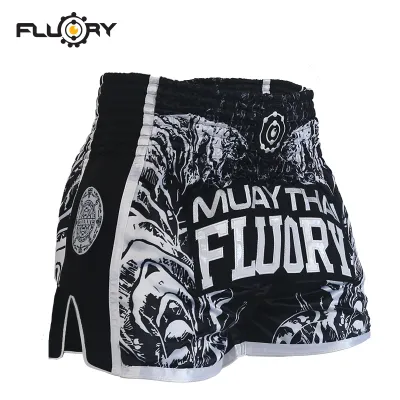
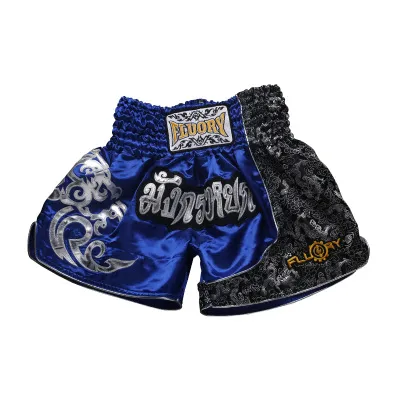
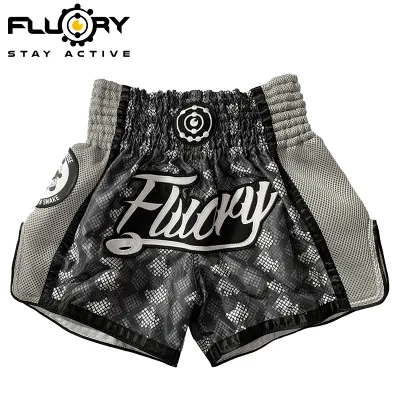
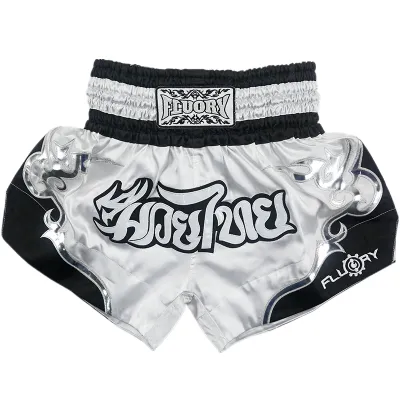
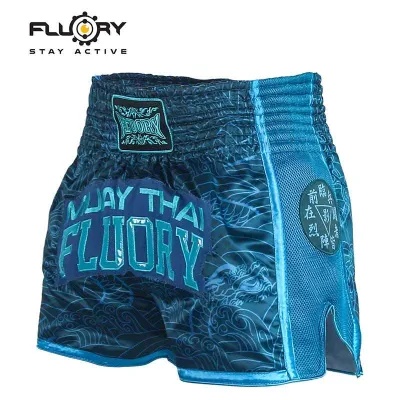
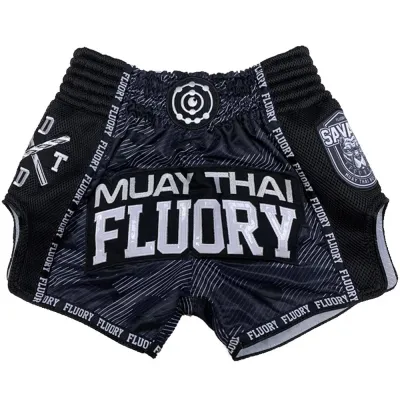
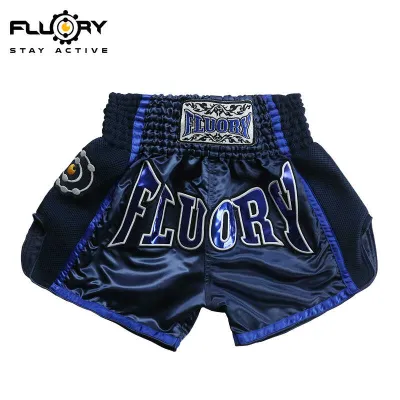
Prices are valid at publication and may change. Please refer to the product page for the latest price.
Decoding the Floury Design: Print Quality and Aesthetics
The term “floury” in Muay Thai apparel refers to the detailed, often vibrant floral and flowery patterns that have become a major trend in modern combat sports gear. These designs offer a refreshing departure from plain solid colors, allowing you to express your personality during sparring and pad work. However, because Muay Thai training involves intense friction, sweat, and constant movement, the method used to apply these intricate patterns to the fabric directly affects both the comfort and longevity of the shorts.
When evaluating floury muay thai shorts, you must look closely at how the design is printed onto the material. The gold standard for athletic apparel is sublimation printing. This process uses heat to transfer dye directly into the fabric fibers rather than printing on top of them. Sublimation ensures that the floral patterns remain fully breathable, lightweight, and stretchable. Because the ink becomes part of the fabric, sublimated designs will not crack, peel, or fade over time, even after dozens of intense training sessions and wash cycles.
In contrast, you should be cautious of shorts that utilize heavy screen printing or thick vinyl transfers for their floury designs. While screen printing can produce bright, high-contrast colors initially, the thick layer of ink sits on top of the fabric. This creates stiff, non-breathable zones that can trap heat and sweat against your skin. Over time, the repeated flexing, stretching, and washing inherent to martial arts training will cause screen-printed designs to crack, peel, and flake off, ruining the aesthetic of your shorts.
Colorfastness is another critical factor to verify before purchasing. Bright reds, deep blues, and dark floral backgrounds can sometimes bleed during their first few washes, potentially staining your other training gear. To check for potential color bleeding, look at product descriptions for mentions of pre-shrunk or colorfast fabrics, and always wash new shorts separately the first few times. Ensuring that the design process does not add stiff, non-breathable layers to the fabric will prevent inner-thigh chafing and discomfort when executing repetitive knee strikes or holding the clinch.
Fit and Cut: Finding the Right Silhouette for Training
Muay Thai shorts are instantly recognizable by their unique silhouette, which differs significantly from standard running shorts, basketball shorts, or MMA board shorts. Standard athletic shorts often cling to the thighs or feature long inseams that catch on the knees when you attempt to lift your leg. A proper Muay Thai cut is engineered specifically to prevent fabric obstruction, allowing your hips to rotate freely and your legs to elevate without resistance during high kicks and defensive blocks.

Traditional Wide Cut vs. Retro Fit
When shopping for floury muay thai shorts, you will primarily encounter two distinct silhouettes: the traditional wide cut and the modern retro fit. Understanding the differences between these two styles will help you choose the best option for your body type and training goals.
The traditional Thai cut is characterized by a very wide leg opening, a flared silhouette, and a short inseam. This design has been the standard in Thailand for decades because it maximizes airflow and provides completely unrestricted leg movement. For beginners who are still developing their hip flexibility, the traditional wide cut is highly recommended. The extra room in the leg openings ensures that when you throw a teep (push kick) or a high roundhouse kick, the fabric will not pull against your thigh or restrict your range of motion.
The retro fit, which has gained immense popularity in recent years, features a slightly more tailored, narrower silhouette with curved side hems. While retro-style shorts offer a more modern, streamlined look and slightly more thigh coverage, they rely heavily on lightweight, flexible materials and high side slits to maintain mobility. If you prefer a less bulky look, the retro fit is an excellent choice, but you must ensure the fabric is sufficiently lightweight to compensate for the narrower cut.
Sizing is a critical point of variance that beginners must navigate carefully. Many authentic Muay Thai brands use Asian sizing standards, which run significantly smaller than Western athletic wear. For example, a practitioner who normally wears a size Medium in standard gym shorts may need a Large or even an Extra-Large in Thai brands. Do not rely solely on standard S/M/L labels; instead, measure your waist and hips accurately and compare them to the manufacturer’s specific size chart before ordering.
Checking Side Slits and Mobility
The side slits on Muay Thai shorts are not merely aesthetic details; they are critical functional features designed to facilitate dynamic leg movements. When you pivot your foot and swing your leg upward for a roundhouse kick, the side slits allow the front and back panels of the shorts to separate, preventing the hem from binding against your quadriceps.
As a beginner, you should inspect the depth and construction of these side slits closely. High-quality shorts will feature deep U-shaped or V-shaped cuts on the outer thighs. Because these slits experience significant stress every time you kick or knee, the point where the slit meets the waistband—known as the apex—is highly vulnerable to tearing. Look for shorts that feature reinforced stitching, such as a bar tack or double-stitching, at the top of the side slits to ensure they do not rip during high-intensity training.
You can also test the drape of the fabric by performing a simple movement check. When you raise your knee toward your chest, the fabric should slide smoothly over your leg rather than bunching up or pulling tight. The hem should drape naturally without riding up excessively or exposing more than you are comfortable with. If the fabric feels stiff or catches on your skin during this basic movement, the shorts may restrict your mobility once you begin kicking at full speed.
Fabric and Breathability: Staying Cool in Humid Weather
Training martial arts in the Philippines presents unique challenges due to the tropical climate and high humidity levels. In a typical gym or camp setting, ventilation may be limited to wall fans, meaning you will sweat profusely within the first fifteen minutes of your warm-up. Consequently, the material composition of your floury muay thai shorts is just as important as their visual design.
Traditionally, Muay Thai shorts were made almost exclusively from heavy satin. While high-grade satin offers a classic, glossy look and a smooth feel against the skin, it has distinct drawbacks in humid environments. Heavy satin can absorb sweat, becoming heavy, clingy, and slow to dry. For beginners training in tropical conditions, modern polyester microfiber blends or lightweight nylon are often superior choices. These synthetic fabrics are engineered for high-performance athletic wear, offering exceptional moisture-wicking properties that pull sweat away from your skin and allow it to evaporate quickly.
When reviewing product specifications online, look for terms like “microfiber,” “moisture-wicking,” or “quick-dry.” Lightweight polyester blends not only keep you cooler but also resist odor buildup better than traditional fabrics, which is a major advantage if you train multiple times a week. Additionally, lighter fabrics reduce the risk of inner-thigh chafing, which can occur when wet, heavy material rubs against your skin during repetitive knee strikes.
You should also pay close attention to the interior construction of the shorts. Check if the garment features a smooth inner lining or flatlock seams. Flatlock stitching lies completely flat against the skin, minimizing friction and preventing skin irritation, mat burn, or scratching during close-range clinch work. A seamless or smoothly lined interior ensures that you can focus entirely on learning proper technique rather than adjusting your clothing to stop painful chafing.
Waistband Support and Durability Checks Before You Buy
The waistband is the structural anchor of your Muay Thai shorts. Unlike standard running shorts that rely on a thin elastic band, authentic Muay Thai shorts feature a thick, multi-channeled elastic waistband, often containing six to eight individual rows of elastic. This wide design is functional: it distributes pressure evenly across your midsection, prevents the shorts from slipping down during intense movement, and provides mild core support.
Before making a purchase, you should evaluate the waistband’s construction and elasticity. A high-quality waistband should offer firm resistance when stretched and snap back to its original shape immediately. If the elastic feels flimsy or loose, the weight of the sweat-soaked fabric will cause the shorts to slide down your hips during training, forcing you to constantly pull them up between rounds.
Most traditional shorts also include an internal drawstring. This drawstring is essential for customizing the fit, especially as your body composition changes with regular training. Ensure the drawstring is securely anchored at the center back of the waistband so it does not pull out or get lost inside the casing during washing. The drawstring itself should be thick and durable, with secure aglets (the plastic or metal tips) to prevent fraying.
To ensure you are investing in a durable product, use this quick stitching and construction checklist before buying:
- Waistband Attachment: Inspect the stitching where the elastic waistband meets the main body of the shorts. This area undergoes immense stretching and should feature heavy-duty, multi-row stitching.
- Side Slit Reinforcement: Ensure there is a clear reinforcing stitch or patch at the top of the side slits.
- Hem Stitching: The bottom hems of the leg openings should be neatly folded and double-stitched. Loose threads or uneven hems are immediate warning signs of poor manufacturing.
- Patch and Embroidery Security: If the shorts feature traditional Thai lettering or embroidered patches alongside the floury print, check that the edges of these patches are securely sewn down with tight satin stitching to prevent them from peeling up after washing.
Buying in the Philippines: Authenticity and Sizing Verification
Acquiring high-quality Muay Thai gear in the Philippines has become much easier with the expansion of specialized combat sports retailers and online marketplaces. However, the popularity of the sport has also led to an influx of low-quality counterfeits and poorly constructed replicas. As a beginner, navigating these purchasing channels safely requires a bit of diligence.
When shopping online, look for official brand distributors or highly rated sellers who specialize in martial arts equipment. Authentic Thai brands often feature specific security measures, such as holographic stickers on the tags or branded packaging. Be cautious of listings with prices that seem unusually low—genuine, high-quality Muay Thai shorts typically range from ₱1,500 to ₱3,500, depending on the brand and materials. If you find a pair listed for a fraction of that price, it is highly likely a counterfeit made from cheap, non-breathable polyester that will degrade quickly.
User reviews are an invaluable resource when buying online. Look specifically for feedback from local buyers regarding how the shorts hold up under Philippine weather conditions and washing routines. Pay attention to comments about sizing accuracy, fabric shrinkage, and whether the vibrant floury patterns bleed in the wash.
Before finalizing your purchase, complete this quick verification checklist:
- Measure Your Waist: Use a flexible measuring tape to find your natural waistline, and compare it directly to the brand's size chart rather than guessing.
- Verify the Return Policy: Ensure the seller allows exchanges for sizing issues, as combat sports apparel must fit correctly to perform safely.
- Check Care Labels: Confirm that the manufacturer provides clear washing instructions to help you preserve the delicate printed designs.
Frequently Asked Questions (FAQ)
How Do I Wash Floury Muay Thai Shorts to Prevent Fading?
To preserve the vibrant colors and intricate details of your floury muay thai shorts, you must establish a proper care routine. After an intense training session, do not leave your sweat-soaked shorts crumpled in your gym bag, as the moisture and bacteria can break down the fabric fibers and dyes. Wash them as soon as possible using cold water.
Before placing the shorts in the washing machine, always turn them inside out. This simple step protects the printed or sublimated outer design from rubbing against other garments or the washing machine drum, reducing the risk of pilling and fading. Use a mild, color-safe detergent, and strictly avoid using bleach or fabric softeners, which can degrade the elastic in the waistband and damage moisture-wicking synthetic fibers.
Never put your Muay Thai shorts in a high-heat clothes dryer. The intense heat will warp the elastic waistband, cause the fabric to shrink, and can make printed designs crack or peel. Instead, hang the shorts to air-dry in a shaded, well-ventilated area. Avoid direct sunlight, as prolonged exposure to UV rays can fade bright floral patterns over time.
Community discussion
Share your experience or ask a question. Comments are reviewed before publication.