
Selecting the right gloves for gym-based boxing and heavy bag training in the Philippines requires moving past generic fitness gear and selecting specialized hand protection. Because striking a heavy bag forces your knuckles, wrists, and hand bones to absorb significant impact, standard weightlifting gloves or thin cardio gloves are entirely inadequate. The ideal choice for local gym-goers is a dedicated boxing glove or bag glove that features dense, multi-layered foam padding and a rigid wrist support system. In the tropical Philippine climate, where high humidity and intense heat lead to heavy sweating, your selection must also prioritize moisture-wicking linings, breathable mesh panels, and materials that can withstand frequent cleaning. Ultimately, the best glove is one that fits securely over wrapped hands, matches your body weight and training intensity, and is designed specifically to handle the repetitive, high-impact force of heavy bag workouts.
Key Features to Look for in Boxing and Bag Work Gloves
When evaluating gloves for gym use, the closure system is one of the most critical features for both safety and convenience. For solo training sessions on the heavy bag, hook-and-loop (Velcro) closure systems are highly recommended. They allow you to secure and adjust the gloves independently without needing a trainer or training partner to tie them, which is a common limitation of traditional lace-up gloves. Look for a wide, thick wrist strap made of high-quality hook-and-loop material that wraps fully around the wrist joint. This design mimics a splint, keeping your wrist aligned with your forearm during high-impact strikes and preventing painful hyperextension or bending when hitting a dense bag.
The density and distribution of the internal padding are equally vital. Unlike sparring gloves, which feature softer, pillowy padding designed to protect a training partner from injury, bag work gloves require dense, highly resilient padding. This is often constructed from multi-layered foam or injection-molded foam (IMF). This dense structure prevents the knuckles from “bottoming out” or punching straight through the padding to make direct contact with the hard core of the heavy bag. Proper padding distribution should concentrate the bulk of the protective foam directly over the knuckles and the front of the hand, rather than spreading it evenly across the back of the hand.
Products mentioned in this guide
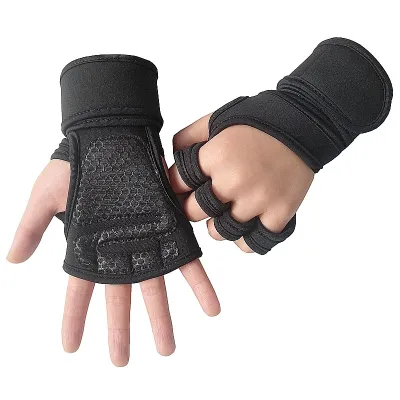
![THE SWEAT CLUB [1 PAIR] Weight Lifting Gloves Weightlifting Gloves Fitness Gloves Training Gloves Women Men Sports Fitness Home Workout Body Building Gymnastics Grips Gym Equipment Hand Palm Protector Gloves](https://img.lazcdn.com/g/p/78bba94cdaa2b242839b65c9ea658dd0.png_400x400q80.png_.webp)
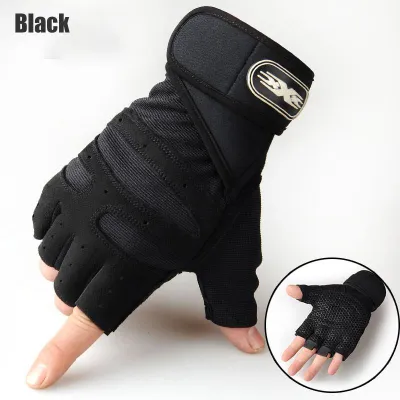
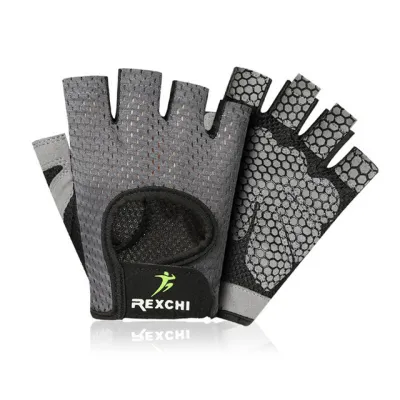
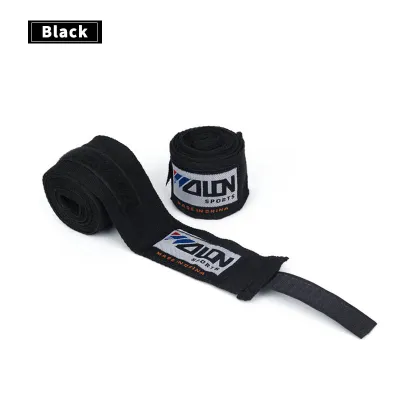
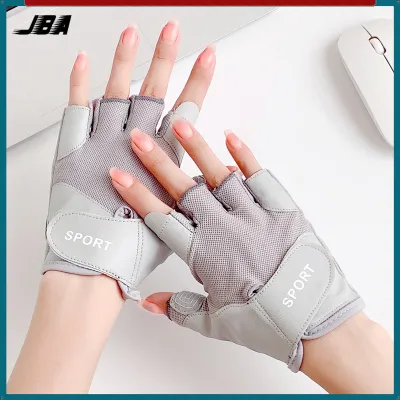
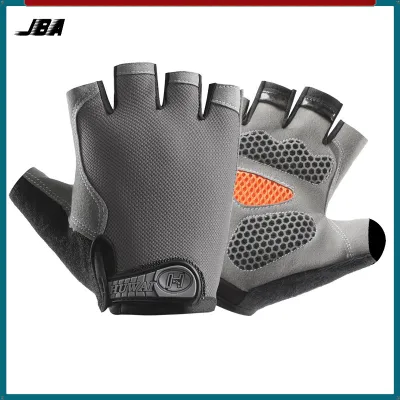
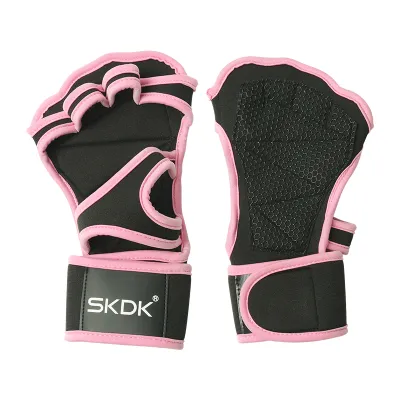
Prices are valid at publication and may change. Please refer to the product page for the latest price.
In the warm and humid climate of the Philippines, heat and sweat management cannot be overlooked. Gyms can become incredibly hot, causing your hands to sweat profusely inside the gloves. To combat this, look for gloves that incorporate breathable mesh panels on the palm side, ventilation holes along the fingers, and moisture-wicking inner linings. These features help circulate air, keep your hands cooler, and prevent the interior of the glove from becoming waterlogged. A waterlogged glove not only feels heavy and uncomfortable but also degrades the internal foam padding much faster and creates a breeding ground for odor-causing bacteria.
Sizing and Fit Guidelines for Optimal Protection
Understanding how glove weight relates to protection and training goals is essential when selecting your gear. Boxing and bag gloves are categorized by weight, measured in ounces (oz), typically ranging from 10 oz to 16 oz for standard gym training. Lighter gloves, such as 10 oz or 12 oz options, are excellent for speed work, focus mitt drills, and developing quick hand coordination, but they offer less padding. For heavy bag training, heavier gloves like 14 oz or 16 oz are generally preferred because they provide a thicker barrier of protective foam. Choosing a heavier glove also adds resistance to your workouts, helping to build shoulder endurance and cardiovascular conditioning over time.

To find the correct glove size, you must measure your hand circumference rather than relying solely on your body weight. Use a flexible fabric measuring tape to measure around your dominant hand, just below the knuckles, excluding the thumb. This measurement, combined with your body weight, will align with manufacturer sizing charts to point you toward the correct glove size. Keep in mind that sizing can vary slightly between brands, so checking the specific size guide for the brand you are considering is a necessary step before making a purchase.
Crucially, you must always try on boxing gloves while wearing hand wraps. Hand wraps are an indispensable part of your protective gear, stabilizing the small bones in your hand and securing your wrist. If a glove fits perfectly on a bare hand, it will likely be far too tight and restrictive once you wrap your hands. When trying on the gloves with wraps, your fingers should reach the end of the glove comfortably without being cramped or forced into a tight curl. The fit should feel snug and secure, with no internal shifting or sliding when you make a fist, as any movement inside the glove can lead to friction burns or joint misalignment during a strike.
Evaluating Glove Types for Different Training Scenarios
Navigating the different styles of gloves available in sports stores is key to matching your gear to your specific workout routine. Traditional boxing gloves are the most versatile option for general gym-goers. They feature a classic design with balanced padding and are suitable for a wide range of activities, including heavy bag work, pad drills with a trainer, and light partner drills. If your gym routine involves a mix of boxing conditioning and structured class workouts, a pair of high-quality traditional boxing gloves is often the most practical and cost-effective investment.
Specialized bag gloves, on the other hand, are engineered specifically for the repetitive impact of heavy bag training. These gloves often feature a more compact, pre-curved design that helps you maintain a natural fist shape without straining your hand muscles. The padding in specialized bag gloves is exceptionally dense and durable, designed to withstand the friction and wear caused by rough synthetic leather or canvas bag surfaces. Some bag gloves also feature an open-thumb or minimalist design, though beginners should generally stick to fully closed-thumb designs to prevent accidental thumb hyperextension or scraping against the bag.
In contrast, mixed martial arts (MMA) or grappling gloves are generally unsuitable for dedicated heavy bag striking. MMA gloves are lightweight, typically weighing only 4 oz to 7 oz, and feature open fingers to allow for grappling and submissions. Because they have minimal knuckle padding and offer very little wrist support, using them to strike a heavy bag places immense stress on your hand joints and wrists. Without the thick foam barrier of a boxing glove, the risk of developing knuckle bruising, skin abrasions, and wrist sprains increases significantly. MMA gloves should be reserved strictly for grappling drills or light pad work rather than heavy bag conditioning.
Maintenance and Care to Extend Glove Lifespan
Proper maintenance is essential to protect your investment and ensure your gloves remain hygienic, especially under the tropical conditions of the Philippines. After every training session, the most critical step is to air out your gloves immediately. Never leave your damp gloves inside a closed gym bag, as the dark, humid environment accelerates the growth of mold, mildew, and foul odors. Instead, open the wrist straps as wide as possible and place the gloves in a well-ventilated indoor area away from direct sunlight. Using glove deodorizers, cedar chips, or specialized glove dryers can help absorb internal moisture and keep the interior smelling fresh.
Cleaning the exterior of your gloves requires gentle methods to avoid damaging the materials. For synthetic leather gloves, which are common and highly practical for gym use, you can wipe down the outer surface with a microfiber cloth dampened with mild soapy water. If you invest in genuine leather gloves, you must use specialized leather cleaners and conditioners periodically to keep the leather supple and prevent it from cracking due to sweat exposure. Avoid using harsh chemical sprays, bleach, or submerging the gloves entirely in water, as excess moisture can ruin the internal foam structure and cause the stitching to rot.
Storage conditions play a major role in how long your gloves will last. While it might be tempting to hang your wet gloves outside in the sun to dry quickly, direct sunlight and extreme heat can dry out and crack both synthetic and genuine leather, while also degrading the protective foam inside. Always store your gloves in a cool, dry, and shaded indoor space. Additionally, ensure that your hand wraps are washed regularly; wearing dirty, sweat-soaked wraps inside clean gloves will immediately transfer bacteria and odors back into the glove lining, undoing your maintenance efforts.
Pre-Purchase Checklist and Sourcing Tips
Before finalizing your purchase, running through a quick physical checklist can help you verify the quality and suitability of the gloves. First, test the stiffness of the wrist strap by wrapping it around your wrist; it should feel highly supportive and restrict excessive lateral movement. Next, press firmly on the knuckle padding with your thumb; the foam should feel dense and resilient, bouncing back immediately rather than staying compressed or feeling soft and spongy. Finally, check the quality of the stitching along the seams, particularly around the thumb and wrist attachment points, ensuring there are no loose threads or uneven seams that could unravel under stress.
When sourcing boxing gloves in the Philippines, it is wise to purchase from reputable local sports distributors, specialized martial arts pro shops, or official brand stores on trusted online marketplaces. Be cautious of extremely cheap, unbranded gloves found on generic ecommerce platforms, as these often mimic the appearance of professional gear but use low-grade packing foam that offers virtually no impact protection. Reading detailed user feedback and checking for verified buyer reviews can provide valuable insights into how the gloves perform over months of regular use.
Lastly, always verify the seller’s return and exchange policies before checking out, especially when buying online. Because achieving the perfect fit with your hand wraps is so critical to your safety, you need the flexibility to exchange the gloves if they turn out to be too tight or too loose. A reliable seller should offer clear guidelines on how to return unused items in their original packaging, giving you peace of mind as you invest in the protective gear necessary for your fitness journey.
Frequently Asked Questions (FAQ)
Can I use standard gym weightlifting gloves for boxing bag work?
No, standard gym weightlifting gloves are completely unsuitable and unsafe for boxing bag work. Weightlifting gloves are designed to improve grip and prevent calluses when handling metal bars, offering zero knuckle padding and minimal wrist stabilization. Striking a heavy bag with weightlifting gloves exposes your knuckles to direct, high-impact force and leaves your wrists vulnerable to painful sprains or fractures. For any striking workout, you must use specialized boxing or bag gloves that feature thick, shock-absorbing foam and rigid wrist support to protect your hands from injury.
How often should I replace my boxing gloves for bag training?
You should replace your boxing gloves as soon as you notice signs of material degradation or reduced protection. Inspect your gloves regularly for compressed, hardened, or shifting padding; if you can feel the impact of the bag directly on your knuckles, the foam has lost its shock-absorbing capabilities. Other clear indicators that it is time for a replacement include cracked or peeling exterior material, torn stitching, a failing hook-and-loop closure, or a persistent, deep-seated odor that does not go away after cleaning, which indicates bacterial buildup within the foam.
Do I need to wear hand wraps under my gym gloves?
Yes, wearing hand wraps under your gym gloves is highly recommended for all heavy bag and boxing workouts. Hand wraps secure the numerous small bones, tendons, and joints in your hand and wrist, keeping them tightly aligned and preventing them from shifting or collapsing upon impact. Additionally, hand wraps act as a crucial first barrier for sweat, absorbing moisture before it can saturate the inner lining of your gloves. This extra layer of cleanliness helps extend the lifespan of your gloves’ internal padding and prevents the buildup of bacteria and odor.
Community discussion
Share your experience or ask a question. Comments are reviewed before publication.