
Choosing the right hand strengthener depends on aligning your specific physical goals—whether recovering from an injury, building functional everyday strength, or training for high-level athletic performance—with the correct mechanical design and resistance level. By diagnosing your current grip capacity, selecting the appropriate tension type, and verifying the tool’s ergonomic fit, you can build hand strength safely and effectively.
To get the most out of your training, it is essential to understand that grip strength is not a single attribute. It involves crushing strength, pinching strength, support capacity, and extension balance. Selecting a tool without a clear goal often leads to purchasing equipment that is either too heavy to use safely or too light to stimulate progress.
Diagnose Your Grip Training Needs and Goals
Identifying your primary motivation for grip training prevents you from purchasing equipment that mismatches your actual physical requirements. The hands and wrists are complex structures containing numerous muscles, tendons, and nerves, meaning a tool designed for a competitive climber will differ significantly from one meant for post-surgery rehabilitation.
Products mentioned in this guide
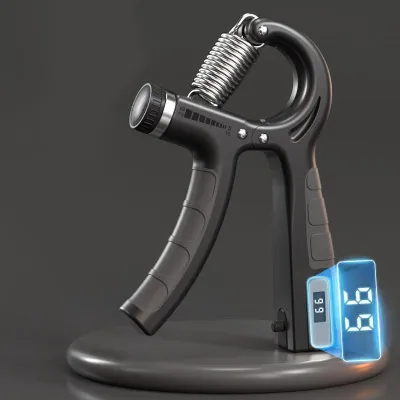
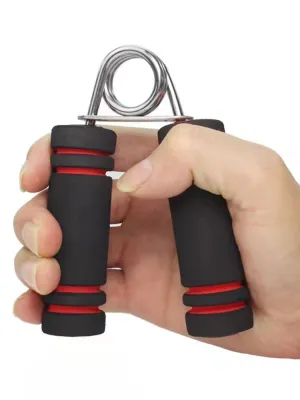
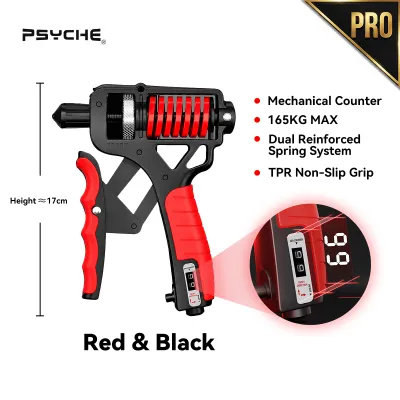
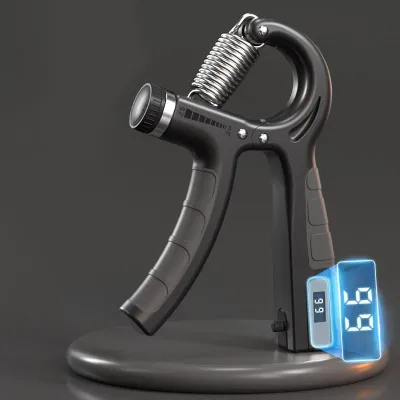
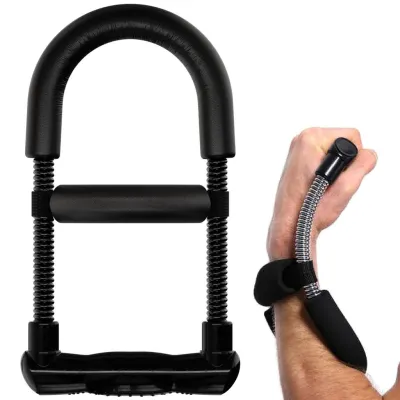
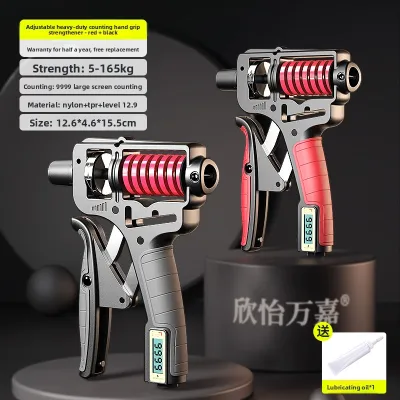
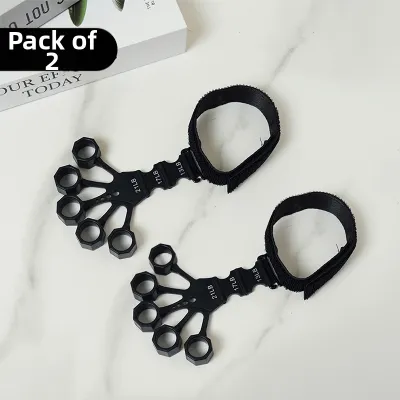
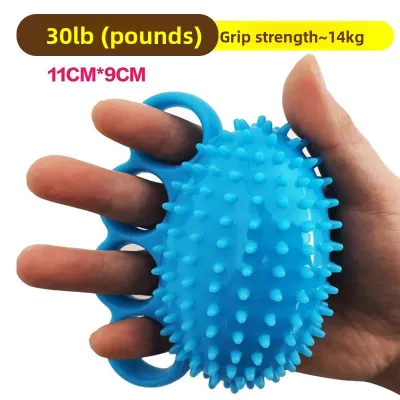
Prices are valid at publication and may change. Please refer to the product page for the latest price.
If you are recovering from repetitive strain injuries, carpal tunnel syndrome, or general joint stiffness, your focus should be on mobility, physical therapy, and gentle blood flow. These needs require highly compliant, low-impact tools that allow for gentle, pain-free movement. Using high-resistance metal grippers in this stage can worsen inflammation and cause further tissue damage.
For general fitness, muscular endurance, and daily functional strength, your goals likely center on tasks like carrying heavy grocery bags, opening jars, or maintaining control of tools. This level of training requires versatile, moderate-resistance equipment that can build basic muscular endurance and forearm tone without placing excessive stress on the joints.
If your goals involve advanced grip strength development for activities like powerlifting, martial arts, or rock climbing, you must focus on progressive overload. This requires specialized, high-resistance tools that target specific grip types, such as crushing or pinching, allowing you to systematically increase the load over time as your tendons and muscles adapt.
Match Strengthener Types to Your Diagnosed Goals
Once you have diagnosed your training goals, you can select the mechanical design that best supports your objective. Different hand strengtheners target different muscle groups and movement patterns, making mechanical suitability a key factor in your decision.

Adjustable torsion spring grippers are excellent for progressive overload and tracking maximum strength. These tools feature a dial or pin system that allows you to increase or decrease the resistance within a specified range, such as 10 kg to 40 kg. They are highly cost-effective because a single tool can support you through multiple stages of your strength journey.
Fixed-resistance silicone rings, grip balls, and therapeutic putty are ideal for endurance, stress relief, and early-stage rehabilitation. These tools offer a soft, compliant feel and allow for multi-directional squeezing. They are highly portable, quiet, and gentle on sensitive joints, making them suitable for use at an office desk or during active recovery days.
Finger extension bands and individual finger trainers focus on muscular balance and injury prevention. Most daily activities and gym exercises involve crushing or closing the hand, which can lead to muscle imbalances if the extensor muscles on the back of the hand are neglected. Extension bands provide resistance as you open your fingers, helping to stabilize the wrist joint.
Pinch grip blocks and specialized hub tools target the thumb and individual fingertips. This type of strength is highly specific and crucial for activities like rock climbing or handling heavy, awkward objects. These tools are typically suspended from a weight plate or resistance band, allowing you to train your pinch capacity independently of your crushing grip.
Assess Your Baseline and Choose the Right Resistance
Selecting the correct resistance level is critical to avoiding injury and ensuring steady progress. Because hand strength varies widely based on genetics, occupation, and training history, you should estimate your baseline capacity before purchasing a tool.
To assess your baseline without specialized laboratory equipment, you can use common gym activities or simple manual checks. For example, if you can comfortably perform a dead-hang from a pull-up bar for more than 30 seconds, you likely possess a solid baseline of support grip and can start with moderate-resistance tools. If hanging is difficult or causes immediate wrist discomfort, you should begin with low-resistance, highly compliant options.
Low-resistance tools are designed for rehabilitation, warm-ups, and high-repetition endurance work. These tools typically offer light tension that allows you to complete 15 to 20 smooth, pain-free repetitions per set. This range is excellent for promoting blood flow and warming up the tendons before heavier training sessions.
Moderate to high-resistance tools are intended for low-repetition maximum strength and hypertrophy building. For these goals, you should select a resistance level where you can complete only 5 to 10 high-effort repetitions with proper form. If you cannot close a gripper completely even once, the resistance is too high and poses a risk of tendon strain.
When shopping, pay close attention to how different manufacturers rate their tension levels. Some brands use precise calibration methods, while others provide broad estimates. A 40 kg rating on a plastic adjustable gripper often feels much lighter than a 40 kg rating on a professional metal torsion gripper due to differences in handle leverage and spring placement. Always check the manufacturer’s product specifications and user guidelines to understand how the tension is measured.
Evaluate Fit, Ergonomics, and Build Quality
To ensure your hand strengthener is comfortable, safe, and durable, you must evaluate its physical construction and ergonomic design. A poorly fitting tool can cause skin irritation, joint misalignment, or sudden mechanical failure.
In warm, humid tropical climates, sweaty hands can easily slip during a workout. Handle textures and materials play a major role in maintaining a secure grip. Knurled aluminum handles provide excellent slip resistance but can cause calluses or blisters if used intensely without conditioning. Plastic or rubber-coated handles offer a softer, more comfortable feel but can become slippery when wet, requiring regular cleaning.
Check the handle span and grip diameter to ensure the tool fits your hand size comfortably. If the span is too wide, your fingers will be forced into an mechanically weak position at the start of the squeeze, increasing the risk of joint strain. Conversely, if the handles are too close together, you will not achieve a full range of motion.
Inspect the spring mechanisms for smooth operation and structural integrity. High-quality grippers feature tightly wound steel springs that compress without squeaking, grinding, or lateral wobbling. Any unusual noise or uneven resistance during a squeeze indicates poor alignment or low-grade materials.
Verify the overall build quality and material durability before purchasing. Look for reinforced joints, solid metal pins, and robust adjustment dials on adjustable models. If you plan to invest in high-end equipment, check if the manufacturer offers a warranty or replacement policy for spring fatigue or structural damage.
Integrate Your Strengthener into a Safe Routine
Integrating your new hand strengthener into a sustainable training schedule requires patience and careful monitoring. Because the tendons and ligaments in your hands have a limited blood supply compared to larger muscle groups, they adapt to stress much more slowly.
For general fitness and strength building, limit your grip training to 2 or 3 sessions per week, allowing at least 48 hours of rest between intense workouts. A typical session might consist of 3 sets of 8 to 12 repetitions per hand. Avoid training your grip to absolute failure right before heavy lifting sessions, as this can compromise your safety during exercises like deadlifts or pull-ups.
Pay close attention to warning signs of overuse, such as sharp joint pain, persistent tendon soreness, or numbness and tingling in your fingers. These symptoms can indicate tendon strain, joint inflammation, or nerve compression. If you experience any of these signs, stop training immediately and allow your hands to rest completely.
To maintain long-term hand health, always balance your crushing and gripping exercises with finger extension movements. For every set of closing exercises you perform, complete a set of finger extensions using silicone bands. This balance helps stabilize the wrist joint and reduces the risk of developing conditions like tennis elbow.
If you experience persistent pain that does not improve after a week of rest, or if you are recovering from a major hand injury, stop self-training. Consult a physical therapist or medical professional to receive a customized, supervised rehabilitation plan tailored to your specific recovery needs.
Frequently Asked Questions (FAQ)
Can using a hand strengthener improve my performance in weightlifting?
Yes, targeted grip training can support your weightlifting performance by preventing grip fatigue from limiting your main lifts. During heavy pulling movements like deadlifts, rows, and pull-ups, your target back muscles are often capable of performing more repetitions, but your hands may give out first. Building forearm endurance and crushing strength ensures you can hold the bar securely throughout your entire set. However, for maximum loads where grip remains the absolute bottleneck, you should selectively use lifting straps while continuing to train your raw grip strength separately.
How do I know when it is time to replace my hand strengthener?
You should replace your hand strengthener when it shows clear signs of material fatigue or mechanical wear. Over time, metal springs can lose their original tension, making the exercises feel noticeably easier than before. Inspect the spring regularly for micro-cracks, rust, or structural deformation. For plastic or adjustable models, check the adjustment dials and pivot pins for stress fractures or slipping. If an adjustable gripper fails to hold its set tension securely during a squeeze, stop using it immediately to prevent sudden failure and potential hand injury.
Community discussion
Share your experience or ask a question. Comments are reviewed before publication.