
Nothing ruins a swimming session faster than the constant, irritating seep of water into your eyes. For men, finding a pair of goggles that remains completely watertight during vigorous laps or open-water swims can be surprisingly difficult. This struggle rarely stems from a product defect; instead, it is almost always a mismatch between the goggle’s frame design and the unique contours of the male face.
To choose leak-proof swimming goggles for men, you must match the frame style to your specific facial bone structure—particularly your brow ridge, eye socket depth, and nose bridge width—and verify the fit using a hands-free suction test. Standard unisex goggles often fail to account for the wider cheekbones and more prominent brow bones typical of male anatomy. Selecting the right swimming goggles for men requires looking past aesthetic appeal and focusing entirely on gasket composition, nose bridge adjustability, and strap dynamics.
Understanding how your facial features interact with different goggle designs is the first step toward a leak-free swim. By evaluating your facial structure and learning how to test and maintain your gear, you can secure a reliable, watertight seal that lasts for seasons to come.
Products mentioned in this guide
![YUPARD [COD] Anti-Fog and Anti-Leak Swimming Goggles Mirrored Lens UV Protection Easy-Adjust Silicone Strap with EarPlug Adult Men Women](https://img.lazcdn.com/g/p/a09b7a9ee517fc57a6c47f1cbb06e581.jpg_400x400q80.jpg_.webp)
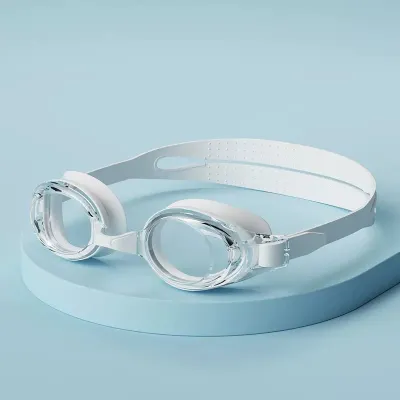
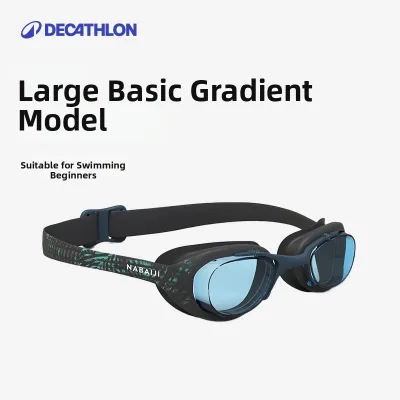
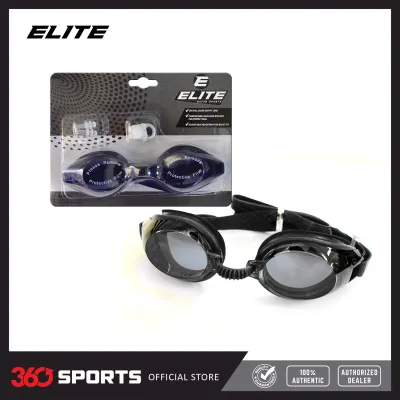
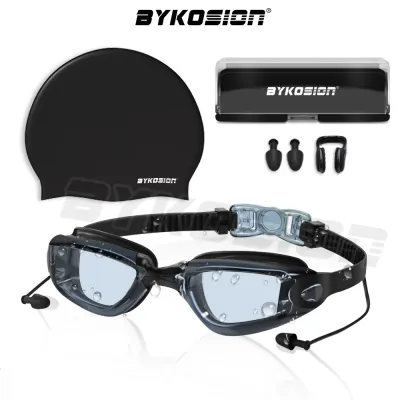
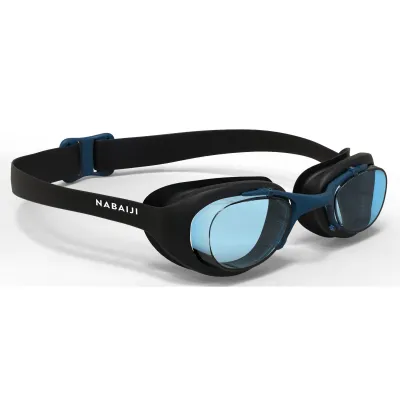
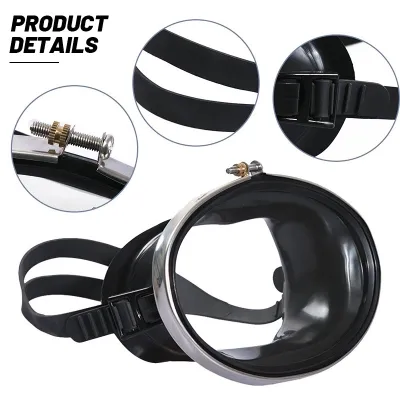
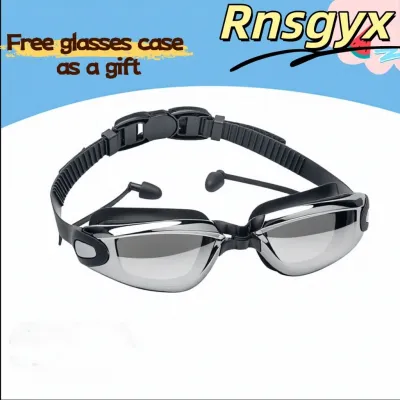
Prices are valid at publication and may change. Please refer to the product page for the latest price.
Match Goggle Styles to Your Facial Structure
Male facial anatomy presents distinct structural features that directly impact how a goggle frame rests on the skin. Men generally possess a more prominent glabella (the bone structure between the eyebrows), deeper eye sockets, and a wider zygomatic arch (cheekbone area). If a goggle frame is too narrow or lacks the depth to clear these bony prominences, the gasket will lift away from the skin, creating immediate pathways for water to enter.
Recreational and Fitness Goggles
Recreational and fitness goggles are designed with comfort as the primary objective, making them highly accommodating for broader male facial structures. These models feature larger eye cups and thick, soft silicone gaskets that seal around the outer perimeter of the orbital bone rather than sitting directly inside the socket. Because the sealing surface is wider, it easily absorbs the structural variations of a prominent brow or wider cheekbones. While they generate more drag in the water than streamlined racing models, their forgiving fit makes them the most reliable choice for daily lap swimming and general fitness training.
Competition and Swedish Goggles
Competition and Swedish goggles prioritize hydrodynamics and a low profile, which demands a highly precise fit. Swedish goggles often dispense with rubber or silicone gaskets entirely, relying on a hard plastic rim that sits directly inside the eye socket. Modern racing goggles may include a micro-gasket, but the sealing area remains exceptionally small. Because these designs offer virtually no flexibility, they are highly unforgiving of deep-set eyes or prominent brow ridges. Any misalignment between the hard frame and your bone structure will result in painful pressure points and immediate leaks, meaning these goggles require a very specific facial contour to function correctly.
Open Water and Triathlon Goggles
Open water and triathlon goggles are engineered to handle unpredictable outdoor environments, offering a hybrid solution that excels in durability and visibility. These goggles feature a wider frame than competition models, providing an expanded field of vision that helps swimmers navigate open water. The gaskets are typically constructed from robust, thick silicone designed to withstand the impact of choppy water and accidental contact from other swimmers. For men who find standard fitness goggles too restrictive or competition goggles too painful, the secure, wide-area seal of a triathlon goggle offers an excellent balance of comfort and stability.
Inspect Key Components for a Watertight Seal
Before purchasing swimming goggles, you must examine the physical components that dictate how the frame conforms to your face. A goggle is only as leak-proof as its weakest component, and high-quality materials make a substantial difference in maintaining a long-term seal.

Silicone Gaskets
The gasket is the direct interface between the goggle frame and your skin. When shopping, look for high-grade liquid silicone or dual-density silicone gaskets. Dual-density designs feature a firmer outer silicone layer to maintain the structural shape of the lens and a remarkably soft inner layer that molds seamlessly to the curves of your orbital bone. This flexibility allows the gasket to fill in the natural micro-contours around your temples and under your eyes, preventing water from slipping through without requiring you to overtighten the head strap.
Adjustable Nose Bridges
A fixed nose bridge is one of the most common causes of goggle leaks for men. If the nose bridge is too narrow, it pulls the lenses inward, causing the outer corners of the gaskets to lift off the temples. If it is too wide, the inner corners near the nose will gap. Opt for goggles that feature interchangeable nose pieces (typically supplied in three to five different sizes) or a flexible, self-adjusting nose bridge. For men with wider or flatter nose bridges, being able to customize this distance is absolutely essential to ensure the lenses sit perfectly flat and parallel against the face.
Strap Systems
The strap is not meant to force the goggles onto your face, but rather to keep the established seal stable while you move. Look for split-strap designs or wide, textured silicone straps. A split strap divides into two bands at the back of the head, which prevents the goggles from shifting up or down during flip turns or rapid head movements. Textured back surfaces grip your hair or swim cap securely, ensuring that once you find the correct tension, the strap will not slip or loosen mid-swim.
Perform the Suction Test to Verify the Fit
You should never rely solely on a product’s style description to guarantee a leak-free experience. The absolute best way to ensure a pair of goggles fits your unique facial structure is to perform a hands-free suction test before buying them or before getting into the pool.
Step 1: Hold the goggles by the lenses and press them gently against your eye sockets. Do not put the head strap over your head; let it hang loosely in front of you.
Step 2: Press the frames inward slightly while exhaling gently through your nose. This action expels a small amount of air from inside the eye cups, creating a mild vacuum between the silicone gaskets and your skin.
Step 3: Remove your hands completely from the goggles. Keep your face still and count to five. If the goggles remain suctioned to your face for three to five seconds without falling off, the shape of the frame and the size of the gaskets are a correct match for your facial structure.
Step 4: Pay close attention to how the frame feels during those few seconds. The silicone seal should rest evenly on the hard bone surrounding your eyes. If you feel the hard plastic of the lens pressing directly against your eyelids, or if you experience a sharp pinching sensation near the bridge of your nose, the goggles are too small or poorly shaped for your face.
Warning: If the goggles fall off immediately, or if you notice air rushing in near the inner corners of your eyes, do not buy them. This indicates that your nose bridge is pushing the lenses apart or that your brow ridge is preventing the top of the gasket from making contact. Try adjusting the nose bridge to a wider or narrower setting and run the test again. If the issue persists, you must switch to a different goggle style entirely.
Adjust and Wear Your Goggles Correctly
Even the most expensive, perfectly fitted goggles will leak if they are positioned incorrectly on your head. Proper adjustment prevents user-error leaks and ensures long-term comfort during extended swim sessions.
Strap Placement
Many swimmers mistakenly wear the goggle strap directly over their ears or resting low on the nape of the neck. This low placement pulls the goggle frames downward, breaking the seal at the top of the eyes. Instead, position the strap at a 45-degree angle, resting high on the back of your head near the crown. If you are using a split strap, position one band high on the crown and the other slightly lower, just above the widest part of the back of your skull. This dual-point anchor distributes the tension evenly and prevents the goggles from shifting when you glide through the water.
Tension Rule
There is a common misconception that tighter straps mean a better seal. In reality, overtightening your goggles is a primary cause of leaks. Excessive tension deforms the soft silicone gaskets, causing them to warp, buckle, and pull away from the skin. The strap should only be tight enough to hold the goggles in place. Use the two-finger rule: after putting the goggles on, you should be able to comfortably slide two fingers under the strap behind your ear. If the strap digs into your skin or causes a headache, loosen it immediately.
Nose Bridge Adjustment
When setting up a new pair of goggles, take the time to swap out the nose bridge until you find the perfect width. The lenses must sit flat against your face. If the nose bridge is too wide, you will see a gap on the inner corner of the lens near your nose. If it is too narrow, the outer edges of the goggles will pinch your temples. Adjust the nose bridge so that the lenses sit symmetrically over your eyes without requiring any lateral stretching of the frame.
Managing Facial Hair
Thick eyebrows, long temple hair, or even a high beard line can easily get trapped underneath the silicone gasket. Because silicone requires direct contact with clean skin to form a vacuum, even a few strands of hair will create microscopic gaps that allow water to slowly seep inside. Before pressing the goggles to your face, use your fingers to sweep your eyebrows upward and clear any stray hair away from your temples. Wearing a silicone swim cap can also help keep longer hair completely out of the way of your goggle gaskets.
Maintain the Silicone Seal to Prevent Future Leaks
Chlorine, salt water, body oils, and environmental heat will gradually degrade silicone over time, causing it to lose its elasticity and fail to seal. Proper maintenance is essential to preserve the integrity of your goggles and prevent leaks from developing down the road.
- Rinse immediately: As soon as you exit the water, rinse your goggles thoroughly in clean, cool tap water. This removes pool chemicals, salt deposits, and skin oils that eat away at the silicone gaskets and degrade the anti-fog coating inside the lenses.
- Air-dry in the shade: Never leave your goggles to dry in direct sunlight or inside a hot car. In tropical climates like the Philippines, intense heat and UV rays will quickly warp plastic frames and cause silicone gaskets to become brittle and crack. Hang them to dry in a well-ventilated, shaded indoor area.
- Store in a protective case: Tossing loose goggles into a crowded gym bag is a guaranteed way to scratch the lenses and deform the gaskets. When the silicone is pressed flat against heavy gear for hours, it can take on a permanent warp. Always store your dry goggles in a hard-shell protective case to preserve their shape.
Investing in quality gear is only half the battle. Mid-range fitness and triathlete goggles typically range from ₱800 to ₱2,500 in local specialty sports shops and online marketplaces. By taking a few extra minutes to rinse and protect your investment, you ensure that the silicone remains soft, pliable, and fully capable of maintaining a perfect seal swim after swim.
Frequently Asked Questions (FAQ)
Why do my swimming goggles leave deep red marks around my eyes?
Deep, painful red marks around your eyes are a clear sign of excessive strap tension or an incorrect eye cup size. When goggles do not fit your bone structure naturally, swimmers often overtighten the straps to force a seal, which presses the frame hard against the sensitive, soft tissue surrounding the eyes. The seal should rely on the natural suction of the silicone gasket resting on your orbital bone, not on strap pressure. To resolve this, loosen the straps significantly, or transition to a recreational style goggle with a larger, softer liquid silicone gasket that distributes the pressure over a wider surface area.
Which lens tint is best for outdoor swimming in the Philippines?
For outdoor swimming in the Philippines, where the tropical sun creates intense glare on the water’s surface, mirrored or dark-tinted lenses are highly recommended. Mirrored lenses reflect bright sunlight away from your eyes, reducing squinting and eye fatigue during open-water swims or in outdoor pools. Polarized lenses are also excellent for cutting glare on sunny days. If you primarily swim in indoor pools, during early mornings, or under overcast skies, opt for clear or light blue lenses, which maximize light transmission and provide the clearest visibility in low-light conditions.
Community discussion
Share your experience or ask a question. Comments are reviewed before publication.