
Quick Answer: Training vs. Competition Leotards
Choosing the right gymnastics leotard depends entirely on whether you are preparing for daily practice or stepping onto the competition floor. Training leotards are the workhorses of an athlete’s wardrobe. They prioritize rugged durability, high breathability, and maximum comfort to withstand hours of repetitive drills, heavy sweating, and frequent washing.
In contrast, competition leotards are highly specialized performance garments designed to make a visual impact under arena lights. They feature eye-catching embellishments, strict athletic cuts that comply with gymnastics federation rules, and a flawless “second skin” fit that highlights body alignment. Because competitive designs use delicate materials like mesh and foil overlays, they require careful handling and are not built for the daily wear and tear of training. Understanding these key differences allows gymnasts to build a functional, cost-effective wardrobe that supports both physical performance and competitive success.
Core Differences: Fabric, Design, and Purpose
While both types of garments serve the same basic function of allowing unrestricted movement, their structural designs and material compositions are optimized for very different environments. Balancing these differences is key to protecting your investment and ensuring athlete comfort.
Products mentioned in this guide
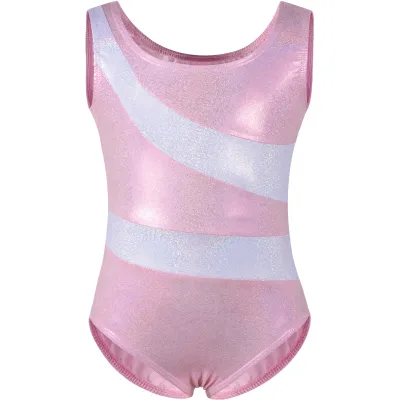
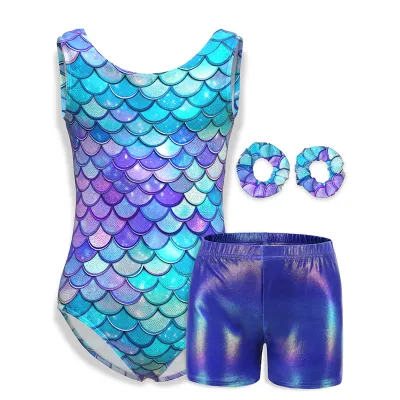
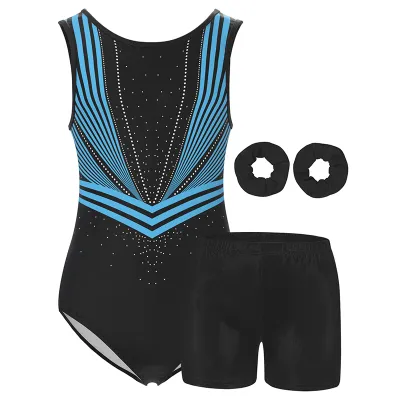
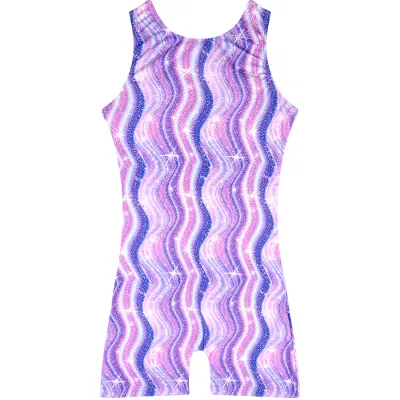
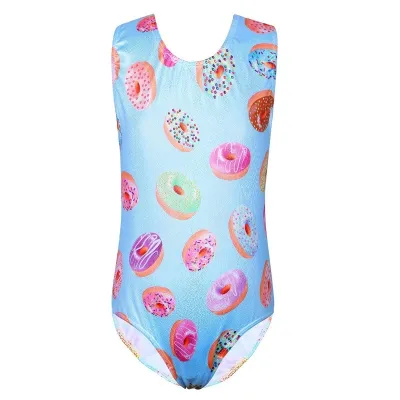
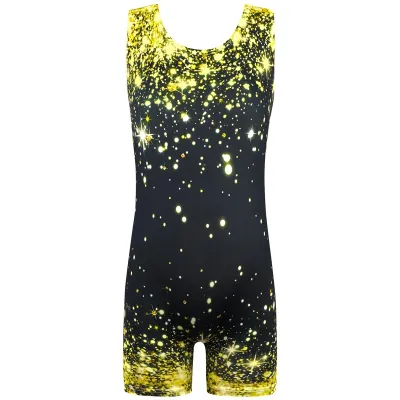
Prices are valid at publication and may change. Please refer to the product page for the latest price.

Fabric, Comfort, and Durability
Daily training demands fabrics that can endure constant friction from carpeted mats, wooden uneven bars, and foam pits. Training leotards are typically constructed from robust nylon-spandex (elastane) blends, polyester-spandex, or soft cotton-spandex. Nylon and polyester blends offer excellent shape retention and stretch recovery, ensuring the garment does not sag after dozens of wash cycles.
In the warm and humid climate of the Philippines, training facilities can become exceptionally hot. This makes moisture-wicking synthetic fabrics highly preferable over cotton. While cotton feels soft initially, it absorbs and holds onto sweat, becoming heavy, damp, and prone to causing skin chafing. High-quality synthetic blends draw moisture away from the skin, keeping the gymnast dry and cool during long, intense training sessions.
Design, Embellishments, and Aesthetics
Competition leotards are designed to project confidence, elegance, and team unity. They utilize premium design elements such as intricate rhinestone patterns, metallic foil prints, sublimated color gradients, and sheer mesh panels. These materials create a striking visual presentation that helps gymnasts stand out to the judges.
However, these aesthetic enhancements come at the cost of daily comfort and durability. Metallic foils can rub off or fade when exposed to the constant friction of training equipment. Rhinestones and sequins can cause skin irritation or scratch equipment surfaces during repetitive drills. Furthermore, sheer mesh panels are highly delicate and can easily snag on hook-and-loop fasteners (Velcro) commonly found on gymnastics grips, wrist wraps, or training mats.
Choosing a Leotard for Daily Training
Selecting daily practice wear requires prioritizing physical comfort, skin protection, and ease of movement. Because gymnasts spend the vast majority of their time in training wear, these garments must support thousands of repetitions without causing distraction.
To ensure a productive practice session, keep the following criteria in mind:
- Seam Construction: Look for garments featuring flatlock seams or seamless construction. Raised, rough seams can rub against the skin during repetitive conditioning, leading to painful chafing or "mat burns."
- Color and Pattern Selection: Gymnastics training is a dusty endeavor due to the heavy use of magnesium carbonate (gymnastics chalk). Light-colored fabrics, such as white or pale pink, quickly show chalk stains, sweat marks, and mat dirt. Darker colors like navy, black, and deep plum, or busy, multi-colored sublimated patterns are highly practical because they mask stains and keep the athlete looking neat throughout practice.
- Sleeve Length: Sleeveless (tank-style) leotards are the most popular choice for daily training, particularly in tropical regions. They maximize airflow, prevent overheating, and offer completely unrestricted shoulder mobility. Short-sleeve options provide slightly more shoulder coverage, while long-sleeve training leotards are generally reserved for highly air-conditioned facilities or for acclimating to the feel of competitive wear before a meet.
- Coverage and Leg Cut: Safety in gymnastics requires absolute focus. A training leotard must have a moderate leg cut and a secure neckline that stays firmly in place during inversions, splits, and dynamic tumbling. If an athlete is constantly pulling down the fabric or adjusting the straps, their concentration is broken, which increases the risk of technical errors.
Selecting a Leotard for Formal Competitions
When transitioning to formal meets, the selection process shifts from pure utility to a balance of visual presentation, precise fit, and regulatory compliance. A competitive leotard is an extension of the performance itself.
When preparing for a competition, prioritize these essential factors:
- Regulatory Compliance: Before purchasing any competition wear, always consult the specific rulebook of your local, national, or international gymnastics federation (such as the Gymnastics Association of the Philippines or school athletic boards). Federations enforce strict guidelines regarding the depth of necklines, the height of leg cuts, the transparency of mesh inserts, and even the width of shoulder straps. Non-compliant attire can result in automatic score deductions.
- The "Second Skin" Fit: A competition leotard must fit perfectly with zero excess fabric. Any bagging, wrinkling, or sagging at the lower back, underarms, or crotch looks untidy and can obscure the gymnast's body lines. Judges need to see clean, sharp angles and proper hip alignment to score routines accurately.
- Psychological Impact: Wearing a polished, beautifully designed leotard that matches the rest of the team fosters a sense of unity, pride, and professional readiness. Feeling confident in your appearance can significantly reduce pre-meet nerves and boost presentation quality on the floor.
- Sizing Considerations: It is highly common for competition leotards to feel tighter and have less physical stretch than training leotards of the same size. This rigidity is caused by heavy rhinestone embellishments, metallic foils, and structural mesh panels that do not stretch as freely as plain spandex. Never guess your size based on your training wear. Always take precise measurements of the bust, waist, hips, and—most importantly—the torso girth (the continuous loop from the shoulder, down through the crotch, and back to the starting shoulder). Compare these measurements directly against the manufacturer's specific size chart.
Cross-Scenario Compatibility: Can You Use the Same Leotard for Both?
Gymnastics can be an expensive sport, leading many parents and athletes to wonder if they can streamline their budget by using a single leotard for both training and competition. While some crossover is possible, it depends heavily on the level of competition and the design of the garment.
For entry-level, local, or intra-club meets, a high-quality, unembellished training leotard is often perfectly acceptable. A clean, solid-colored tank leotard in the team’s official colors allows beginner gymnasts to participate without requiring their families to invest in expensive competitive wear. At this stage, judges focus primarily on basic technique rather than elaborate presentation.
Conversely, wearing a highly decorated competition leotard to daily training is strongly discouraged. The delicate foil finishes, intricate beadwork, and fine mesh panels are not built to withstand the high-friction environment of daily training. A single intense session on the uneven bars can scrape off foil coatings or tear delicate mesh, ruining an expensive garment that should be preserved for the competition floor.
For a practical and budget-friendly wardrobe strategy, intermediate gymnasts should maintain a rotation of 3 to 4 durable training leotards (typically ranging from ₱1,000 to ₱2,500 each) to cover their weekly practices. They can then invest in 1 or 2 specialized competition leotards (which can range from ₱3,500 to ₱8,000 or more depending on customization) reserved strictly for dress rehearsals and official meet days.
Maintenance Tips for Humid Climates and Heavy Use
To protect your financial investment and maintain proper hygiene, proper garment care is essential. Gymnastics leotards are made of highly technical elastic fibers that degrade quickly if exposed to sweat, body oils, chalk, and improper washing techniques.
Follow these care steps to maximize the lifespan of your leotards:
- Wash Promptly: Never leave a damp, sweat-soaked leotard balled up at the bottom of a gym bag. In humid climates, this dark, moist environment is a breeding ground for bacteria, mold, and mildew, which can ruin the fabric fibers and cause skin infections. Rinse or wash the garment as soon as possible after use.
- Hand Wash in Cold Water: Always turn the leotard inside out before washing to protect delicate surface finishes and rhinestones. Hand wash gently in cold water using a mild, pH-neutral liquid detergent. Avoid powder detergents, which can leave a dulling residue on shiny fabrics.
- Avoid Harsh Chemicals: Never use bleach, stain removers, or fabric softeners. Fabric softeners leave a chemical coating on the fibers that destroys the moisture-wicking capabilities of synthetic fabrics and weakens the elastane bonds, causing the garment to lose its stretch.
- Air Dry Safely: Strictly avoid using a tumble dryer, as the intense heat will melt elastic fibers and liquefy the adhesives holding rhinestones in place. Gently squeeze out excess water without wringing or twisting the fabric. Lay the leotard flat on a clean towel or hang it on a plastic hanger to air dry in a shaded, well-ventilated area. Avoid direct tropical sunlight, which can fade vibrant colors and degrade elastic materials over time.
- Consult Care Labels: Always check the manufacturer's specific care label on the inside of the garment before washing, as specialty fabrics may have unique cleaning instructions.
Frequently Asked Questions (FAQ)
Do I need to wear underwear under a gymnastics leotard?
Most gymnastics leotards are designed with a built-in cotton gusset and are engineered to be worn without standard underwear. This design prevents visible panty lines and stops underwear from shifting or riding up during dynamic movements. If extra coverage, support, or menstrual protection is needed, gymnasts can wear specialized, high-cut gymnastics briefs or skin-toned liners designed to remain hidden beneath the leotard’s leg lines.
How tight should a gymnastics leotard be?
A gymnastics leotard should fit snugly against the body like a second skin, providing firm support without restricting breathing, circulation, or shoulder mobility. There should be no loose, sagging, or bunching fabric at the shoulders, underarms, or crotch. If the fabric cuts into the shoulders or thighs, leaves deep red marks, or restricts your ability to take a deep breath, the leotard is too small and you should size up for safety and comfort.
Community discussion
Share your experience or ask a question. Comments are reviewed before publication.