
Finding the perfect pair of light-up roller skates for your daughter is a balancing act between fun aesthetics and reliable physical support. While children are naturally drawn to vibrant, glowing wheels, parents must prioritize structural safety, proper fit, and appropriate wheel specifications. Understanding these technical features ensures your child enjoys a smooth, injury-free ride while learning a rewarding new sport.
Quick Guide: Selecting Roller Skates for Kids Girl with Lights
When searching for the ideal roller skates for kids girl with lights, it is easy to get distracted by the flash and color of the wheels. However, the primary decision drivers should always be adjustable sizing, wheel hardness (durometer), light mechanisms, and ankle support.
While flashing wheels are exciting for kids and keep them motivated to practice, structural support and proper fit are what actually keep them safe and help them learn. A high-quality skate protects growing joints, prevents painful blisters, and provides the stability needed to build confidence on wheels.
Products mentioned in this guide
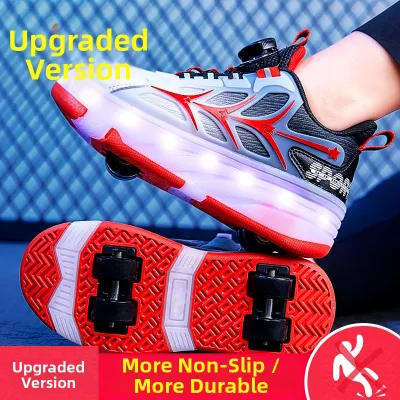
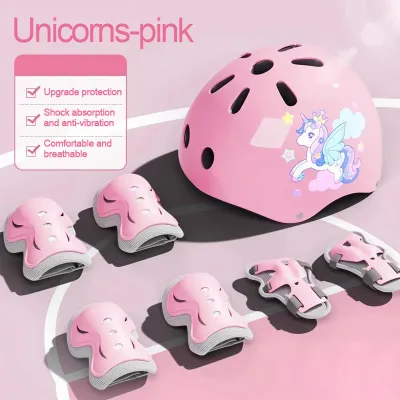
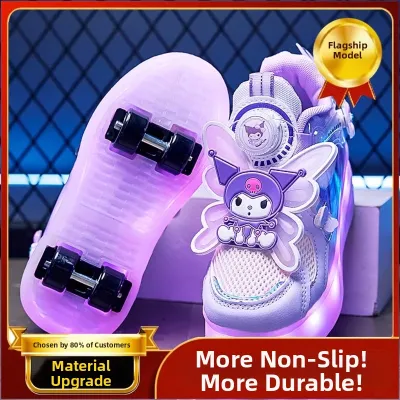
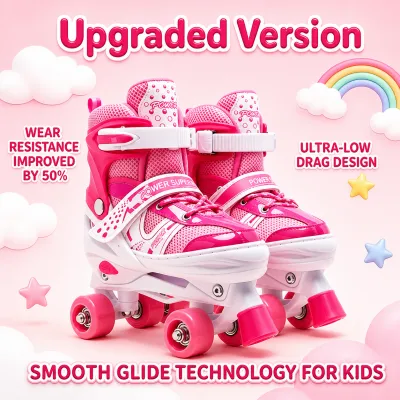
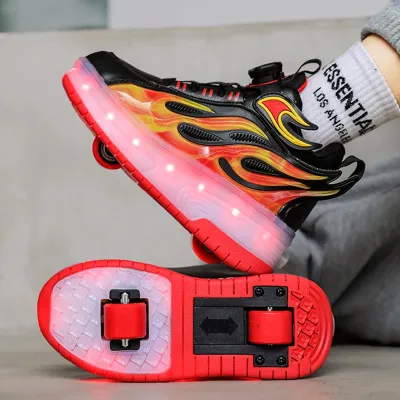
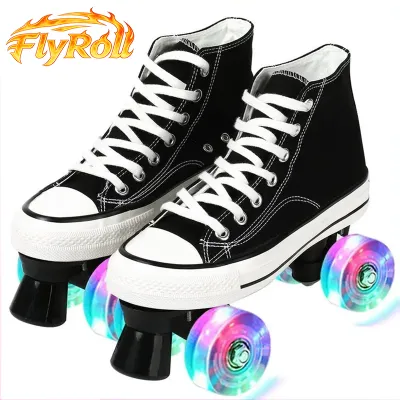
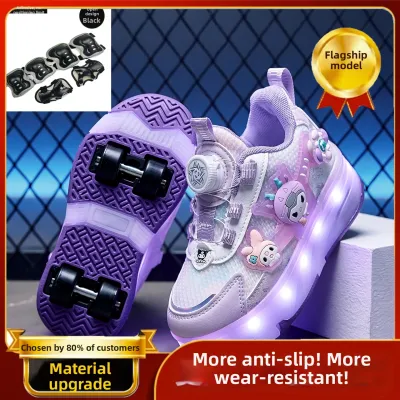
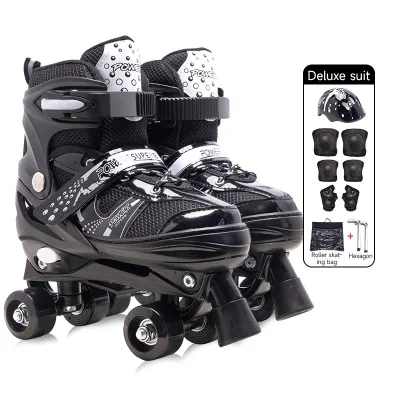
Prices are valid at publication and may change. Please refer to the product page for the latest price.
Sizing and Adjustability: Planning for Growth
Children grow quickly, making adjustable skates a practical and cost-effective choice. Most modern youth skates feature either a push-button or a tool-adjustable sizing mechanism. Push-button systems are highly convenient for parents, allowing you to expand the boot across three to four sizes on the go simply by pressing a button and sliding the toe cap forward. Tool-adjustable systems require an Allen key or screwdriver to loosen the frame, which is slightly sturdier but less convenient for quick adjustments.

To ensure a safe, long-lasting fit, always measure your child’s foot correctly rather than relying solely on standard shoe sizes. Have your daughter stand on a piece of paper, trace her foot, and measure the distance from her heel to her longest toe in centimeters. Compare this measurement directly to the manufacturer’s specific size chart, as sizing standards vary significantly between brands.
Avoid the common mistake of buying skates that are multiple sizes too large to give her “room to grow.” A loose-fitting boot allows the foot to slide around inside, causing painful friction blisters and severely reducing ankle control. Without a snug fit, your daughter will struggle to balance and may develop bad skating habits. The ideal fit should be snug but not painfully tight, with her toes lightly brushing the front of the liner when standing upright and her heel locked firmly in place.
Wheel Types and Light Mechanisms Decoded
Wheels dictate how a skate performs on different surfaces and how the light-up feature operates. Balancing these technical specs ensures the skates are suitable for your local riding conditions.
Wheel Size and Hardness (Durometer)
Beginners benefit most from smaller wheels, typically ranging from 54mm to 60mm. Smaller wheels keep the skater lower to the ground, offering a lower center of gravity and better overall stability. Larger wheels roll faster and require less effort to maintain speed, making them more suitable for advanced skaters who have already mastered basic balance and braking.
Wheel hardness is measured using a durometer rating, indicated by a number followed by the letter “A”. Softer wheels, such as those rated 82A, are ideal for outdoor skating on rough asphalt, concrete driveways, or public barangay courts in the Philippines. They absorb road vibrations and provide a secure grip on uneven pavement. Harder wheels, like 85A and above, offer less traction but higher speeds, making them strictly suited for smooth, polished indoor rinks.
Light-Up Mechanisms: Dynamo vs. Battery
Most light-up wheels utilize a magnetic dynamo system. These wheels feature a small magnetic spacer placed between the wheel bearings. As the wheel spins, it generates its own electricity to power the internal LED lights. This design is highly convenient because it requires no batteries or charging. However, the dynamo adds a tiny amount of rolling resistance, and the lights will fade or turn off entirely if your daughter skates too slowly.
Alternatively, some skates feature battery-operated or USB-rechargeable light systems. These setups offer much brighter, consistent illumination that remains active even when standing still, and they often include multiple color-changing modes. The trade-off is added weight and maintenance, as you must regularly charge the boots or replace the batteries to keep the lights functioning.
Boot Support, Brakes, and Safety Features
The structural design of the skate boot directly impacts your daughter’s safety and comfort, especially when learning in warm environments.
When choosing between a hard shell and a soft boot design, beginners should almost always start with a hard shell. A rigid molded plastic outer shell provides critical ankle support, preventing her ankles from rolling inward or outward as she learns to balance. Soft boots are lighter and more flexible, but they lack the structural reinforcement necessary to prevent ankle fatigue and potential strain for new skaters.
In the hot and humid climate of the Philippines, heavy padding can quickly lead to sweaty, uncomfortable feet. Look for boots equipped with breathable, moisture-wicking mesh liners and built-in ventilation slots to promote airflow and keep her feet dry during long skating sessions.
Braking systems also differ by skate style. Traditional quad skates feature a toe stop at the front of the boot, while inline skates use a heel brake at the rear. For young beginners, a heel brake is often more intuitive because the natural reaction when losing balance is to lean back and drag the heel. Ensure the brake pad is made of high-quality rubber rather than hard plastic, which can slide dangerously on smooth concrete.
No matter how many safety features are built into the skates, they do not replace proper protective gear. Always equip your daughter with a certified helmet, knee pads, elbow pads, and wrist guards. Before her first session, check the manufacturer’s instructions for weight limits and proper gear fastening to ensure maximum protection.
Frequently Asked Questions (FAQ)
Can the lights on the wheels be turned off?
If the skates use magnetic dynamo wheels, the lights cannot be turned off because they are powered automatically by the spinning motion of the wheels. However, if the skates feature a battery-powered or USB-rechargeable light system, they typically include a small physical switch or button on the tongue or collar of the boot, allowing you to turn the lights off manually to conserve power.
Are quad skates or inline skates better for beginners with light-up wheels?
Quad skates are generally better for very young beginners because their wide, rectangular wheel configuration provides a stable base that makes standing still and balancing easier. Inline skates, with their wheels arranged in a single line, offer better forward glide and structural ankle support once the child learns the basic pushing motion. Both styles are widely available with light-up wheels, so the choice depends on your daughter’s age and personal comfort.
Community discussion
Share your experience or ask a question. Comments are reviewed before publication.