
The character of a longboard is fundamentally shaped by the physical hardware mounted underneath its tail. In the warm, tropical waters of the Philippines—whether you are trimming along the gentle, peeling waves of Mona Lisa Point in La Union or navigating the swifter reef setups of Siargao—your choice of fin dictates how your board interacts with the wave. The right fin can transform a sluggish, unresponsive board into an agile cruiser, while the wrong one can make a high-performance shape feel completely uncontrollable.
To find the perfect setup for your riding style, you must understand how different shapes, sizes, and flex profiles alter your board’s handling. Balancing these variables allows you to customize your ride to match your local surf conditions and personal goals.
Understand How Fin Anatomy Affects Your Ride
Every longboard fin is defined by four primary geometric characteristics: base, depth, sweep, and foil. Understanding these physical dimensions is the first step toward decoding how a fin will feel once you paddle out into the lineup.
Products mentioned in this guide
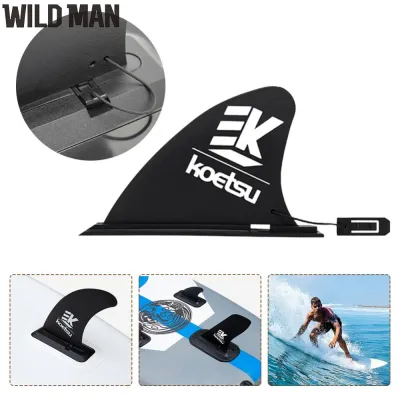
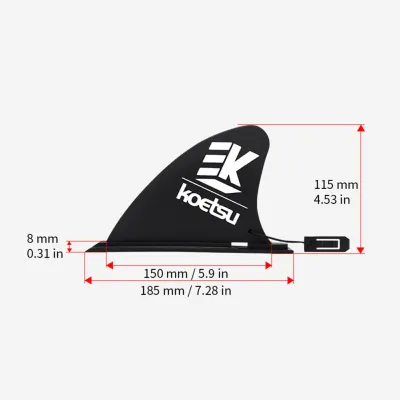
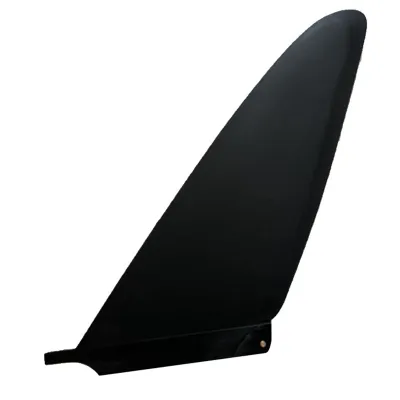
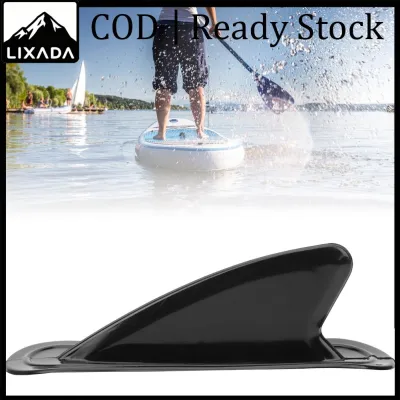
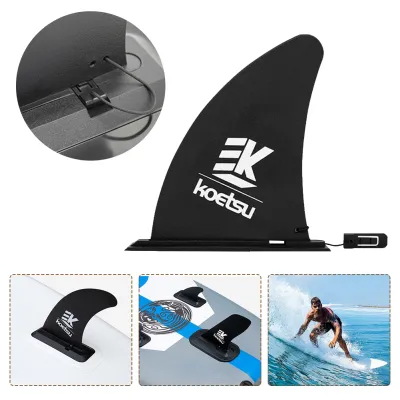
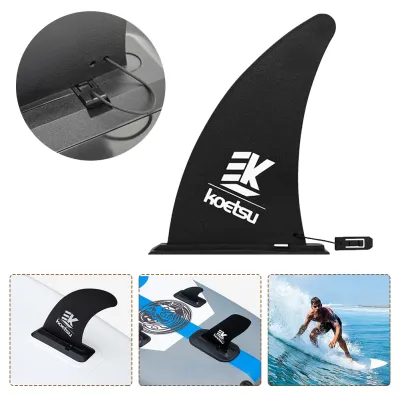
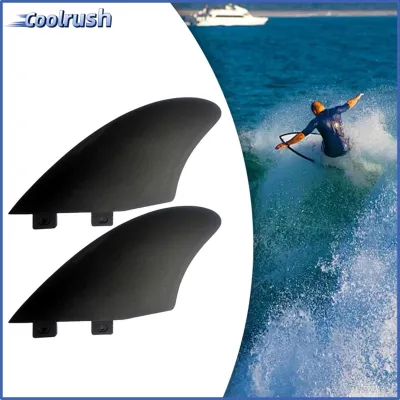
Prices are valid at publication and may change. Please refer to the product page for the latest price.
Base refers to the widest part of the fin, which sits flush against the bottom of your surfboard inside the fin box. A wider base provides more physical surface area in contact with the board, translating directly into greater drive and forward acceleration when you pump or lean into a turn. However, a very wide base resists turning transitions, requiring more physical effort to initiate a change in direction.
Depth is the vertical distance from the base of the fin to its outermost tip, representing how deep the hardware penetrates the water column. Deeper fins anchor the tail of your board securely into the wave face, offering excellent stability and preventing the board from slipping sideways during steep drops. Shallower fins reduce overall drag and make the board feel loose and easy to slide, though you sacrifice tracking and hold.
Sweep, also commonly referred to as rake, is the angle at which the fin curves backward away from its vertical axis. Fins with minimal sweep stand nearly upright, keeping the turning axis directly under your back foot to allow for tight, pivoting turns. Highly swept fins curve dramatically backward, extending the turning radius to deliver smooth, drawn-out, carving turns that maintain momentum through long arcs.
Foil is the hydrodynamic cross-section shape of the fin from its leading edge to its trailing edge. Just like an airplane wing, the foil determines how water flows past the fin’s surfaces to generate lift and drag. Most longboard center fins feature a symmetric foil, curved equally on both sides, to ensure consistent and predictable performance when turning both left and right. Side fins, however, typically have a flat inner face and a curved outer face, which creates directional lift to hold the rail of the board high in the wave face during angled rides.
Match Fin Shapes to Your Preferred Surfing Style
The physical silhouette of your fin determines how it behaves when water flows around it. Longboarders generally categorize these silhouettes into three distinct templates, each optimized for specific movements on the wave.

D-Fins for Traditional Noseriding
Traditional logging is defined by clean lines, trim, and spending as much time as possible on the nose of the board. The classic D-fin, characterized by an exceptionally wide base and a vertical, blocky profile resembling the letter “D,” is the historical cornerstone of this style. This massive surface area acts like an underwater anchor, keeping the tail firmly submerged and tracking straight while you cross-step forward.
When you walk to the nose, your body weight shifts to the front of the board, which naturally coaxes the tail to lift out of the water. The D-fin combats this lifting force by providing maximum hold and lateral stability, allowing you to hang five or ten toes over the nose without the tail washing out.
The trade-off for this incredible stability is a significant loss of maneuverability. Because the D-fin resists turning, changing direction requires you to step all the way back to the tail, stall the board, and physically force the tail around. This makes D-fins ideal for slow, peeling point breaks where the goal is straight-line trim rather than active carving.
Pivot Fins for All-Around Control
For surfers who want to combine classic noseriding with responsive turning, the pivot fin serves as the ultimate all-around workhorse. This template features a highly upright, vertical profile similar to a D-fin, but is designed with a much narrower base and a thinner tip. This unique combination allows water to release quickly from the trailing edge, making it significantly easier to swing the nose of the board through turns.
When you step back onto the tail of a board equipped with a pivot fin, you can easily initiate quick, sharp turns that pivot the board around its tail. This is highly advantageous on beach breaks where waves close out quickly, requiring rapid adjustments to stay in the pocket of the wave.
Despite its turning agility, the height and upright nature of the pivot fin still provide substantial hold when you walk forward. It is the most versatile option for surfers navigating typical beach breaks, where wave shapes can change rapidly from soft rollers to quick, sectiony peaks.
Swept Fins for Performance Carving
Performance longboarding shifts the focus away from static noseriding toward speed, flow, and aggressive, rail-to-rail carving. Swept fins are designed specifically to facilitate this dynamic style of riding. They feature a moderate base that tapers into a swept-back, flexible tip, creating a curved silhouette that mimics the dorsal fin of a dolphin.
The pronounced backward angle of a swept fin allows you to draw out long, smooth, carving turns without losing speed. As you apply pressure to the rail, the swept tip flexes and stores energy, releasing it as you exit the turn to propel the board forward with a noticeable burst of speed.
While swept fins excel at high-speed rail work, they offer significantly less hold at slow speeds compared to upright templates. If you attempt to walk to the nose with a highly swept fin in soft, slow waves, the tail is much more likely to slide out. This template is best suited for modern performance longboards ridden in clean, punchy reef breaks or point breaks where you can utilize the board’s rails to carve.
Dial In Fin Size and Flex for Your Weight and Skill
Selecting the correct fin size is a balancing act between your physical weight, your board’s length, and the typical wave conditions you surf. A reliable baseline rule of thumb is to match the vertical height of your center fin in inches to the overall length of your longboard in feet. For example, a classic 9-foot longboard generally pairs beautifully with a 9-inch center fin.
You must adjust this baseline to account for your body weight and physical stature. Heavier surfers (typically over 80 kg) require more surface area to prevent the tail of the board from sliding out under the force of their turns, meaning they should opt for a slightly larger or wider-based fin. Lighter surfers (under 60 kg) will find that a standard-sized fin feels stiff and difficult to turn, so they should downsize by half an inch to an inch to keep the board loose and responsive.
The material composition of your fin dictates how much it bends under pressure and how quickly it snaps back into shape. Stiff materials—such as solid fiberglass or high-density G10 epoxy composites—offer immediate energy transfer, maximum stability, and precise control. Advanced surfers and heavier riders prefer stiff fins because they respond instantly to subtle foot inputs and hold their line in larger, more powerful waves. In the local market, prices can range from budget-friendly composite fins around ₱1,500 to premium hand-foiled fiberglass templates that can exceed ₱5,000.
On the other end of the spectrum, fins constructed from molded nylon, plastic, or composite blends with a flexible tip offer a much more forgiving ride. Flexible fins absorb sudden bumps in the water and bend easily during turns, making it simpler for beginners to initiate maneuvers at slower speeds. In the warm, tropical waters of the Philippines, extremely soft plastic fins can become even more flexible, so upgrading to a fiberglass or composite fin is often a smart step as you progress.
Keep in mind that fin size and flex interact dynamically with your board’s overall volume, the shape of its rails, and the specific wave conditions of the day. A fin that feels incredibly stable in clean, waist-high peelers might feel skittish and unpredictable in choppy, overhead windswell. Treat these sizing guidelines as highly adaptable starting points for your own on-water experimentation rather than rigid rules.
Choose the Right Fin Box Setup for Your Board
The physical fin boxes glassed into the bottom of your longboard dictate which configurations you can run. Understanding how these setups alter your board’s handling will help you choose the right combination for the waves you plan to surf.
Single Fin Setups
The single fin setup is the purest expression of traditional longboarding, offering unmatched glide, speed, and clean trimming lines. By eliminating the drag of side fins, a single center fin allows the board to run freely through the water, maximizing your paddle efficiency and glide distance.
Because a single fin must do all the work of holding the board in the wave and guiding your turns, it requires a much larger center fin—typically between 9 and 10.5 inches. This setup forces you to slow down, read the wave’s energy, and perform smooth, deliberate turns from the tail of the board.
Single fins are highly recommended for clean, peeling point breaks and classic beach breaks where maintaining a high, stable line on the wave face is your primary objective. They encourage a relaxed, stylish approach to surfing that prioritizes flow over aggressive maneuvering.
2+1 and Thruster Setups
For surfers who want extra control in steep waves or desire a more active, shortboard-like feel, multi-fin configurations provide the necessary lateral grip. The most common modern longboard configuration is the 2+1 setup, which features a medium-sized center fin (usually 6 to 8.5 inches) paired with two small side fins, commonly referred to as “side bites.”
The side bites act as extra physical edges that bite into the wave face when the board is tilted on its rail, providing incredible hold during steep drops and preventing the tail from sliding out during hard, aggressive turns. This setup allows you to retain a degree of the classic single-fin glide while gaining the confidence to push hard through turns in larger or hollower surf.
In contrast, a pure thruster setup utilizes three equal-sized, smaller fins (usually around 4.5 inches each). This configuration transforms your longboard into a highly responsive, maneuverable platform that can be pumped for speed and turned sharply off the top of the wave, though it sacrifices almost all traditional glide and trim efficiency. Always remember that you can only configure your fins to match the physical boxes glassed into your board; you cannot install side bites on a board built with a single-fin-only box.
Install, Test, and Fine-Tune Your Fins in the Water
Correctly installing your fin is critical to both performance and the physical longevity of your equipment. For a standard US Box (the most common longboard center box), start by sliding the brass pin of the fin into the center opening of the box, then slide the fin backward or forward to your desired position. Align the fin perfectly straight with the stringer of the board, insert the fin screw through the fin’s tab hole into the brass plate inside the channel, and tighten it securely using a dedicated fin key or flathead screwdriver.
Always check your specific fin manufacturer’s instructions and the surfboard’s care guidelines before mounting new hardware. Be extremely careful not to over-tighten the screw, as excessive force can easily strip the threads of the brass plate or crack the fiberglass surrounding the fin box.
Once on the water, pay close attention to how the board responds to your movements. If your tail constantly slides out or spins free when you try to turn or walk forward, your fin is likely too small, positioned too far forward, or too flexible for your weight. Conversely, if the board feels incredibly stiff, sluggish, or feels like it is dragging an anchor through the water, your fin may be too large, positioned too far back, or too rigid.
If you notice that the fin does not fit snugly within the box, wobbles laterally even when the screw is fully tightened, or if you observe hairline cracks forming around the fiberglass edges of the fin box, stop surfing immediately. Do not attempt to force mismatched hardware or surf with a compromised fin box, as the water pressure can easily rip the box out of the board, causing severe structural damage. Consult a professional surfboard repair shop to address any physical fitment or structural issues.
Frequently Asked Questions (FAQ)
Can I use a standard shortboard fin on a longboard?
While some modern longboard side boxes are physically compatible with shortboard fin tabs, you should never use a standard shortboard fin as your main center fin. Shortboard fins are designed for much lighter, shorter boards and lack the vertical depth, surface area, and structural stiffness required to control a heavy, high-volume longboard. Attempting to use one will result in severe tail slide, a complete lack of directional control, and an inability to maintain speed or track along the wave face.
How do I maintain and clean my longboard fins?
To prolong the lifespan of your fins and prevent hardware failures, rinse your fins, screws, and fin boxes thoroughly with clean, fresh water after every session in the ocean. This simple step removes salt crystals and sand that can corrode the metal screws or lock the fin permanently into the box. Periodically remove the fin entirely to inspect the brass plate and screw for signs of wear, and check the leading and trailing edges of your fin for deep dings or sharp chips that could disrupt water flow or cause accidental cuts during a wipeout.
Community discussion
Share your experience or ask a question. Comments are reviewed before publication.