
Choosing the right metal weights for your strength training setup depends on where you train, how you lift, and how you manage your local environment. In tropical climates where high humidity and ambient moisture can accelerate rust, selecting between bare cast iron, machined steel, and various protective coatings is a critical decision. The right choice ensures your equipment remains functional, safe, and comfortable to handle over years of consistent use.
Whether you are building a compact garage gym, setting up a dedicated fitness room, or simply looking for a pair of durable dumbbells, understanding the physical properties of these materials will help you make an informed investment. By evaluating the construction, maintenance requirements, and protective finishes of different weights, you can find the ideal balance between cost and long-term performance.
Understanding the Core Metal Weight Materials
To make an informed purchase, you must first understand the differences in how the base metals of strength equipment are manufactured. Most metal weights are constructed from either cast iron or steel. Cast iron is created by pouring molten iron into sand molds. This traditional manufacturing process is highly cost-effective but often results in slight surface texture variations, minor air pockets, and small weight discrepancies.
Products mentioned in this guide
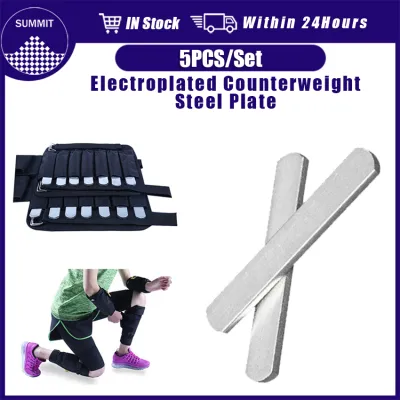
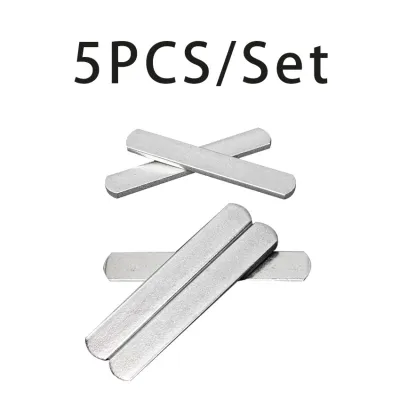
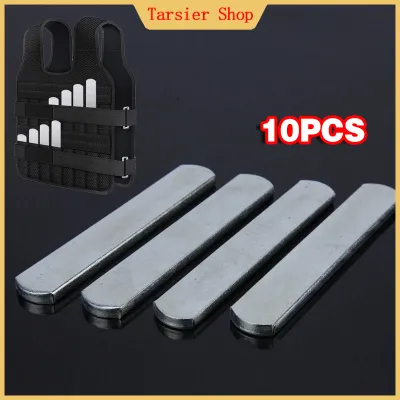
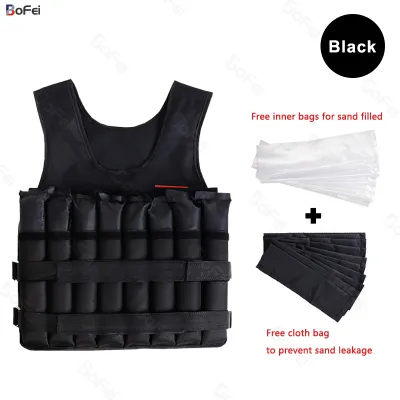
Prices are valid at publication and may change. Please refer to the product page for the latest price.
In contrast, steel weights—especially machined steel plates—are cut and shaped from solid steel billets. This precision manufacturing method allows for much tighter weight tolerances, a smoother surface finish, and a significantly thinner profile. Because steel is denser and stronger than cast iron, steel plates can withstand high-volume training while occupying less space on a barbell sleeve.
Protective finishes are applied to these base metals to prevent corrosion and reduce wear. Rubber coatings are common and provide a resilient barrier against moisture, though they can degrade if exposed to direct sunlight or extreme heat. Polyurethane, or urethane, is a premium alternative to rubber that offers exceptional tear resistance, a harder surface, and no chemical odor. For metallic finishes, chrome plating provides a bright, reflective layer that resists minor scratches, while zinc plating bonds directly with the metal to offer excellent rust resistance without adding bulk to the plate.
When browsing options, always read the manufacturer’s product labels and technical specifications carefully. Look for explicit details regarding the core material and the exact type of coating used. Avoid generic descriptions like “hardened shell” or “metallic finish,” and verify whether the product uses solid steel, cast iron, or a composite fill.
Evaluating Durability, Maintenance, and Floor Protection
In warm, humid regions, bare metal weights require active maintenance to prevent oxidation. Uncoated cast iron and steel will rust quickly when exposed to sweat and moisture in the air. To keep bare metal weights in good condition, you must establish a regular cleaning routine. This involves wiping the weights down with a dry microfiber cloth after every workout and occasionally applying a thin layer of light mineral oil or 3-in-1 oil to create a protective barrier against humidity. Coated options, such as urethane or thick rubber, shield the underlying metal from moisture, dramatically reducing the need for frequent oiling.

Floor protection and noise reduction are also critical factors, especially if you train on concrete floors or in a shared residential space. Dropping bare cast iron or steel weights directly onto hard surfaces can crack the floor, damage the weights, and create loud, disruptive noise. To mitigate this, you should install heavy-duty rubber floor mats or high-density foam tiles in your lifting area. Coated weights help absorb a portion of the initial impact, which dampens the sound of metal clanging and reduces the risk of chipping your floor.
Before purchasing, check the manufacturer’s specifications for drop ratings and environmental limits. Standard cast iron plates are brittle and are not designed to be dropped from overhead or shoulder height, as the impact can cause them to crack or shatter. Only specific bumper plates or reinforced steel plates are rated for high-impact drops, and using equipment outside its intended design can lead to sudden failure.
Matching Weight Types to Your Training Setup and Budget
Your training environment and space constraints should heavily influence your choice of metal weights. If you have a small home gym with limited storage, plate thickness is a major consideration. Machined steel plates are much thinner than rubber-coated cast iron plates, allowing you to load more weight onto a barbell sleeve or store them compactly on a weight tree. For garage gyms exposed to outdoor air, prioritizing rust-resistant coatings like urethane or zinc plating will save you hours of maintenance work over time.
Analyzing cost-effectiveness requires comparing the price per kilogram (₱/kg) across different options. Bare cast iron plates generally offer the lowest entry price per kilo, making them highly attractive if you need to purchase a large volume of weight on a budget. Premium coated options, such as urethane-coated plates or calibrated steel plates, carry a higher upfront cost in ₱ but offer superior longevity, better floor protection, and lower maintenance requirements.
Weighing these trade-offs is essential for long-term satisfaction. If you are willing to perform regular maintenance and use thick protective mats, budget-friendly bare cast iron plates can deliver excellent value and last a lifetime. However, if you prefer a low-maintenance setup and need to keep noise to a minimum, investing in durable coated weights upfront can save you money on floor repairs and rust-removal supplies in the long run.
What to Check Before Buying Metal Weights
Before finalizing your purchase, perform a thorough physical inspection of the weights to verify their build quality. Run your hands carefully along the edges of cast iron plates to check for sharp casting seams or rough metal burrs, which can cut your hands or scratch your barbell sleeves during use. For coated weights, inspect the surface for bubbles, peeling, or uneven thickness, as these imperfections are weak spots where moisture can penetrate and cause hidden rust.
Weight accuracy is another crucial factor to verify. Standard cast iron plates often have a weight tolerance of plus or minus five percent, meaning a 20kg plate could actually weigh anywhere from 19kg to 21kg. While this variance is rarely an issue for casual fitness, it can cause uneven loading during heavy lifts. If you are training for powerlifting or require precise tracking, look for calibrated plates that guarantee a tolerance of plus or minus ten grams or less.
Finally, check the physical dimensions of the weights to ensure compatibility with your existing equipment. Verify the inner sleeve diameter; standard plates have a 1-inch (25mm) center hole, while Olympic plates have a 2-inch (50mm) center hole. Ensure the handle knurling on dumbbells offers a secure, comfortable grip without being overly sharp, and check that your collars fit tightly onto the barbell sleeves to prevent the plates from sliding during a set.
Frequently Asked Questions (FAQ)
Do rubber-coated weights smell, and how can you prevent it?
New rubber-coated weights often emit a strong, distinct odor due to the off-gassing of volatile organic compounds used during the manufacturing process. To minimize this smell, place the weights in a well-ventilated outdoor area or a garage out of direct sunlight for several days to allow them to air out. You can also wipe the surfaces down with a mild solution of water and dish soap to remove residual manufacturing oils. Always check the manufacturer’s care instructions before using any cleaning agents to ensure they will not degrade the rubber.
Is it safe to drop chrome-plated weights on a rubber mat?
Dropping chrome-plated weights is generally not recommended, even onto a thick rubber mat. While the mat protects the floor, the high-impact shock of a drop can cause the thin chrome plating to crack, flake, or peel away from the underlying steel core. Once the plating is damaged, moisture can easily reach the bare metal beneath, leading to rapid rust formation. For exercises that involve dropping the weight, such as Olympic lifts or overhead presses, you should use dedicated rubber bumper plates instead.
How do you remove rust from bare cast iron weights?
To remove surface rust from bare cast iron, gently scrub the affected areas using a wire brush or steel wool. For stubborn rust, a mild solution of water and white vinegar can help loosen the oxidation, but avoid soaking the weights for extended periods to prevent deep pitting of the metal. Once the rust is removed, rinse the weights, dry them completely with a clean towel, and immediately apply a thin coat of protective oil to seal the metal. If a weight shows deep structural cracks or severe flaking, stop using it immediately and replace it to ensure your safety.
Community discussion
Share your experience or ask a question. Comments are reviewed before publication.