
Finding the right MMA elbow pads in the Philippines requires balancing impact protection with the mobility needed for grappling and striking. In a tropical climate where high humidity and sweat can cause gear to slip, the ideal elbow pad must offer a secure, breathable fit without restricting your joint movement. To make the right choice, you must evaluate your training intensity, inspect the padding and sleeve materials, and verify the fit through dynamic movement tests. This guide provides a practical framework to help you select the best elbow protectors for your training needs, ensuring safety and comfort on the mats.
Defining Your Training Needs and Protection Level
Your training routine dictates the type of elbow protection you need. MMA training is highly diverse, blending striking, wrestling, and submission grappling into a single session. If your current focus is primarily on grappling-heavy sessions, such as wrestling entries, wall work, or Brazilian Jiu-Jitsu transitions, you need a low-profile elbow pad. These sessions require high mobility and minimal bulk so your arms can slip through tight spaces during underhooks, front headlocks, or submission setups. Thick padding in these scenarios can act as an obstacle, making it harder to lock in submissions or secure tight grips.
For striking-heavy sessions or intense sparring, your priority shifts toward maximum shock absorption and joint coverage. Throwing elbows or defending against incoming strikes puts immense stress on your joints. In these scenarios, look for pads that offer thicker, denser padding to disperse impact energy and protect both you and your training partners. A hard impact to the elbow can cause painful swelling or joint damage, which can sideline you from training for weeks.
Products mentioned in this guide
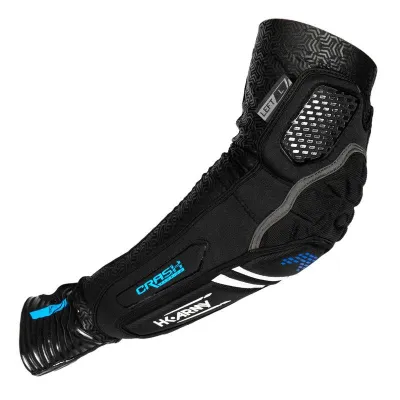
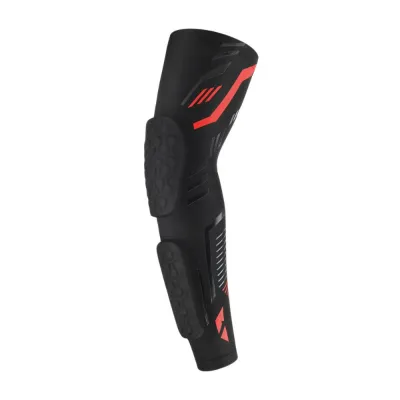
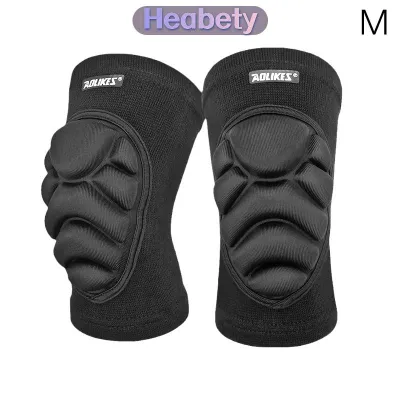
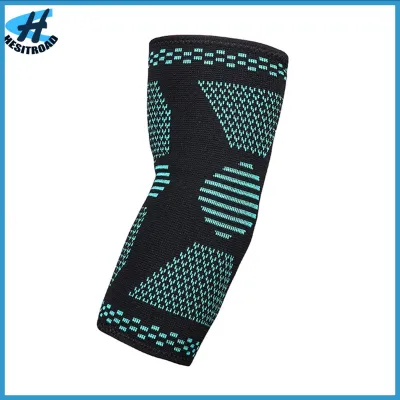
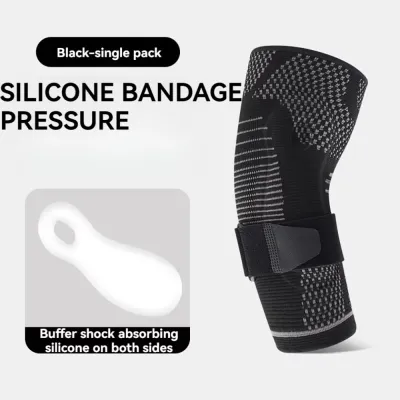
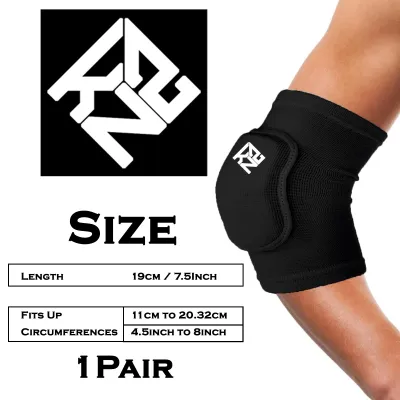
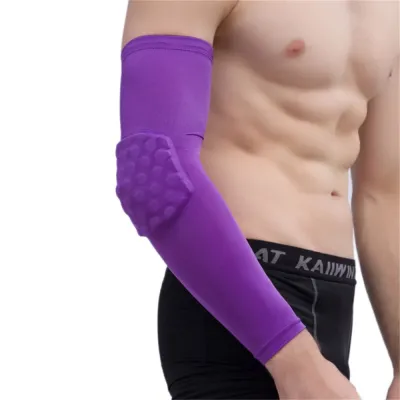
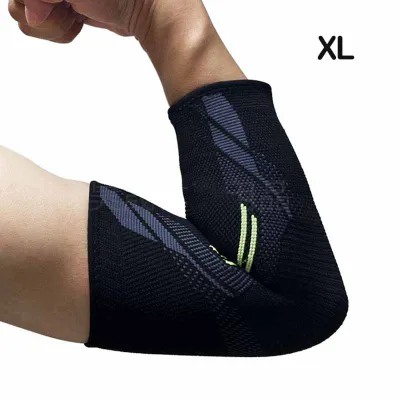
Prices are valid at publication and may change. Please refer to the product page for the latest price.
It is also important to distinguish between Muay Thai elbow pads and MMA-specific elbow pads. Muay Thai pads are often designed purely for striking, featuring thick, bulky padding that can easily shift or snag during grappling exchanges. MMA elbow pads, on the other hand, are engineered with a streamlined profile that hugs the arm closely, allowing you to transition from a striking exchange to a ground scramble without the gear getting in the way.
The coverage zone is another critical factor to assess. Ensure the pad covers the olecranon, which is the bony tip of your elbow, as well as the surrounding tendons and the lower tricep area. If you are a beginner practicing light drills, entry-level comfort and basic foam padding may suffice. However, as your sparring intensity increases, upgrading to advanced impact-dispersing materials becomes essential to prevent painful bone-on-bone contact. Assessing your weekly training schedule will help you decide whether a single versatile pair or multiple specialized pads are necessary.
Furthermore, consider the rules and culture of your local gym. Many combat sports gyms in the Philippines require elbow pads for all live sparring sessions to prevent accidental cuts. Elbow strikes are notorious for opening up deep cuts on the face, which can halt a training session instantly. Choosing a pad with sufficient outer padding ensures you can practice your striking techniques realistically without risking the safety of your training partners.
Evaluating Padding Materials and Construction
When shopping for MMA elbow pads, inspecting the padding material is your first line of defense against poor performance. Common options include standard ethylene-vinyl acetate (EVA) foam, multi-layered foam, and gel inserts. Standard EVA foam is lightweight and budget-friendly, making it suitable for light drilling and beginners. Multi-layered foam offers progressive resistance, where the outer layers absorb initial impact and the inner layers cushion the joint. Gel inserts provide excellent contouring and localized shock dispersion, though they can sometimes add weight to the sleeve.

The outer fabric of the elbow pad must withstand both abrasion and the intense humidity of local training environments. In the Philippines, gym temperatures can rise quickly, leading to heavy sweating. Look for moisture-wicking synthetic blends, such as polyester-spandex or nylon, which help pull sweat away from your skin. Breathable mesh panels on the inner crease of the elbow are highly beneficial, as they allow heat to escape and reduce the risk of skin irritation. Fabrics that retain moisture become heavy, sag, and can harbor bacteria if not dried properly after training.
Neoprene is another common sleeve material that offers excellent compression and joint warmth. While neoprene provides great structural support, it tends to trap heat, which can feel uncomfortable during long training sessions in non-air-conditioned gyms. If you choose neoprene, ensure it features ventilation holes or a cutout at the inner elbow crease to allow for airflow and flexibility.
Examine the structural construction of the pads before making a purchase. Check for reinforced stitching along the edges of the padding pocket, as these areas experience the most stress during grappling. Flatlock stitching is highly preferred over standard overlock stitching, as it lies flat against your skin and minimizes chafing during repetitive movements. The closure system also determines long-term durability. Elastic slip-on sleeves offer a smooth, low-profile fit but can stretch out over time. Adjustable hook-and-loop straps provide a customizable tightness but can sometimes scratch your training partners or catch on clothing if the velcro is exposed.
Additionally, look for internal silicone grip strips along the upper and lower cuffs of the sleeve. These small rubberized bands grip your skin or rash guard, preventing the pad from sliding down your arm when you start to sweat. Without these grippers, even a perfectly sized pad can become loose and slide down to your wrist during a high-intensity grapple.
Sizing, Fit, and Movement Verification
A protective pad is only effective if it stays in place during a chaotic scramble. To find the correct size, do not rely on generic small, medium, or large labels, as sizing standards vary wildly between brands. Instead, use a flexible measuring tape to measure the circumference of your bicep and your forearm at the points specified by the manufacturer’s sizing chart. Take these measurements while your muscles are slightly flexed, as your arms will expand during training due to increased blood flow.
Once you receive your elbow pads, perform a series of movement tests to verify their stability. Start by shadowboxing, throwing jabs, crosses, and hooks to see if the pads slide down your arm during rapid extension. Next, simulate mat transitions, wall wrestling, or ground-and-pound drills to check if the pads bunch up in the inner elbow crease or restrict your ability to fully flex your arm. If the pad shifts significantly during these basic movements, it will likely fail during live sparring.
You should also perform a simulated “wet test” to see how the pads behave when exposed to moisture. Apply a small amount of water to your arms to mimic sweat, then put the pads on and repeat your movement tests. This step is particularly important in the Philippines, where high humidity ensures you will be sweating heavily within the first ten minutes of training. If the pads slip instantly when wet, the elastic or silicone grippers are insufficient for your needs.
Pay close attention to how the strap mechanisms or elastic bands feel against your skin. The edges of the sleeve should not dig into your flesh or restrict blood flow, which can cause premature muscle fatigue or numbness in your fingers. If you feel any pinching, chafing, or severe restriction during basic movements, the pads are likely too small or poorly shaped for your arm anatomy. A proper fit should feel snug and secure, providing compression without causing discomfort or leaving deep red marks on your skin.
Building Your Shortlist and Purchasing Locally
Navigating local retail options requires a strategic approach to ensure you receive authentic, high-quality gear. When browsing online marketplaces in the Philippines, filter search results to prioritize verified official brand stores or highly rated local martial arts distributors. Carefully read customer reviews to check for complaints about counterfeit products, which often use cheap, non-impact-resistant foam that bottoms out immediately. Look for listings that display clear product photos, detailed sizing guides, and active customer support.
Compare the total costs in ₱, factoring in shipping fees and potential import duties if the item is coming from an overseas warehouse. While international sellers might offer a wider variety of designs, local stockists often provide faster delivery times and a much simpler return process if you need to exchange sizes. Generally, entry-level elbow pads in the local market range from ₱500 to ₱1,200, while premium, professional-grade options can cost ₱2,000 or more. Setting a budget beforehand helps you narrow down your choices without compromising on essential safety features.
Additionally, buying from local shops supports the domestic martial arts community and often gives you access to staff who understand the specific demands of training in tropical conditions. Many local combat sports gyms also stock gear, allowing you to seek recommendations from coaches and teammates who have tested various brands under the same training conditions.
If you find yourself between sizes on a manufacturer’s chart, or if you have unique arm proportions, planning a visit to a physical sports store is highly recommended. Trying on different profiles in person allows you to feel the compression level and padding density firsthand. This hands-on evaluation eliminates the guesswork of online shopping and ensures your investment provides the exact balance of protection and mobility you need.
Once you purchase your elbow pads, proper maintenance is key to extending their lifespan, especially in a humid climate. Avoid leaving damp pads inside your gym bag, as this creates a breeding ground for mold and unpleasant odors. Instead, hand wash them regularly using mild soap and cold water, then hang them to air dry in a well-ventilated area away from direct sunlight. Direct sunlight can degrade the foam and elastic materials, causing them to break down prematurely.
Frequently Asked Questions (FAQ)
Can I use the same elbow pads for both gi and no-gi grappling?
Using the same elbow pads for both styles depends heavily on the outer material of the pad. Rough or highly textured outer fabrics can create excessive friction against a cotton gi, leading to fabric wear or restricted movement during transitions. Conversely, smooth, low-friction sleeves designed to slide easily under a gi may slip off your arms during sweaty no-gi sessions if they lack silicone grip strips. You should check the manufacturer’s specifications to see if the pad is rated for multi-discipline use before using a single pair for both training styles.
How do I know when it is time to replace my MMA elbow pads?
You can determine when to replace your elbow pads through simple visual and tactile inspections. Inspect the padding by pressing firmly on the center; if the foam feels permanently compressed, brittle, or allows you to easily feel your elbow bone through the material, the shock-absorbing properties are gone. Additionally, look for stretched-out elastic sleeves that slip down during light movement, frayed stitching around the padding pocket, or cracked gel inserts. Training with compromised padding increases the risk of joint strain and impact injuries for both you and your sparring partners.
Are compression sleeves with elbow pads better than traditional slip-on pads?
Compression sleeves with integrated elbow pads and traditional slip-on pads serve different training preferences. Compression sleeves offer a highly secure, low-profile fit that mimics a second skin, providing mild muscle support and staying in place during intense grappling scrambles. Traditional slip-on pads, while slightly bulkier, typically feature thicker padding and are much easier to pull on or take off between training rounds. If you prioritize continuous grappling stability, compression sleeves are often ideal, whereas traditional slip-on pads are better suited for quick transitions between striking and grappling drills.
Community discussion
Share your experience or ask a question. Comments are reviewed before publication.