
The best mountain bike (MTB) tire tread pattern for wet and muddy trails features tall, widely spaced knobs with deep siping and aggressive shoulder blocks. This design allows the tire to penetrate soft soil, shed sticky mud quickly, and grip slippery roots or rocks. During the rainy season in the Philippines, standard dry-weather tires with low-profile, tightly packed knobs easily clog with mud, turning them into slick surfaces that slide out on technical terrain. Choosing a dedicated wet-weather tread pattern is essential for maintaining control, braking power, and stability when the trails turn into slick clay and waterlogged loam.
Riding in wet conditions requires a complete shift in how you view tire traction. On dry trails, a tire relies on a large surface area of rubber contacting the ground. On wet, muddy trails, that surface area is often separated from the hard ground by a layer of slick mud or water. Without the right tread design, your tires will spin uselessly, making climbs difficult and descents highly unpredictable. Understanding how different tread patterns interact with wet soil is the first step toward staying upright and riding with confidence throughout the wet season.
Why Wet and Muddy Trails Demand Specific Tread Patterns
When rain saturates a trail, the soil transforms from a supportive riding surface into a fluid, slippery barrier. Standard dry-weather tires typically feature short, closely spaced knobs designed to roll fast on hardpack. When these tires encounter wet mud, the small gaps between the knobs quickly fill with soil. Because the gaps are small, the mud becomes packed tightly, turning the tire into a smooth, heavy cylinder of clay. Once a tire is clogged, it loses all ability to bite into the ground, leading to unpredictable sliding and a complete loss of control.
Products mentioned in this guide
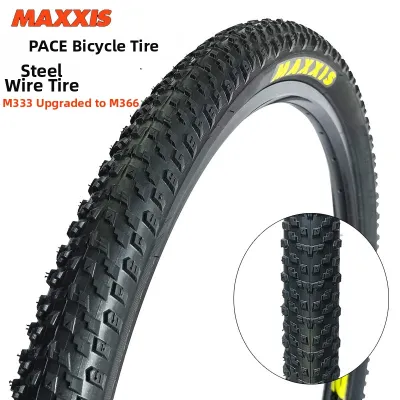
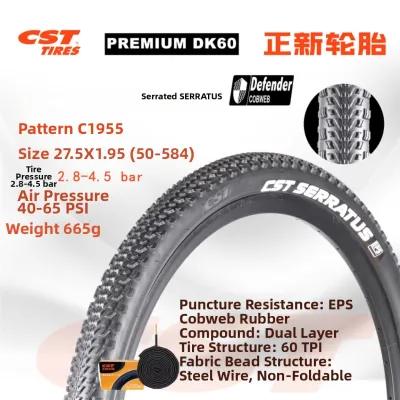
153 Lazada user ratings
thanks. seller. legit me. freebies. PA. thanks. sa. lazada at. rider. maayos. dumating. ang. parcel. order. po. ulit. ako. sa. store. nyo. s…Read full reviewShow less
thanks. seller. legit me. freebies. PA. thanks. sa. lazada at. rider. maayos. dumating. ang. parcel. order. po. ulit. ako. sa. store. nyo. sobrang. sulit., at. legit.
Size:very nice! it fits may 27.5 rims. Performance:Smooth ride, High performance, Excellent grip, Durability:Great endurance, Excellent life…Read full reviewShow less
Size:very nice! it fits may 27.5 rims. Performance:Smooth ride, High performance, Excellent grip, Durability:Great endurance, Excellent lifespan, Lasts long,
Size:perfect Performance:very good Durability:very good good
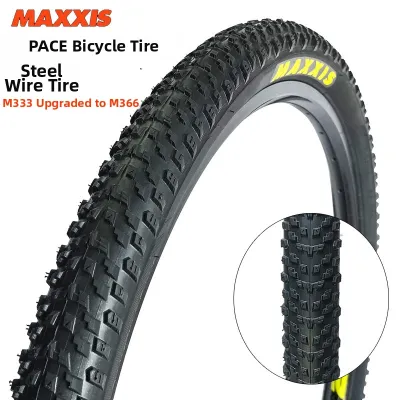
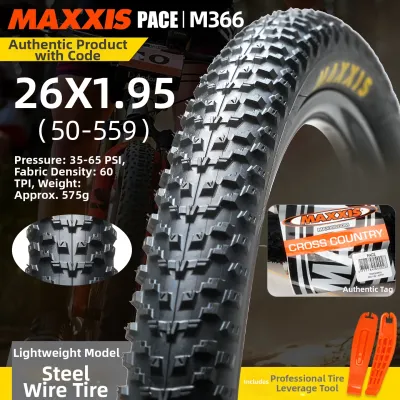
26 Lazada user ratings
Parcel received, i've no doubt about the quality and the appearance of a maxxis tire, it is my signature tire after all, so two 👍🏻👍🏻 up from yo…Read full reviewShow less
Parcel received, i've no doubt about the quality and the appearance of a maxxis tire, it is my signature tire after all, so two 👍🏻👍🏻 up from you seller. As you can see on my picture I already install it. Thank you and God bless
The item looks great, but I’m not sure how well it works in real life.
maganda, mabilis, magaan pedalan.
The brand is really good!
good quality
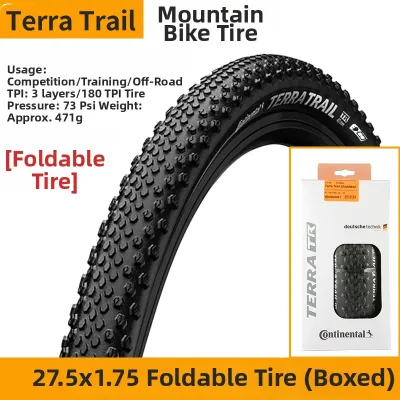
73 Lazada user ratings
Easy to install, Ideal for mountain biking, Fast shipping service, Size:suitable for mya gravel frame Performance:long lasting durable perfo…Read full reviewShow less
Easy to install, Ideal for mountain biking, Fast shipping service, Size:suitable for mya gravel frame Performance:long lasting durable performance Durability:reliable stabilityGreat endurance, High quality, it also comes with a freebie, thank you seller
arrive quickly adequate packing good looking tire installed tested smooth ride low rolling resistance fast enjoyable and comfortable good mu…Read full reviewShow less
arrive quickly adequate packing good looking tire installed tested smooth ride low rolling resistance fast enjoyable and comfortable good multi-purpose tire for pavement and trail
All goods nice product great quality fast delivery goods na goods thank you thank you very very much
mas malaki ung 2.0 ng maxxis kaysa sa continental. pero parehas clang magaan.
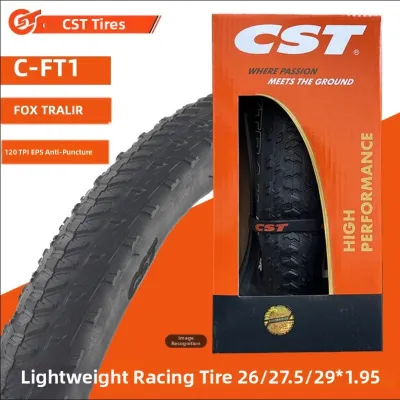
14 Lazada user ratings
I replaced my original 225 tires with these! Compared to those, these 195 tires are noticeably narrower! The outer diameter seems to be abou…Read full reviewShow less
I replaced my original 225 tires with these! Compared to those, these 195 tires are noticeably narrower! The outer diameter seems to be about a finger’s width smaller! I feel like the bike shifts gears a bit easier now too! Overall, they fit the frame pretty well! I’ve been riding on them for a few days and they feel really light and responsive! They seem like a solid choice! Durability will just have to be seen over time!
Thanks seller. Great item, wonderful experience. Amazing deal from an amazing seller. Thanks Lazada! More power and more deals
Performance:10/10 Durability:havent tried yet looks 10/10 overall experience buy this ill recommended it Size:true to size
23 Lazada user ratings
legit shop guys salamat po Size:29er 2.0 Performance:Fast speed, High performance, Durability:Great endurance, High quality, Lasts long,
gooods ganda ganda ganda sakto yung size i highly recommend this shoop thankyou soo much neext time again
Size:10/10 Performance:10/10 Durability:10/10
44 Lazada user ratings
I switched it out the same day it arrived, the grip is super strong, and it looks great too!
I'm really enjoying this so far, and I'll keep updating my thoughts as I go along.
Excellent for mountain biking, Fast shipping service, Easy installation process,
thanks seller's
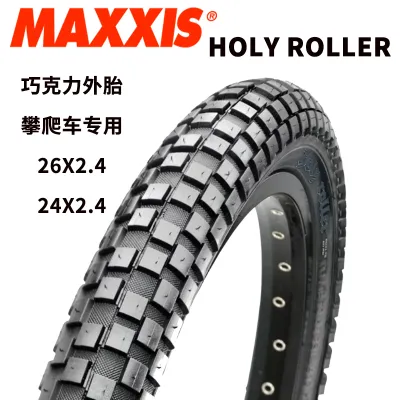
28 Lazada user ratings
Size:ok since 26er Performance:not tested yet, but i believe this is a good tyres Durability:solidGreat endurance, Excellent lifespan, High …Read full reviewShow less
Size:ok since 26er Performance:not tested yet, but i believe this is a good tyres Durability:solidGreat endurance, Excellent lifespan, High quality,
Size:perfect size Performance:good Durability:hope it will last .
it's all good to the wood, ⭐⭐⭐⭐⭐
legit guys.. 100 %
Rolling holyness
Prices are valid at publication and may change. Please refer to the product page for the latest price.
Wet roots and rocks present an entirely different traction challenge than dry, loose dirt. When wood and stone become wet, they develop a micro-thin film of water that acts as a lubricant. A tire with stiff, closely packed knobs cannot conform to these irregular, slippery surfaces. Instead of gripping, the tire slides off the sides of roots and rocks, often causing sudden, low-side crashes. To overcome this, a wet-weather tire must have the flexibility and tread shape to grab onto these slick obstacles rather than sliding over them.
In many tropical riding destinations, such as the mountainous trails of the Philippines, the soil contains high clay content. When wet, this clay becomes incredibly sticky, adhering to the tire carcass and filling the voids between the knobs. A standard tire with small, dense knobs quickly turns into a heavy, smooth wheel of mud. This not only eliminates traction but also adds significant rotating weight to your bike, making pedaling exhausting and steering sluggish. Understanding this interaction helps riders see why a dedicated mud tire is not a luxury, but a necessity for seasonal trail riding.
Essential Tread Features for Maximum Traction in the Mud
To select the right tire for wet conditions, you must understand the specific design elements that make a tread pattern effective in the mud. The most critical feature is knob height and profile. Wet-weather tires feature much taller knobs than dry-weather alternatives. These tall, aggressive blocks act like spikes, penetrating through the loose, watery top layer of mud to find firmer soil underneath. The profile of these knobs is often square or spiked, providing sharp edges that cut through the muck rather than sliding over it.

Equally important is knob spacing, which directly dictates how well a tire sheds mud. Wide gaps between the knobs are essential for self-cleaning. When the tire rotates at speed, centrifugal force flings the mud out of these wide channels. If the knobs are placed too close together, the mud becomes trapped, bridging the gaps and neutralizing the tread. By choosing a pattern with generous spacing, you ensure that the tire remains clear and functional, even when riding through thick, clay-heavy sections of trail.
Siping and knob shaping also play a vital role in wet-weather traction. Sipes are tiny slits cut into the surface of the tread blocks. When the tire rolls over an obstacle, these sipes open up, creating extra biting edges that can grab onto wet roots and rocks. Additionally, many wet-weather tires feature siped center knobs with angled leading edges. This design reduces rolling resistance on flatter sections while still providing a sharp, square braking edge on the back of the knob to help you slow down effectively on steep, slippery descents.
Finally, transition and edge knobs are crucial for maintaining cornering grip on off-camber, slippery trails. When you lean your bike into a turn, you transition from the center tread to the side knobs. In wet conditions, these shoulder knobs must be exceptionally sturdy and aggressive. They are often reinforced with supportive bases to prevent them from folding under cornering forces. Without strong, well-spaced edge knobs, the tire will wash out suddenly as soon as you attempt to change direction on a wet surface.
Matching Tread Patterns to Specific Wet Trail Conditions
Not all wet trails are the same, and matching your tread pattern to the specific type of wet terrain you ride will yield the best performance. For deep, soft mud, you should prioritize maximum spacing and tall, narrow knobs. These specialized mud tires are designed to cut straight through deep puddles and thick clay to reach the solid ground below. The narrow profile of the knobs helps them slice through the mud with minimal resistance, while the extreme spacing ensures that even the stickiest clay is flung clear of the tire.
If your local trails consist of wet hardpack and exposed roots, a different approach is required. Tall, narrow mud spikes can feel squirmy and unstable on hard surfaces because the knobs bend under your weight. For these conditions, look for a tire that balances knob height with a wider footprint and extensive siping. This design provides more rubber-to-surface contact, which is necessary for gripping hard rock and wood, while the sipes and softer rubber compounds conform to the wet obstacles to prevent slipping.
For mixed wet conditions—where you might encounter dry hardpack, wet rocks, and occasional muddy patches—a versatile mid-trail pattern is the ideal choice. These tires feature moderately tall knobs that are spaced widely enough to shed light mud but are grouped closely enough along the center line to maintain decent rolling speed. This middle-ground design prevents you from feeling bogged down on drier sections of the trail while still offering a safety net of traction when you hit unexpected wet and slippery zones.
Front and Rear Tire Combinations for Wet Weather Control
Optimizing your bike’s handling in wet weather often involves running different tread patterns on the front and rear wheels. Your front tire is responsible for steering precision, braking traction, and cornering confidence. If your front tire loses grip, you will likely crash. Therefore, the priority for the front tire is maximum traction. You should choose a front tire with highly aggressive, tall edge knobs and a pronounced center pattern that digs deep into the soil, ensuring that your steering inputs are translated directly to the trail.
The rear tire has different priorities, balancing mud clearance and pedaling traction with rolling resistance. While you still need grip to climb slippery slopes, a sliding rear tire is much easier to manage than a sliding front tire; many riders actually enjoy a bit of rear-wheel drift. To keep your bike rolling efficiently, you can choose a rear tire that is slightly faster-rolling than the front. This can be achieved by selecting a tire with slightly lower center knobs or a more continuous center tread pattern, while still retaining wide spacing to ensure mud clearance. This combination gives you the best of both worlds: maximum steering control up front and efficient pedaling in the back.
During the height of the rainy season, running a matching set of aggressive mud tires on both the front and rear is often the most predictable setup. This configuration provides predictable, symmetrical grip in the worst conditions. However, as the seasons transition or if you ride on mixed terrain, a mixed setup—such as an aggressive mud tire on the front and a faster-rolling, mid-trail tire on the rear—offers an excellent balance of control and speed, allowing you to ride efficiently without sacrificing steering control.
Fine-Tuning Your Setup for Rainy Season Rides
Choosing the right tread pattern is only part of the equation; fine-tuning your tire setup will maximize your wet-weather performance. One of the most effective adjustments you can make is lowering your tire pressure. Running lower pressure increases the tire’s contact patch, allowing more rubber to touch the ground and enabling the knobs to conform more easily around wet roots and rocks. However, you must balance this with the risk of rim damage or tire squirm, making a tubeless setup highly advantageous for running lower pressures with reduced risk of flats.
You must also check your rim width compatibility to ensure your chosen tire profile sits correctly. If you mount a wide, aggressive wet-weather tire on a rim that is too narrow, the tire profile will become rounded, pulling the shoulder knobs too far down the side where they cannot engage the ground effectively. Conversely, a rim that is too wide can flatten the tire profile, exposing the sidewalls to sharp rocks and making the transition to cornering knobs harsh. Always verify that your tire width matches the manufacturer’s recommended rim width range.
Finally, pay close attention to the tire’s casing and rubber compound. Softer rubber compounds provide significantly better grip on wet, slippery surfaces like roots and wet rocks because the rubber can deform and grab onto microscopic imperfections. However, softer compounds wear down much faster, especially if ridden on hardpack or pavement. When preparing for the rainy season, inspect your tires regularly for worn-down knobs or torn casing threads, and consider upgrading to a softer compound for your front tire to maximize your control when conditions are at their worst.
Community discussion
Share your experience or ask a question. Comments are reviewed before publication.