
Choosing the right power knee pads requires balancing the specific mechanical demands of your sport with your personal training intensity. The ideal pair should stabilize your joints, absorb impact, or manage swelling without restricting your natural range of motion. By matching the design, material thickness, and fit to your specific activity, you can protect your knees and maintain peak performance on the court, track, or gym floor.
Identify Your Sport-Specific Support Needs
To choose the right power knee pads, you must first analyze the physical forces your knees encounter during your favorite activities. Different sports place vastly different mechanical stresses on the joint, meaning a sleeve designed for one movement pattern could be useless—or even restrictive—in another. Identifying whether your knees require impact protection, heavy joint stabilization, or simple thermal compression is the first step toward making an informed purchase.
Impact protection and joint compression serve entirely different purposes. High-impact sports involve sudden contact with hard surfaces, requiring thick, shock-absorbing padding to shield the patella from bruising or structural trauma. Conversely, heavy lifting sports do not involve floor contact but subject the joint to massive axial loads, requiring high-tension compression to stabilize the ligaments and patella.
Products mentioned in this guide
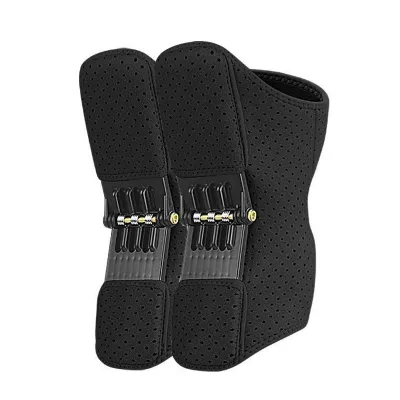
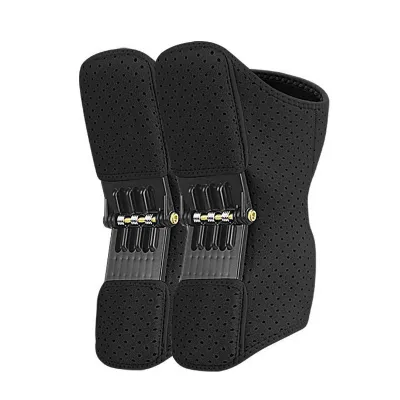
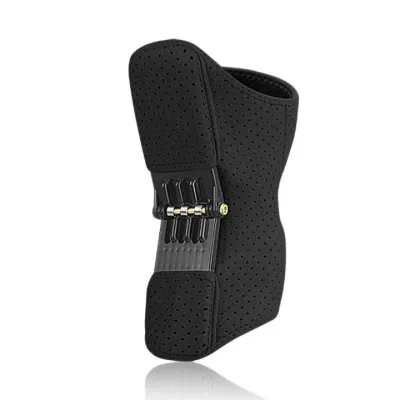
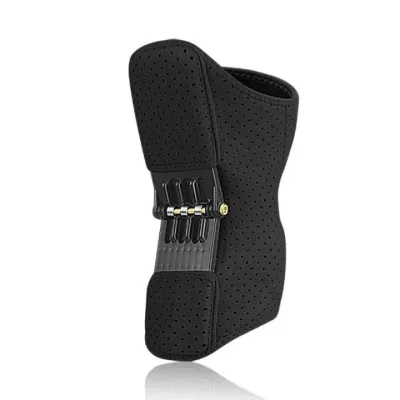
![[Original 8 hours delivery] 2PCS Knee Joint Boosters Power Support Knee Pads Running Knee Braces Joint Climbing Squatting Protector Knee Assistive Device](https://img.lazcdn.com/g/p/689894ea581e7703a1791345edb1a223.jpg_400x400q80.jpg_.webp)
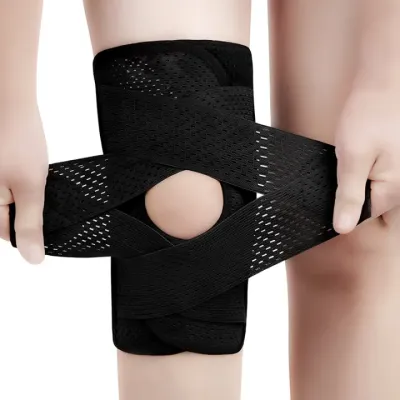
Prices are valid at publication and may change. Please refer to the product page for the latest price.
Your sport’s range of motion also dictates the physical design of the gear. Activities requiring deep, repetitive knee flexion demand highly flexible materials that do not bunch up or pinch the sensitive skin behind the knee. If your gear is too stiff, it will alter your natural biomechanics, potentially causing strain in your hips or ankles as your body tries to compensate for the restricted joint.
Environmental factors play a massive role in how your knee pads perform. In hot and humid tropical climates, playing on unventilated indoor wooden courts or outdoor concrete surfaces accelerates sweat production. This moisture can cause heavy, non-breathable materials to slip down constantly, chafing your skin and distracting you from the game.
Match Power Knee Pad Features to Your Sport
Once you understand your joint’s primary physical demands, you can match those needs to specific product features. Basketball, volleyball, weightlifting, and running each require a distinct combination of padding, thickness, and material composition to optimize performance and safety.

For basketball and volleyball, padded compression sleeves are the standard choice. These designs feature integrated, segmented padding—often made of ethylene-vinyl acetate (EVA) foam or shock-absorbing gel—positioned directly over the kneecap. The sleeve itself should be made of a lightweight, moisture-wicking synthetic knit that allows heat to escape during intense play on indoor courts. The padding shields your joints during hard floor impacts, dives, and collisions, while the compression keeps the surrounding muscles warm and active.
Weightlifting demands a completely different approach, prioritizing maximum joint stabilization over impact protection. Heavy-duty neoprene sleeves, typically available in 5mm or 7mm thicknesses, are designed specifically for this purpose. A 7mm neoprene sleeve provides immense compression and physical support, creating a warm, highly stable environment for the knee joint during deep, loaded squats. This thickness also offers a slight physical rebound effect at the bottom of a lift, helping you maintain proper form under heavy loads. For more dynamic Olympic lifts like the clean and jerk, a 5mm sleeve offers a better balance of support and joint mobility.
Running requires a minimalist design that prioritizes lightweight comfort and repetitive stride mechanics. Bulky pads or thick neoprene sleeves will quickly cause severe chafing and alter your running gait over long distances. Instead, runners should look for thin, low-profile compression sleeves made of breathable, circular-knit fabrics. These sleeves provide mild compression to help manage minor swelling, improve joint proprioception (your brain’s awareness of joint position), and keep the tendons warm without adding unnecessary weight or bulk.
Scale Protection Based on Activity Intensity
Your training frequency and intensity level should dictate the durability, construction quality, and price point of the power knee pads you select. Matching the gear’s structural integrity to your actual physical output ensures you do not under-protect your joints or overspend on unnecessary features.
For casual or recreational use, such as weekend pickup games or light jogging a couple of times a week, standard compression sleeves are usually sufficient. These entry-level options provide basic joint warmth, mild support, and light padding to protect against minor scrapes. They are highly flexible and comfortable for short periods of activity, making them an affordable starting point for recreational athletes.
Competitive athletes and high-intensity fitness enthusiasts require gear built to withstand aggressive, repetitive movements and heavy sweat. If you train multiple times a week, look for power knee pads featuring reinforced double-stitching, high-grade neoprene, and advanced shock-absorbing materials. Secure fastening systems, such as dual-silicone wave strips along the inner cuffs or adjustable elastic straps, are essential to keep the pads firmly in place when you are moving at maximum speed.
If you are returning to sport after an injury, your needs shift from general protection to targeted rehabilitation. In this scenario, standard retail sleeves may not provide the specific structural support your healing ligaments require. You may need medical-grade compression sleeves, patella-tracking braces with built-in stabilizers, or hinged supports. Because improper support during recovery can lead to re-injury, always consult a physical therapist or orthopedic specialist to verify the exact specifications of the gear you need before returning to play.
Verify Fit, Sizing, and Product Specifications
Even the most advanced power knee pad will fail to protect your joint if it does not fit correctly. A sleeve that is too loose will slide down and bunch up, while one that is too tight can restrict blood flow and cause painful chafing.
To find your correct size, always use a flexible measuring tape and follow the manufacturer’s specific sizing chart. Do not rely on your standard clothing size, as knee pad sizing varies significantly between brands. Measure the circumference of your leg at the specified distance above and below the center of your kneecap—typically 10 to 15 centimeters. If your measurements fall between two sizes, consider your primary goal: choose the smaller size for a tighter, high-support competition fit, or the larger size for comfortable, long-duration training wear.
Carefully check the material composition labels on the packaging. For athletes playing in warm, humid climates, look for moisture-wicking synthetic blends like nylon, polyester, and spandex. If you prefer neoprene for heavy lifting, look for perforated or open-cell neoprene, which allows for better airflow and reduces sweat accumulation against the skin. If you have sensitive skin, verify that the inner linings are hypoallergenic and free from latex or harsh adhesives that could cause contact dermatitis.
Before committing to a pair, perform a thorough fit test at home or in the fitting room. Put the knee pads on and perform several sport-specific movements, such as deep bodyweight squats, lateral shuffles, and high knees. The sleeve should feel snug and supportive, like a firm hug around the joint, without pinching the skin behind your knee. Pay close attention to your lower leg and foot; any signs of numbness, tingling, coldness, or skin discoloration indicate that the compression is too restrictive and is cutting off your circulation.
Care, Maintenance, and Replacement Signals
Proper care and maintenance not only extend the lifespan of your power knee pads but also ensure they continue to provide the necessary level of joint protection. Over time, sweat, body oils, and dirt will break down the elastic fibers and padding materials, compromising their supportive properties.
Always follow the manufacturer’s care label instructions strictly to preserve the integrity of the materials. Hand wash your knee pads in cool water using a mild, pH-neutral detergent, and rinse them thoroughly to remove all soap residue. Avoid using bleach, fabric softeners, or harsh chemical cleaners, as these will rapidly degrade elastic fibers and neoprene. Never put your knee pads in a mechanical dryer; instead, squeeze out excess water gently without wringing, and lay them flat to air dry in a well-ventilated indoor space away from direct sunlight.
Establish a weekly inspection routine to check the physical condition of your gear. Look closely for stretched-out elastic bands, frayed stitching along the seams, and thinned or shifting padding. If you use neoprene sleeves, check for cracking, tearing, or a noticeable loss of stiffness when you bend the material.
Recognizing when to replace your power knee pads is crucial for preventing joint strain. If you find yourself constantly pulling the sleeves up during a workout, the elastic has lost its tension. When the compression feels noticeably loose or the protective padding has permanently flattened, the gear can no longer absorb impact or stabilize your joint effectively. Stop using damaged or worn-out pads immediately and invest in a new pair to maintain your safety on the court or in the gym.
Frequently Asked Questions (FAQ)
Can I use the same knee pads for both weightlifting and running?
Using the same pair of knee pads for both weightlifting and running is generally not recommended due to the conflicting physical demands of these activities. Weightlifting requires thick, rigid support (such as 7mm neoprene) to stabilize the joint under heavy, slow loads, which is far too bulky and restrictive for the repetitive, high-frequency stride of running. Running in lifting sleeves will cause severe chafing behind the knee and may alter your running gait, leading to hip or ankle strain. Conversely, thin, flexible running sleeves do not offer the structural tension needed to support your knees during heavy squats. For optimal safety and comfort, it is best to invest in separate, sport-specific pairs.
How tight should a compression knee sleeve feel?
A compression knee sleeve should feel snug, secure, and supportive, similar to a firm, even hug around your entire joint. It should stay in place during movement without sliding down, but it must never feel painfully tight or restrictive. Warning signs of an overly tight fit include pinching behind the knee, deep red welts on your skin after removal, or restricted blood flow. If you experience numbness, tingling, coldness, or a change in skin color in your lower leg or foot, the sleeve is dangerously tight; you should remove it immediately and size up to prevent circulation issues.
Do I need to wear knee pads on both legs if only one knee hurts?
While you can wear a single knee pad if you are managing a localized, minor issue on one side, wearing them as a pair is highly beneficial for high-impact sports and heavy lifting. When one knee is weak or painful, your body naturally tends to overcompensate by shifting more weight and impact onto the healthy leg, which can lead to overuse injuries on that side. Wearing knee pads on both legs helps maintain symmetrical movement patterns, provides equal proprioceptive feedback to your brain, and ensures both joints receive consistent support and warmth during intense physical activity.
Community discussion
Share your experience or ask a question. Comments are reviewed before publication.