
Finding the perfect pair of purple roller skates for a young girl in the Philippines is an exciting milestone that blends style, outdoor recreation, and physical fitness. Whether she plans to glide along the smooth pathways of local parks, practice in a spacious garage, or cruise around a quiet subdivision, a vibrant pair of purple skates can spark a lifelong love for active play. However, choosing the right pair involves much more than simply picking her favorite shade of violet or lavender.
To ensure a safe, comfortable, and enjoyable experience, parents must navigate several critical factors, including the mechanical differences between skate styles, precise sizing techniques, structural support features, and essential safety gear. This comprehensive guide provides the practical steps and verification checklists needed to make an informed purchase, helping you select a high-quality pair of skates that fits her perfectly and keeps her rolling safely.
Deciding Between Quad and Inline Skates for Beginners
When starting her skating journey, the first major decision is choosing between traditional quad skates and inline skates. Quad skates feature four wheels arranged in a two-by-two configuration, providing a wide, stable rectangular base. This design makes it much easier for young beginners to stand still and maintain their balance without their feet rolling inward or outward. The immediate stability of quads helps build confidence quickly, making them an excellent choice for younger children or those who may feel hesitant about balancing on wheels.
Products mentioned in this guide
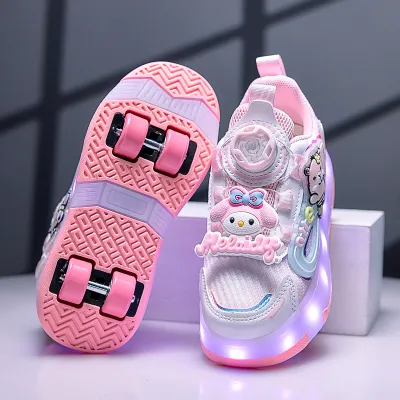
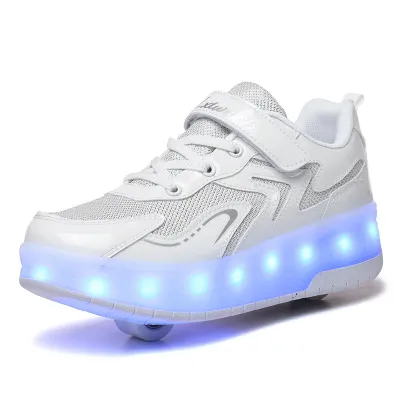
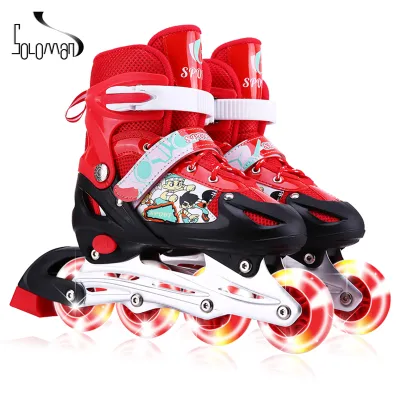
![[Free ShipPing + One Year Warranty]BaiBo Adjustable Inline Skates Skates 4 wheel roller skates(Purple red blue pink)](https://img.lazcdn.com/g/p/e95f00542ca706800862c9c91e1d0ba8.jpg_400x400q80.jpg_.webp)
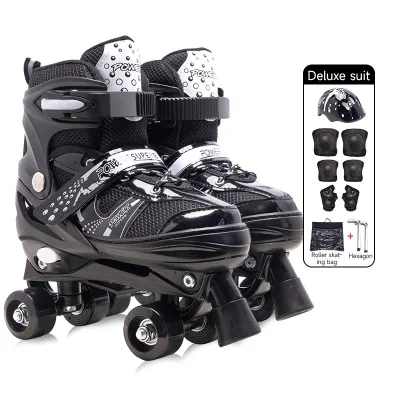
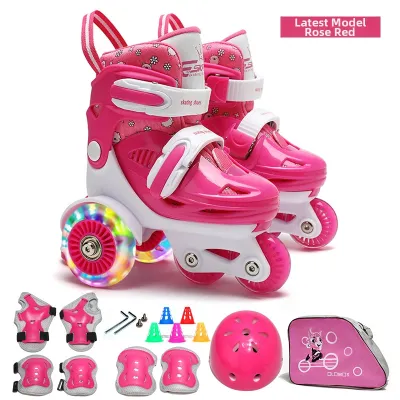
Prices are valid at publication and may change. Please refer to the product page for the latest price.
Inline skates, often referred to as rollerblades, feature wheels arranged in a single straight line. This configuration requires greater lateral ankle strength and a slightly longer learning curve, as the child must actively balance to keep the skates upright. However, inline skates offer superior forward glide, greater maneuverability, and a narrower profile that makes steering and turning more intuitive once the basic balance is mastered. If the child eventually wants to transition to ice skating or inline hockey, starting with inline skates provides a highly transferable skill set.
The skating environment in the Philippines should also influence your choice. Quad wheels are typically wider and flat, which performs beautifully on smooth indoor surfaces, polished concrete carports, or dedicated skating rinks. However, on rougher outdoor surfaces like asphalt roads, brick pathways, or uneven subdivision pavements, the wide wheels of quad skates can easily catch on small pebbles, cracks, or debris, potentially causing sudden stops. Inline skates, with their narrower and larger-diameter wheels, roll over minor surface imperfections and outdoor debris much more easily, making them highly versatile for neighborhood play.
Measuring for the Right Size and Secure Fit
Selecting the correct skate size is paramount to preventing painful blisters, ensuring proper control, and protecting developing feet. Unlike regular sneakers, which often have flexible canvas or mesh uppers, roller skate boots are rigid structures designed to support the foot under lateral pressure. A skate that is too large will allow the foot to slide around inside, leading to friction blisters and a lack of control, while a skate that is too small will cause painful toe cramping and restricted circulation.

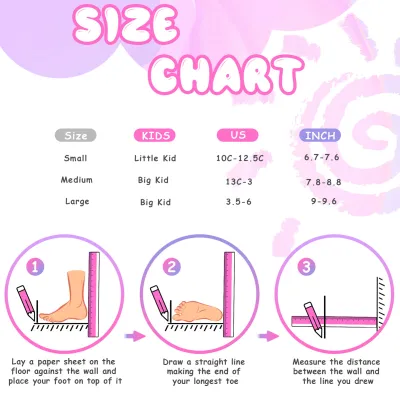
To measure your child’s feet accurately at home, place a blank sheet of paper on a flat floor with one edge flush against a straight wall. Have your child stand bare-foot or in thin socks on the paper, placing her heel firmly against the wall. Keep her weight distributed evenly on both feet, and use a pencil held completely vertical to mark the tip of her longest toe on the paper. Measure the distance from the edge of the paper to the pencil mark in millimeters or centimeters, and repeat the process for the other foot, as it is common for one foot to be slightly larger. Use the larger of the two measurements to consult the manufacturer’s specific size chart, rather than relying on her standard shoe size.
When trying on the skates, always have her wear the exact socks she plans to use while skating. Thick athletic socks or specialized moisture-wicking socks are highly recommended to provide cushioning and absorb sweat in the warm, humid Philippine climate, but they do take up extra space inside the boot. Once the skates are fully laced and buckled, ask her to stand up and describe how they feel. Check for warning signs of a poor fit: if her heel lifts up significantly when she walks or bends her knees, the skates are too loose; if her toes are curled or pressing hard against the front of the boot, they are too tight. Her toes should gently touch the front of the boot without being bent or squeezed.
Evaluating Boot Support and Adjustable Features
The structural integrity of the skate boot directly impacts both safety and comfort. Because skating places unique lateral forces on the ankles, the boot must offer robust ankle support to prevent the feet from rolling inward or outward. Look for skates with a stiff outer shell made of high-impact plastic or heavily reinforced synthetic materials. The interior should feature thick, plush ankle padding that contours to the shape of her foot, cushioning against hard plastic edges and absorbing vibrations from the ground.
A secure closure system is essential to keep the foot locked into the correct position. The most reliable setups utilize a triple-closure system: traditional laces on the lower boot to customize the fit across the instep, a mid-foot Velcro power strap to pull the heel firmly back into the heel pocket, and a heavy-duty adjustable buckle at the top of the cuff to stabilize the ankle. Avoid skates that rely solely on weak plastic clips or thin laces, as these can loosen quickly during play, compromising ankle stability and increasing the risk of injury.
The stopping mechanism is another critical safety feature that requires close inspection. On quad skates, the toe stop is located at the front of the plate; ensure it is made of a grippy, high-quality polyurethane compound rather than hard, slippery plastic, which can slide dangerously on smooth surfaces. Inline skates typically feature a single rear brake pad on the right heel. Verify that the brake assembly is securely bolted to the frame and that replacement brake pads are readily available from the manufacturer, as these components wear down naturally with regular use.
Given how quickly children’s feet grow, investing in adjustable-size roller skates is a highly practical and cost-effective choice. These innovative skates feature an expandable boot frame that can be adjusted across three to four full sizes with the press of a button or the turn of a lever. When evaluating adjustable skates, inspect the adjustment mechanism to ensure it locks solidly into place without any play, rattling, or flexing. The internal liner should also expand smoothly without creating uncomfortable ridges or gaps under the foot, allowing the skates to accommodate her growing feet safely over multiple seasons.
Selecting Essential Protective Gear
No roller skate purchase is complete without a full set of high-quality protective gear. Before she takes her first stride, she must be equipped with a properly fitted helmet, knee pads, elbow pads, and wrist guards. Falls are an inevitable part of the learning process, and high-quality protective gear transforms potential injuries into minor, painless tumbles, keeping her motivated and confident.
When selecting a helmet, ensure it is specifically rated for multi-impact sports like skateboarding or roller skating, rather than a standard bicycle helmet which is designed only for single, high-velocity impacts. The helmet must sit level on her head, covering her forehead, and the straps should adjust to form a snug “Y” shape around her ears with a secure chin buckle. Knee and elbow pads should feature hard plastic outer caps to slide along concrete, backed by thick foam padding to absorb impacts. Wrist guards are particularly vital for beginners, as they feature rigid splints along the palm to prevent hyperextension when reaching out to break a fall.
Encouraging a young girl to wear her safety gear consistently can sometimes be a challenge, but a few practical strategies can make it a seamless part of her routine. Let her participate in choosing the gear, opting for matching purple pads or a helmet that complements her skates. You can also allow her to personalize her helmet with her favorite waterproof stickers, turning safety equipment into a fun form of self-expression. Establish a strict “no gear, no skating” rule from the very beginning, and lead by example by wearing your own protective equipment if you skate alongside her.
Final Pre-Purchase Checklist for Online and In-Store Shopping
Before finalizing your purchase of purple roller skates, take the time to run through a comprehensive checklist to ensure you are getting a safe, durable, and high-quality product. If shopping online, examine high-resolution product photos carefully to verify the exact shade of purple, the quality of the stitching, and the overall design. Read customer reviews specifically looking for feedback on sizing accuracy, material durability, and how well the colors hold up under regular use.
Compare prices across authorized local sporting goods stores, official brand websites, and reputable online marketplaces in the Philippines. While budget-friendly options are appealing, be cautious of skates priced significantly lower than the market average, as they often use cheap plastic frames, brittle wheels, and low-grade bearings that wear out quickly or break under stress. Expect to invest a reasonable amount in ₱ for a reliable, structurally sound pair of skates that prioritizes safety and longevity.
Review the seller’s return and exchange policies thoroughly before checking out. Because proper fit is so critical, you need a clear, hassle-free exchange window in case the skates do not fit perfectly upon arrival. Check if the manufacturer offers a warranty on major structural components like the frame, buckles, or adjustment mechanisms, which provides peace of mind and protection against manufacturing defects.
Finally, inspect the technical specifications of the wheels and bearings if they are listed by the manufacturer. For outdoor skating on local pavements, look for wheels with a softer durometer rating (typically between 78A and 82A) to provide better grip and shock absorption on rough surfaces. Bearings are often rated on the ABEC scale; while higher numbers (like ABEC-5 or ABEC-7) indicate higher precision and smoother rolling, ensure they are sealed or shielded to protect them from dust, moisture, and humidity, which are common in tropical environments.
Frequently Asked Questions (FAQ)
Can I change the wheels on purple roller skates to use them outdoors?
Yes, most standard roller skates allow you to replace the wheels to suit different skating environments. Outdoor wheels are specifically designed with a softer polyurethane compound (usually rated between 78A and 82A) and a wider profile to absorb shocks from uneven asphalt, cracks, and small pebbles common on Philippine streets. Before purchasing replacement wheels, verify that their diameter and width are compatible with your skate’s frame clearance, and ensure the new wheels match the axle size of your current bearings.
How often should I check the tightness of the wheels and trucks?
It is highly recommended to perform a quick visual and physical inspection before every skating session. Give each wheel a spin to ensure it rotates smoothly without grinding noises, and check that the axle nuts are snug but not so tight that they pinch the bearings and stop the wheel from spinning. Inspect the trucks on quad skates to ensure they are secure and do not wobble excessively. If you notice any loose parts, unusual rattling, or if the steering feels unstable, tighten the components gently with a skate tool; if the assembly requires complex tuning or shows signs of structural damage, stop using the skates and consult the manufacturer or a professional technician.
Community discussion
Share your experience or ask a question. Comments are reviewed before publication.