
Choosing the right quickdraws and carabiners for sport climbing requires balancing weight, durability, and ease of use against the specific demands of your climbing environment. In the Philippines, where limestone crags are often exposed to high humidity, intense tropical sun, and sometimes coastal salt air, these gear choices also involve managing environmental wear.
Before purchasing or using any climbing equipment, remember that sport climbing is an inherently high-risk activity. No piece of equipment can replace professional instruction, sound judgment, and regular safety checks. Always assess your personal ability limits, inspect your gear before every session, and stop climbing immediately if you detect any equipment damage or unsafe conditions.
Understand Quickdraw Components and Specifications
A quickdraw consists of three primary components: a straight-gate carabiner for the bolt hanger, a bent-gate or wiregate carabiner for the rope, and a textile sling, known as the dogbone, connecting them. Each of these parts has specific variations that directly influence how the gear performs on the rock.
Products mentioned in this guide
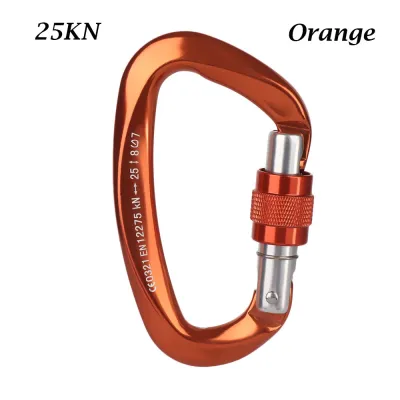
![[Fast delivery]25KN Professional Climbing Carabiner Screw Locking Gate Carabiner Heavy Duty D-shape Climbing Buckle D-ring Carabiner Lightweight Hammock Locking Clip for Climbing](https://img.lazcdn.com/g/p/96ff3fff08304a8a4018d83b50fac406.jpg_400x400q80.jpg_.webp)
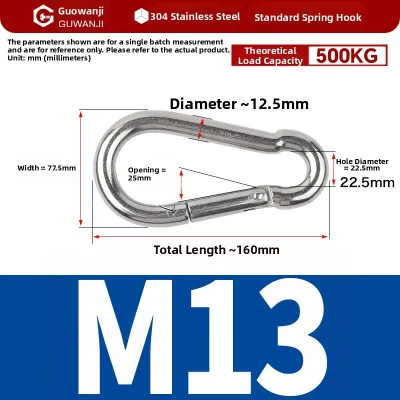

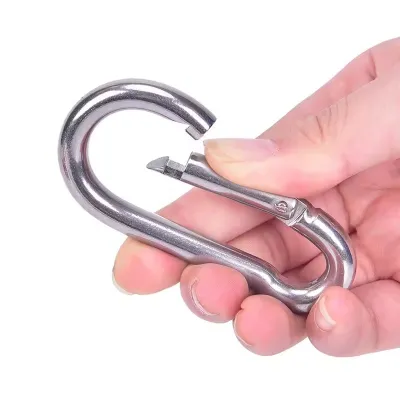
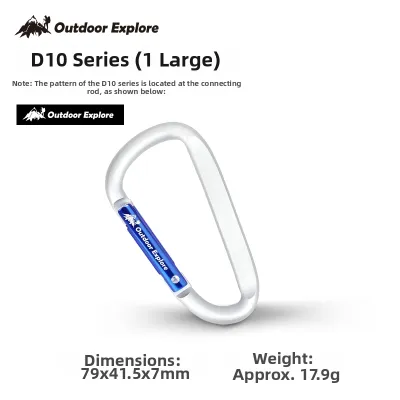
Prices are valid at publication and may change. Please refer to the product page for the latest price.
Most modern sport climbing carabiners use an asymmetric D-shape. This design shifts the load toward the stronger, non-gated spine of the carabiner, maximizing its strength-to-weight ratio. The shape also provides a wider gate opening, making it easier to clip into bolts or pass the rope through, while keeping the harness gear loops organized and uncluttered.
Dogbones typically range from short (around 10 to 12 cm) to long (17 to 25 cm or more). Short dogbones keep the draw compact and lightweight, which is ideal for straight, direct sport routes. Longer dogbones are essential for reducing rope drag on wandering routes where the bolt line zigzags, or on overhanging roofs where the rope needs to hang clear of the rock face.
Dogbones are generally made of either nylon or ultra-high-molecular-weight polyethylene (UHMWPE). Nylon dogbones are wider, stiffer, and easier to grab when working on a route, but they are heavier. UHMWPE dogbones are incredibly thin and light, reducing the overall weight of your rack, but they can be harder to handle and degrade faster under intense UV exposure.
Carabiners are made of aluminum alloys, where hot-forged models offer complex shapes that shave off weight without sacrificing strength. Cold-forged models are often more economical but slightly heavier. Balancing these material trade-offs is key to building a rack that matches your physical endurance and climbing style.
Match Quickdraws to Your Experience and Route Type
Your experience level and the style of routes you climb dictate the ideal quickdraw configuration. Selecting the wrong setup can lead to premature gear wear or unnecessary physical fatigue during a climb.

If you are new to sport climbing, prioritize durability, handling comfort, and ease of clipping over saving every gram. A beginner-friendly quickdraw typically features a thick, wide nylon dogbone. This thickness makes the draw easy to grab if you need to pull yourself up while projecting a route. Look for carabiners with large profiles and wide gate openings, which provide a forgiving target for nervous or inexperienced clips.
As you progress to longer, steeper, or multi-pitch routes, weight becomes a critical factor. Carrying a dozen heavy draws up a long overhanging wall can significantly increase fatigue. Advanced climbers often opt for mid-sized or compact carabiners paired with slim dogbones. This setup minimizes the bulk on your harness and reduces the physical effort required to carry your gear to the anchors.
The shape of the route should guide your selection for the day. For straight-up vertical routes, a standard set of short draws keeps the rope path clean and direct. However, if you are tackling wandering lines, using only short draws will create severe rope drag as you climb higher. This friction makes pulling up rope to clip increasingly difficult and exhausting.
Mixing in longer draws at strategic placements where the route changes direction allows the rope to run in a straighter line. This simple adjustment preserves your energy and ensures smoother belays, especially on complex limestone formations.
Evaluate Carabiner Gate Types and Nose Designs
The interface between your hand, the carabiner, and the rope is defined by the gate type and nose design. Choosing the right combination optimizes clipping efficiency and minimizes safety hazards.
Solid gates use a solid aluminum bar on a spring hinge. They offer a robust, positive feel during clipping and are highly durable. Wiregates use a loop of stainless steel wire instead of a solid gate. Wiregates are lighter and significantly reduce the risk of gate flutter, which occurs when a climber falls and the sudden stop causes a solid gate to swing open momentarily due to inertia.
In humid, dusty, or coastal environments, wiregates also tend to clog less easily with grit or salt residue. This makes them a highly reliable choice for tropical climbing destinations where moisture and dirt are constant factors.
A standard quickdraw uses a straight-gate carabiner on the bolt end because the flat gate is easy to push open against a hanger. The rope end features a bent-gate carabiner. The inward curve of a bent gate acts as a guide, making it much easier to clip the rope in with a single-handed motion.
Traditional carabiners use a notch-and-pin system to secure the gate. While effective, this notch can easily snag on bolt hangers, webbing, or the rope itself when you are trying to clean a route or clip in a hurry. Keylock nose designs eliminate this notch, creating a smooth, snag-free interface. Opting for keylock carabiners prevents frustrating snags that can disrupt your climbing flow.
Build a Practical Quickdraw Rack for Sport Climbing
Building your first rack requires a strategic approach to ensure you have enough protection without overspending or carrying unnecessary weight on your harness.
The number of quickdraws you need depends on the height of the routes you plan to climb. A standard single-pitch sport route in many climbing areas ranges from 15 to 30 meters, typically requiring anywhere from 8 to 14 quickdraws. A good starting point for a versatile rack is 12 quickdraws. This quantity allows you to tackle the majority of sport routes while leaving a couple of extra draws for the anchor.
Do not buy 12 identical short quickdraws. A balanced rack should feature a mix of lengths. For a 12-draw rack, a practical distribution is eight short draws for straight sections, and four medium-to-long draws to manage rope drag around bulges, roofs, or wandering bolt lines.
At the top of a sport route, you will need to build an anchor to lower down or top-rope. While you can use two standard quickdraws with opposite and opposed gates, many climbers prefer to carry dedicated anchor draws. These can be slightly longer draws with locking carabiners on the rope end. Using locking carabiners at the anchor provides an extra layer of security, especially if multiple climbers will be top-roping on the same setup.
Inspect and Maintain Your Quickdraws for Safety
Climbing gear is subject to wear, and regular inspection is a non-negotiable safety practice. In tropical climates, high humidity, salt air, and intense UV radiation can accelerate the degradation of both metal and textile components.
Regularly examine the metal carabiners for deep grooves worn by the rope, sharp edges, cracks, or corrosion. A minor groove from rope friction is normal, but if the groove becomes deep or develops a sharp edge that could damage the rope, the carabiner must be retired immediately. Inspect the textile dogbones for any signs of fraying, cuts, abrasion, or severe discoloration caused by UV exposure.
Test the gate of every carabiner. It should open smoothly and snap shut instantly when released. If the gate is sluggish, sticky, or fails to close completely, clean it. Wash the carabiner in warm, clean water to remove dirt, salt, or grit, and dry it thoroughly. You can apply a dry, wax-based lubricant to the hinge pin, wiping away any excess to prevent it from attracting more dirt.
Never use heavy oils or household lubricants that can attract grime and degrade the adjacent textile dogbone. Textile components have a limited lifespan, typically up to 10 years from the manufacture date even if unused, and significantly less with regular use. Always follow the specific manufacturer guidelines for inspection, maintenance, and retirement criteria.
Frequently Asked Questions (FAQ)
How many quickdraws do I need for a standard sport route?
For most standard single-pitch sport routes, a rack of 12 quickdraws is sufficient. This covers the typical 8 to 10 bolts found on routes up to 25 meters long, while leaving two extra draws to construct the top anchor. If you plan to climb exceptionally long pitches or routes with closely spaced bolts, check the local guidebook to see if you need to expand your rack to 14 or 16 draws.
Can I mix and match different carabiner brands on one quickdraw?
Yes, you can mix and match different carabiner brands on a single dogbone, provided the carabiners fit properly within the sling loops. Ensure that the straight-gate carabiner remains on the bolt end and the bent-gate or wiregate remains on the rope end. The dogbone must have a rubber keeper on the rope-end loop to keep that carabiner oriented correctly and prevent it from rotating, which could lead to dangerous cross-loading. Never use a rubber keeper on the bolt-end carabiner, as it needs to move freely to align with the bolt hanger.
Community discussion
Share your experience or ask a question. Comments are reviewed before publication.