
Selecting the right whistles for referee duties in football matches across the Philippines requires balancing acoustic power, environmental resilience, and physical comfort. In a country characterized by intense tropical heat, sudden torrential downpours, and highly passionate, noisy crowds, a standard toy whistle will quickly fail to command the pitch. Whether you are officiating a local community weekend league on a dusty field or a high-stakes collegiate tournament on a sprawling grass pitch, your whistle is your primary tool of control and communication. It must deliver a sharp, unmistakable tone that instantly cuts through ambient noise, wind, and player chatter.
To make an informed purchase, you must evaluate how different whistle designs perform under local weather conditions and match play demands. High humidity and heavy rain can render traditional whistles useless, while the physical demands of running across a full-sized football pitch require an ergonomic design that stays secure. By understanding the mechanics of sound projection, material durability, and sourcing options, you can select a reliable tool that ensures your decisions are heard clearly by every player, coach, and spectator on the field.
Core Features to Evaluate in a Football Referee Whistle
The fundamental choice when selecting whistles for referee tasks is between traditional pea-style whistles and modern pealess designs. Traditional whistles contain a small cork or synthetic ball (the “pea”) inside the chamber that vibrates when blown, creating a warbling, trilling sound. While this classic sound is highly recognizable, pea whistles face severe limitations in wet and humid environments. Moisture from rain, high humidity, or saliva can cause the pea to stick to the inner walls of the chamber, resulting in a muffled hiss rather than a sharp blast.
Products mentioned in this guide
![[COD] SHPYHT SPORTS High Frequency Dolphin Whistle Basketball Football Referee Guard Whistle](https://img.lazcdn.com/g/p/8ca0771e94ec5dc916e4e9aa77f7b697.jpg_400x400q80.jpg_.webp)
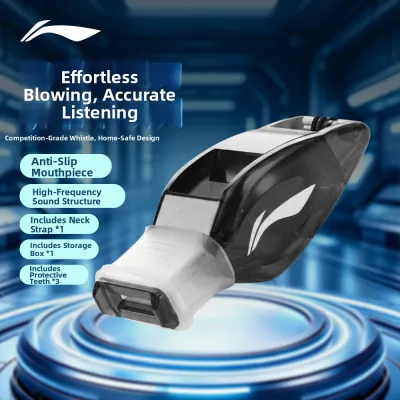
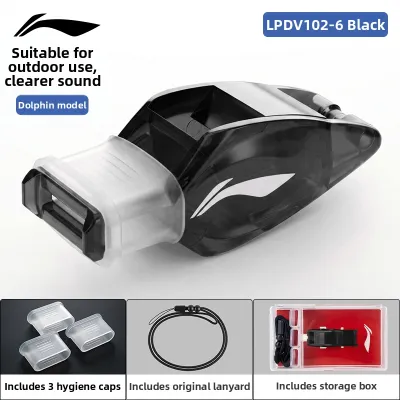
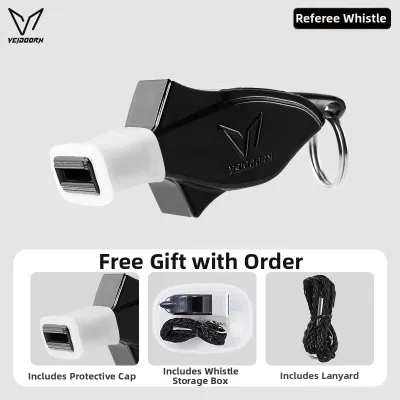
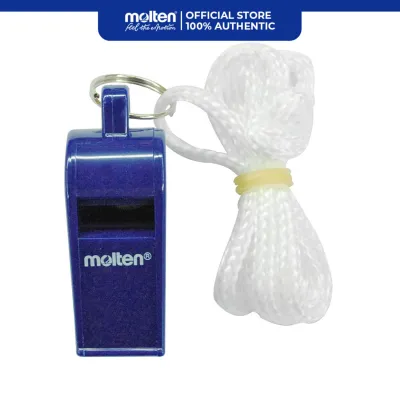
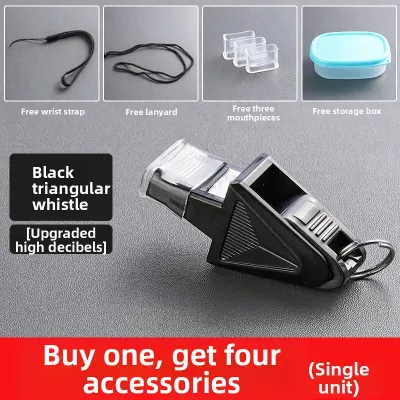
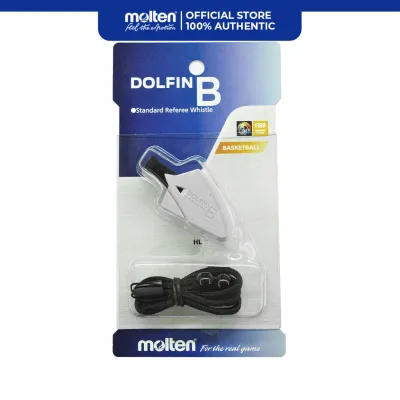
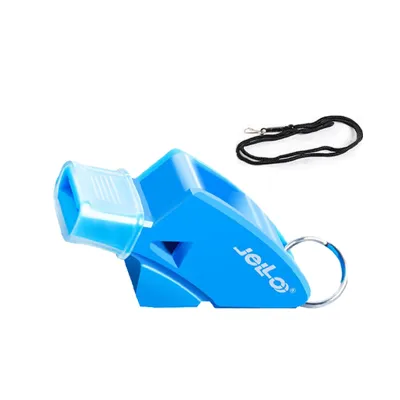
Prices are valid at publication and may change. Please refer to the product page for the latest price.
Pealess whistles, on the other hand, utilize engineered air chambers to compress and accelerate airflow, creating a high-pitched, piercing tone without any moving parts. This design is highly reliable for football officiating in tropical climates because there is no internal mechanism to jam or fail when wet. The sound produced by a pealess whistle is typically higher in frequency, allowing it to cut through the heavy air of humid afternoons and the roar of enthusiastic spectators. For outdoor football pitches, where sound must travel over long distances, a pealess design is generally the more dependable choice.
The material of your whistle directly impacts its lifespan, safety, and performance under the sun. High-impact plastics, such as ABS (acrylonitrile butadiene styrene), are the industry standard for modern sports officiating. ABS plastic is exceptionally tough, lightweight, and resistant to cracking when dropped on hard surfaces or accidentally stepped on. Crucially for tropical climates, plastic does not corrode when exposed to sweat, rain, or humid air, making it highly low-maintenance.
Metal whistles, often made of brass or stainless steel, offer extreme physical durability and a classic aesthetic. However, they present distinct challenges when used outdoors in hot climates. Metal conducts heat rapidly, meaning a metal whistle left in the sun or used during a midday match can become uncomfortably hot to the touch and may even burn your lips. Additionally, metal whistles are heavier, which can cause fatigue when held in the mouth for extended periods, and they require meticulous drying to prevent tarnishing or rust over time.
Officiating a full 90-minute football match requires you to keep the whistle close at hand, often holding it between your teeth or lips for quick transitions. Whistles with a hard plastic or metal mouthpiece can cause dental fatigue or minor gum irritation over the course of a long tournament. To address this, many modern whistles feature a cushioned mouth grip, which is a soft, thermoplastic overmold on the mouthpiece. This cushioning provides a secure grip, allowing you to hold the whistle firmly with your teeth without slipping, even when running at full sprint.
The physical shape of the whistle also affects how easily you can direct sound. Some designs are slim and flat, fitting comfortably between the lips, while others are more cylindrical. You should also consider how the whistle attaches to your hand or body. Traditional neck lanyards keep the whistle accessible but can swing violently during a run, whereas finger-grip designs or wrist lanyards keep the whistle securely positioned in your hand, ready for an instant blow.
Matching Whistle Designs to Your Officiating Level
If you are officiating casual weekend matches, local community leagues, or friendly turf games, your acoustic requirements are relatively straightforward. These matches typically feature smaller crowds and are often played on smaller pitches or half-fields, meaning you do not need an ultra-high-decibel whistle to maintain control. A basic, reliable pealess plastic whistle is highly suitable for this level, providing sufficient volume without overwhelming the players or nearby residents.

For grassroots officiating, a standard neck lanyard is usually sufficient, as the pace of the game allows for comfortable handling. Budget is often a key consideration at this level, and fortunately, entry-level pealess whistles offer excellent reliability without a high price tag. Your primary focus should be on finding a whistle that is easy to clean and durable enough to survive being tossed into a gear bag after a dusty afternoon match.
Officiating school tournaments, regional athletic meets, or competitive amateur leagues introduces new challenges, including larger crowds, louder coaching staff, and full-sized pitches. At this level, the distance between you and the play can be substantial, requiring a whistle with superior sound projection. You need a whistle that can produce a distinct, commanding tone that carries across a 100-meter field, even against a headwind.
Durability becomes highly important when officiating multi-day tournaments where you may referee several matches back-to-back. A whistle with a cushioned mouth grip is highly recommended here to prevent jaw fatigue during long hours on the pitch. You should also look for whistles that offer a dual-chamber or triple-chamber design, which produces a multi-tone sound that is easier for players to locate directionally on a busy, noisy field.
At the competitive and professional levels, the speed of play is incredibly fast, and the crowd noise can be deafening. Referees in these leagues must make split-second decisions and signal them instantly. For these high-pressure environments, professional-grade pealess whistles with advanced acoustic engineering are essential. These whistles are designed to reach high decibel levels with minimal blowing effort, ensuring you can deliver a sharp, authoritative blast even when physically exhausted.
Ergonomics are critical at this level, leading many professional referees to prefer finger-grip or finger-clip whistles over traditional lanyards. A finger-grip whistle clips directly onto your fingers, keeping the whistle perfectly positioned in your palm. This eliminates the risk of a lanyard tangling or swinging, allowing you to run naturally and raise the whistle to your mouth in a fraction of a second. These specialized designs are built to withstand intense, daily use and are the preferred choice for elite officiating.
Pre-Purchase Checklist: Specs, Accessories, and Safety
Before purchasing a whistle, you must evaluate how you plan to carry it on the pitch. If you prefer a neck lanyard, it is vital to choose one with a breakaway safety feature. A breakaway lanyard features a plastic clasp that automatically snaps open under tension. This is a crucial safety measure in football officiating, as a lanyard can easily become a choking hazard if it gets caught on a player’s jersey during a crowded corner kick or if you trip and fall.
Alternatively, you can look for wrist lanyards or finger-grip attachments. Wrist lanyards keep the whistle secure around your wrist, preventing it from falling to the ground if dropped. Finger grips should be adjustable to fit your finger size comfortably without restricting blood circulation during long matches in the tropical heat.
When browsing whistles for referee use, pay close attention to the manufacturer’s technical specifications rather than relying solely on marketing claims. Look for the decibel rating, which indicates the maximum volume the whistle can produce; professional outdoor whistles typically range from 110 to 125 decibels. Ensure the materials used are certified as non-toxic and BPA-free, especially since the whistle will be in direct contact with your mouth for extended periods.
You should also check if the manufacturer specifies the temperature tolerance of the plastic. In the Philippines, on-pitch temperatures can soar during midday matches, so the material must resist warping or softening under intense UV exposure. A high-quality ABS plastic whistle will maintain its structural integrity and acoustic properties even under extreme solar heat.
Whistles are high-contact items that accumulate saliva, dirt, and bacteria during use. If you officiate frequently or share equipment within a referee association, maintaining strict hygiene is essential. Look for whistles that are easy to disassemble or have open, straight-through chambers that do not trap debris.
Avoid whistles with complex internal crevices that are difficult to reach with a cleaning brush. A simple, open-chamber pealess design is the easiest to sanitize, requiring only a quick rinse to clear out any dirt or sweat. Establishing a regular cleaning routine ensures your equipment remains sanitary and performs at its acoustic peak.
Sourcing Authentic Whistles from Retailers in the Philippines
To ensure you are purchasing a genuine, high-quality whistle, it is best to source your equipment from authorized sports retailers or official brand stores. Major sporting goods stores located in prominent shopping malls across the Philippines carry reputable officiating brands. If you prefer shopping online, look for official flagship stores on major ecommerce platforms, which often feature verification badges indicating they are authorized distributors.
Purchasing from official channels guarantees that the whistle is made from safe, medical-grade materials and meets the acoustic standards claimed by the manufacturer. Avoid buying from unverified third-party sellers who offer premium brands at suspiciously low prices, as counterfeit whistles are common and often fail to produce the necessary volume.
When your whistle arrives, or when inspecting it in a physical store, there are several ways to verify its authenticity. Genuine professional whistles feature clean, precise molding with no rough plastic edges or misaligned seams. The brand logo should be crisply engraved or printed, and any cushioned mouth grip should be seamlessly bonded to the plastic body without peeling.
Another key indicator is the sound quality. Authentic whistles are acoustically engineered to produce a clear, consistent tone with minimal effort. If the whistle sounds airy, requires excessive breath to make a sound, or produces a rattling noise (in a pealess model), it may be a counterfeit or a defective unit.
In the Philippine market, the price of whistles for referee duties varies based on design and brand. Basic pealess plastic whistles typically range from ₱150 to ₱400, making them highly accessible for grassroots and casual officiating. Mid-range whistles with cushioned mouth grips and basic lanyards generally cost between ₱500 and ₱900, while professional-grade, high-decibel whistles with specialized finger grips can range from ₱1,000 to ₱2,000 or more.
When purchasing, always check the retailer’s return and exchange policies. This is particularly important when buying online, as it allows you to return the item if it arrives with manufacturing defects, such as a blocked air chamber or a damaged mouth grip. A reputable retailer will offer a straightforward return process for defective sports equipment.
Frequently Asked Questions (FAQ)
How do I clean and maintain a pealess whistle?
To clean a pealess whistle, follow the manufacturer’s guidelines by washing it regularly in a solution of warm water and mild dish soap. You can use a small, soft-bristled brush, such as a clean toothbrush, to gently scrub the outer surfaces and reach inside the air chambers to remove saliva buildup, dirt, or lint. After washing, rinse the whistle thoroughly with clean water to remove all soap residue, which could otherwise cause irritation during your next match. Allow the whistle to air dry completely in a well-ventilated area away from direct sunlight, as excessive heat during drying can degrade any rubberized mouth grips over time. Never use harsh chemical bleach or boiling water to sanitize plastic whistles unless explicitly approved by the manufacturer, as this can warp the plastic and ruin the acoustic chambers.
Can I use a metal whistle in extreme heat or cold?
Using an uncoated metal whistle in extreme weather conditions carries distinct physical risks due to the high thermal conductivity of metals. In the intense tropical heat of the Philippines, a metal whistle left in the sun can quickly absorb heat and reach temperatures high enough to blister or burn your lips and tongue upon contact. Conversely, in extremely cold environments, wet lips can instantly freeze and stick to bare metal, causing painful skin tears when removed. If you prefer the weight and durability of a metal whistle, ensure it features a protective plastic or rubber mouthpiece cover to insulate your lips from the metal. Alternatively, you should switch to a high-impact ABS plastic whistle during hot midday matches to ensure your safety and comfort on the pitch.
Community discussion
Share your experience or ask a question. Comments are reviewed before publication.