
Integrating rolling exercise equipment into your yoga and wellness routine is one of the most effective ways to transition from active physical exertion to deep, restorative recovery. A complete wellness setup relies on a thoughtful combination of foam rollers, yoga wheels, and targeted massage tools to address different muscle groups and flexibility goals. By selecting tools that match your body weight, skill level, and local environmental conditions, you can create a highly functional home studio that supports both muscle recovery and advanced pose progression.
While traditional yoga practices emphasize static stretching and breathwork, modern wellness setups increasingly incorporate self-myofascial release to address deep-seated muscle tension. Rolling tools act as an extension of your hands, allowing you to apply targeted pressure to tight fascia—the connective tissue wrapping around your muscles. This integration not only accelerates recovery after intense sessions but also improves your overall range of motion, making challenging yoga poses more accessible and safer to execute.
Building a comprehensive setup does not mean buying every rolling accessory on the market. Instead, it requires understanding how different tools interact with your body and choosing high-quality, durable items that complement your specific routine. Whether you are looking to open up your chest and shoulders with a yoga wheel or relieve tight calves after a long run, selecting the right rolling equipment ensures your wellness practice remains safe, effective, and deeply restorative.
Products mentioned in this guide
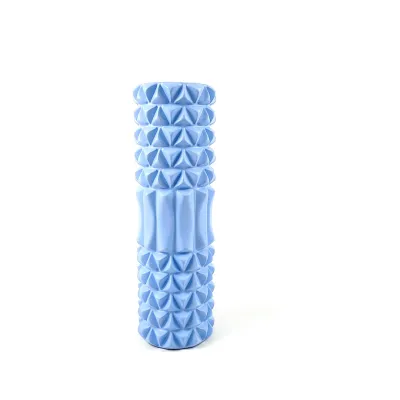
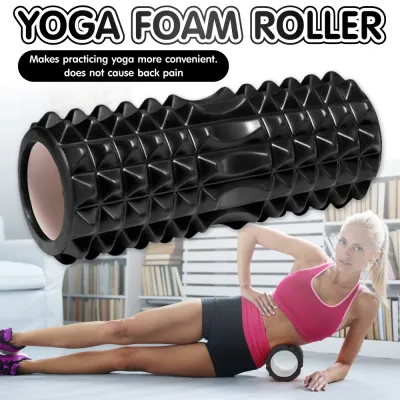
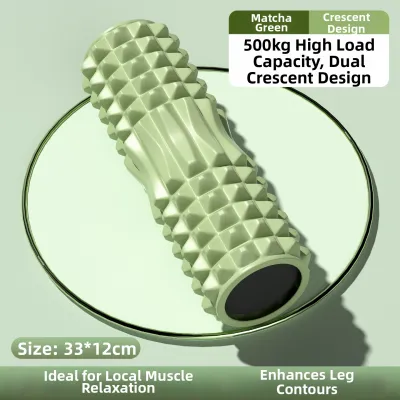
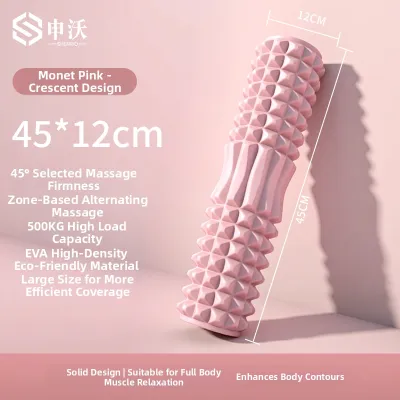
Prices are valid at publication and may change. Please refer to the product page for the latest price.
Understanding the Role of Rolling Tools in Yoga and Wellness
To build a balanced wellness space, it is essential to understand the distinct roles that different rolling tools play. These accessories are not interchangeable; rather, they work synergistically to target different tissues, joint structures, and movement patterns. By learning the primary function of each tool, you can avoid redundant purchases and curate a collection that directly supports your physical goals.
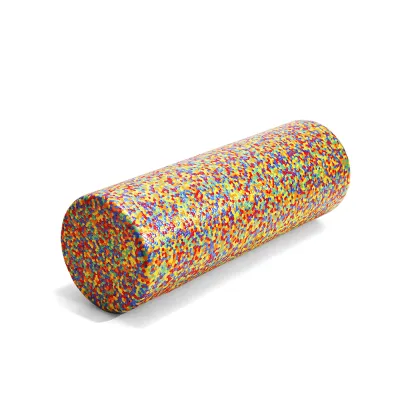
Foam rollers are the foundation of any self-myofascial release routine. Typically constructed from dense foam cylinders, these tools use your own body weight to apply broad pressure across large muscle groups, such as the quadriceps, hamstrings, IT bands, and upper back. The primary purpose of foam rolling is to break up fascial adhesions, increase localized blood flow, and promote muscle relaxation. Using a foam roller as a pre-yoga warm-up can help wake up dormant muscles, while post-session rolling helps flush out metabolic waste and reduce delayed onset muscle soreness.
Yoga wheels, by contrast, are rigid, circular rings designed to support the spine and assist with deep backbends and chest-opening postures. Unlike foam rollers, which compress under pressure to massage soft tissue, a yoga wheel provides a firm, unyielding structure that helps expand the thoracic spine and stretch the anterior chain, including the shoulders, chest, and hip flexors. Additionally, the rolling nature of the wheel introduces an element of instability, making it an excellent tool for core strengthening and balance training when integrated into active yoga sequences.
Massage sticks and balls offer the precision needed for targeted trigger point therapy. While foam rollers are excellent for broad areas, they cannot effectively reach smaller, deeper muscle groups or localized knots. A firm massage ball allows you to apply concentrated pressure to specific trigger points in the glutes, arches of the feet, and the space between the shoulder blades. Handheld massage sticks provide a similar level of targeted relief but allow you to control the pressure manually using your arms, making them ideal for sensitive areas like the calves and shins where full body weight might be too intense.
Key Selection Criteria for Rolling Exercise Equipment
Selecting the right rolling equipment requires looking beyond aesthetics and focusing on the structural specifications that match your body and practice. Because these tools must support your weight and withstand repetitive pressure, evaluating their build quality, materials, and dimensions is crucial for both safety and performance.

The density and firmness of a rolling tool are the most critical factors in determining its effectiveness and comfort. Beginners or those with high pain sensitivity should opt for soft to medium-density foam rollers, which offer gentle compression without bruising the tissue. As your muscles adapt and your pain tolerance increases, you can transition to high-density expanded polypropylene (EPP) or solid-core rollers. Using a roller that is too firm too soon can cause your muscles to tense up defensively, defeating the purpose of the massage and potentially causing bruising.
Surface texture variations allow you to customize the intensity of your myofascial release. Smooth rollers distribute pressure evenly across the skin and are ideal for general recovery, sensitive areas, and beginners. In contrast, grid or knobby rollers feature raised ridges and bumps designed to mimic the fingers, knuckles, and palms of a massage therapist. These textured surfaces penetrate deeper into the muscle layers, providing a more intense, localized massage that is highly effective for breaking up stubborn knots and scar tissue.
Material durability and hygiene are particularly important considerations, especially in warm, humid tropical climates like the Philippines. Sweat and moisture can quickly degrade low-quality open-cell foam, leading to a breakdown of the roller’s structure and creating a breeding ground for bacteria and mold. To ensure longevity and hygiene, look for closed-cell EVA or EPP foam, which resists moisture absorption and can be easily wiped clean. Additionally, always verify the manufacturer’s stated weight capacity on the product label before purchasing, particularly for hollow-core rollers and yoga wheels, to ensure they can safely support your full body weight during use.
Size and portability trade-offs should align with where and how you plan to practice. A standard 36-inch foam roller is the most versatile option for home use, as it is long enough to support your entire spine during alignment exercises and easily covers broad muscle groups. However, if you frequently commute to a local yoga studio or travel, a compact 12-inch to 18-inch travel roller is much more practical. Similarly, small massage balls and collapsible rollers offer excellent portability, allowing you to maintain your recovery routine on the go without sacrificing valuable luggage space.
Building a Comprehensive Rolling Accessory Collection
Creating a complete rolling accessory collection does not require a massive financial investment all at once. By starting with versatile essentials and gradually adding specialized tools as your practice evolves, you can build a highly functional setup tailored to your budget and space.
For those starting their wellness journey, an essential starter kit consisting of a standard medium-density foam roller and a single firm massage ball is highly recommended. This combination is incredibly versatile and budget-friendly, typically costing between ₱500 and ₱1,500 at local fitness retailers or online marketplaces. The foam roller handles large muscle groups like the thighs and upper back, while the massage ball targets smaller areas like the arches of the feet and the glutes, providing a comprehensive full-body recovery routine on a modest budget.
As your flexibility improves and you begin exploring advanced yoga postures, expanding your collection with a yoga wheel and a textured high-density roller is the logical next step. The yoga wheel will allow you to safely practice deep backbends, improve spinal mobility, and add a balance challenge to your core workouts. Meanwhile, the textured roller provides the deeper tissue penetration needed to address persistent muscle tightness that smooth rollers cannot fully resolve, helping you maintain the tissue elasticity required for advanced poses.
To complete your setup for targeted recovery, consider adding specialized tools like a handheld massage stick and a dual-point (peanut) massage ball. The massage stick is invaluable for rolling out the calves and quadriceps after long walks or runs without having to get down on the floor, while the peanut ball is specifically designed to cradle the spine, massaging the surrounding erector spinae muscles without putting direct, painful pressure on the vertebrae themselves.
When budgeting and planning your space, prioritize purchases based on your primary wellness goals. If your main focus is spinal flexibility and heart-opening yoga poses, prioritize a high-quality yoga wheel with a non-slip grip. If your goal is muscle recovery and pain relief, invest first in a durable, high-density foam roller. To keep your home studio organized, consider simple storage solutions like vertical wall mounts or a dedicated basket, which keep your rollers clean, dry, and off the floor.
Safety, Maintenance, and Usage Boundaries
While rolling exercise equipment is generally safe and highly beneficial, improper use can lead to muscle damage, bruising, or joint strain. Establishing clear usage boundaries, performing regular equipment checks, and practicing proper maintenance are essential to protect your body and prolong the lifespan of your accessories.
There are several sensitive anatomical areas that you should never roll directly. Avoid using a standard foam roller on your lower back (lumbar spine), as the lack of rib cage support in this area can cause the surrounding muscles to spasm defensively and put unsafe pressure on your vertebrae. Additionally, never roll directly over joints, such as the knees, elbows, or ankles, or over bony prominences like the hip bones. Keep your rolling focused on the fleshy bellies of the muscles, and use smaller, targeted tools like massage balls with extreme care around sensitive areas.
Before beginning any rolling session, take a moment to inspect the structural integrity of your equipment. Check your yoga wheel for any hairline cracks in the plastic inner ring, warping, or peeling of the outer foam grip pad. For hollow-core foam rollers, ensure the inner support tube is not cracked or bending under pressure. Operating damaged equipment can lead to sudden structural failure, potentially causing painful falls or joint hyperextension.
Proper cleaning and storage are vital for maintaining hygiene and preventing material degradation, especially in humid environments. Wipe down your rolling tools after every use with a damp cloth and a mild, non-abrasive soap to remove sweat, body oils, and dust. Avoid using harsh chemical disinfectants or submerging foam rollers in water, as this can break down the foam’s cellular structure. Store your equipment in a cool, dry place away from direct sunlight, as prolonged UV exposure can cause foam to become brittle, discolor, and crumble over time.
Always listen to your body’s feedback and establish clear stopping conditions. Self-myofascial release should produce a sensation of deep pressure or a “good hurt,” but it should never cause sharp, shooting pain, numbness, or tingling. If you experience any of these sensations, stop rolling immediately. If you have pre-existing medical conditions, such as osteoporosis, deep vein thrombosis, chronic joint instability, or recent surgical wounds, consult a licensed physical therapist or medical professional before incorporating rolling tools into your routine.
Frequently Asked Questions (FAQ)
Can I use a yoga wheel as a substitute for a foam roller?
No, a yoga wheel cannot serve as a direct substitute for a foam roller because they are designed for entirely different structural purposes and load paths. A yoga wheel is rigid, narrow (usually about 5 inches wide), and designed to support spinal extension, chest opening, and balance postures. A foam roller is much wider (typically 6 inches in diameter and up to 36 inches long) and made of compressible foam designed to distribute your body weight evenly for myofascial release across large muscle groups. Attempting to roll out large muscles like your quadriceps or IT bands on a narrow, rigid yoga wheel is highly unstable, difficult to control, and can cause excessive pain or bruising due to the lack of surface area and material give.
How often should I replace my rolling exercise equipment?
Rather than relying on an arbitrary timeframe, you should replace your rolling equipment based on observable signs of wear and material breakdown. For foam rollers, look for permanent indentations where the foam no longer springs back, a noticeable loss of overall firmness, flaking or crumbling foam, or deep cracks along the surface. For yoga wheels, inspect the bond between the outer foam padding and the inner rigid ring; if the padding begins to peel away, or if you notice any hairline cracks or warping in the plastic core, replace the wheel immediately to prevent sudden collapse during use.
Is it safe to use rolling tools every day?
Yes, it is generally safe to use rolling tools daily, provided you adjust the intensity and duration based on your body’s feedback. Light rolling for 5 to 10 minutes as part of a daily warm-up or cool-down is an excellent way to maintain tissue elasticity and promote circulation. However, intense, deep-tissue rolling on the same muscle group should be limited to every 24 to 48 hours. Overusing firm rollers or applying excessive pressure can lead to localized tissue inflammation, bruising, and muscle soreness, which hinders rather than helps your recovery. Always let pain levels and muscle soreness guide your daily frequency.
Community discussion
Share your experience or ask a question. Comments are reviewed before publication.