
Finding a running belt bag that stays completely secure and friction-free requires a careful balance of anatomical fit, advanced material selection, and smart weight distribution. In the tropical heat and high humidity of the Philippines, even a minor fit issue can quickly escalate into painful chafing as sweat accumulates. Selecting the right gear means looking beyond basic aesthetics to evaluate how a belt interacts with your body during high-intensity movement.
By understanding the mechanics of bounce and friction, you can identify the specific design features that prevent your gear from shifting. Adjusting the belt to match your unique body shape and packing your essentials strategically will ensure a comfortable, distraction-free run, whether you are tackling a quick morning jog or training for a marathon.
Why Your Running Belt Bounces and Chafes
Every stride you take during a run creates a natural vertical oscillation, causing your body to move up and down. If a running belt is not properly sized or lacks sufficient tension, this vertical movement translates directly into a rhythmic bounce. Horizontal shifting occurs when the belt is too wide for your frame or lacks the necessary elasticity to contract and expand with your breathing and hip movement. When the belt moves at a different frequency than your body, it creates a constant, disruptive tugging sensation.
Products mentioned in this guide
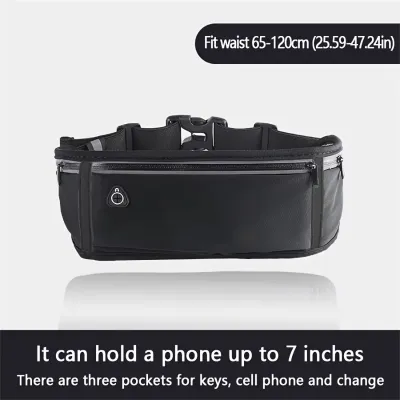
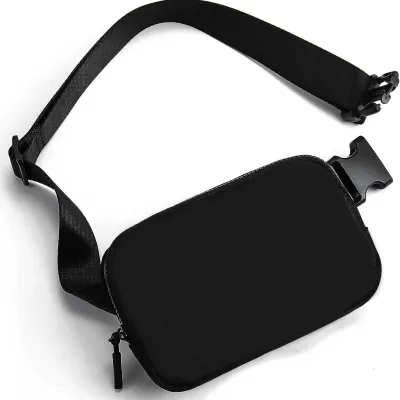
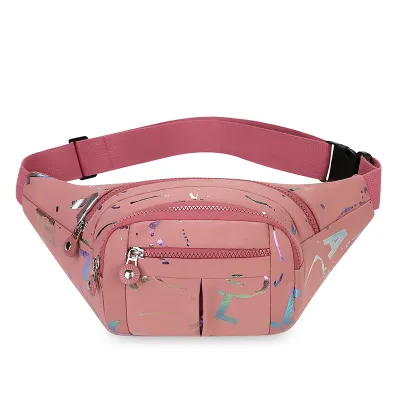
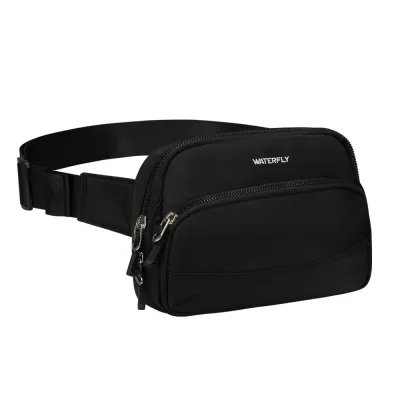
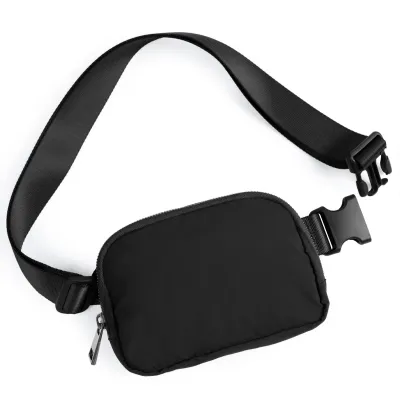
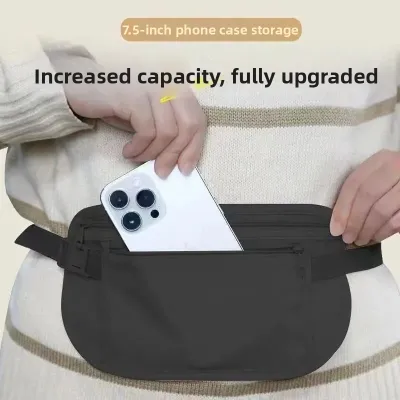
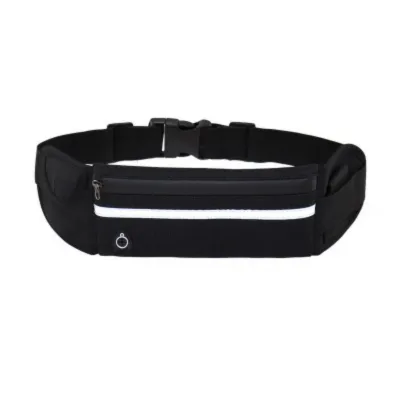
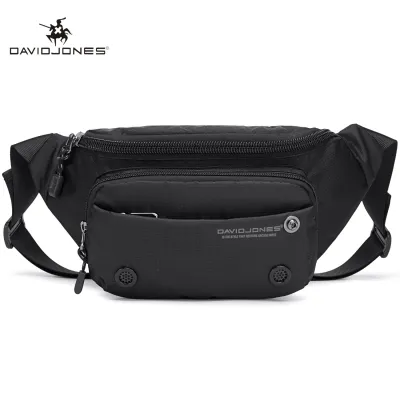
Prices are valid at publication and may change. Please refer to the product page for the latest price.
Chafing is the direct result of this repetitive movement combined with moisture. In warm, humid climates, sweat acts as an abrasive medium when trapped between your skin and rough fabrics. Standard nylon or poorly finished seams rub against damp skin thousands of times during a single session, leading to micro-tears, redness, and painful raw spots. The salt crystals left behind as sweat evaporates only worsen this friction, turning minor rubbing into severe irritation.
Uneven weight distribution further compounds these mechanical issues. When a heavy smartphone, a set of keys, or hydration flasks sit entirely on one side of the belt, they create an unbalanced pendulum effect. This imbalance pulls the belt down on one side, causing it to slide, twist, and rub against your hips with every step. Without proper stabilization, even a high-quality belt will fail to stay in place if the load inside is allowed to shift freely.
What to Look for in Chafe-Free Beltbags for Women
Material selection is your first line of defense against chafing. Avoid heavy, non-breathable fabrics that trap heat and sweat against your skin. Instead, prioritize advanced moisture-wicking materials, such as lightweight mesh, high-performance spandex, or perforated Lycra. These fabrics allow air to circulate freely and dry quickly, keeping your skin cool and reducing the moisture buildup that triggers friction.

Examine the strap construction and edge finishing closely. A wider strap—typically between 1.5 to 2 inches—distributes pressure more evenly across your midsection, preventing the belt from digging into your skin or rolling up as you move. Look for soft, bound edges or seamless designs rather than raw, heat-sealed borders, as smooth edges are far less likely to cause irritation against sensitive skin.
The buckle and closure system should be low-profile and positioned away from high-friction areas like the hip bones or spine. Flat, adjustable sliders or soft hook-and-loop closures are often preferable to bulky plastic buckles that can press painfully into your lower back. Ensure that any adjustment hardware is shielded by a fabric backing so it never makes direct contact with your skin.
Compartment design dictates how well the belt carries its load. Multiple pockets or internal dividers keep items from shifting around. Choose a belt with a dedicated, snug pocket for your phone and separate compartments for smaller items like keys or energy gels, ensuring the bag remains streamlined and close to your body.
How to Adjust and Wear Your Belt for a Secure Fit
Finding the right anatomical placement depends heavily on your body shape. Some runners find the most stable position is high on the natural waist, where the belt can sit securely above the hips without sliding down. Others, particularly those with straighter athletic builds, prefer wearing the belt lower, resting flat across the widest part of the hips.
Achieving the perfect tension requires balancing security with comfort. The belt should be snug enough that it does not move when you pull on it, yet loose enough to allow you to take deep belly breaths without feeling restricted. A good rule of thumb is that you should be able to slide two fingers flat beneath the band.
Always perform a quick movement test before heading out on your run. Put on the loaded belt, take a few steps, and then transition into a light jog or do a few jumping jacks in place. If you feel any vertical movement or shifting, adjust the tension or reposition the belt immediately rather than waiting for friction to develop on the road.
How to Pack and Distribute Weight to Stop Bouncing
Overpacking is a primary cause of belt failure. Keep your load limited to absolute essentials, such as your phone, identification, a small key ring, and necessary nutrition. If you find yourself forcing zippers shut or stretching the fabric to its absolute limit, the belt will lose its structural integrity and bounce.
Place the heaviest items, typically your smartphone, in the center pocket directly against your lower back or lower abdomen. Keeping the heaviest mass aligned with your body’s center of gravity minimizes the pendulum effect and prevents the belt from sagging or twisting.
For belts that accommodate hydration, ensure flasks are balanced. If you carry a single flask, position it centrally at the back. If using dual flasks, fill them equally and drink from them alternately to maintain a balanced load throughout your run. Secure loose keys in a dedicated pocket with a clip to prevent them from bouncing against your phone or skin.
When to Stop and Reassess Your Running Gear
Never run through persistent pain or skin irritation. If you notice redness, raw skin, or bruising after a run, your current setup is not working. Stop using the belt immediately, allow your skin to heal completely, and inspect the belt for rough spots, worn-out elastic, or broken adjusters.
A belt bag has physical limits. If your training demands require you to carry extra water, a lightweight jacket, first aid supplies, and multiple nutrition packs, a running belt is no longer the right tool. In these scenarios, transitioning to a dedicated running vest or hydration pack is a much safer and more comfortable choice.
Pay attention to your running form. If you find yourself subconsciously altering your stride, holding your arms differently, or tensing your core to keep a bouncing belt in place, it can lead to secondary joint or muscle discomfort. Your gear should support your natural movement, never compromise it.
Frequently Asked Questions (FAQ)
Can You Wear a Running Belt Over Clothes to Prevent Chafing?
Yes, wearing your running belt over your shirt or waistband is an excellent way to create a protective barrier for sensitive skin. However, keep in mind that some technical fabrics can be slippery, which may cause the belt to slide upward during your run. To prevent this, choose clothing with a matte texture or silicone grip details, and ensure the belt is adjusted slightly tighter to compensate for the extra layer.
How to Clean Your Running Belt Without Ruining the Elasticity
To preserve the elasticity and technical properties of your running belt, hand-washing is highly recommended. Submerge the belt in cool water with a mild, sports-specific detergent, gently agitate it, and rinse thoroughly. Avoid machine washing on harsh cycles or using fabric softeners, which can degrade elastic fibers and clog breathable mesh. Always air dry the belt flat in a shaded, well-ventilated area, keeping it away from direct sunlight or tumble dryers, which can melt synthetic materials and warp plastic buckles.
Community discussion
Share your experience or ask a question. Comments are reviewed before publication.