
Finding a reliable anti-fog spray for your child’s swimming goggles in the Philippines requires balancing clear underwater vision with strict safety standards. The combination of high tropical humidity, warm pool temperatures, and active play makes goggle fogging a frequent challenge for young swimmers. However, because children’s eyes are highly sensitive and prone to irritation, parents must look beyond basic performance claims. Selecting the right formula involves verifying non-toxic ingredients, checking lens compatibility, and understanding proper application techniques to ensure a safe, tear-free swimming experience.
This guide outlines how to evaluate safety labels, identify gentle ingredients, apply the spray correctly to protect both the child and the gear, and source authentic products from reputable local sellers.
Quick Guide to Selecting Anti-Fog Sprays for Kids
When choosing an anti-fog spray for children’s goggles, safety must always take precedence over longevity. Children frequently rub their eyes or adjust their goggles mid-swim, which can easily transfer chemical residues from the lenses directly onto their sensitive ocular membranes. For this reason, parents should prioritize pediatric-safe, non-toxic, and explicitly labeled tear-free formulations.
Products mentioned in this guide
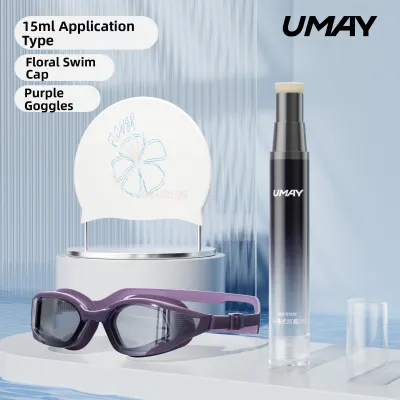
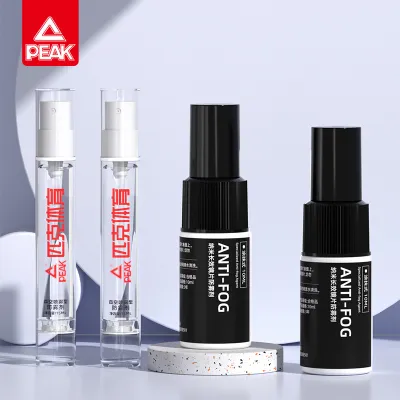
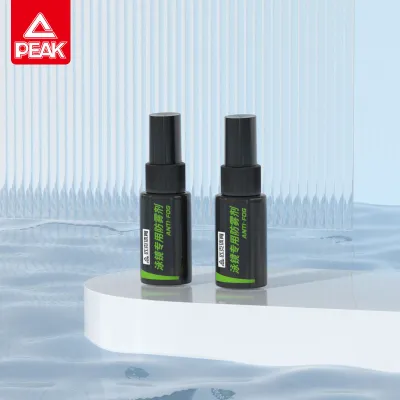
Prices are valid at publication and may change. Please refer to the product page for the latest price.
Beyond safety, the spray must be compatible with the specific lens material of your child’s goggles. Most modern youth goggles feature polycarbonate lenses, which can be easily damaged or permanently clouded by harsh chemical solvents. Always verify that the product is safe for plastic and silicone before application.
Finally, look for products that offer clear, straightforward instructions. A child’s swimming routine requires a formula that dries relatively quickly and does not demand complex, multi-step curing processes. Checking the manufacturer’s recommended age limits and reapplication intervals will help ensure the product fits seamlessly into your family’s swim preparation.
Essential Safety and Performance Criteria
Evaluating safety certifications is the most critical step when shopping for youth swim gear accessories. Because the Philippine market features a wide variety of imported goods, parents must look for clear packaging indicators such as “hypoallergenic,” “biodegradable,” or “non-irritating to eyes.” While these terms are helpful, they should ideally be backed by certifications from recognized testing bodies or clear statements indicating the formula has been dermatologically or ophthalmologically tested.

Performance in tropical aquatic environments presents unique challenges. In the Philippines, outdoor pools are exposed to intense sunlight, high ambient temperatures, and varying levels of chlorine, while coastal swimming exposes gear to saltwater. A high-quality anti-fog spray must create a stable hydrophilic barrier that resists rapid degradation from these elements. When reading product descriptions, look for formulas designed to withstand warm water and active movement rather than those formulated solely for cold-water diving.
Warning labels provide vital clues about a product’s suitability for children. Avoid any spray that carries prominent warnings regarding severe chemical burns, skin sensitization, or the mandatory use of protective gloves during application. Safe pediatric alternatives should only require basic precautions, such as applying the spray in a well-ventilated area and keeping the bottle out of reach of small children.
In the event of accidental contact, clear first-aid instructions must be visible on the packaging. A safe product label will typically instruct users to rinse the eyes thoroughly with clean, fresh water for several minutes. If a label suggests immediate medical intervention for minor skin contact, the formula is likely too aggressive for a child’s swimming environment.
Understanding Anti-Fog Ingredients and Labels
To make an informed purchase, it is helpful to understand how different anti-fog agents function on a chemical level. Most commercial sprays fall into one of three categories:
- Surfactant-Based Sprays: These formulas use surface-active agents to lower the surface tension of water. Instead of forming tiny, light-scattering droplets (fog), condensation spreads into a thin, transparent sheet of water. Surfactants are highly effective and are often formulated into gentle, soap-like compounds that are safer for children.
- Silicone-Based Coatings: These products create a semi-permanent, water-repellent barrier. While highly durable, silicone-based formulas sometimes contain stronger carrier solvents that can emit strong fumes during application and may cause stinging if not fully cured.
- Plant-Derived Alternatives: Utilizing natural oils and plant extracts, these eco-friendly options minimize the risk of chemical irritation. However, they may require more frequent reapplication compared to synthetic surfactants.
Parents should actively avoid ingredients that pose risks to both the child and the goggles. Ammonia, high-concentration isopropyl alcohol, and industrial solvents should never be present in a child’s anti-fog spray. These substances can degrade the silicone gaskets of the goggles, causing them to leak, and can strip away any pre-existing factory anti-fog coatings, leaving the lenses permanently damaged.
Before applying any aftermarket spray, cross-reference the ingredients with the goggle manufacturer’s care guidelines. Many premium youth goggles come with a delicate factory-applied anti-fog layer on the inner lens. Using an incompatible chemical spray can dissolve this layer, leading to premature cloudiness and ruining a pair of high-quality goggles.
Proper Application and Goggle Maintenance
Applying anti-fog spray correctly is just as important as choosing the right formula. Proper application ensures the safety of the child’s eyes and maximizes the lifespan of the anti-fog barrier.
Step 1: Pre-Application Cleaning
Before applying any spray, the lenses must be completely clean. In tropical climates, goggles quickly accumulate residues from sunscreen, sweat, natural skin oils, and pool chemicals. Gently rinse the goggles in clean, lukewarm tap water. Avoid using abrasive dish soaps or rough cloths on the inner lenses, as these can scratch the plastic. A single drop of diluted, tear-free baby shampoo can be used if there is heavy oil buildup, followed by a thorough rinse.
Step 2: Spraying and Air-Drying
Shake the bottle well and apply a single, even spray to the inside of each lens. Do not over-saturate the goggles. Tilt the goggles to ensure the liquid covers the entire inner surface. Allow the goggles to air-dry completely in a dust-free environment. This drying phase is crucial, as it allows the carrier liquid to evaporate, leaving behind the active protective film. Avoid touching the inside of the lenses with your fingers or towels during this process.
Step 3: The Gentle Activation Rinse
Once dry, most manufacturers recommend a very brief, gentle rinse in clean, cool water right before the child enters the pool. This rinse removes any excess, unbonded surfactant that could otherwise migrate into the child’s eyes when they sweat or splash. Simply dip the goggles into clean water once and shake off the excess. Do not wipe the inside of the lenses after this rinse.
Post-Swim Care and Storage
To preserve the anti-fog coating and protect the silicone seals, establish a post-swim routine. Rinse the goggles in fresh, cool tap water immediately after use to remove chlorine or salt. Let them air-dry completely in the shade. Never leave swimming goggles inside a hot car or in direct Philippine sunlight, as extreme heat can warp the silicone frame, degrade the plastic lenses, and melt the anti-fog layer.
Buying Channels and Authenticity Checks in the Philippines
Sourcing authentic products is essential when buying eye-care accessories for children. Counterfeit or unbranded chemical products often bypass safety regulations and may contain industrial-grade solvents that are highly toxic to young eyes.
Physical sports equipment retailers located in major Philippine shopping malls offer the highest level of reliability. Purchasing directly from established sporting goods chains allows you to physically inspect the packaging, verify the expiration dates, and confirm that the product has been stored in a temperature-controlled environment.
If you prefer shopping online, stick to official brand stores or authorized distributors on major ecommerce platforms. Look for verified seller badges and check customer reviews specifically for feedback regarding packaging integrity and product authenticity. Avoid third-party sellers offering unbranded, repackaged, or unusually cheap anti-fog liquids, as these are often bulk industrial detergents repackaged without safety testing.
Upon receiving your purchase, inspect the bottle carefully. Authentic products should feature a secure, tamper-evident seal, a clear batch number, and a legible expiration date. If the labeling is blurry, lacks English safety instructions, or shows signs of leaking, do not use the product on your child’s goggles.
Frequently Asked Questions (FAQ)
Can I use adult anti-fog sprays on kids' goggles?
It is generally not recommended to use adult anti-fog sprays on children’s goggles unless the product is explicitly labeled as safe for all ages and sensitive eyes. Adult formulations often contain higher concentrations of active surfactants or stronger chemical solvents designed for heavy-duty scuba diving or industrial safety glasses. These stronger formulas can release irritating fumes in the small air space of a child’s goggle and are much more likely to cause painful stinging or chemical conjunctivitis if they come into contact with a child’s eyes. Always look for formulas specifically designated as pediatric-safe or hypoallergenic.
How often should I reapply the anti-fog spray?
The frequency of reapplication depends on water chemistry, swim duration, and how active your child is in the water. In highly chlorinated public pools or warm saltwater, the anti-fog barrier will degrade faster than in fresh water. Generally, a single application of a gentle surfactant spray will last for one to two hours of continuous swimming. You will know it is time to reapply when you observe patchy condensation, water droplets pooling on the inside of the lens, or if your child begins wiping the inside of their goggles. For casual weekend swimmers, applying the spray once before each swim session is usually sufficient.
Are there DIY anti-fog alternatives safe for children?
While household alternatives like saliva, baby shampoo, or toothpaste are popular DIY solutions, they carry distinct risks for children’s gear. Toothpaste is highly abrasive and will permanently scratch polycarbonate lenses. Saliva is a temporary fix but introduces bacteria into the goggles, which can lead to eye infections. Diluted tear-free baby shampoo is the safest DIY alternative, but it washes away very quickly in the water and can cause mild cloudiness if not rinsed perfectly. For consistent performance and guaranteed eye safety, commercial, purpose-built, and ophthalmologist-tested anti-fog sprays remain the preferred choice for children’s swimming gear.
Community discussion
Share your experience or ask a question. Comments are reviewed before publication.