
When shopping for unicorn roller skates for a beginner child, it is easy to get swept away by pastel pinks, glittering wheels, and magical horn details. However, the most critical features to look for are structural: rigid ankle support, shock-absorbing polyurethane (PU) wheels, a reliable braking system, and a highly adjustable, secure closure mechanism. While the visual design keeps your child excited about putting their skates on, it is the underlying engineering that ensures they stay upright, gain confidence, and remain safe from injuries.
In the Philippines, young skaters often practice on warm outdoor barangay basketball courts, paved subdivision driveways, or local park paths. Selecting a durable pair of skates that can withstand both tropical humidity and uneven pavement is essential for a successful learning experience. By prioritizing structural integrity over aesthetics, you can ensure your child enjoys a safe and comfortable introduction to the sport.
Why Ankle Support and Boot Material Matter for Stability
A child’s skeletal structure is still developing, meaning their ankles lack the muscular strength and joint stability of an adult. When a beginner steps onto roller skates for the first time, their feet naturally tend to roll inward—a common issue known as pronation. To counteract this, beginner skates must feature a highly supportive boot construction.
Products mentioned in this guide
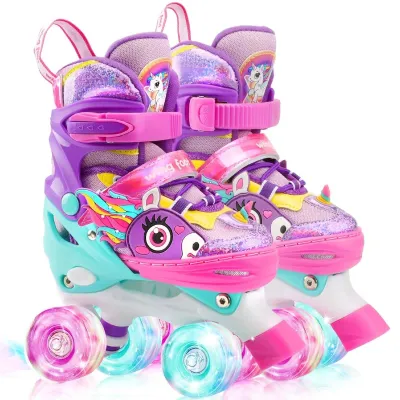
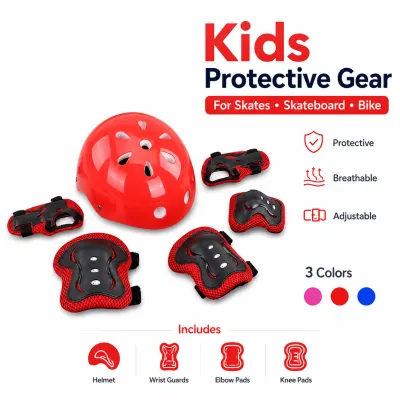
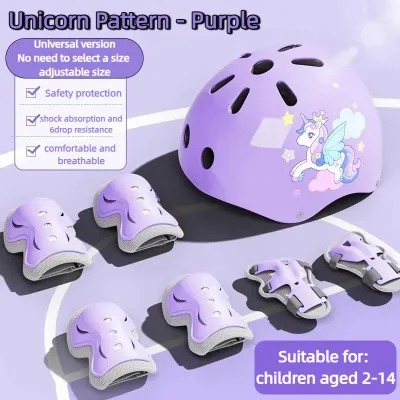
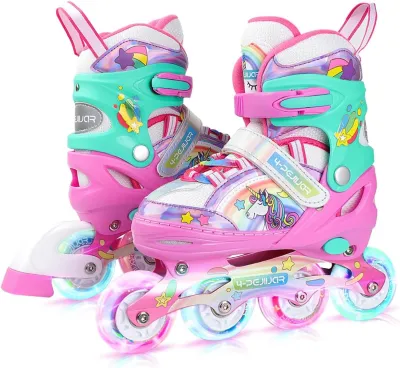
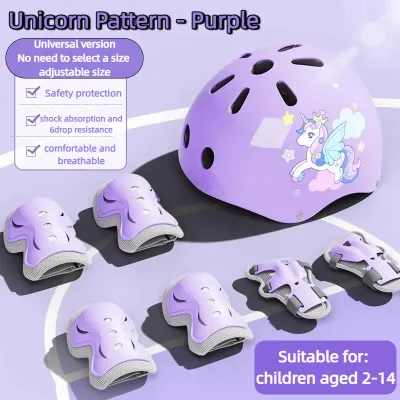
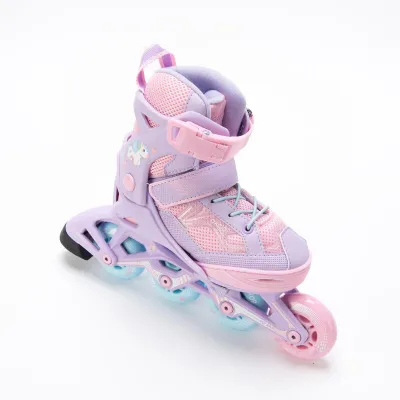
Prices are valid at publication and may change. Please refer to the product page for the latest price.
Hard shell boots, constructed from molded plastic or high-grade composite materials, are the standard for children who are just starting out. The rigid exterior of a hard shell boot acts as an external skeleton, locking the ankle in a neutral, upright position and preventing painful lateral twisting. In contrast, soft boots, which resemble structured sneakers, offer more flexibility and lightweight comfort but do not provide the same level of structural bracing. For a child who has never skated before, the lack of lateral support in a soft boot can lead to rapid muscle fatigue, frustration, and an increased risk of ankle sprains.
The tropical climate of the Philippines introduces another critical variable: heat and humidity. When a child skates outdoors under the sun, their feet will sweat rapidly. If the boot is made of cheap, non-breathable synthetic leather or solid plastic without ventilation, moisture becomes trapped inside. This creates a hot, damp environment that softens the skin, making it highly susceptible to painful friction blisters and fungal infections.
To prevent this, look for unicorn skates that feature integrated ventilation ports in the hard shell and a liner made from breathable, moisture-wicking mesh fabrics. A high-quality inner liner should also be removable, allowing parents to wash and air-dry it thoroughly after a sweaty afternoon session to maintain proper hygiene.
Before purchasing any pair of unicorn-themed skates, parents should perform a physical inspection of the boot’s interior and exterior. First, execute the rigidity check: grip the upper ankle cuff of the skate and try to squeeze it side-to-side. If the plastic cuff collapses easily under your hand pressure, it will not provide sufficient support for your child’s body weight on the pavement.
Next, run your hand inside the boot to evaluate the ankle padding. The liner should feature dense, contoured foam padding that wraps around the ankle bones and the Achilles tendon, cushioning these sensitive areas from the hard plastic shell. Finally, inspect the heel pocket; a well-designed skate will have a deep, defined heel cup that locks the child’s heel in place, preventing it from lifting or sliding forward when they push off.
Choosing the Right Wheels and Brakes for Safe First Steps
The wheels are the only point of contact between your child and the ground, making them a primary safety feature. Many low-cost, toy-grade unicorn skates sold on online marketplaces utilize cheap, injection-molded plastic (PVC) wheels. Plastic wheels are highly dangerous for beginners because they offer virtually no traction; they slide unpredictably on smooth surfaces like tiled carports or polished concrete, yet they lock up and transmit harsh, jarring vibrations when rolling over outdoor asphalt or brick pathways.

To ensure a safe ride, always choose skates equipped with polyurethane (PU) wheels. Polyurethane is an elastomeric material that naturally grips the ground, absorbs road vibrations, and provides a predictable, smooth glide. This material allows the skater to maintain control even when rolling over small cracks or textured outdoor surfaces.
When evaluating PU wheels, pay close attention to their size and hardness, which is measured on a scale known as durometer. For young beginners, smaller wheels—typically ranging from 54mm to 58mm for quad skates, or 64mm to 70mm for inline skates—are highly recommended. Smaller wheels keep the child’s feet closer to the ground, which lowers their center of gravity and makes it significantly easier to maintain balance.
In terms of hardness, look for a soft to medium durometer rating, such as 78A to 82A. Soft wheels act like miniature shock absorbers, compressing slightly over small pebbles, cracks, and rough outdoor pavement. This prevents the skate from stopping abruptly and throwing the child forward.
Equally important is the braking system, which must be intuitive and highly responsive. For quad skates, the standard braking mechanism is a front toe stop. For inline skates, it is typically a rear heel brake. A rear heel brake is generally considered the most intuitive stopping method for a beginner inline skater, as the child simply needs to slide their braking foot forward and lift their toes to press the rubber pad against the ground.
Regardless of the skate style, parents must verify that the brake pad or toe stop is made of a high-friction rubber or polyurethane compound. Avoid skates with hard plastic brakes, as they will slide across the pavement instead of creating the friction needed to bring your child to a safe, controlled stop.
Ensuring a Secure Fit with Adjustable Sizing and Closures
Because children’s feet grow rapidly, purchasing a fixed-size roller skate often means the gear will become obsolete within a single school year. To solve this problem, look for skates featuring an expandable shell mechanism. A reliable push-button adjustable sizing system allows the front toe cap of the boot to slide forward along a reinforced track, expanding the skate across three to four full shoe sizes.
When shopping, inspect the adjustment mechanism to ensure the track is made of durable, high-impact composite or metal, and verify that the locking pin snaps securely into place without any play or wiggle room. This adjustability ensures that you can fine-tune the fit as your child grows, extending the lifespan of the skates while maintaining a safe, snug fit.
A secure fit is further achieved through a multi-layered closure system. The most reliable beginner skates utilize a three-point closure system that secures different zones of the foot and ankle:
- Laces: Traditional laces run along the instep, allowing parents to customize the tightness across the top of the foot, accommodating high arches or wider feet.
- Velcro Power Strap: Positioned at a 45-degree angle across the ankle joint, this strap pulls the heel firmly backward into the rear pocket of the boot, eliminating heel slippage.
- Micro-Adjustable Top Buckle: Located at the very top of the ankle cuff, this plastic or metal buckle locks the ankle securely into the rigid outer shell, providing the lateral stability needed to prevent ankle rolling.
To verify that the skates fit your child correctly, always perform a quick fit-check before they head out to practice. Slide your child’s foot into the boot while they are wearing their skating socks. Before tightening any straps, have them push their toes all the way to the front of the skate; you should be able to snugly slip your pinky finger down behind their heel.
Once all three closures are fully tightened, have your child stand up and bend their knees slightly. In this active skating stance, their toes should pull back slightly from the very front of the boot, and their heel must remain firmly locked at the bottom of the skate without lifting when they attempt to take a step.
Recommended Unicorn Skate Configurations for Beginners
To help parents navigate the wide variety of options available, it is helpful to look at skates through specific functional configurations. Rather than focusing on a single brand, parents should seek out the combination of features that best matches their child’s age, skill level, and primary skating environment.
Maximum Stability for First-Time Skaters
For toddlers and very young children who have never stood on wheels before, the primary goal is building confidence through physical stability. The ideal configuration for this group is a hard shell quad skate. This setup features a highly rigid, high-cut ankle cuff that provides maximum lateral support, preventing the ankles from bending inward.
Look for a wide, stable wheel base equipped with small, soft polyurethane wheels (54mm to 58mm) to keep the child low to the ground and reduce the risk of tipping. A wide, non-slip front toe stop made of soft rubber is essential, as it allows the child to walk on their toes to regain balance if they begin to fall backward, helping them transition smoothly from walking to rolling.
Adjustable Growth for Long-Term Use
For parents looking to make a smart, long-term investment that will survive multiple growth spurts and rough outdoor play, the focus should be on durability and adaptability. Look for a skate configuration that features a robust, push-button expandable chassis covering at least four sizes (for example, expanding from size 12J to 2).
The skate should be equipped with a heavily reinforced toe cap made of thick, molded plastic to protect both the child’s toes and the boot fabric when they inevitably drag their feet on rough asphalt. Additionally, ensure the configuration uses standard, easily replaceable front toe stops or rear heel brakes, allowing you to swap out worn parts rather than replacing the entire pair of skates.
Lightweight Options for Indoor Rinks
If your child will primarily be skating on smooth, indoor surfaces—such as polished wooden gym floors, smooth indoor rink concrete, or tiled indoor play areas—the heavy-duty exterior bracing of a hard shell can be slightly relaxed in favor of agility. For this environment, a lightweight soft boot configuration with reinforced internal ankle padding is highly suitable.
This setup should be paired with slightly harder polyurethane wheels (such as 82A to 85A) to allow a smoother, faster glide across polished surfaces without excessive grip slowing them down. A frame constructed from lightweight aluminum or high-grade nylon composite keeps the overall weight of the skate low, preventing leg fatigue and allowing the child to practice their turns and maneuvers for longer periods.
Essential Safety Gear to Pair with Unicorn Skates
No matter how high-quality or stable your child’s unicorn roller skates are, falls are an inevitable and necessary part of the learning process. Therefore, roller skates should never be purchased or used without a complete, high-quality set of protective gear. A non-negotiable safety kit consists of a properly fitted multi-impact helmet, knee pads, elbow pads, and wrist guards. Buying a matching unicorn-themed protective set can encourage your child to wear their gear, but parents must prioritize safety certifications over matching patterns.
Among the protective pads, wrist guards are arguably the most critical for a beginner skater. When a child loses their balance, their natural, split-second survival instinct is to reach out with open hands to break their fall. Without protection, this impact on hard concrete can result in severe skin abrasions, painful wrist sprains, or even fractures.
High-quality wrist guards feature a rigid, contoured plastic splint on the palm side. When the child falls forward, this splint absorbs the initial force of the impact and allows their hands to slide forward safely along the ground, dispersing the energy of the fall rather than forcing the wrist joint to absorb the entire shock.
Before purchasing any helmet or pad set, parents must check for recognized safety certification labels to ensure the gear has undergone rigorous impact testing. For helmets, look for labels indicating compliance with international safety standards such as CPSC (Consumer Product Safety Commission) or EN 1078. For protective pads, look for CE markings or compliance with standards like EN 14120. These certifications provide peace of mind that the foam and plastic shells are engineered to absorb high-impact forces, protecting your child’s head and joints from serious injury during their skating adventures.
Frequently Asked Questions (FAQ)
Can my child use regular cotton socks when wearing roller skates?
No, regular cotton socks are highly discouraged for roller skating. Cotton is a highly absorbent fiber that traps moisture and sweat against the skin, which quickly leads to increased friction, skin softening, and painful blisters inside a snug skate boot. This is especially true in the hot, humid climate of the Philippines. Instead, have your child wear thick, moisture-wicking athletic socks or dedicated skate socks made from synthetic blends like polyester, nylon, or coolmax. These materials actively pull sweat away from the skin and provide targeted padding in high-friction zones like the heel and ankle.
How often should I check the wheels and brakes for wear and tear?
You should perform a quick visual inspection of your child’s skates before every single skating session, along with a more detailed maintenance check every few weeks. Look closely at the wheels to check for flat spots, uneven wear patterns, or loose axle bolts that could cause a wheel to wobble. Inspect the thickness of the brake pad or toe stop; if it has worn down to the manufacturer’s wear indicator line, or if it is heavily shaved down on one side, it must be replaced immediately. Regularly rotating the wheels from front to back and inside to out will also help them wear evenly and last much longer.
What should I do if the adjustable sizing mechanism gets stuck?
If the push-button sizing mechanism becomes difficult to slide or feels completely stuck, do not attempt to force it, as this can crack the plastic track or damage the internal locking pin. First, turn the skate over and inspect the sliding track for trapped dirt, sand, or small pebbles, which are common when skating outdoors on barangay roads or park paths. Clean out any debris using a stiff brush or a can of compressed air. Avoid applying heavy household lubricants like WD-40, which can degrade the plastic components and attract more dirt over time. If the mechanism remains jammed after cleaning, consult the manufacturer’s user manual or contact an authorized dealer for professional assistance.
Community discussion
Share your experience or ask a question. Comments are reviewed before publication.