
Selecting the right scuba diving fins depends heavily on how you enter the water. Shore diving demands robust foot protection, traction for navigating slippery rocks, and manageable blade lengths that prevent tripping during entry. Conversely, boat diving prioritizes hydrodynamic efficiency, quick donning in tight spaces, and the ability to handle open-water currents. Understanding these distinct physical demands allows you to choose gear that maximizes safety and comfort.
Understanding the Core Differences in Dive Entry Methods
Shore entries require you to walk fully geared, carrying the weight of your cylinder and lead weights across unpredictable terrain. You may encounter sharp volcanic rocks, shifting sand, or slippery coral rubble before reaching swimmable depths. Additionally, you must maintain your balance while waves push against your legs, making stable footing and ankle support critical.
Boat diving presents a completely different set of physical challenges. Space on a dive boat or a traditional outrigger boat is often highly confined, requiring you to gear up while seated or standing on a moving deck. Once ready, you enter the water directly via a giant stride or backroll, immediately transitioning into deep water. This eliminates the need to walk on rough terrain but requires instant propulsion to clear the vessel and manage open-water currents.
Products mentioned in this guide
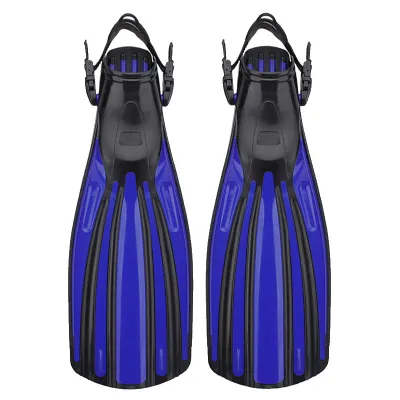
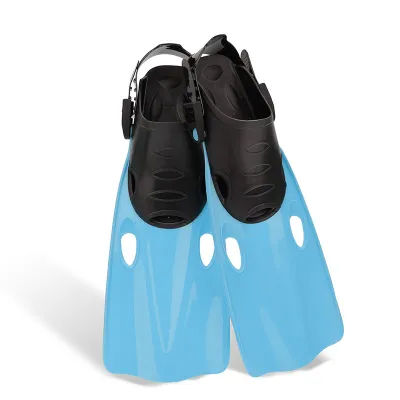

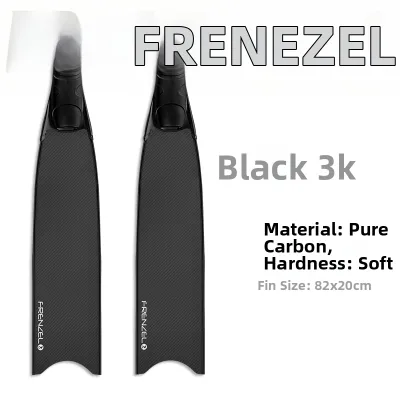
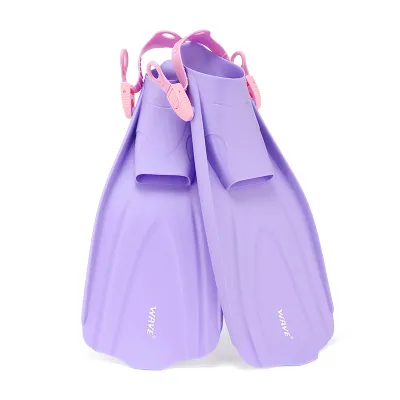
Prices are valid at publication and may change. Please refer to the product page for the latest price.
These contrasting scenarios dictate whether you should prioritize foot protection and traction or pure hydrodynamic efficiency. A fin that excels in the calm, deep waters off a dive boat may prove hazardous or difficult to manage when scrambling over wet rocks during a shore entry.
Choosing Scuba Diving Fins for Shore Diving
Shore diving requires equipment that supports your body weight and gear load before you even submerge. Your choice of fins must accommodate footwear that protects your feet from sharp marine life, hot sand, and jagged rocks. The transition from walking to swimming must be seamless, meaning your fins should not hinder your movement in shallow, turbulent water.

Full-Foot vs. Open-Heel with Dive Boots
Full-foot fins feature a soft, enclosed pocket designed to be worn barefoot or with thin neoprene socks. These are highly efficient and lightweight, making them excellent for calm, sandy beach entries where walking hazards are minimal. However, if your shore entry involves rocky paths, sea urchins, or sharp coral rubble, full-foot fins leave your soles vulnerable to painful injuries.
For challenging shorelines, open-heel fins paired with thick, hard-soled dive boots are essential. The boots provide the necessary traction and protection during the walk, while the open-heel pocket accommodates the bulkier boot shape. When selecting this combination, verify that the boot fits snugly inside the pocket without pinching your toes or leaving excessive side-to-side wiggle room, which can cause painful blisters.
Blade Length and Stiffness for Surface Swimming
Long, stiff blades can be a liability during a shore entry. If you must walk backward or shuffle sideways through shallow water, excessively long blades are prone to catching on submerged rocks, potentially causing you to lose your balance under the weight of your scuba unit. For shore diving, moderate blade lengths are generally more manageable and allow you to navigate the surf zone with greater agility.
Once you are swimming, a moderate blade with balanced stiffness provides the necessary power to push through surface currents without causing premature leg fatigue. When shopping, check the manufacturer’s specifications for flexible channels, pivot points, or hinge designs that allow the blade to bend easily, reducing the physical effort required during long surface swims back to shore.
Choosing Scuba Diving Fins for Boat Diving
Boat diving shifts the focus entirely to underwater performance and deck logistics. Because you do not need to walk across rough terrain, you can prioritize hydrodynamic efficiency, maximum thrust, and ease of handling on a crowded vessel.
Open-Heel Fins and Strap Systems
Open-heel fins are the standard choice for boat diving due to their versatility and ease of use. Gearing up on a rocking boat deck requires equipment that can be put on and taken off rapidly. Standard rubber straps with plastic buckles can be difficult to adjust with wet hands or thick gloves, especially when the boat is moving.
Upgrading to bungee or spring straps allows you to slip the fins over your boots in a single, swift motion, minimizing the time spent balancing on one foot. Before stepping to the entry platform, always perform a physical check: ensure the strap is positioned securely above the heel of your boot and that there is sufficient tension to prevent the fin from slipping off during a giant stride entry.
Blade Design for Currents and Deep Water
Boat dives often take place in deeper water where currents can be stronger and more unpredictable. Your blade design must match your physical conditioning and the expected dive conditions. Traditional paddle blades offer direct, powerful thrust, which is highly effective for swimming against currents, but they require significant leg strength to avoid cramping.
Channel fins guide water along the blade to maximize propulsion with less effort, while split fins use a propeller-like action that reduces drag and muscle strain during long, relaxed drifts. However, split fins may lack the instant power needed to fight sudden, strong currents. Additionally, consider the weight and buoyancy of the fins; heavier, negatively buoyant fins can help keep your feet down, but they may add unwanted weight to your travel gear when flying to tropical destinations.
Cross-Scenario Compatibility: Can One Pair Do Both?
Many divers prefer a single, versatile setup to save money and reduce luggage weight. A highly effective hybrid configuration consists of open-heel fins with medium-stiffness blades, paired with moderate-sole dive boots. This setup provides enough sole protection for most shore entries while remaining light and streamlined enough for boat diving.
However, compromises are inevitable. If you use heavy, hard-soled boots on a boat dive, you may experience slightly more drag and bulk than necessary. Conversely, using lightweight, thin-soled boots on a rocky shore entry can lead to sore feet or slips on wet rocks. If you dive frequently in diverse environments, investing in two specialized pairs—or at least two different sets of footwear—may be justified.
For budget-conscious divers in the Philippines, a versatile hybrid setup costing around ₱4,000 to ₱8,000 is often the most practical starting point. Always test any new hybrid configuration in a controlled environment, such as a local swimming pool or a calm, shallow bay, to verify comfort and trim before committing to a deep boat dive or a challenging shore entry.
Fitting and Pre-Dive Checks for Your Chosen Fins
Proper fit is critical to safety and comfort. When trying on fins, always wear the exact boots or socks you plan to use during your dives. Slide your foot into the pocket; it should feel secure without squeezing your toes or causing pressure points on the top of your foot.
For open-heel fins, the strap should sit firmly on the heel bone without pulling too tightly or slipping down. Shake your foot gently to check for excessive movement; any sliding inside the pocket will likely lead to blisters or muscle cramps underwater. If you experience persistent foot cramping, toe numbness, or skin irritation during your initial shallow-water tests, treat this as a stop condition. Do not attempt a deep or challenging dive with ill-fitting fins; instead, return or exchange them for a different size or pocket style to ensure your safety in the water.
Frequently Asked Questions (FAQ)
Do I need different fins for snorkeling and scuba diving?
Snorkeling fins are typically shorter, lighter, and more flexible, designed for casual surface swimming without the burden of heavy scuba gear. Scuba diving fins require stiffer, longer blades to generate enough thrust to move a diver carrying a heavy cylinder, regulator, and buoyancy compensator. While you can use scuba fins for snorkeling, they may feel excessively heavy and tiring. Conversely, using soft snorkeling fins for scuba diving is not recommended, as they often lack the power needed to overcome currents or manage the added drag of scuba equipment.
Are split fins better for shore or boat diving?
Split fins are generally better suited for boat diving in calm to moderate conditions. Their design relies on a high-frequency, low-amplitude flutter kick, which reduces leg fatigue and is highly efficient for long, relaxed swims in open water. However, they are less effective for shore diving. Navigating shallow surf, walking backward, or performing precise maneuvers around rocks and coral rubble often requires frog kicks, helicopter turns, or reverse kicks. Split fins do not perform as well with these specialized kicks, making traditional paddle or channel fins a more reliable choice for challenging shore entries.
Community discussion
Share your experience or ask a question. Comments are reviewed before publication.