
The ideal shin guards for soccer depend heavily on your specific position, playing style, and the physical intensity of your matches. While a forward relies on explosive speed and minimal weight to bypass defenders, a center-back requires robust, shock-absorbing armor to withstand heavy, bone-rattling tackles. Remember that while high-quality shin guards significantly reduce the severity of lower-leg impacts, they cannot completely eliminate the risk of fractures or ligament injuries. Proper tackling technique, spatial awareness, and adhering to fair-play rules remain your primary lines of defense on the pitch.
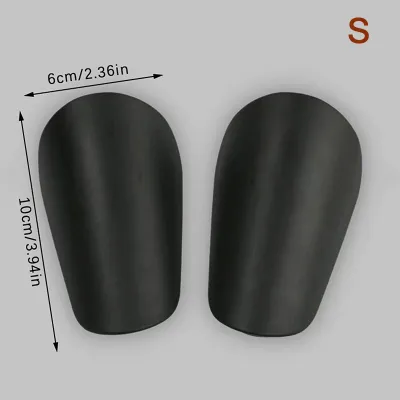
Modern soccer shin guards generally fall into three primary categories: slip-in guards, ankle guards, and shin socks with built-in protective pads. Slip-in guards consist of a standalone protective plate that slides directly into a compression sleeve or under the soccer sock. Ankle guards feature a similar protective plate but include attached padded cups that cover the inner and outer ankle bones, often secured by an elastic stirrup under the foot. Shin socks integrate the protective plate directly into the fabric of the sock itself, offering a convenient, all-in-one solution that is highly popular for recreational play and youth training.
The level of protection and overall weight of these guards are determined by their material composition, shell thickness, and backing foam. Entry-level models typically utilize high-density plastic shells backed by basic ethylene-vinyl acetate (EVA) foam, offering affordable protection suitable for casual games. Premium models often incorporate advanced materials like carbon fiber, fiberglass, or K-resin, which provide superior impact dispersion at a fraction of the weight. Ultimately, your position on the field dictates your exposure to physical duels, which serves as the primary guide for choosing the correct protection tier.
Products mentioned in this guide
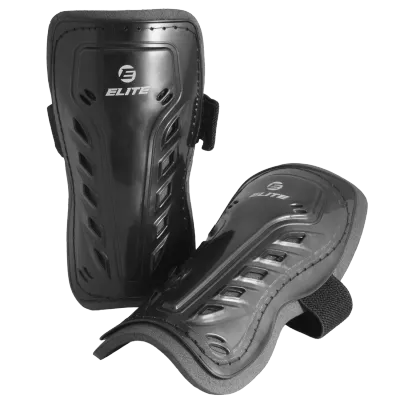
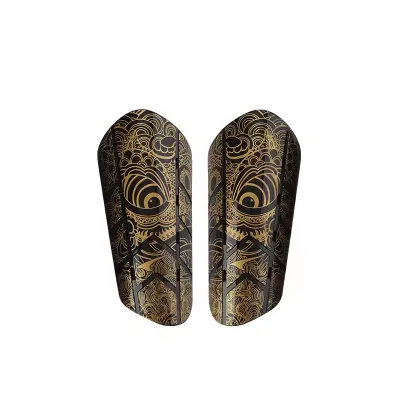
![[LIXIAOJU] 1 Pair Football Shin Pads Plastic Soccer Guards Leg Protector For Kids Adult Protective Gear Breathable Shin Guard](https://img.lazcdn.com/g/p/58f6a82f2820c7196a9ba3aa3721f967.jpg_400x400q80.jpg_.webp)
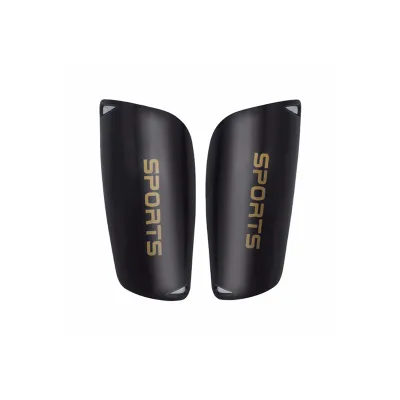
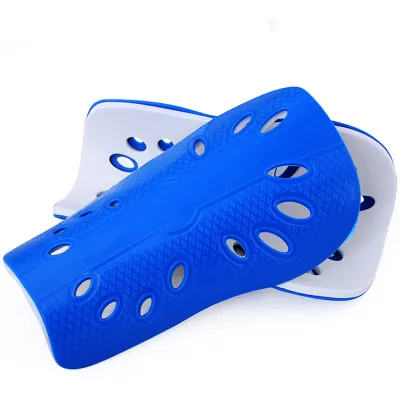
![[COD]2 pcs Soccer Shin Guards Pads For Adult Soccer Football Shin Guards Socks Pads Professional Leg Supports Protector Pads Soccer Shin Pad Protective Pad for Football Games Leg Sleeves Pads On Sale](https://img.lazcdn.com/g/p/67cacf2199514283a72004a5ad360105.jpg_400x400q80.jpg_.webp)
Prices are valid at publication and may change. Please refer to the product page for the latest price.
Shin Guard Types: Selecting the Best Shin Guards for Soccer
To make an informed purchase, verify that your guards meet the required league safety standards, such as NOCSAE or CE certification, before playing. The choice between slip-in and ankle styles involves a direct trade-off between mobility and comprehensive safety. Slip-in guards offer unparalleled freedom of movement and a lightweight feel, making them the preferred choice for competitive players who have developed advanced spatial awareness and tackling techniques. However, they require external sleeves or tape to stay in place and offer zero protection for the ankles.
Ankle guards, on the other hand, provide a highly secure fit because the under-foot stirrup and ankle padding keep the protective plate locked in position. This style is highly recommended for younger players, beginners, or anyone recovering from an ankle injury, as it shields the vulnerable joint from stray kicks and late challenges. The downside is added bulk and a slight restriction in ankle flexibility, which can affect quick lateral movements and clean ball contact. Understanding these fundamental design differences allows you to match the guard’s strengths to the specific physical demands of your position.
High-Impact Positions: Shin Guards for Defenders and Goalkeepers
Defenders: Prioritizing Impact Resistance and Durability
Defenders, including center-backs and full-backs, operate in the high-stress zones of the pitch where physical contact is a constant reality. Whether you are sliding to block a powerful shot, contesting a 50-50 ball, or enduring physical challenges from aggressive strikers, your lower legs are continuously exposed to stray studs and heavy impacts. For these roles, choosing a shin guard that prioritizes maximum coverage and superior impact resistance is essential for staying injury-free.

When shopping for defensive shin guards, look for models featuring thicker outer shells made of carbon fiber or heavy-duty polymers that cover a larger surface area of the shin bone. These materials excel at dispersing the localized force of a direct kick across the entire guard, minimizing the risk of contusions or bone trauma. Additionally, integrated ankle protectors are highly recommended for defenders. These padded attachments shield the vulnerable lateral and medial malleolus (ankle bones) from low-sweeping tackles and painful stud clips during close-quarters defensive duels.
Goalkeepers: Maximizing Coverage for Dives and Blocks
Goalkeepers face a unique set of physical hazards that differ significantly from outfield players. During a match, a goalkeeper must routinely dive at the feet of oncoming attackers, smother loose balls in crowded penalty boxes, and block close-range shots with any part of their body. These actions leave the lower legs highly vulnerable to accidental kicks, collisions with goalposts, and impact with hard ground surfaces.
To counter these risks, goalkeepers should prioritize shin guards that offer comprehensive surface area coverage and robust ankle shields. Because goalkeepers do not run long distances or engage in continuous high-speed sprinting, they do not need to sacrifice protection in favor of saving a few grams of weight. Instead, look for structurally rigid guards with thick, shock-absorbing EVA foam backing that extends high up the shin and wraps around the sides of the leg. This extra bulk provides a reassuring barrier when throwing yourself into high-velocity collisions.
The Engine Room: Balancing Protection and Stamina for Midfielders
Midfielders are the tireless engines of any soccer team, constantly covering vast distances, pivoting to change the direction of play, and transitioning between defensive duties and attacking runs. Because their role requires both continuous running and frequent physical contact in crowded central areas, midfielders cannot afford to wear heavy, restrictive guards that cause premature leg fatigue over a 90-minute match. Conversely, they cannot opt for ultra-minimalist guards that leave them exposed during aggressive midfield tackles.
The ideal solution for midfielders is a mid-weight slip-in guard or a low-profile ankle guard that offers a balanced compromise. These guards provide reliable protection for the front of the shin bone while maintaining a lightweight, ergonomic shape that contours naturally to the leg. This anatomical design ensures that the guard moves in harmony with your muscles during rapid changes of direction, preventing the awkward shifting or rubbing that can lead to painful skin chafing.
When playing in hot and humid tropical climates, such as afternoon matches in the Philippines, heat management becomes a critical factor for midfielders. Look for shin guards featuring perforated outer shells and breathable, moisture-wicking backing foams. These ventilation channels allow hot air and sweat to escape, preventing moisture buildup under the guard that can make your socks feel heavy and lead to skin irritation.
Speed and Agility: Lightweight Shin Guards for Forwards and Wingers
Forwards and wingers rely on explosive acceleration, rapid changes of pace, and intricate footwork to beat defenders and create scoring opportunities. In these high-speed attacking roles, any excess weight or bulk on the lower legs can hinder your agility and disrupt your natural feel for the ball. Consequently, attacking players overwhelmingly prefer ultra-lightweight, minimalist slip-in shin guards that practically disappear under their socks.
These minimalist guards are designed to cover only the most critical areas of the shin bone, sacrificing extended coverage and ankle protection in exchange for maximum freedom of movement. By reducing the overall bulk around the lower leg, attackers can maintain a clean, unobstructed connection with the ball, which is vital for precise dribbling and quick shooting. Premium carbon-fiber slip-ins are highly popular in this category, as they offer the necessary impact resistance to satisfy official safety standards while weighing only a few ounces.
To prevent these small, lightweight guards from shifting or sliding down during intense sprints, select models with a highly contoured, anatomical fit that mirrors the natural curve of your shin. A poorly fitting guard will constantly move out of place, forcing you to adjust it mid-game and distracting you from the play. Pairing these guards with high-quality compression sleeves or specialized grip socks is the most effective way to lock them securely against your skin.
Versatile Options for Multi-Role and Rotating Players
Many amateur and utility players do not stick to a single position, often rotating between defensive, midfield, and attacking roles depending on the team’s tactical needs or player availability. If you find yourself playing as a full-back in one match and a winger in the next, choosing between a heavy, protective defender’s guard and a feather-light attacker’s guard can be a difficult decision.
For these versatile players, a highly adaptable shin guard system is the most practical investment. Look for mid-tier, anatomically molded slip-in guards that feature detachable ankle supports. This modular design allows you to customize your level of protection on a game-by-game basis. When deployed in a defensive role where physical duels are guaranteed, you can attach the ankle guards for maximum security; when shifted to a wide attacking position, you can remove the ankle sleeves to maximize your speed and agility.
When deciding which configuration to use before a match, evaluate both your assigned tactical role and the playing style of your opponents. If you are facing a highly physical team on a wet, muddy field where slide tackles are common, prioritizing the added safety of ankle protection is wise. If you are playing on a fast, dry artificial turf pitch where quick movement is key, stripping down to the lightweight slip-in setup will serve you better.
Sizing, Secure Fit, and Care in Humid Climates
No matter which style of shin guard you select, securing the correct fit is paramount for both safety and comfort. To find your correct size, measure your shin from approximately two inches below your knee cap down to just above the bend of your ankle. The guard should cover roughly 50% to 60% of this length; a guard that is too long will restrict your knee movement or dig into your ankle, while one that is too short will leave a dangerous portion of your shin exposed to impact.
Once you have the correct size, you must choose a reliable method to keep the guards from moving during play. Traditional elastic straps can sometimes pinch the calf muscle or restrict blood flow, leading to cramping during long matches. Modern alternatives include compression guard sleeves, specialized grip socks with built-in pockets, and cohesive athletic tape wrapped tightly around the outside of the sock just below the guard. For slip-in models, a high-quality compression sleeve is generally the most comfortable and secure option.
In the hot and humid climate of the Philippines, proper gear maintenance is essential to prevent hygiene issues and extend the lifespan of your equipment. Sweat and moisture trapped inside your sports bag create a perfect breeding ground for bacteria and mold, leading to persistent foul odors and the rapid degradation of foam backings. After every match, remove your shin guards from your bag immediately. Wipe down the hard outer shells with a damp cloth and hand-wash any fabric sleeves or foam linings using mild soap and cool water. Always air-dry your gear completely in a shaded, well-ventilated area, avoiding direct, intense tropical sunlight, which can warp plastic shells and cause foam backings to crack and crumble.
Frequently Asked Questions (FAQ)
Do professional soccer players wear ankle shin guards?
Most professional soccer players choose to wear ultra-lightweight, minimalist slip-in shin guards without ankle protection. At the elite level, players prioritize maximum speed, agility, and a precise feel for the ball, and they rely on their advanced physical conditioning, professional tackling techniques, and strict refereeing to minimize serious injury risks. However, for youth, amateur, and recreational players, sports medicine professionals strongly recommend using shin guards with integrated ankle protection to safeguard against erratic tackles and accidental collisions.
How tight should soccer shin guards be under the sock?
Your soccer shin guards should fit snugly against your skin or compression sleeve without sliding or shifting during sudden movements. However, they must not be so tight that they pinch your skin, restrict blood circulation, or limit the natural expansion of your calf muscles when sprinting. If you experience numbness, tingling, or muscle cramping during play, your guard straps or athletic tape are wrapped too tightly and should be adjusted immediately to prevent performance issues or muscle strain.
Community discussion
Share your experience or ask a question. Comments are reviewed before publication.