
Selecting the right swim fins requires balancing your physical conditioning with your specific training objectives. Whether you are swimming in a local community pool or training for an open-water event in the tropical waters of the Philippines, the right pair of Speedo fins can enhance your technique, build lower-body strength, and improve your cardiovascular fitness. However, choosing a pair that is too stiff or too long for your current skill level can lead to joint strain and poor stroke mechanics. To make the correct choice, you must evaluate blade length, material flexibility, and foot pocket design against your personal swimming goals and experience level.
Equipment cannot replace proper training or swimming judgment, but selecting the correct gear ensures your pool sessions are both safe and productive. By understanding how different design elements affect your body position and kick tempo, you can narrow down the options to find the ideal training tool for your routine.
Align Fin Types With Your Specific Swimming Goals
To choose the right fins, you must first define what you want to achieve during your pool sessions. Different fin profiles are engineered to target specific aspects of your swimming, meaning a pair that excels at building raw power might actually hinder your efforts to improve your stroke technique.
Products mentioned in this guide
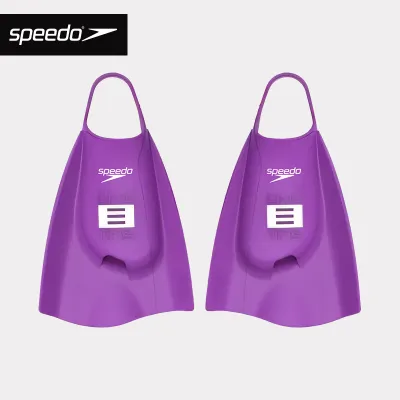
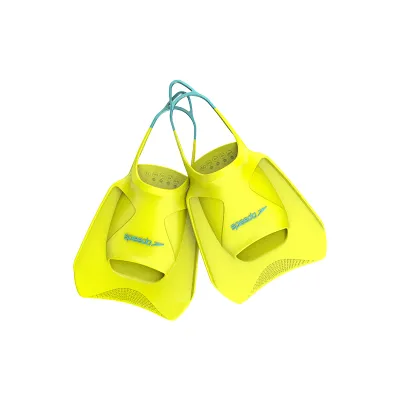
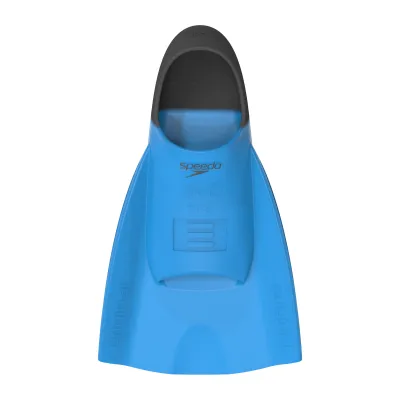
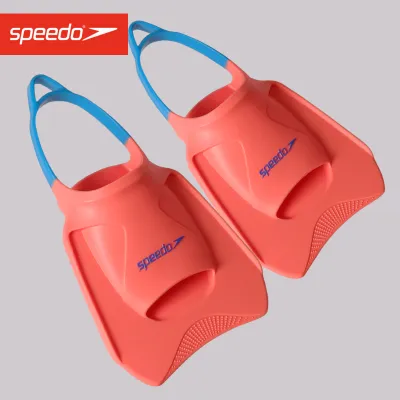
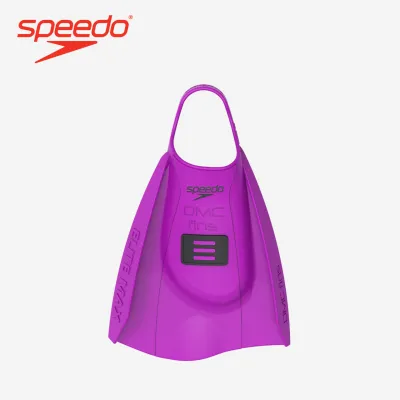
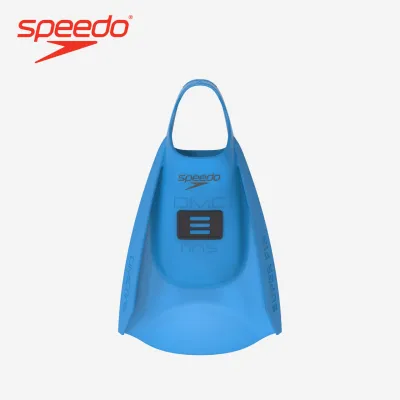
Prices are valid at publication and may change. Please refer to the product page for the latest price.
Technique-focused training requires fins that allow you to maintain a natural kick tempo. Shorter, more flexible blades are ideal for this purpose because they mimic the natural cadence of an unfinned kick. This high-tempo movement helps you focus on body rotation, core engagement, and hand-entry timing without being artificially propelled by massive blades. If your goal is to refine your freestyle body roll or backstroke alignment, a short-blade design keeps your feet moving at a realistic pace while providing just enough lift to keep your hips high in the water.
Conversely, if your primary goal is to build lower-body power and cardiovascular endurance, you will want to look toward longer or stiffer blades. These designs catch more water with every kick, creating higher resistance that forces the large muscle groups in your thighs, glutes, and calves to work harder. This added resistance is excellent for anaerobic conditioning and leg strength, though it naturally slows down your kick tempo. Swimmers training for sprint events or looking to maximize their caloric burn often benefit from this increased resistance.
It is also important to distinguish between standard bifins and specialized training tools. Bifins, which consist of two separate fins worn on each foot, are the standard choice for daily training and are suitable for all strokes. Specialized monofins, which bind both feet together into a single broad blade, are designed specifically for dolphin kick development. Monofins require intense core engagement and are typically reserved for advanced swimmers looking to improve their underwater streamline and butterfly technique.
Fitness swimmers and competitive athletes also prioritize different hydrodynamic features. A fitness swimmer generally looks for comfort, steady aerobic conditioning, and ease of use, making soft silicone short blades the preferred choice. A competitive athlete, however, often requires advanced features like dual-density materials, engineered flex zones, and structural ribbing that can withstand high-velocity turns and simulate race-pace tempos under heavy load.
Match Blade Length and Stiffness to Your Experience Level
Your current conditioning and ankle flexibility should dictate the length and stiffness of your fins. Using gear that is too demanding for your current physical level can lead to rapid fatigue, technique breakdown, and joint strain.

Beginners should almost always start with shorter, softer blades. Pushing a long, stiff fin through the water requires significant ankle flexibility and lower-body strength. If a beginner attempts to use advanced, high-resistance fins, they often compensate for the heavy load by bending their knees excessively. This “bicycle kick” ruins body alignment, drags the hips downward, and places improper stress on the knee and ankle joints. A short, flexible silicone blade provides gentle resistance, allowing beginners to develop a whip-like kick that originates from the hips rather than the knees.
As you transition to an intermediate or advanced level, your ankle range of motion and leg strength will naturally improve. Advanced swimmers can safely transition to medium or long blades to focus on anaerobic threshold training and targeted leg strength. These longer blades allow you to push your cardiovascular limits during high-intensity sets, but they should only be introduced once you can maintain a consistent, hip-driven kick without relying on the fins to keep your body flat on the water.
Recognizing the physical signs of a mismatched fin is crucial for preventing injury. If you experience frequent cramping in your calves or the arches of your feet during a workout, the blade stiffness is likely too high for your current conditioning. Another clear indicator is a sluggish, labored kick tempo that forces your upper body to overcompensate. If you find yourself struggling to maintain a streamlined position or if your lower back begins to ache, it is time to scale back to a shorter, more flexible blade.
Evaluate Foot Pocket Design for Pool Comfort and Efficiency
An improperly fitting foot pocket can ruin an otherwise excellent pair of fins. Because water acts as a lubricant, any friction between your foot and the pocket will quickly turn into painful blisters, cutting your workout short.
Full-foot pockets are the most common design for pool training. They enclose the entire heel, offering a secure, glove-like fit that maximizes energy transfer from your leg to the blade. This design is highly efficient for structured swim sets and flip turns, as there are no straps to shift or loosen. Open-heel designs, which feature an adjustable strap around the back of the ankle, offer more sizing flexibility and are easier to put on, but they can sometimes slip during high-speed turns or intense kicking sets.
When evaluating foot pockets, look for integrated drainage holes at the toe and ergonomic side rails. In warm, humid tropical climates, pool water temperatures can rise, and sweat can accumulate inside the pocket. Drainage holes allow water and debris to escape freely, reducing drag and preventing water from pooling inside the fin. Side rails run along the edges of the foot pocket, channeling water down the length of the blade to prevent the fin from twisting or rolling on your foot during the downward phase of your kick.
To perform a practical dry fit-check, slide your foot into the pocket and stand up. Your toes should reach the end of the opening without being curled, pinched, or pressed uncomfortably against the edge. The heel pocket must grip your heel firmly; if you can easily slide a finger behind your heel while standing, the fins are too large and will likely slip off in the water. Ensure there is no painful pressure on your instep, as this can restrict blood flow and lead to painful muscle cramps during extended swim sets.
Build Your Conditional Shortlist Using Design Categories
To simplify your selection process, you can categorize Speedo fins into distinct design groups. Mapping these categories to your skill level and primary training goals will help you build a practical shortlist before you begin shopping.
| Fin Category | Target Skill Level | Primary Training Goal | Key Physical Characteristics |
|---|---|---|---|
| Short-Blade Training | Beginner to Advanced | Kick Tempo & Stroke Technique | Short blade, flexible silicone, high-tempo cadence |
| Long-Blade Performance | Intermediate to Advanced | Leg Strength & Endurance | Long blade, stiff rubber or plastic, high resistance |
| Specialized Stroke Fins | Advanced / Competitive | Butterfly & Core Conditioning | Monofin or angled blade, asymmetric design |
Short-blade training fins are highly versatile and serve as the daily workhorse for most swimmers. They excel at helping you maintain a natural stroke rhythm while providing a moderate cardiovascular workout. However, their physical limitation is that they do not offer the extreme propulsion of longer blades, making them less suitable for pure speed development or underwater breath-hold training.
Long-blade performance fins are designed for building raw power and endurance. They are highly effective for leg-focused sets, but their high resistance makes them unsuitable for long, continuous swim sets where maintaining a high stroke rate is important. Using them for entire workouts can quickly fatigue your muscles and lead to technique degradation.
Specialized stroke fins, including asymmetric designs and monofins, are engineered for specific competitive strokes. They require excellent core strength and established joint flexibility. If used without proper instruction or before you have built a solid foundation of swimming fitness, these specialized tools can cause lower back and shoulder strain.
Use this matrix to identify the category that aligns with your current needs. Once you have determined the correct category, you can check local retail listings or official distributor catalogs in the Philippines to verify sizing availability and current pricing in Philippine Pesos (₱) before making your purchase.
Pre-Purchase Verification and Basic Care Guidelines
Before finalizing your purchase, take the time to verify the product specifications and establish a proper maintenance routine to protect your investment.
Always check the manufacturer specifications on the product packaging or official website. Verify the material composition of the fins; silicone is generally softer, more UV-resistant, and gentler on the skin, making it ideal for sensitive feet. Natural or synthetic rubber offers higher stiffness and durability but can be more prone to cracking if exposed to harsh pool chemicals and tropical sunlight over time. Ensure the intended use case listed by the manufacturer matches your training environment.
Tropical heat and high humidity can accelerate the degradation of swim gear. To prevent your fins from warping or cracking, always rinse them thoroughly with fresh, cool water immediately after exiting the pool. This removes chlorine, salt, and chemical residues that eat away at the material. Dry your fins flat in a shaded, well-ventilated area. Never leave them in direct sunlight, on hot concrete, or inside a closed car trunk, as extreme heat can permanently warp the blades and dry out the foot pockets.
Inspect your fins regularly for signs of structural wear. If you notice deep cracks along the flex channels, tearing in the heel pocket, or splitting along the toe box, stop using them immediately. Damaged fins can fail unexpectedly during a hard kick, which can cause sudden muscle strains or joint hyperextension. If you detect manufacturing defects early, consult the retailer or manufacturer for warranty support before attempting any temporary repairs.
Frequently Asked Questions (FAQ)
Can beginners use long-blade fins for fitness swimming?
While long-blade fins offer satisfying speed, they are generally not recommended for beginners focusing on fitness. The high resistance of a long blade places significant stress on undeveloped ankle joints and calf muscles, which can quickly lead to cramping or tendonitis. Beginners should start with short, flexible blades to build cardiovascular endurance and proper hip-driven kick mechanics before progressing to longer, more resistant gear.
How tight should the foot pocket feel when trying on fins?
A proper swim fin should feel snug but not painful. When dry-fitting, the pocket should hold your foot securely without pinching your toes or squeezing your instep. Keep in mind that materials like silicone and rubber tend to soften slightly and slip on more easily once wet. If a fin feels excessively tight on land, it will likely restrict blood circulation and cause cramping during an extended pool session.
Community discussion
Share your experience or ask a question. Comments are reviewed before publication.