
Selecting the right pair of Speedo goggles depends on how often you swim, where you train, and your ultimate goals in the water. Beginners require maximum comfort and a wide field of vision to build confidence, while fitness swimmers need a durable, leak-free seal for long lap sessions. Competitive athletes prioritize low-profile, hydrodynamic designs that minimize drag, even if it means sacrificing some cushioning. By matching your current skill level and swimming environment to specific design features, you can find a pair that stays secure, clear, and comfortable throughout your swim.
Identify Your Swimming Level and Primary Goals
To find the ideal eyewear, first evaluate your swimming habits and goals. An occasional swimmer visiting a local resort or community pool has vastly different needs than someone training daily for a triathlon. If you are learning the basics or enjoying casual recreation, your main priority is a comfortable, distraction-free fit that allows you to focus on stroke mechanics.
For weekly fitness routines, the focus shifts toward durability and a reliable seal that withstands continuous workouts. You will want to balance long-term comfort with a secure fit that does not require constant adjustment between laps. If you are a competitive racer, hydrodynamic performance is the absolute priority, where a low-profile design is essential to reduce water resistance.
Products mentioned in this guide
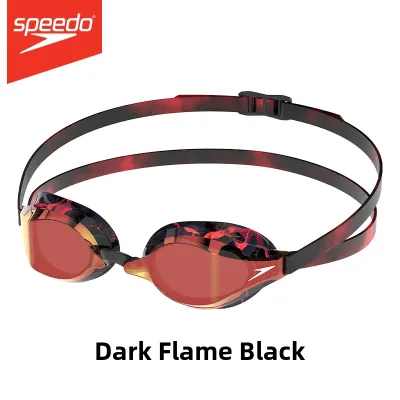
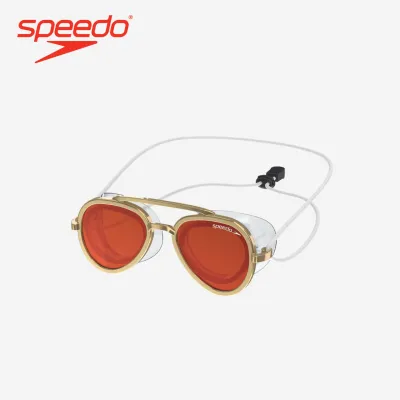
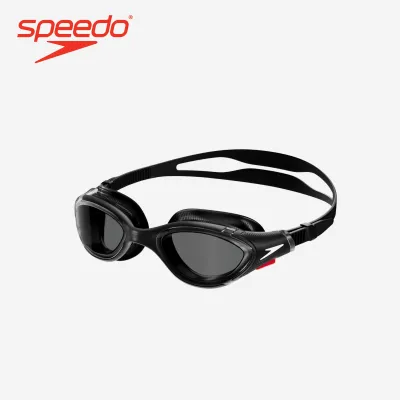
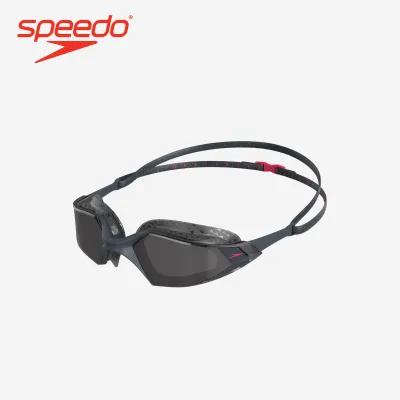
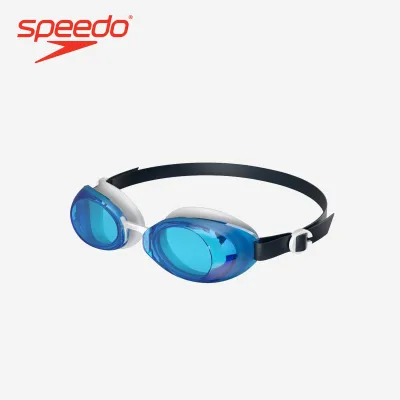
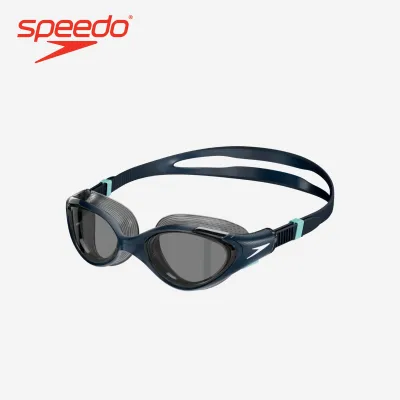
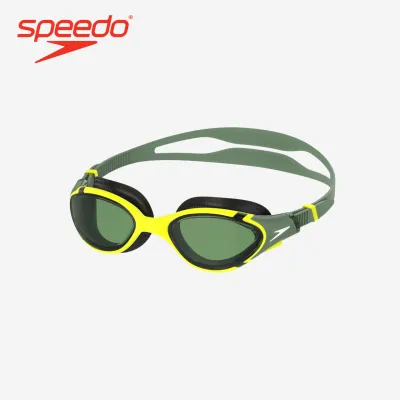
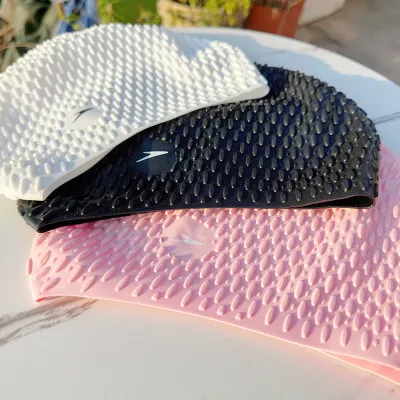
Prices are valid at publication and may change. Please refer to the product page for the latest price.
Your budget is another practical factor. In the Philippines, basic recreational goggles typically range from ₱500 to ₱1,000, offering reliable comfort. Mid-range fitness models generally cost between ₱1,000 and ₱2,500, providing enhanced durability and specialized lens coatings. High-end competitive goggles can exceed ₱2,500, reflecting advanced hydrodynamic engineering designed for racing.
Match Goggle Design Features to Your Skill Level
Understanding how goggle construction translates to performance helps you make an informed decision when looking at product packaging. The physical design—specifically gasket size, lens shape, and nose bridge type—directly impacts how a goggle feels on your face and behaves in the water. By learning what these features do, you can easily identify which models are engineered for your specific swimming style.

Always check the manufacturer’s product labels and technical specifications to verify the exact features of each model. Look closely at descriptions of gasket materials, lens coatings, and adjustment systems. This ensures you select a pair designed for your environment, whether swimming in a sunlit outdoor pool or a dimly lit indoor facility.
Beginners and Recreational Swimmers
If you are starting your swimming journey or enjoying casual dips to beat the tropical heat, comfort is your primary guide. Beginners often feel restricted by narrow eyewear, making wide-field lenses an excellent choice. These lenses offer an expanded peripheral view, helping you stay aware of your surroundings and feel more relaxed in the water.
Look for goggles featuring soft, plush silicone gaskets that distribute pressure evenly around your eye sockets. These thick, flexible seals conform easily to various facial shapes, providing a forgiving fit that prevents leaks without requiring a tight strap. An adjustable nose bridge is also highly beneficial, allowing you to customize the distance between lenses to match your facial structure.
Additionally, verify that the packaging indicates factory-applied anti-fog and UV protection. High humidity levels in tropical climates can cause lenses to mist up rapidly, making reliable anti-fog treatment essential. UV protection is equally crucial for protecting your eyes from intense sunlight during outdoor sessions.
Fitness and Regular Swimmers
For swimmers hitting the lanes multiple times a week, gear must balance comfort with durability. Medium-profile designs are the standard for fitness swimming, offering a streamlined shape that reduces drag while retaining enough cushioning for extended wear. These models provide a secure seal that stays in place during flip turns and rapid stroke transitions.
When selecting fitness goggles, look for durable polycarbonate lenses that resist scratching. The strap adjustment mechanism should be robust and easy to operate, allowing you to make quick, precise adjustments that lock securely. A reliable strap system ensures the goggles will not loosen mid-workout, saving you from frustrating interruptions.
Lens tint is another critical consideration. If you train in brightly lit indoor facilities or frequent outdoor pools under the bright sun, look for mirrored or dark-tinted lenses to reduce glare. For early morning or evening sessions in dimmer light, clear or light-colored lenses provide the best visibility.
Competitive and Advanced Swimmers
Advanced swimmers and competitive racers require specialized equipment designed to maximize speed and efficiency. At this level, every detail of the goggle is optimized to minimize water resistance. You should focus on low-profile, hydrodynamic designs that sit close to the face or fit directly inside the eye socket, such as traditional Swedish-style goggles.
These high-performance models feature minimal or no rubber gaskets, relying instead on a precise, hard-rimmed fit to create a seal. While this design offers less cushioning, it significantly reduces drag as you glide through the water. Fixed nose bridges and dual silicone straps ensure a tight, high-compression fit that remains absolutely stable during explosive dive starts and powerful turns.
If you plan to race in sanctioned swim meets, verify that the goggles carry specific competition-approval labels on the packaging, such as World Aquatics approval. This ensures your gear complies with official racing regulations. Reserving these specialized goggles for race days helps preserve their condition and prevents eye fatigue during casual warm-ups.
Verify Fit, Seal, and Comfort Before Purchase
No matter which level of goggles you choose, the ultimate test of performance is how well they fit your unique facial structure. A poor fit leads to constant leaks and discomfort, regardless of how advanced the technology is. Fortunately, you can perform a few simple physical checks in-store or at home to ensure a perfect match before you head to the pool.
The most reliable way to test the fit is the suction test. Gently press the goggle lenses against your eye sockets without putting the strap over your head. If the goggles are a good match for your face shape, they should create a temporary suction seal and cling to your skin for a few seconds on their own. If they fall off immediately, air is escaping, indicating that water will likely leak through those gaps when you swim.
Next, assess the pressure around your eye sockets and nose bridge. The gaskets should rest comfortably on your facial bones without pressing directly into your eyeballs or causing immediate pain. The nose bridge should span the bridge of your nose comfortably without pinching the skin or digging into the bone. Finally, test the strap adjustment system to ensure the buckles slide smoothly and lock tightly, preventing the strap from slipping under tension.
Essential Care and Maintenance for Your Goggles
Proper maintenance is key to extending the lifespan of your goggles and keeping the lenses clear. Chlorine, salt water, and sweat can gradually degrade the silicone gaskets and ruin the delicate anti-fog coating inside the lenses. Establishing a simple post-swim care routine will keep your eyewear performing like new for many sessions to come.
Immediately after every swim, rinse your goggles thoroughly with fresh, cool tap water. This simple step removes residual chlorine, salt, and pool chemicals that can dry out and crack the silicone seals over time. Avoid using hot water, dish soaps, or harsh detergents, as these can strip away the protective lens coatings.
After rinsing, allow your goggles to air dry naturally in a shaded, well-ventilated area. Never leave them in direct sunlight or near heat sources, as extreme heat can warp the plastic frame and degrade the elastic straps. To protect the anti-fog layer, strictly avoid touching, rubbing, or wiping the inside of the lenses with your fingers, towels, or cloths.
Once the goggles are completely dry, store them in a hard protective case rather than tossing them loose into your swim bag. A dedicated case prevents the lenses from getting scratched by keys or other gear and protects the frame from being crushed or bent.
Frequently Asked Questions (FAQ)
How do I know if my goggles are too tight?
Your goggles are too tight if you experience headaches, deep red indentations around your eyes that persist long after swimming, or a throbbing sensation from restricted blood flow. The strap is only meant to keep the goggles in place, not to force the seal. If you have to pull the strap excessively tight to stop leaks, the goggles do not fit your face shape, or you may need to adjust the nose bridge size to bring the lenses closer together naturally.
Can I use competitive low-profile goggles for casual fitness swimming?
While you can wear competitive goggles for fitness swimming, it is generally not recommended for long, casual sessions. Low-profile racing goggles have very hard, minimal gaskets that press tightly into the eye sockets to reduce drag. Over an extended workout, this lack of plush cushioning can cause significant eye fatigue and discomfort. For everyday fitness laps, a medium-profile goggle with softer silicone seals offers a much more comfortable and sustainable experience.
Community discussion
Share your experience or ask a question. Comments are reviewed before publication.