
Squid fishing, often called eging, is a highly specialized and rewarding saltwater pursuit. Unlike predatory fish that strike with open mouths, squid hunt by wrapping their tentacles around prey and rasping at it with a sharp beak. To catch them successfully, you must use a dedicated squid lure—commonly known as an egi or squid jig. Choosing the right lure involves understanding how its design, size, sink rate, and color interact with the marine environment.
In tropical saltwater settings, such as coastal reefs, shallow bays, and rocky drop-offs, environmental factors change rapidly. Tidal currents, water clarity, and seasonal weather patterns all dictate how squid behave and where they feed. Selecting the correct squid lure is not about finding a single “magic” option, but rather about matching your tackle to the immediate conditions of the water.
Understand Squid Lure Anatomy and Hook Design
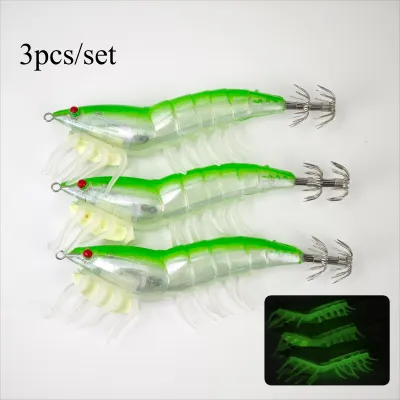
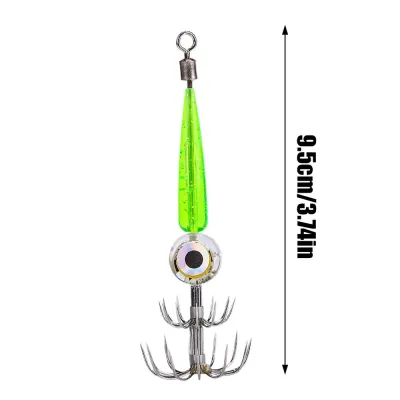
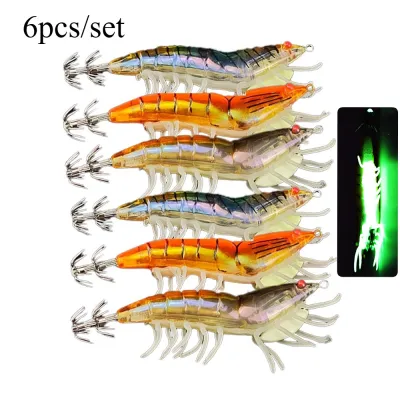
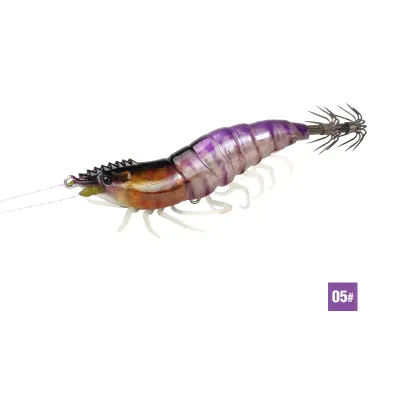
To evaluate a squid lure’s effectiveness, you must first understand its unique anatomy. Unlike standard hard baits that feature treble hooks, a squid jig is designed with a shrimp-like body, a keel weight positioned under the head, and a specialized set of barbless crown hooks at the tail. The curved body profile mimics the natural shape of a prawn or small baitfish, while the external keel weight acts as a rudder, stabilizing the lure as it descends through the water column.
Products mentioned in this guide
Prices are valid at publication and may change. Please refer to the product page for the latest price.
The crown hooks, consisting of one or two rings of upward-pointing, barbless pins, are critical for securing the squid’s soft tentacles. Before heading out to the water, always inspect these pins closely. Verify that they are needle-sharp, evenly spaced, and free from bends or corrosion. Dull or misaligned pins will result in missed strikes, as squid can easily slip off during the retrieve. When handling these lures, exercise extreme caution; the barbless pins are incredibly sharp and can easily puncture skin if the lure slips during rigging or unhooking.
Additionally, check the overall balance of the lure. A high-quality squid jig should maintain a consistent, nose-down swimming angle—typically between 30 and 45 degrees—when pulled through the water. This specific posture prevents the hooks from snagging on the seabed while presenting an enticing, vulnerable target to watching predators.
Match Lure Size and Weight to Target Species and Conditions
Squid lures are categorized using a traditional numbering system, typically ranging from size 2.0 to 3.5. These numbers do not represent the weight in ounces or grams; instead, they correspond to the physical length of the lure body. For example, a size 2.5 jig is approximately 7.5 centimeters long, while a size 3.5 jig measures around 10.5 centimeters. Understanding this classification allows you to match your lure to the size of the local baitfish and the growth stage of the target squid.

When selecting a size, you must balance wind conditions, required casting distance, and the average size of the squid in your area. In calm, shallow waters, smaller jigs like a 2.0 or 2.5 offer a subtle, highly natural presentation that is less likely to spook cautious squid. However, these lighter lures are difficult to cast accurately when facing strong coastal breezes.
Conversely, larger sizes like 3.0 and 3.5 provide the weight necessary to cut through head winds and achieve maximum casting distance. While a larger lure is excellent for targeting mature reef squid in deeper water, it can be too aggressive for smaller squid inhabiting shallow seagrass beds. Always carry a mix of sizes so you can downsize for a stealthier approach or upsize when you need to reach distant drop-offs. Before purchasing, verify that your fishing rod is rated to cast the specific weight of your chosen jig size, as overloading the rod can lead to structural damage during hard casts.
Select the Right Sink Rate for Water Depth and Current
The speed at which your lure descends is one of the most critical factors in eging. Squid are highly depth-sensitive and will often hold at a specific layer in the water column, usually near structure or just above the seabed. Manufacturers design squid jigs with distinct sink rates, generally classified as shallow, standard, deep, or super-deep.
Standard models typically sink at a rate of 3.0 to 3.5 seconds per meter, making them highly versatile for mid-depth waters. Shallow models sink much slower, often taking 5.0 to 6.0 seconds per meter, which keeps the lure in the strike zone longer over shallow coral flats or seagrass beds without snagging. Deep and super-deep models feature heavier keel weights, sinking at 2.0 seconds per meter or faster to cut through strong tidal currents and reach deep-water channels.
To identify these categories before purchasing, carefully read the packaging labels or product specifications. Look for the sink rate indicated in seconds per meter (sec/m). Matching this rate to your fishing venue ensures your lure spends maximum time in the active feeding zone rather than sweeping uselessly over the heads of the squid or constantly snagging on the bottom.
Choose Colors and Patterns Based on Light and Water Clarity
Squid possess highly developed eyes capable of detecting minute contrasts and light reflections. Therefore, your color selection strategy should adapt to changing light levels and water clarity rather than relying on a single favorite pattern. A successful setup utilizes a combination of the outer cloth color and the underlying foil tape, known as the base color.
In clear water and bright sunlight, natural and translucent patterns perform exceptionally well. Lures with green, blue, or brown outer cloth over a silver or leaf-foil base mimic local baitfish and prawns, offering a subtle presentation that does not startle wary squid. Under these conditions, highly reflective or overly bright colors can appear unnatural and deter strikes.
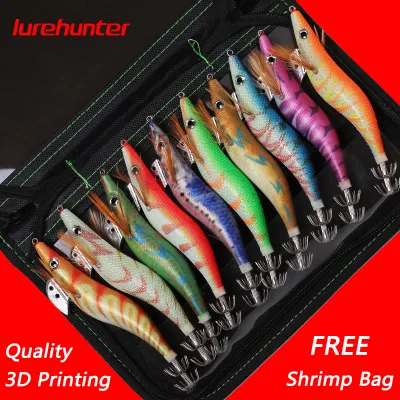
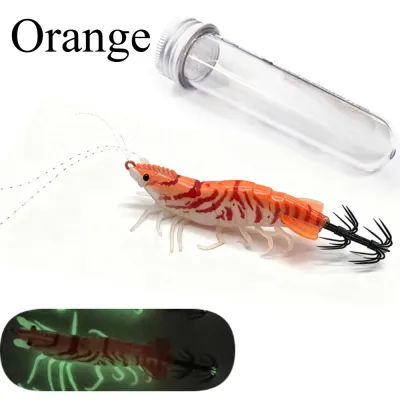
When fishing in murky water, during low-light hours, or at night, switch to high-visibility, solid, or glow-in-the-dark (luminous and UV-reactive) colors. Bright pink, orange, and yellow outer cloths paired with a gold, red, or glow base create a strong silhouette and maximize contrast in dark water. Before investing in highly specific or novelty patterns, build a reliable starter assortment consisting of a few natural patterns for daytime and a couple of bright, luminous options for night or turbid conditions.
Inspect Materials, Durability, and Saltwater Resistance
Saltwater environments are notoriously harsh on fishing tackle, and squid fishing is no exception. The body of a squid jig is typically constructed from hard plastic, resin, or traditional wood. Hard plastic and resin bodies offer excellent structural durability, ensuring the lure resists cracking or taking on water when cast against rocky shorelines, concrete piers, or coral structures.
Next, inspect the outer cloth or textured tape wrapping. This fabric layer is not just for color; it provides a realistic texture that encourages squid to hold onto the lure longer, giving you more time to set the hooks. Ensure the cloth is tightly adhered to the body, with clean seams and high tear resistance to withstand the sharp, tearing bites of squid beaks.
Finally, verify that all metal components—including the internal weights, line eyelets, and crown hook pins—are made of high-grade, rust-resistant materials such as stainless steel. Saltwater accelerates corrosion rapidly, and any rust on the hook pins will weaken their structural integrity, leading to broken hooks and lost catches. Additionally, check that the line eyelet is securely anchored into the nose of the jig, as a loose eyelet can pull free under the tension of a heavy catch or a stubborn snag.
Build Your Squid Lure Selection Checklist
Creating a structured approach to your tackle box helps you avoid impulse purchases and ensures you are prepared for any scenario on the water. Start by defining your primary fishing conditions: note the typical depth of your local spots, the strength of the coastal currents, and your preferred fishing times.
Use this information to select a core range of sizes and sink rates. If you primarily fish shallow reef flats during the day, prioritize size 2.5 and 3.0 jigs in standard and shallow sink rates. Allocate your budget in ₱ toward these essential, high-quality core lures first, ensuring you have reliable tools for your primary style of fishing.
Once your core setup is established, allocate the remainder of your budget to complementary colors and backup lures. This includes adding a few high-contrast, luminous jigs for night sessions or sudden changes in water clarity, as well as duplicate backups of your favorite sizes. A well-rounded tackle box organized by sink rate and color profile will keep you adaptable and ready for whatever the sea throws your way.
Frequently Asked Questions (FAQ)
Do I need to add extra weight to my squid lure?
While squid jigs are carefully balanced out of the package, there are times when adding extra weight is necessary. In deep water or during periods of exceptionally strong tidal currents, a standard jig may struggle to reach the bottom where squid are holding. To solve this, you can attach specialized clip-on nose weights or small split shots directly to the line eyelet or the keel weight. Always ensure these additions are securely fastened and centered; off-center weights can ruin the lure’s natural darting action and cause it to spin, which will deter squid from striking.
How do I clean and store squid lures after a saltwater trip?
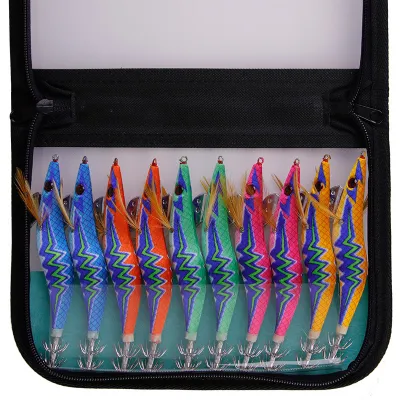
Proper maintenance is essential to prolong the lifespan of your squid lures. After every saltwater outing, thoroughly rinse your jigs under cool, fresh running water to remove salt crystals, sand, and organic debris. Pay close attention to the cloth wrapping and the crown hooks, as trapped salt will rot the fabric and corrode the metal. Allow the lures to dry completely in a well-ventilated area away from direct sunlight, as UV rays can fade the colors and degrade the plastic body. Once dry, store them in a dedicated, slotted egi case to prevent the sharp crown hooks from tangling or tearing the cloth of adjacent lures.
Community discussion
Share your experience or ask a question. Comments are reviewed before publication.