
Choosing the right STIX Arnis pants requires matching the garment’s structural design to your specific training environment, frequency, and movement style. In the national martial art of the Philippines, footwork is dynamic, involving rapid shifts, deep lunges, and constant pivoting. Your pants must facilitate this range of motion without binding at the thighs or catching on your weapons. While a well-constructed pair of pants provides comfort and durability, it is important to remember that protective gear and apparel are secondary to proper training, physical conditioning, and situational awareness during sparring.
Identifying Your Arnis Training Level and Practice Type
Assessing your current skill level and primary training activities is the first step in defining your specific gear requirements. Beginners typically focus on foundational stances, basic strikes, and light drilling. At this stage, training sessions are usually less frequent, and the physical toll on the uniform is moderate. The primary need is a comfortable, non-restrictive fit that allows you to learn the mechanics of the triangular footwork and basic stances without distraction.
Regular practitioners train multiple times a week, engaging in repetitive weapon drills, partner block-and-strike sequences, and controlled sparring. The friction from constant movement and the occasional contact with rattan sticks demand a higher level of material durability. For these practitioners, seam strength and fabric resilience are critical to prevent premature tearing during intense sessions.
Products mentioned in this guide
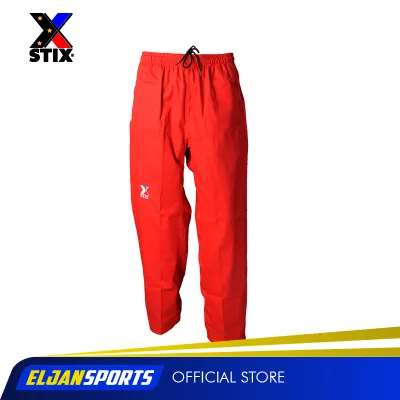
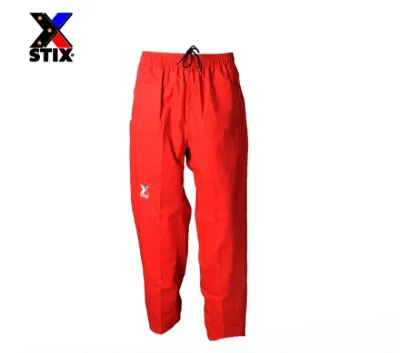
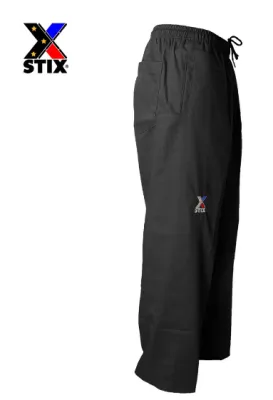
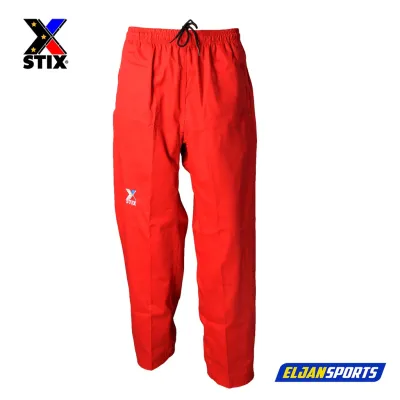
Prices are valid at publication and may change. Please refer to the product page for the latest price.
Competitors operate under high-intensity conditions where split-second movements determine success. Whether competing in Anyo (forms) or Labanan (full-contact sparring), tournament athletes require maximum mobility and minimal weight. The uniform must comply with specific organizational rules while offering strategic reinforcements that do not compromise speed.
Practice types also dictate your gear requirements. Traditional forms require crisp, clean movements where the snap of the fabric can enhance the presentation, while full-contact sparring requires pants that can accommodate protective padding underneath without restricting movement. If you engage in mixed martial arts cross-training, you may need a versatile design that transitions smoothly between weapon work and grappling or striking drills.
Core Selection Criteria for STIX Arnis Pants
When evaluating different options, you must check specific garment features and specifications on product labels or official store descriptions. Fabric composition is a primary consideration. Cotton-polyester blends are common; cotton provides breathability and comfort against the skin, while polyester adds strength, wrinkle resistance, and quick-drying properties. Ripstop fabrics, characterized by a crosshatch pattern of thick threads, offer exceptional tear resistance, making them ideal for high-friction environments. When browsing options, check the product label or manufacturer specifications for the exact blend ratio.

Gusset and seam construction are critical for durability. The gusset is a triangular or diamond-shaped piece of fabric sewn into the crotch area. This design element distributes stress more evenly than a simple four-way seam intersection, allowing for deep horse stances and low lunges without risking a blowout. Inspect the seams for double or triple stitching, particularly along the inner thighs and seat. Reinforced stitching ensures the pants can withstand the sudden, explosive directional changes characteristic of Arnis footwork.
A secure waistband is essential to prevent the pants from slipping during active movement. Elastic waistbands offer convenience and a flexible fit, but they should be paired with an internal drawstring to allow for precise adjustments. Traditional tie closures provide a highly customizable fit but may require more time to secure and can loosen during prolonged training. Evaluate which system aligns with your preference for security and ease of use.
In the tropical climate of the Philippines, training halls can become exceptionally hot and humid. Heavyweight fabrics may trap heat and sweat, leading to discomfort and fatigue. Lightweight to medium-weight fabrics offer a balance of durability and airflow. Look for materials that actively wick moisture away from the skin to help maintain comfort during long training sessions.
Matching STIX Pants Specifications to Practitioner Profiles
If you are just starting your Arnis journey, look for standard-weave cotton-polyester pants. These models typically offer a relaxed fit that accommodates a wide range of body types. They are easy to wash, dry quickly, and provide sufficient durability for basic drilling. Prioritize comfort and a secure waistband over specialized high-performance fabrics, as your initial focus should be on mastering foundational movements without gear-related distractions.
For those training two to four times a week, transition to pants featuring reinforced seams and medium-weight ripstop or heavy-duty cotton-blend fabrics. These materials resist the abrasive wear caused by constant movement and contact. Look for designs with a generous diamond gusset to support deep, repetitive stances. While these pants may have a slightly stiffer feel initially, they soften with washing while retaining their structural integrity over hundreds of training hours.
Tournament athletes should seek out lightweight, high-mobility variants. These pants often utilize advanced synthetic blends or ultra-light ripstop fabrics that minimize weight and drag. Ensure the cut is tailored to prevent excess fabric from flapping or catching on weapons, yet loose enough to wear over shin guards or under protective body armor if required by your division.
Before finalizing any purchase, always verify the specific model specifications, sizing charts, and current pricing in local currency (₱) on the manufacturer’s official website or authorized retail listings. Do not rely on general assumptions about sizing, as martial arts cuts can vary significantly between different product lines.
Sizing, Fit, and Mobility Checks for Arnis Movements
To find the correct size, measure your waist, hips, and inseam using a flexible measuring tape. Compare these measurements directly to the manufacturer’s size chart. Keep in mind that Arnis pants are designed to sit higher on the waist than casual trousers to prevent the hem from dragging on the floor during low stances.
Once you receive the pants, perform a series of movement checks before removing any tags or using them in class. Begin by dropping into a deep horse stance to ensure there is no pulling or tension across the thighs or crotch. Next, execute a series of rapid side-to-side steps and pivots to verify that the fabric does not cling to your legs or restrict your footwork.
Check for excess fabric around the ankles and calves. Loose, baggy legs can catch on your rattan sticks during low strikes or trip you up during fast-paced sparring. The hem should sit just above the ankle bone to allow for clean footwork while keeping your feet clear of the fabric.
Consider potential shrinkage. Cotton-blend fabrics, especially those with a high percentage of cotton, are prone to shrinking during the first few washes. If your measurements fall between two sizes, it is often advisable to select the larger size to accommodate this natural shrinkage, ensuring the pants remain comfortable and functional over time.
Care Instructions to Maintain Fabric and Seam Integrity
Proper maintenance is key to extending the lifespan of your Arnis pants. Always read and follow the specific care instructions on the garment tag. Wash the pants in cold water with a mild detergent to prevent fabric degradation and color bleeding, which is particularly common with vibrant red or deep black uniforms.
Avoid using bleach or harsh fabric softeners, as these chemicals can weaken the fibers and reduce the tear resistance of ripstop or blended fabrics. Line drying in a shaded area is highly recommended. If you must use a dryer, select a low-heat setting to minimize shrinkage and prevent the elastic in the waistband from deteriorating.
Regularly inspect your pants for signs of wear, focusing on the crotch gusset, inner thighs, and waistband stitching. Catching a loose thread or a minor seam separation early allows you to repair it before it turns into a major tear during a training session.
Frequently Asked Questions (FAQ)
Can I use standard martial arts pants for Arnis instead of specific STIX models?
While you can technically use general martial arts pants, Arnis-specific designs are tailored to accommodate the unique footwork and weapon-handling requirements of the sport. Standard pants from other disciplines may lack the necessary gusset reinforcement or may have a wider, baggier cut that can easily snag on your sticks during dynamic drills.
How do I know if the pants meet local tournament regulations?
Tournament regulations regarding uniform color, side stripes, patches, and material weight vary significantly depending on the organizing body. Always consult the official rulebook of the specific event you plan to enter, or check directly with the tournament organizers to ensure your pants comply with their standards.
Community discussion
Share your experience or ask a question. Comments are reviewed before publication.